
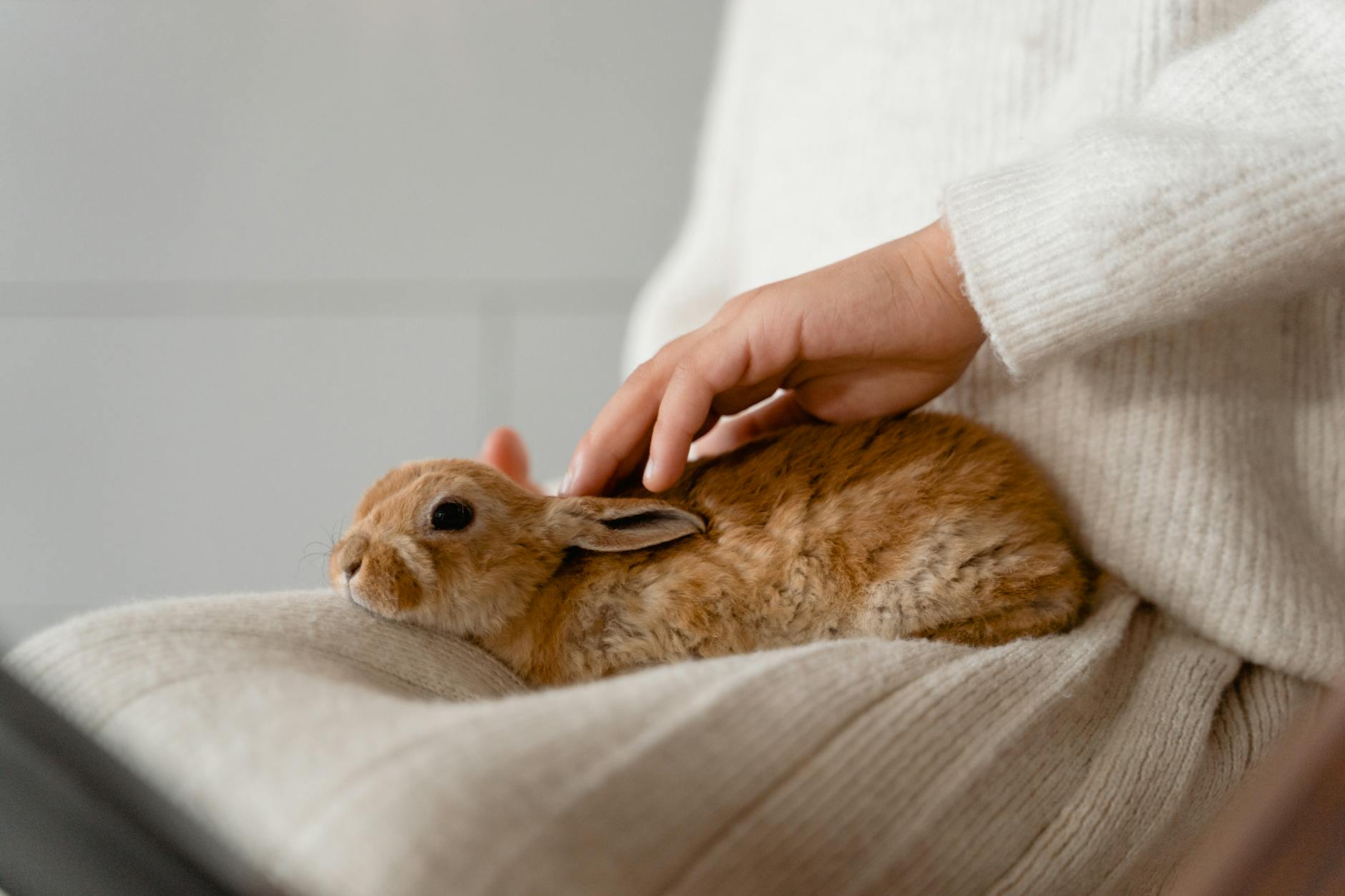
Is Snuggle Safe for Rabbits? A Comprehensive Guide
Yes, Snuggle Safe heating pads are generally considered safe for rabbits if used correctly and with proper supervision. This guide offers a detailed examination of the Snuggle Safe, addressing its potential benefits, safe usage, and common concerns for rabbit owners.

Understanding Snuggle Safe Heating Pads
The Snuggle Safe microwaveable heating pad is a popular product among pet owners, including rabbit enthusiasts. It’s designed to provide a consistent source of warmth for extended periods, typically up to 10 hours, after being heated in a microwave. It avoids electrical cords, making it safer than electric heating pads, preventing the risk of chewing and electrocution.

What colours are fish most attracted to?
Can you put your finger in a trout's mouth?
Is methylene blue anti bacterial?
Does aquarium salt raise pH in aquarium?
Benefits of Using Snuggle Safe for Rabbits

There are several situations where a Snuggle Safe can be beneficial for rabbits:
- Providing warmth in cold weather: Rabbits are susceptible to hypothermia, especially during winter months or in drafts.
- Comforting sick or injured rabbits: Rabbits recovering from illness or surgery often appreciate the added warmth and comfort. A Snuggle Safe can help maintain their body temperature and reduce stress.
- Supporting young or orphaned rabbits: Baby rabbits require supplemental heat to regulate their body temperature effectively.
- Reducing stress during travel: Traveling can be stressful for rabbits. A Snuggle Safe in their carrier can help them feel more secure and comfortable.
Safe Usage Guidelines: A Step-by-Step Process
Using a Snuggle Safe safely involves several key steps:
- Microwave heating: Heat the Snuggle Safe according to the manufacturer’s instructions. Always test the temperature before giving it to your rabbit.
- Wrapping: Wrap the Snuggle Safe in a towel or fleece cover. This prevents direct contact and minimizes the risk of burns.
- Placement: Place the wrapped Snuggle Safe in the rabbit’s enclosure, ensuring they have the option to move away from it if they get too warm.
- Monitoring: Regularly check the rabbit to ensure they are not overheating or showing signs of discomfort.
- Supervision: Always supervise your rabbit when they are using the Snuggle Safe, especially the first few times.
Common Mistakes and Safety Precautions
While generally safe, improper usage of a Snuggle Safe can pose risks:
- Overheating: The most common mistake is overheating the Snuggle Safe in the microwave. Always follow the manufacturer’s instructions and test the temperature.
- Direct contact: Never allow the rabbit to have direct contact with the heated Snuggle Safe, as this can cause burns.
- Lack of escape: Ensure the rabbit can move away from the Snuggle Safe if they get too hot. Do not force them to stay near it.
- Ignoring warning signs: Watch for signs of overheating, such as panting, lethargy, or red ears.
- Using a damaged Snuggle Safe: Inspect the Snuggle Safe for any cracks or damage before each use.
Alternatives to Snuggle Safe
While Snuggle Safes are popular, other options exist for keeping rabbits warm:
- Electric heating pads (with caution): These should only be used with extreme caution. Cords must be protected to prevent chewing, and the rabbit must have a way to move away from the heat source.
- Hot water bottles: These can be a safe alternative if wrapped properly.
- Extra bedding: Providing plenty of hay or straw allows the rabbit to burrow and stay warm.
- Indoor housing: Bringing rabbits indoors during cold weather is the best way to protect them from the elements.
Temperature Monitoring for Rabbits
Monitoring your rabbit’s temperature is critical, especially when using any heat source. Normal rabbit body temperature ranges from 101°F to 103°F (38.3°C to 39.4°C). If you suspect your rabbit is overheating or cold, consult a veterinarian immediately.
Snuggle Safe vs. Electric Heating Pad: A Comparison
| Feature | Snuggle Safe | Electric Heating Pad |
|---|---|---|
| Power Source | Microwave | Electricity |
| Safety | Lower risk of electrocution | Higher risk of electrocution if cord is chewed |
| Temperature | Gradual decline in temperature | Consistent temperature, but can overheat quickly |
| Portability | More portable | Less portable |
| Cost | Generally lower initial cost | Potentially higher initial cost, plus electricity consumption |
Frequently Asked Questions About Snuggle Safes for Rabbits
Can a rabbit get burned by a Snuggle Safe?
Yes, rabbits can get burned if they come into direct contact with a heated Snuggle Safe. It is essential to wrap the Snuggle Safe in a towel or fleece cover and to monitor your rabbit’s behavior closely.
How long does a Snuggle Safe stay warm?
A Snuggle Safe is typically designed to stay warm for up to 10 hours. However, the actual duration can vary depending on the ambient temperature and how it was heated.
Is it safe to leave a Snuggle Safe in the rabbit’s cage overnight?
Yes, it is generally safe to leave a Snuggle Safe in the rabbit’s cage overnight, provided it is properly wrapped and the rabbit has the option to move away from it. Check on your rabbit periodically to ensure they are comfortable.
How do I know if my rabbit is too hot?
Signs of overheating in rabbits include panting, lethargy, red ears, and spreading out to try to cool down. If you notice these signs, remove the Snuggle Safe immediately and consult a veterinarian if necessary.
Can I use a Snuggle Safe for baby rabbits?
Yes, a Snuggle Safe can be used for baby rabbits, but extra caution is needed. Ensure the Snuggle Safe is not too hot and that the baby rabbits can easily move away from it.
How often should I replace my Snuggle Safe?
Inspect your Snuggle Safe regularly for signs of wear and tear, such as cracks or leaks. Replace the Snuggle Safe if you notice any damage. The lifespan of a Snuggle Safe depends on usage.
Can I wash a Snuggle Safe?
The Snuggle Safe itself cannot be submerged in water for cleaning. However, you can wipe it down with a damp cloth. Always make sure the cover you use with it is washable.
Are there any rabbits that shouldn’t use a Snuggle Safe?
Rabbits with pre-existing health conditions that affect their ability to regulate body temperature may not be suitable for using a Snuggle Safe. Consult with your veterinarian before introducing a Snuggle Safe to these rabbits.
Where should I place the Snuggle Safe in the rabbit’s enclosure?
Place the Snuggle Safe in one corner of the enclosure, leaving the rest of the space available for the rabbit to move around. This allows the rabbit to choose whether or not to be near the heat source.
How long should I microwave the Snuggle Safe for?
Always follow the manufacturer’s instructions for microwaving the Snuggle Safe. The heating time will vary depending on the microwave’s wattage. Start with a shorter time and increase it gradually if needed.
My rabbit is chewing on the cover of the Snuggle Safe. What should I do?
If your rabbit is chewing on the cover, replace it with a more durable, chew-resistant material. Monitor your rabbit closely and remove the Snuggle Safe if they continue to chew on it excessively.
What is the best alternative to a Snuggle Safe if I don’t have one?
A good alternative to a Snuggle Safe is to provide extra bedding, such as hay or straw, in the rabbit’s enclosure. This allows them to burrow and stay warm. Ensure the rabbit has a draft-free environment.