

Is Shark Ray Endangered? Unveiling the Status of the Bowmouth Guitarfish
The bowmouth guitarfish, commonly known as the shark ray, is critically endangered, facing a high risk of extinction in the wild due to overfishing and habitat degradation. This unique creature requires immediate and comprehensive conservation efforts to prevent its disappearance.
A Glimpse into the Shark Ray’s World
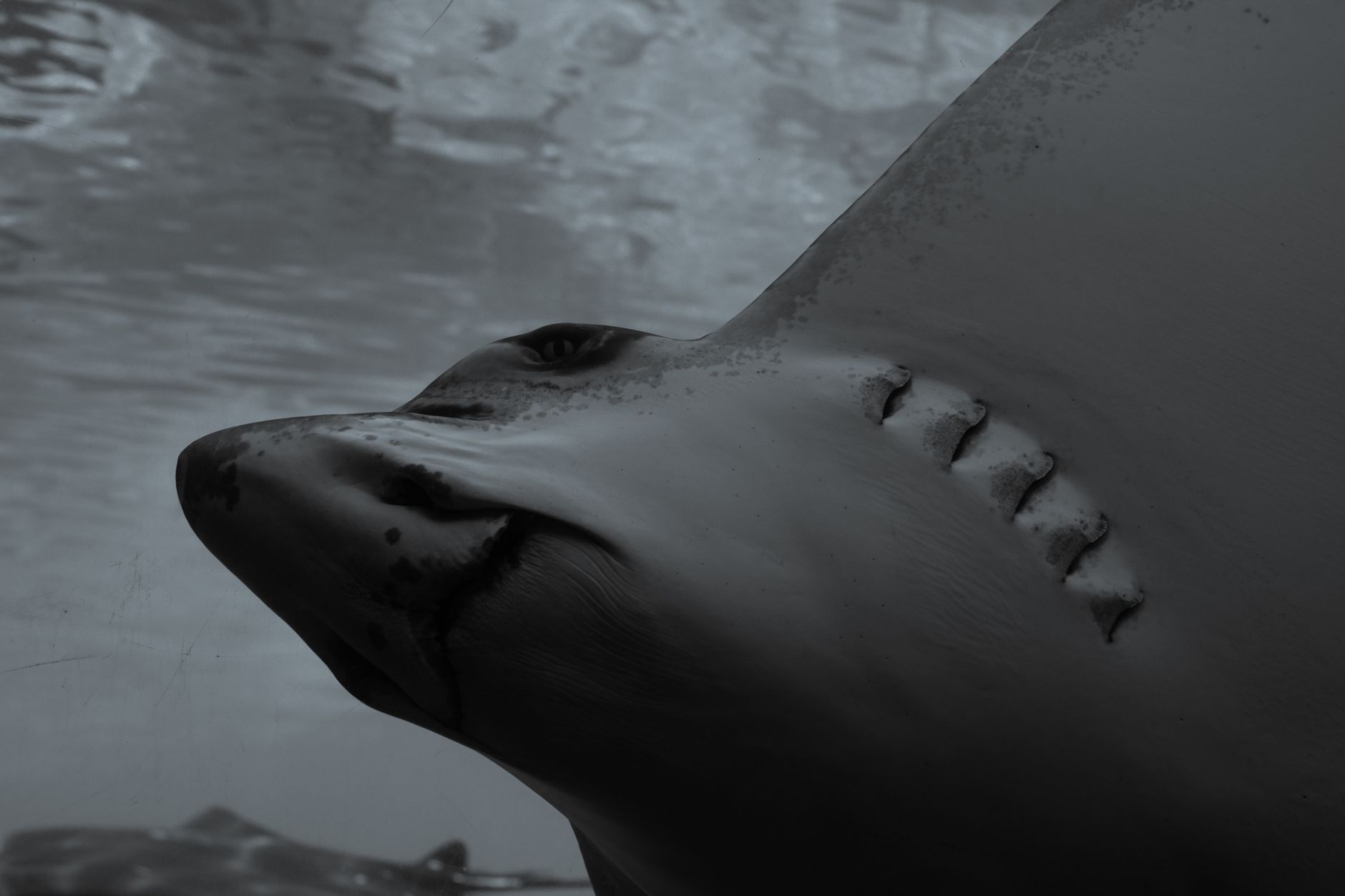
The bowmouth guitarfish, scientifically known as Rhina ancylostoma, is a truly remarkable marine animal. Its distinctive appearance, a hybrid between a shark and a ray, captivates divers and researchers alike. Characterized by its wide, arched mouth, protruding snout, and rows of thorn-like ridges along its head and back, the shark ray is unlike any other elasmobranch. They can grow up to 2.7 meters in length.
What colours are fish most attracted to?
Can you put your finger in a trout's mouth?
Is methylene blue anti bacterial?
Does aquarium salt raise pH in aquarium?
Geographic Distribution and Habitat
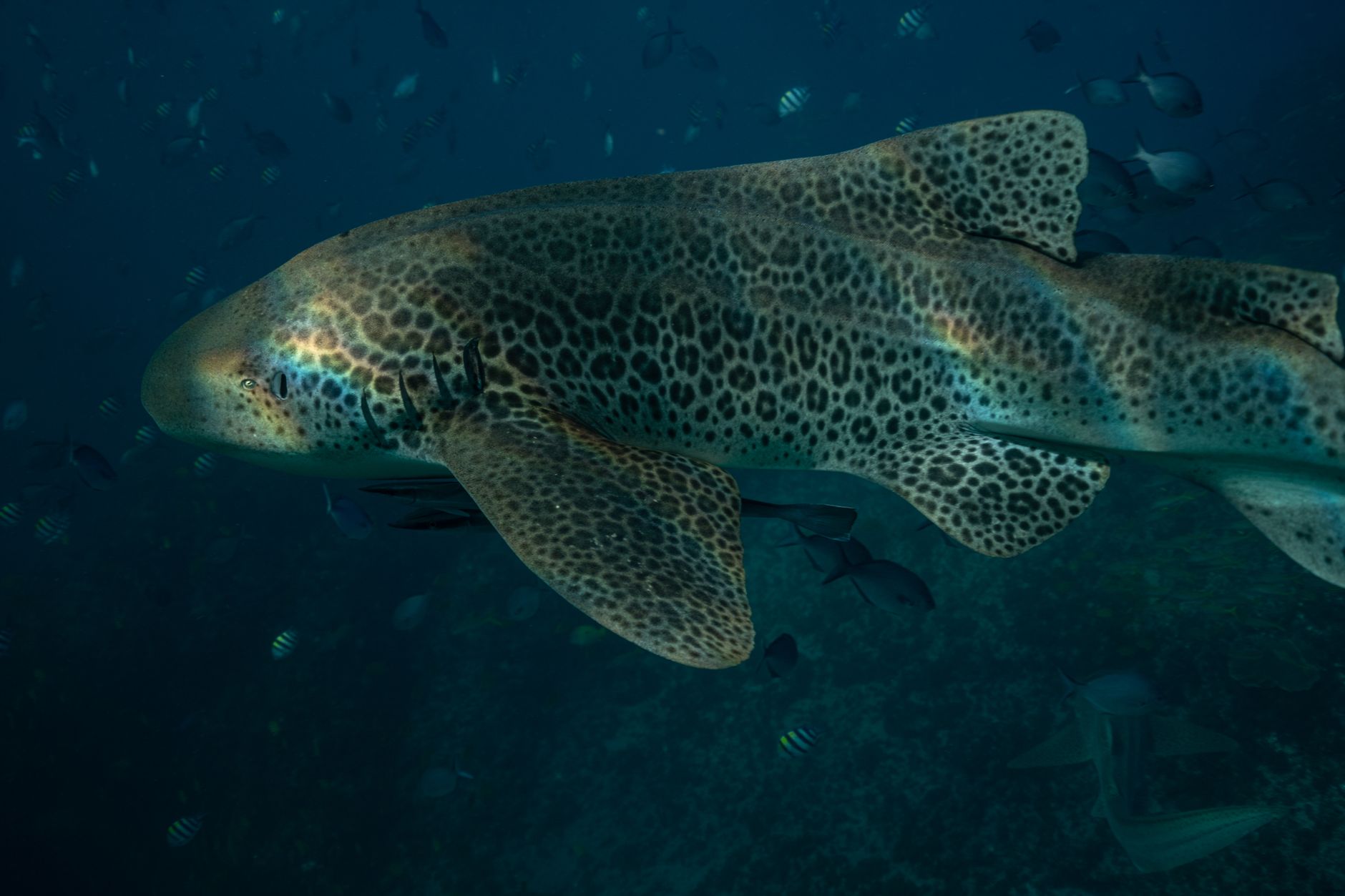
Shark rays inhabit the Indo-West Pacific region, specifically tropical coastal waters. Their range stretches from the Red Sea and East Africa to Japan and Australia. They are typically found in shallow coastal waters, coral reefs, and sandy or muddy bottoms. The degradation and destruction of these critical habitats significantly threaten their survival.
Diet and Feeding Habits
The diet of shark rays primarily consists of benthic invertebrates such as crustaceans and mollusks. They utilize their flattened bodies and sensitive electroreceptors to detect and capture prey buried in the seabed. This specialized feeding strategy makes them vulnerable to habitat disturbances that impact benthic communities.
Threats to Survival: Why Is Shark Ray Endangered?
Several factors contribute to the endangered status of shark rays. The most significant is overfishing, both targeted and as bycatch in trawl fisheries. Their slow reproductive rate and late maturity exacerbate the impact of fishing pressure.
- Overfishing: Targeted for their meat and fins, and caught as bycatch.
- Habitat Degradation: Destruction of coral reefs, mangroves, and coastal habitats.
- Pollution: Contamination of coastal waters impacting prey availability and health.
- Slow Reproduction: Low reproductive rate and late maturity making recovery difficult.
Conservation Efforts
Various conservation organizations and governments are implementing measures to protect shark rays. These include:
- Protected Areas: Establishing marine protected areas to safeguard critical habitats.
- Fishing Regulations: Implementing fishing quotas and gear restrictions.
- Awareness Campaigns: Educating local communities about the importance of shark ray conservation.
- Research and Monitoring: Conducting scientific research to understand their biology and ecology.
- International Collaboration: Collaborating with countries across their range to implement conservation strategies.
The Importance of Shark Ray Conservation
The bowmouth guitarfish plays a crucial role in the marine ecosystem. As a predator, it helps regulate populations of benthic invertebrates, maintaining the balance of the food web. Furthermore, the shark ray’s unique appearance and behavior make it a valuable asset for ecotourism, contributing to local economies. Losing this magnificent creature would have detrimental consequences for marine biodiversity and ecosystem health.
Comparing Shark Ray Status with Other Elasmobranchs
| Species | IUCN Status | Threats | Conservation Efforts |
|---|---|---|---|
| Rhina ancylostoma (Shark Ray) | Critically Endangered | Overfishing, Habitat Loss | Marine Protected Areas, Fishing Regulations |
| Great White Shark | Vulnerable | Overfishing, Bycatch | Protected Species, Fishing Regulations |
| Whale Shark | Endangered | Overfishing, Vessel Strikes | International Agreements, Protected Areas |
Frequently Asked Questions (FAQs)
What does “critically endangered” actually mean?
Critically endangered is the highest risk category assigned by the International Union for Conservation of Nature (IUCN) to species facing an extremely high risk of extinction in the wild. This designation signifies that the shark ray is on the brink of vanishing if immediate conservation actions are not taken. This designation highlights just how much impact overfishing and habitat loss has had on their numbers.
How many shark rays are estimated to be left in the wild?
It’s difficult to get an exact population count, but estimates suggest that shark ray populations have declined significantly over the past few decades. The data indicates that they are scarce throughout their range, and some areas have seen local extinctions. Targeted surveys and ongoing research are crucial for more accurate assessments.
What is bycatch, and how does it affect shark rays?
Bycatch refers to the unintentional capture of non-target species during fishing operations. Because shark rays inhabit areas heavily fished for other species, they are often caught as bycatch in trawls and gillnets. This is particularly devastating due to their slow reproduction rates, as it removes breeding adults from the population.
Are there any shark rays in aquariums or zoos?
Yes, some aquariums house shark rays, often as ambassadors for their species and marine conservation. These institutions contribute to research, education, and potentially breeding programs to support conservation efforts. Responsible sourcing and ethical considerations are paramount in these situations.
What role do coral reefs play in shark ray survival?
Coral reefs provide crucial habitat for shark rays, offering shelter, feeding grounds, and nursery areas. The destruction of coral reefs due to pollution, climate change, and destructive fishing practices directly impacts shark ray populations and their ability to survive.
Can shark rays be successfully bred in captivity?
Breeding shark rays in captivity is extremely challenging but not impossible. Some aquariums have reported limited success, but significant challenges remain in replicating their natural breeding conditions and ensuring the survival of offspring. Research continues to improve breeding techniques.
What can individuals do to help protect shark rays?
Individuals can support shark ray conservation by:
- Supporting sustainable seafood choices to reduce bycatch.
- Reducing your carbon footprint to mitigate climate change impacts on coral reefs.
- Supporting conservation organizations dedicated to marine protection.
- Educating others about the importance of shark ray conservation.
Are shark rays dangerous to humans?
Shark rays are generally considered harmless to humans. They are shy and non-aggressive, preferring to avoid contact with divers and swimmers. However, it’s important to observe them respectfully in their natural habitat and avoid disturbing them.
What are the key differences between a shark ray and other rays?
The unique feature of a bowmouth guitarfish, the shark ray, that sets it apart from most other rays is the combination of features reminiscent of both sharks and rays. It has a distinctively arched mouth and protruding snout not common in other rays.
Are there laws protecting shark rays in any countries?
Some countries within the shark ray’s range have implemented laws to protect them, including fishing restrictions and marine protected areas. However, these regulations are often insufficient or poorly enforced. International cooperation and stronger legal frameworks are needed to ensure effective protection.
How does pollution affect shark rays and their habitat?
Pollution, including plastic pollution, chemical runoff, and oil spills, negatively impacts shark rays by degrading their habitat, contaminating their food sources, and directly harming their health. This weakens their immune systems and makes them more vulnerable to disease.
What research is currently being conducted on shark rays?
Scientists are conducting research on various aspects of shark ray biology, including their population size, distribution, genetics, feeding habits, and reproductive behavior. This research is crucial for developing effective conservation strategies and understanding the threats they face.