
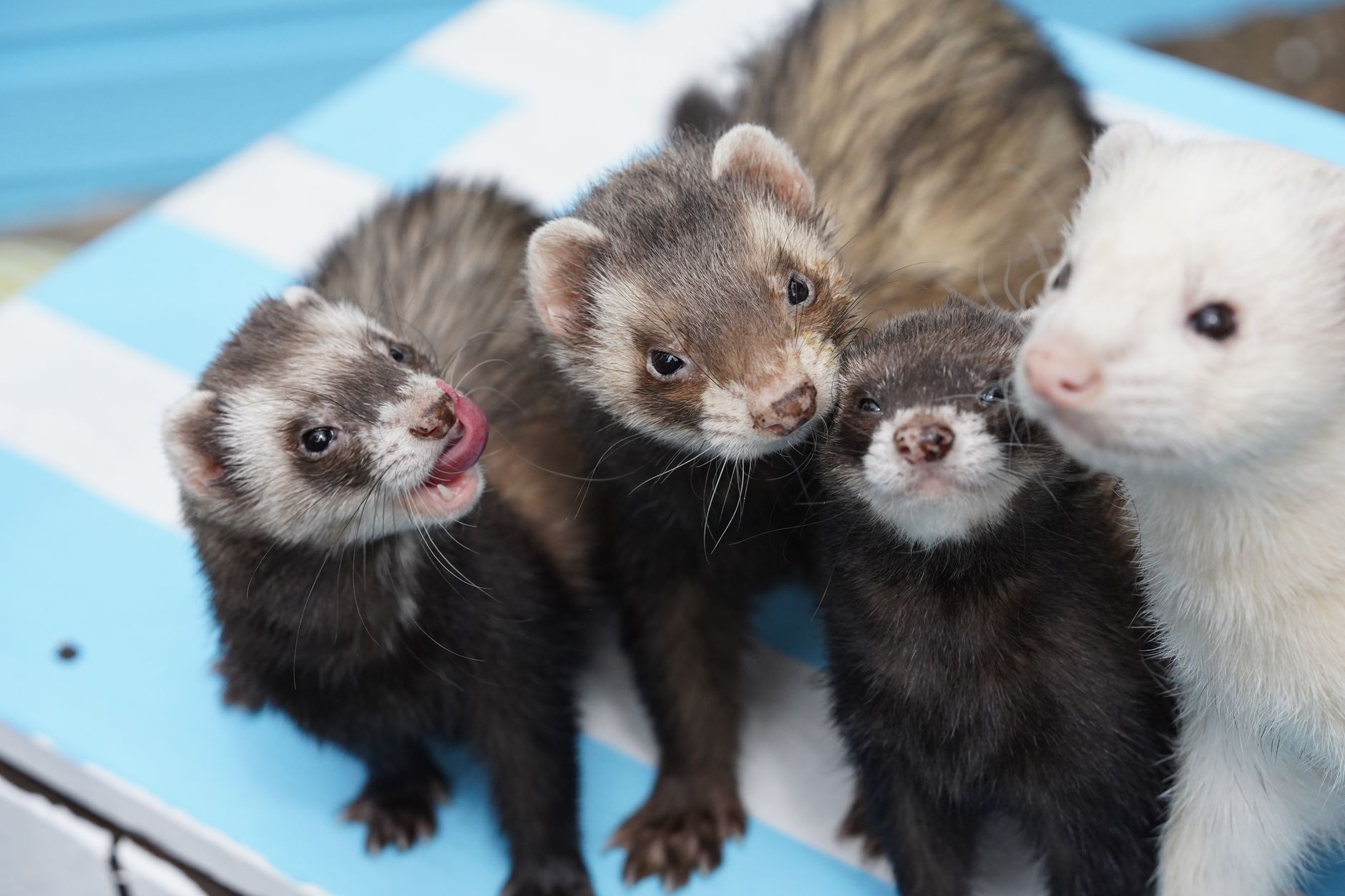
Is Sand Safe for Ferrets? A Deep Dive into Environmental Enrichment and Safety
The question of is sand safe for ferrets? is complex. While providing enrichment, sand poses significant health risks and is generally not recommended for ferret litter or play due to potential respiratory and digestive problems.
Understanding Ferret Environmental Enrichment
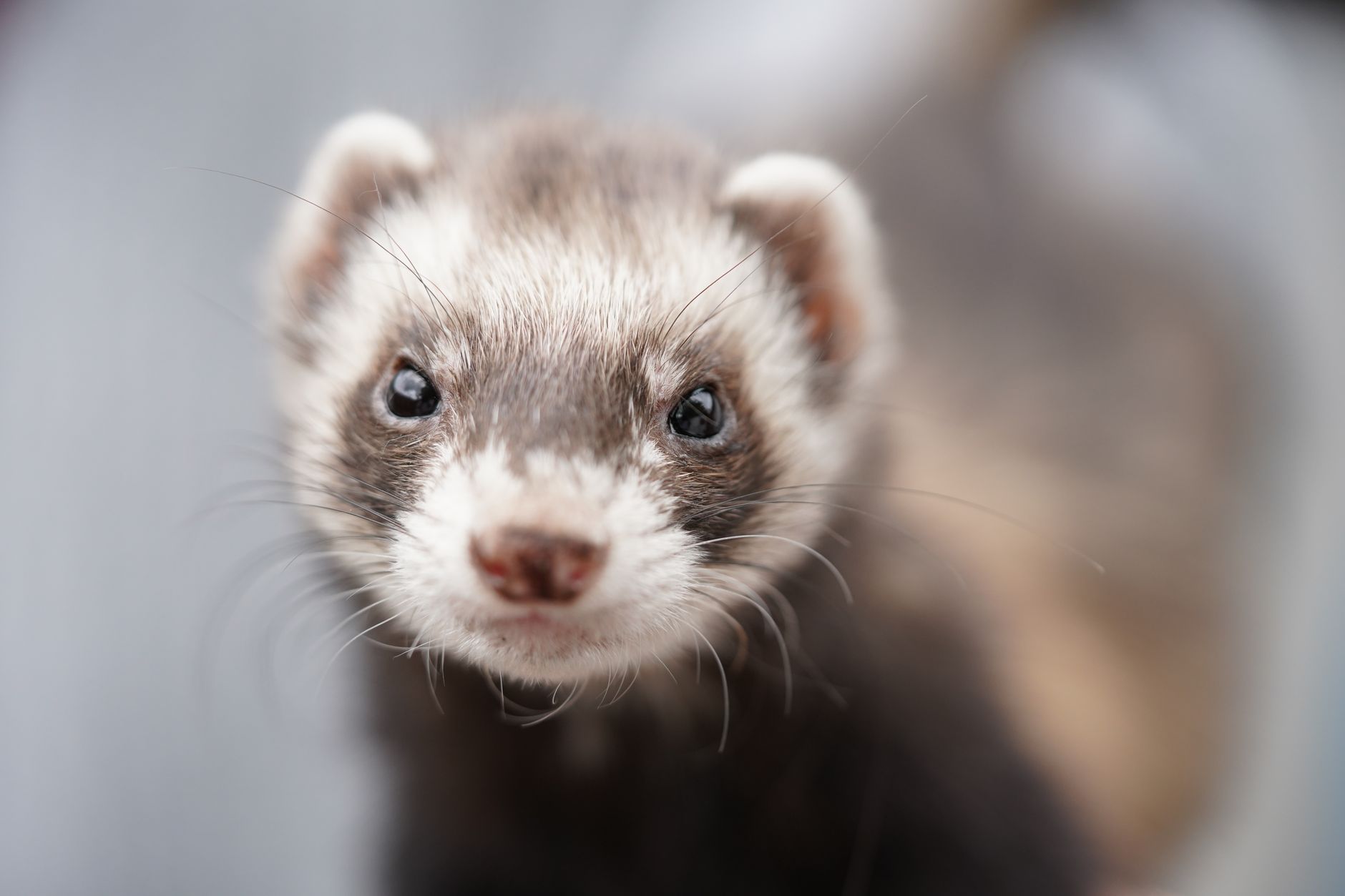
Ferrets, like all animals, thrive in stimulating environments. Environmental enrichment aims to improve their quality of life by providing opportunities for natural behaviors like digging, burrowing, and exploring. While traditional ferret habitats often consist of wire cages with simple bedding, offering varied textures and activities can greatly enhance their well-being. However, introducing new elements requires careful consideration of safety.

What colours are fish most attracted to?
Can you put your finger in a trout's mouth?
Is methylene blue anti bacterial?
Does aquarium salt raise pH in aquarium?
The Allure of Sand: Mimicking Natural Burrows

The appeal of sand lies in its potential to mimic a ferret’s natural burrowing environment. In the wild, ferrets spend a considerable amount of time underground, digging tunnels and creating nests. Providing a sand-filled area might seem like a logical way to satisfy this instinct. Some owners believe it offers a tactile experience and a fun way for ferrets to express their natural behaviors.
The Dangers of Sand: Inhalation and Ingestion
Despite the potential benefits, the risks associated with sand far outweigh any perceived advantages. The two primary concerns are:
- Respiratory problems: Sand particles, especially fine sand, can easily become airborne and inhaled by ferrets. This can lead to respiratory irritation, inflammation, and even pneumonia. Ferrets, with their sensitive respiratory systems, are particularly vulnerable.
- Digestive issues: Ferrets are notorious for ingesting foreign objects. Swallowing sand can cause digestive blockages, impactions, and other serious gastrointestinal problems, which often require veterinary intervention.
Sand Types and Their Relative Safety
Not all sand is created equal. Here’s a brief overview of common sand types and their suitability (or rather, unsuitability) for ferrets:
- Play Sand: Often contains silica dust, which is highly irritating to the respiratory system. Not recommended.
- Construction Sand: Coarse and often contaminated with debris. Not recommended.
- Calcium Sand (Reptile Sand): Marketed as digestible for reptiles, but still poses a risk of impaction for ferrets, especially in large quantities. Not recommended.
- Chinchilla Sand: Very fine and dusty; highly dangerous to ferrets’ respiratory system.
Safer Alternatives for Enrichment
Fortunately, many safer alternatives can provide enrichment without the health risks associated with sand. Consider these options:
- Dig Boxes: Fill a large bin with materials like:
- Rice
- Beans
- Shredded paper
- Fabric scraps
- Tunnels: Provide various tunnels made of fabric, plastic, or cardboard for exploration and play.
- Toys: Offer a variety of toys, including balls, squeaky toys, and puzzle toys. Rotate them regularly to keep your ferret engaged.
- Supervised Outdoor Time: Allow your ferret to explore a safe, enclosed outdoor area under close supervision.
- Different Bedding Materials: Rotate and vary bedding materials in their sleeping areas, such as fleece blankets, old t-shirts, or soft towels.
Cleaning and Maintenance of Enrichment Areas
Regardless of the enrichment method you choose, regular cleaning and maintenance are crucial to prevent the buildup of bacteria and parasites.
- Regularly replace materials: Change out the contents of dig boxes frequently (at least weekly) to prevent contamination.
- Wash bedding: Wash bedding materials regularly (at least weekly) in hot water.
- Disinfect toys: Clean toys regularly with a pet-safe disinfectant.
| Enrichment Item | Cleaning Frequency | Cleaning Method |
|---|---|---|
| Dig Box Materials | Weekly | Replace completely |
| Bedding | Weekly | Wash in hot water and dry |
| Toys | Weekly | Disinfect with pet-safe cleaner |
| Tunnels | Bi-weekly | Wash with soap and water |
Recognizing Signs of Respiratory Distress or Digestive Issues
It’s crucial to be able to recognize the signs of respiratory distress or digestive issues in your ferret. Contact your veterinarian immediately if you observe any of the following:
- Coughing
- Sneezing
- Wheezing
- Difficulty breathing
- Loss of appetite
- Lethargy
- Vomiting
- Diarrhea
- Straining to defecate
Frequently Asked Questions
Is sand safe for ferrets to use as litter?
No, sand is not a safe litter option for ferrets. The dust and potential for ingestion make it a health hazard. Opt for commercial ferret litter, recycled paper pellets, or cloth diapers instead.
Can ferrets play in sand if closely supervised?
Even with close supervision, the risk of a ferret inhaling or ingesting sand is significant. It’s generally not recommended to allow ferrets to play in sand, even for short periods. The potential health consequences outweigh the perceived benefits.
What types of sand are most dangerous for ferrets?
- Chinchilla sand is particularly dangerous due to its extremely fine texture, which makes it easily inhalable. Play sand, construction sand, and calcium sand also pose significant risks.
Are there any “safe” sands for ferrets?
While some reptile sand products are marketed as digestible, there is no truly “safe” sand for ferrets. The risk of impaction, even with digestible sand, is still present. Safer alternatives exist for providing enrichment.
How can I tell if my ferret has inhaled sand?
Signs of sand inhalation include coughing, sneezing, wheezing, and difficulty breathing. Contact your veterinarian immediately if you suspect your ferret has inhaled sand.
What should I do if my ferret has ingested sand?
If you suspect your ferret has ingested sand, contact your veterinarian immediately. Do not attempt to induce vomiting without professional guidance.
How can I encourage my ferret’s natural digging instincts without using sand?
Use dig boxes filled with safer materials like rice, beans, shredded paper, or fabric scraps. These provide a stimulating digging experience without the health risks of sand.
Is it okay to use sand in a very small, enclosed area to minimize dust?
Even in a small, enclosed area, the dust from sand can still pose a respiratory hazard. It’s not recommended to use sand, regardless of the enclosure size.
My ferret seems bored. Is sand the only option to provide enrichment?
- Absolutely not! Numerous safe and enriching activities exist for ferrets, including providing tunnels, toys, supervised playtime, and dig boxes filled with alternative materials.
Can I use a sand substitute, like shredded coconut fiber?
Shredded coconut fiber can be a slightly safer alternative than sand, but it still carries a risk of impaction if ingested. Supervise closely and consider other, safer options first.
What are the best materials for ferret litter besides sand?
The best litter materials for ferrets include commercial ferret litter (especially those that are dust-free), recycled paper pellets, or cloth diapers. These are safer and more absorbent than sand.
Is sand safe for ferrets if I wet it down to reduce dust?
While wetting the sand may reduce dust temporarily, it also creates a breeding ground for bacteria and mold. This introduces new health risks and is not a safe solution.