
Is Salmon or Chicken Better for Dogs?
Choosing the right protein source for your dog is crucial for their health and well-being. Both salmon and chicken offer valuable nutrients, but understanding their specific benefits will help you determine which better suits your dog’s individual needs, though neither is inherently “better”; it depends on the dog and their specific requirements.

Introduction to Canine Nutrition and Protein Sources
Protein is a foundational element in a dog’s diet, essential for building and repairing tissues, supporting immune function, and providing energy. While many protein sources exist, chicken and salmon are two commonly recommended options. The question, “Is salmon or chicken better for dogs?” prompts a deeper look into their nutritional profiles, potential benefits, and any possible drawbacks. Factors like allergies, specific health conditions, and the dog’s life stage should all be considered.

What colours are fish most attracted to?
Can you put your finger in a trout's mouth?
Is methylene blue anti bacterial?
Does aquarium salt raise pH in aquarium?
The Nutritional Profile of Chicken for Dogs

Chicken is a lean protein source widely available and generally well-tolerated by dogs. Its digestibility makes it a popular ingredient in many commercial dog foods.
- High in Protein: Essential for muscle growth and repair.
- Rich in B Vitamins: Supports energy metabolism and nerve function.
- Good Source of Selenium: An antioxidant that contributes to cellular health.
- Affordable and Accessible: Easier to obtain and often more cost-effective than salmon.
However, chicken can be a common allergen for some dogs. Also, the specific nutritional value can vary depending on the cut of chicken and whether it is skinless or bone-in.
The Nutritional Profile of Salmon for Dogs
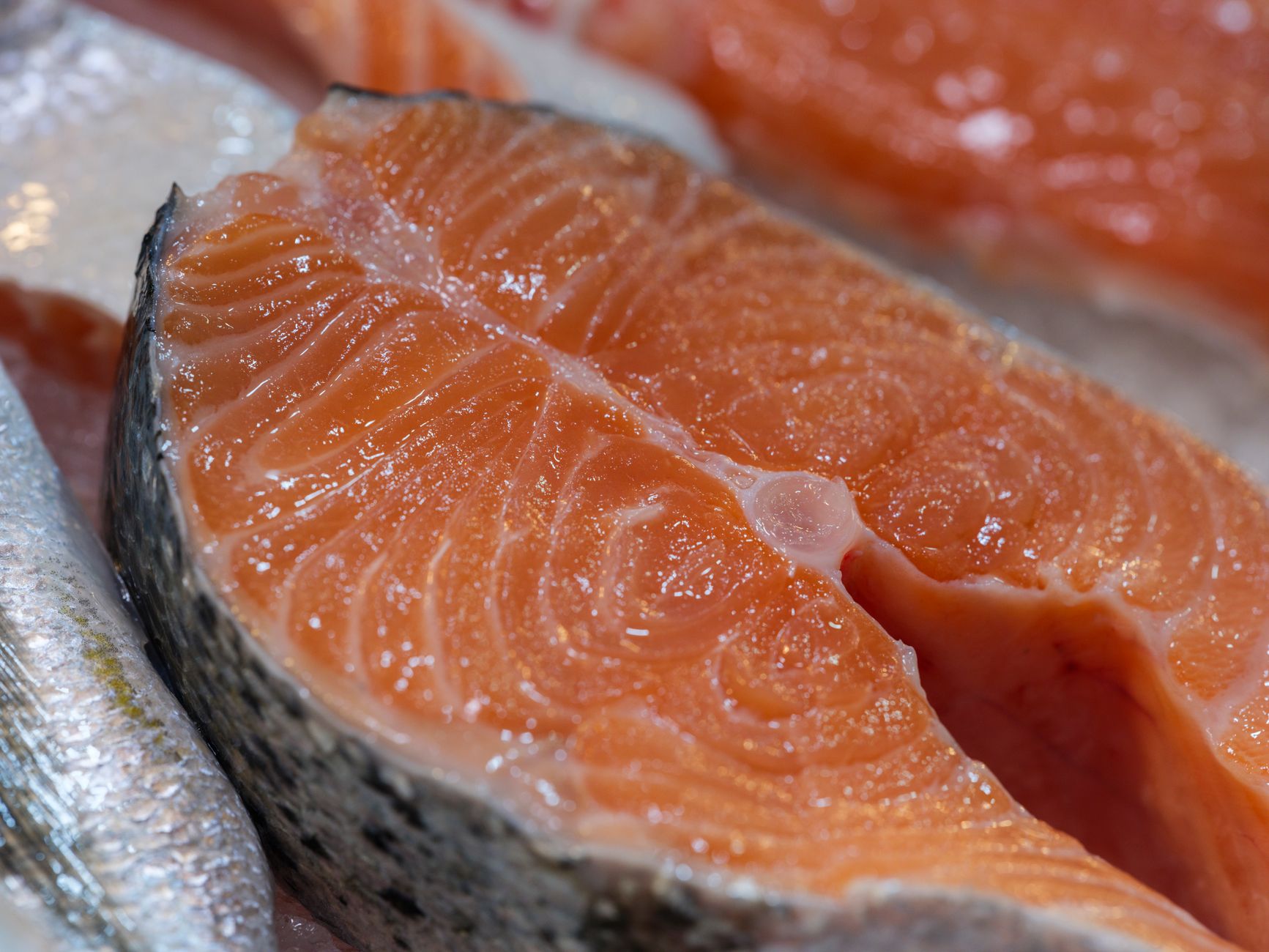
Salmon stands out for its abundance of omega-3 fatty acids, specifically EPA and DHA, which provide several health advantages.
- Excellent Source of Omega-3 Fatty Acids: Promotes healthy skin and coat, reduces inflammation, and supports cognitive function.
- High in Protein: Contributes to muscle development and maintenance.
- Rich in Vitamin D: Important for bone health and immune function.
- Good Source of B Vitamins: Supports various metabolic processes.
However, salmon can be more expensive than chicken and might pose a slightly higher risk of bacterial contamination if not properly handled. Also, some dogs might not enjoy the stronger flavor.
Benefits of Chicken for Dogs
Beyond its basic nutritional value, chicken offers specific advantages for dogs:
- Easily Digestible: Gentle on the stomach, making it suitable for dogs with sensitive digestion.
- Supports Muscle Mass: The high protein content aids in building and maintaining muscle.
- Widely Available in Formulations: Can be found in a variety of dog food formulas including puppy, adult and senior life stage diets.
- Versatile Cooking Options: Can be boiled, baked, or grilled (without added spices or oils).
Benefits of Salmon for Dogs
Salmon provides unique benefits, primarily due to its omega-3 fatty acid content:
- Promotes Healthy Skin and Coat: Reduces dryness, itchiness, and inflammation.
- Supports Joint Health: Omega-3s have anti-inflammatory properties that can alleviate joint pain and stiffness, particularly beneficial for senior dogs.
- Boosts Cognitive Function: DHA, a type of omega-3, is crucial for brain health and may improve cognitive performance, especially in puppies and older dogs.
- Enhances Immune System: Omega-3s can help regulate the immune system and reduce the risk of chronic diseases.
Comparing Chicken and Salmon: A Table
| Feature | Chicken | Salmon |
|---|---|---|
| Protein Content | High | High |
| Omega-3 Fatty Acids | Low | High |
| B Vitamins | Good Source | Good Source |
| Vitamin D | Low | High |
| Digestibility | Generally High | Generally High |
| Allergenicity | Moderately High | Low |
| Cost | Lower | Higher |
| Availability | Widely Available | Widely Available |
| Palatability | Generally Well-Accepted | Can be strong for some dogs |
Choosing the Right Protein: Considerations
The decision on “Is salmon or chicken better for dogs?” is ultimately based on individual factors:
- Allergies: If your dog has a known chicken allergy, salmon is a better choice. Consult with your vet about allergy testing if you suspect a food allergy.
- Health Conditions: Dogs with skin problems, joint issues, or cognitive decline may benefit from salmon’s omega-3 fatty acids.
- Life Stage: Puppies need high-quality protein and fats for growth, making salmon a potentially valuable addition. Senior dogs may benefit from the joint-supporting properties of salmon.
- Budget: Chicken is generally more affordable, making it a practical choice for some owners.
- Taste Preference: Some dogs simply prefer the taste of one over the other. Observe your dog’s reaction to both.
Common Mistakes When Choosing Protein Sources
- Ignoring Allergies: Failing to identify and avoid allergens can lead to health problems.
- Overfeeding: Providing too much protein can strain the kidneys, especially in older dogs.
- Neglecting Quality: Opting for low-quality chicken or salmon can negate the nutritional benefits. Choose reputable brands and ensure the ingredients are sourced responsibly.
- Adding Harmful Ingredients: Seasoning chicken or salmon with garlic, onions, or other toxic ingredients can be dangerous. Always offer plain, cooked protein.
- Relying Solely on One Protein Source: A rotational diet including a variety of protein sources is optimal for diverse nutrient intake and may reduce the risk of developing food sensitivities.
Integrating Salmon and Chicken into Your Dog’s Diet
Both chicken and salmon can be valuable components of a balanced diet. Consider the following strategies:
- Rotate Protein Sources: Alternate between chicken and salmon to provide a wider range of nutrients.
- Supplement with Salmon Oil: If your dog primarily eats chicken, adding salmon oil can boost their omega-3 intake.
- Choose High-Quality Commercial Food: Look for dog foods that list chicken or salmon as the primary protein source.
- Prepare Home-Cooked Meals: If you prefer to cook for your dog, ensure you follow a recipe formulated by a veterinary nutritionist to meet their specific nutritional needs.
Frequently Asked Questions (FAQs)
Can I feed my dog salmon every day?
Yes, you can feed your dog salmon every day, provided it’s part of a balanced diet and you’re not overfeeding them. Consult with your veterinarian to determine the appropriate portion size based on your dog’s size, age, and activity level.
Is raw salmon safe for dogs?
Feeding raw salmon can be risky due to the potential presence of parasites. Cooking salmon thoroughly eliminates this risk, making it a safer option.
Can chicken bones be dangerous for dogs?
Cooked chicken bones are brittle and can splinter, posing a choking hazard or causing internal damage. Raw chicken bones are generally considered safer as they are softer, but still carry a risk of bacterial contamination. Supervise your dog closely if you choose to give them raw bones.
How much salmon oil should I give my dog?
The appropriate dosage of salmon oil varies depending on the dog’s size and the concentration of EPA and DHA in the oil. Follow the manufacturer’s instructions or consult with your veterinarian for guidance.
Are there any risks associated with feeding my dog too much chicken?
Excessive protein intake can strain the kidneys. Also, overfeeding chicken can lead to weight gain, which can contribute to various health problems.
What are the signs of a chicken allergy in dogs?
Common signs of a chicken allergy include skin irritation, itching, ear infections, digestive upset (vomiting or diarrhea), and excessive gas.
Can I feed my puppy salmon?
Salmon is generally safe for puppies, and the omega-3 fatty acids can support their brain development. Introduce it gradually and in small amounts.
Is wild-caught salmon better than farmed salmon for dogs?
Wild-caught salmon tends to be lower in fat and higher in nutrients compared to farmed salmon. However, it can also be more expensive. Choose sustainably sourced salmon whenever possible.
Can I feed my dog salmon skin?
Salmon skin is safe for dogs and contains a high concentration of omega-3 fatty acids. Ensure it’s cooked thoroughly and free of any seasonings or oils.
How do I know if my dog is getting enough protein?
Signs of adequate protein intake include healthy muscle mass, a shiny coat, strong nails, and good energy levels.
Are chicken by-products harmful to dogs?
The quality of chicken by-products can vary. High-quality by-products can provide valuable nutrients, while low-quality by-products may be less digestible and nutritious. Look for dog foods that specify the types of by-products used.
Can I mix chicken and salmon in the same meal?
Yes, you can mix chicken and salmon in the same meal, as long as you’re mindful of portion sizes and your dog doesn’t have any known sensitivities to either protein.