

Is Rat Poison Poisonous to Squirrels? Understanding the Risks
Yes, rat poison is extremely poisonous to squirrels. The active ingredients in rodenticides are designed to kill mammals, and squirrels are highly susceptible to their effects, posing a serious threat to these creatures.

Understanding the Dangers of Rat Poison to Squirrels
The question “Is rat poison poisonous to squirrels?” is, unfortunately, easily answered with a resounding yes. Rat poisons, also known as rodenticides, are designed to kill rodents, but their toxic effects aren’t limited to rats and mice. Squirrels, being mammals with similar physiological systems, are equally vulnerable to the deadly consequences of these poisons. This article explores the specific risks rat poisons pose to squirrels and offers advice on how to protect them.
Is distilled water good for goldfish?
What colours are fish most attracted to?
Can you put your finger in a trout's mouth?
Is methylene blue anti bacterial?
Types of Rat Poison and Their Mechanisms of Action
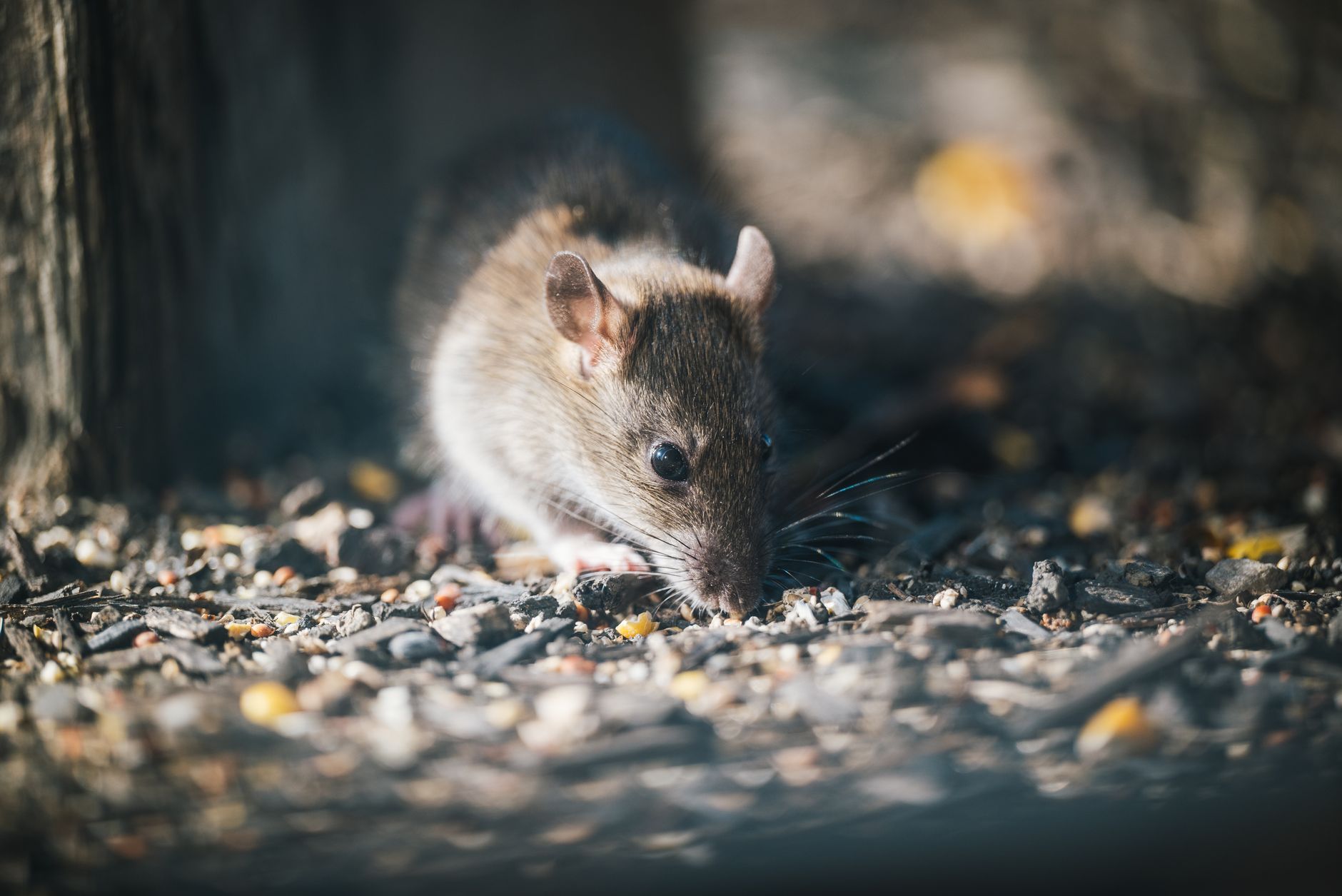
To understand the severity of the threat, it’s essential to know what’s in rat poison and how it works:
- Anticoagulants: These are the most common type of rat poison. They interfere with the body’s ability to produce vitamin K, which is essential for blood clotting. This leads to internal bleeding and, eventually, death. Examples include warfarin, bromadiolone, and difethialone.
- Bromethalin: This neurotoxin damages the central nervous system, causing paralysis, seizures, and death.
- Cholecalciferol (Vitamin D3): This type increases calcium levels in the blood, leading to organ damage and ultimately, death.
- Zinc Phosphide: When ingested, zinc phosphide reacts with stomach acid to produce phosphine gas, a highly toxic substance that damages multiple organs.
The danger to squirrels lies in their accidental ingestion of these poisons, either directly from bait stations or indirectly by consuming poisoned rodents.
The Impact on Squirrel Populations
The widespread use of rat poison can have devastating consequences for squirrel populations. Beyond the direct mortality of poisoned squirrels, there are cascading effects:
- Reduced Breeding Success: Poisoned squirrels may be unable to reproduce or care for their young.
- Ecosystem Imbalance: Squirrels play a vital role in seed dispersal and forest regeneration. Their decline can disrupt the natural ecosystem.
- Predator Risk: Predators, such as owls and hawks, can be exposed to poison if they consume poisoned squirrels. This is known as secondary poisoning.
Symptoms of Rat Poisoning in Squirrels
Recognizing the signs of rat poisoning in squirrels is crucial for seeking timely veterinary intervention (though unfortunately, treatment can be difficult and often unsuccessful). Symptoms can vary depending on the type of poison ingested, but common signs include:
- Lethargy and weakness
- Difficulty breathing
- Pale gums
- Bleeding from the nose or mouth
- Seizures
- Paralysis
- Bloody urine or feces
- Loss of appetite
If you observe any of these symptoms in a squirrel, contact a wildlife rehabilitator or veterinarian immediately.
Prevention: Protecting Squirrels from Rat Poison
Preventing exposure is the most effective way to protect squirrels. Here are some steps you can take:
- Avoid Using Rat Poison: Consider alternative, non-toxic methods for rodent control, such as trapping and habitat modification.
- Secure Trash Cans: Keep trash cans tightly sealed to prevent rodents (and squirrels) from accessing food sources.
- Clean Up Spilled Birdseed: Birdseed can attract rodents, so clean up any spilled seed regularly.
- Educate Your Neighbors: Encourage your neighbors to use humane rodent control methods.
- If Using Rat Poison, Use Bait Stations: If you must use rat poison, use tamper-resistant bait stations that are designed to prevent access by non-target animals. Place them in areas inaccessible to squirrels and other wildlife.
- Monitor Bait Stations: Regularly check bait stations and remove any spilled bait.
Alternative Rodent Control Methods
There are several humane and effective alternatives to rat poison:
- Trapping: Live traps can be used to capture rodents and relocate them to a more suitable environment (check local regulations regarding relocation). Snap traps are also an option, but they should be used with caution to avoid harming non-target animals.
- Habitat Modification: Eliminate food and water sources that attract rodents. Seal cracks and holes in buildings to prevent entry.
- Natural Predators: Encourage natural predators, such as owls and cats, to control rodent populations. However, be mindful of the risks that cats pose to other wildlife.
Frequently Asked Questions about Rat Poison and Squirrels
Can squirrels survive eating rat poison?
Unfortunately, the likelihood of a squirrel surviving after ingesting rat poison is very low. The severity depends on the type and amount of poison consumed. Prompt veterinary intervention might improve the chances, but the prognosis is often poor.
How long does it take for rat poison to kill a squirrel?
The time it takes for rat poison to kill a squirrel varies depending on the type of poison. Anticoagulant poisons can take several days to a week to cause death, while bromethalin and zinc phosphide can cause death within hours or days.
Are there any antidotes for rat poison?
Yes, there is an antidote for anticoagulant rodenticides: vitamin K1. However, it must be administered quickly and consistently by a veterinarian. There are no specific antidotes for bromethalin, cholecalciferol, or zinc phosphide poisoning, making treatment more challenging.
What should I do if I think a squirrel has eaten rat poison?
If you suspect a squirrel has ingested rat poison, immediately contact a wildlife rehabilitator or veterinarian. Time is of the essence. Provide them with information about the type of poison used, if known.
Is it safe to handle a dead squirrel that may have been poisoned?
It’s best to avoid direct contact with a dead squirrel, especially if you suspect poisoning. Use gloves or a shovel to dispose of the body in a sealed bag. Contact your local animal control or wildlife agency for guidance.
Can other animals be poisoned by eating a poisoned squirrel?
Yes, secondary poisoning is a serious concern. Predators like owls, hawks, and even pets can be poisoned if they consume a squirrel that has ingested rat poison. This highlights the widespread danger of using these toxins.
What are the long-term effects of rat poison on the environment?
Rat poisons can persist in the environment and contaminate soil and water. They can also accumulate in the food chain, affecting a wide range of wildlife species. The question “Is rat poison poisonous to squirrels?” is only the beginning; the broader implications are significant.
Are there any regulations regarding the use of rat poison?
Regulations regarding the use of rat poison vary depending on location. Some areas have restrictions on the types of poisons that can be used and require the use of tamper-resistant bait stations. It’s essential to check your local regulations before using rat poison.
Is it legal to intentionally poison squirrels?
Generally, it is illegal to intentionally poison squirrels in most jurisdictions. Squirrels are often protected by wildlife laws, and poisoning them can result in fines or other penalties.
What can I do to help protect squirrels in my neighborhood?
Educate your neighbors about the dangers of rat poison and encourage them to use humane rodent control methods. Create squirrel-friendly habitats by planting native trees and shrubs and providing water sources.
Are there any squirrel-specific poisons?
There are no poisons specifically designed for squirrels. However, because of their similar physiology to rodents, squirrels are susceptible to the same poisons used to kill rats and mice. This makes them unintended victims of rodent control efforts.
Is rat poison poisonous to squirrels even if they only eat a small amount?
Yes, even a small amount of rat poison can be lethal to squirrels, depending on the type and concentration of the poison. Squirrels are relatively small animals, making them more vulnerable to the toxic effects of these substances. The risks posed to them are considerable.