

Has a Lion Ever Defeated a Tiger? Fact vs. Fiction in the Animal Kingdom’s Ultimate Showdown
The question of “Has a lion ever defeated a tiger?” is complex; in controlled environments, such as staged fights in ancient times, tigers often prevailed. However, in the wild, direct conflicts are incredibly rare, making a definitive answer nearly impossible to determine, as outcomes largely depend on individual animal size, temperament, and circumstances.

The Allure of the Apex Predator: Lions vs. Tigers
The debate surrounding which apex predator – the lion or the tiger – is superior has raged for centuries. Fueled by folklore, historical accounts (often embellished), and sheer fascination with these magnificent creatures, the question of “Has a lion ever defeated a tiger?” continues to captivate the public imagination. While captivating, the reality of a lion-tiger showdown is far more nuanced than simple victories and defeats.
Is distilled water good for goldfish?
What colours are fish most attracted to?
Can you put your finger in a trout's mouth?
Is methylene blue anti bacterial?
Geographical Divide: The Rarity of Lion-Tiger Encounters
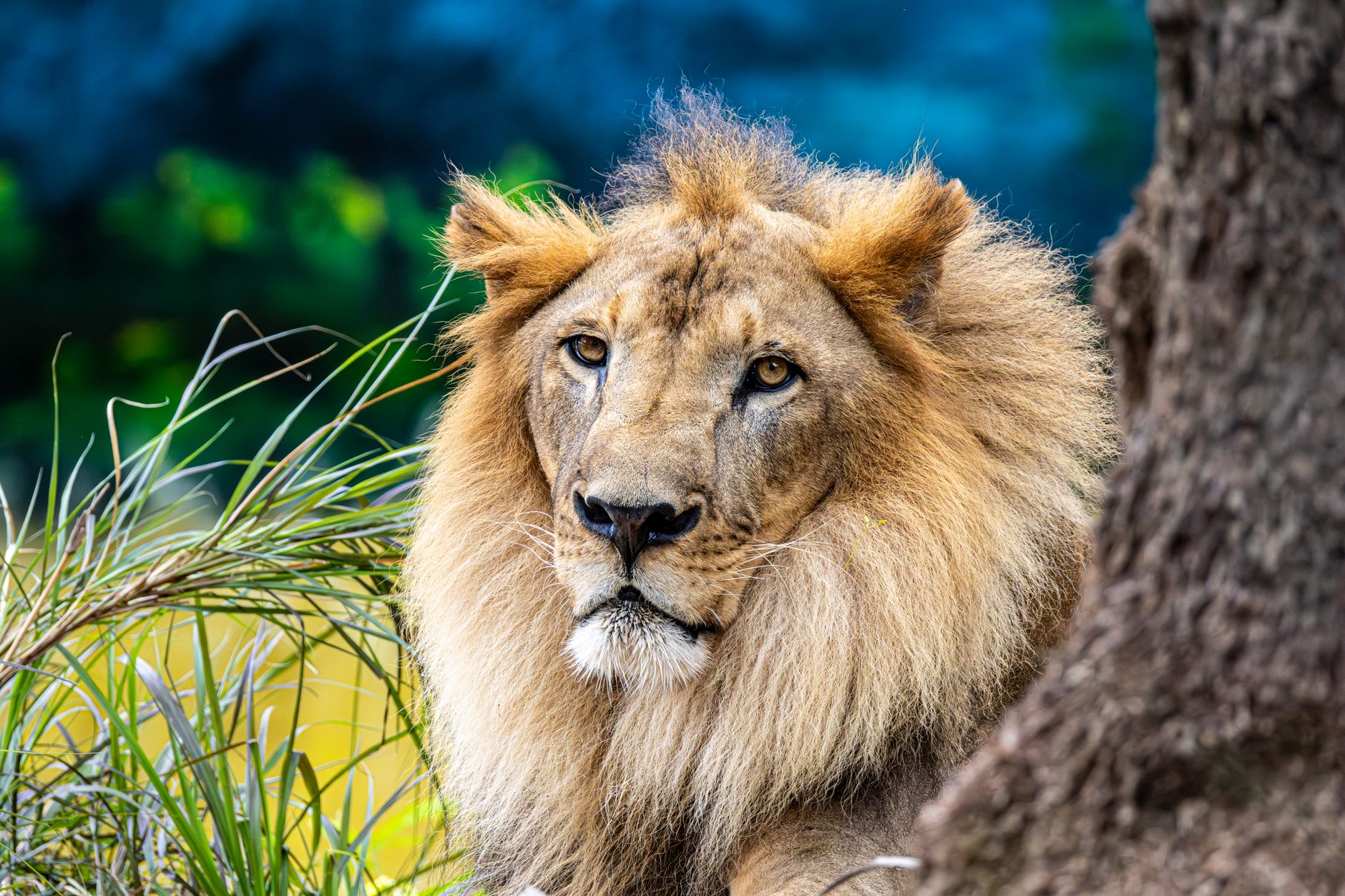
The primary reason a definitive answer to “Has a lion ever defeated a tiger?” remains elusive is simple: geography. Lions primarily inhabit Africa (with a small, endangered population in India’s Gir Forest), while tigers are predominantly found in Asia. This geographical separation significantly reduces the likelihood of naturally occurring confrontations. While both may have historically shared overlapping ranges in the past, these circumstances are now almost nonexistent.
A Clash of Styles: Contrasting Strengths and Weaknesses
Even if lions and tigers were to regularly cross paths, predicting the outcome of a fight is difficult due to their distinct hunting strategies and physical attributes. Here’s a breakdown of their key differences:
- Lions:
- Social Animals: Lions live in prides, offering strength in numbers when hunting and defending territory.
- Powerful Bite: Lions possess a powerful bite force, ideal for gripping and tearing.
- Stamina: Lions have good endurance for long pursuits and group hunts.
- Tigers:
- Solitary Hunters: Tigers are primarily solitary animals, relying on stealth and ambush tactics.
- Agility and Strength: Tigers are renowned for their agility, powerful musculature, and explosive bursts of speed.
- Claws and Teeth: Tigers possess incredibly sharp claws and teeth, perfect for delivering lethal blows.
A table summarizing these differences:
| Feature | Lion | Tiger |
|---|---|---|
| Social Structure | Pride (Social) | Solitary |
| Hunting Style | Group Hunting, Stamina | Ambush, Agility |
| Habitat | Africa, Gir Forest (India) | Asia |
| Primary Strength | Group Coordination, Bite | Agility, Striking Power |
| Typical Prey Size | Large Ungulates (e.g., Zebra) | Deer, Wild Boar, Ungulates |
The Ancient Roman Games: A Skewed Perspective
Historical accounts of lions and tigers clashing often stem from the arena spectacles of ancient Rome. These events, designed for entertainment, are far from reliable indicators of natural predator-prey dynamics. Animals were often starved, drugged, or otherwise manipulated to create a more dramatic spectacle. The outcomes of these staged fights offer little insight into the real-world question of “Has a lion ever defeated a tiger?“. The circumstances were entirely artificial.
Size, Weight and Individual Variation
It’s crucial to remember that generalizations about lions and tigers can be misleading. Individual animals can vary significantly in size, weight, strength, and temperament. A particularly large and aggressive tiger might easily defeat a smaller, less experienced lion, and vice versa. Size plays a crucial role.
The Indian Exception: Shared Territory and Potential Conflict
The only place where lions and tigers potentially overlap in the wild is in India, although the Asiatic lion is restricted to the Gir Forest, and this is not typical tiger habitat. Even here, encounters are rare. The few interactions that might occur are likely driven by territorial disputes or competition for resources, and the outcomes would likely be determined by the factors mentioned earlier: size, individual aggression, and circumstance.
Conclusion: The Elusive Answer
Ultimately, the question of “Has a lion ever defeated a tiger?” lacks a definitive, straightforward answer. The geographical separation of these apex predators, coupled with the rarity of documented wild encounters, makes drawing firm conclusions impossible. While staged fights may have offered a glimpse into potential outcomes, they provide little insight into the complexities of natural predator-prey interactions.
Frequently Asked Questions (FAQs)
Why is this question so popular?
The question of “Has a lion ever defeated a tiger?” is popular because it taps into our primal fascination with nature’s most powerful predators. The debate is fueled by the allure of a hypothetical showdown between two iconic species, sparking imagination and passionate opinions. It’s a simple, yet intriguing question with no easy answer.
What is the largest recorded size for a lion and a tiger?
The Siberian tiger is generally considered the largest cat species, with males reaching over 10 feet in length and weighing over 660 pounds. African lions can reach lengths of around 10 feet and weigh up to 550 pounds. These are just averages, and individual animals may exceed these measurements.
Do lions and tigers have similar hunting techniques?
While both are apex predators, their hunting techniques differ. Lions, being social animals, typically hunt in groups, using coordination and stamina to bring down large prey. Tigers, as solitary hunters, rely on stealth, ambush tactics, and powerful bursts of speed.
Are there any hybrids between lions and tigers?
Yes, ligers (lion father, tiger mother) and tigons (tiger father, lion mother) can exist in captivity. Ligers tend to grow larger than either parent species, while tigons are usually smaller. These hybrids are rare and don’t occur in the wild due to the geographical separation of lions and tigers.
Which animal has a stronger bite force?
Lions generally have a stronger bite force, measuring around 650 PSI (pounds per square inch). While the bite force of tigers is also substantial, it is typically slightly lower, averaging around 1,050 PSI, although figures vary depending on measurement methods.
Which animal is considered more intelligent?
Determining intelligence in animals is complex. Some studies suggest lions exhibit greater social intelligence due to their complex social structures. However, tigers demonstrate remarkable problem-solving skills and adaptability in their solitary hunting strategies.
What would happen if lions and tigers were placed in the same habitat?
If lions and tigers were forced to share the same habitat, they would likely compete for resources, potentially leading to conflicts. The specific outcome would depend on various factors, including population densities, prey availability, and the individual temperaments of the animals involved.
Have there been any documented cases of lions and tigers fighting in the wild?
There are no credible, scientifically verified reports of lions and tigers fighting in the wild. Their geographical separation makes such encounters extremely rare, bordering on impossible.
Which animal is more likely to survive a serious injury?
The ability to survive a serious injury depends on the nature of the injury, the availability of resources, and the individual animal’s resilience. Both lions and tigers are capable of surviving significant injuries, but survival rates would vary considerably based on the specific circumstances.
Are there any cultural stories or legends about lions and tigers fighting?
Yes, many cultural stories and legends depict lions and tigers as rivals, symbolizing strength and dominance. These narratives often exaggerate the animals’ capabilities and are not based on factual events.
What is the best way to protect both lion and tiger populations?
The best way to protect both lion and tiger populations is to focus on habitat conservation, anti-poaching efforts, and community engagement. Addressing human-wildlife conflict and promoting sustainable development are crucial for the long-term survival of both species.
Why is the question of “Has a lion ever defeated a tiger?” even relevant to conservation efforts?
While the specific question is more about curiosity than conservation, it indirectly relates to broader conservation efforts. Raising awareness about these apex predators, even through a hypothetical question, can generate public interest and support for protecting their habitats and ensuring their long-term survival.