

Is Prawn Halal in Islam? A Comprehensive Guide
The issue of whether prawn is halal in Islam is a topic of ongoing discussion among scholars. While a definitive consensus remains elusive, the majority opinion considers prawns halal.

Understanding Halal Food in Islam
The concept of halal in Islam refers to what is permissible according to Islamic law, as outlined in the Quran and the Sunnah (teachings and practices of Prophet Muhammad, peace be upon him). When applied to food, halal encompasses not only the type of food but also its sourcing, preparation, and handling. The opposite of halal is haram, which means forbidden. Common examples of haram food include pork, alcohol, and improperly slaughtered animals. The determination of whether a particular food is halal or haram relies heavily on interpretation of religious texts and the application of Islamic jurisprudence.

What colours are fish most attracted to?
Can you put your finger in a trout's mouth?
Is methylene blue anti bacterial?
Does aquarium salt raise pH in aquarium?
The Halal Status of Seafood
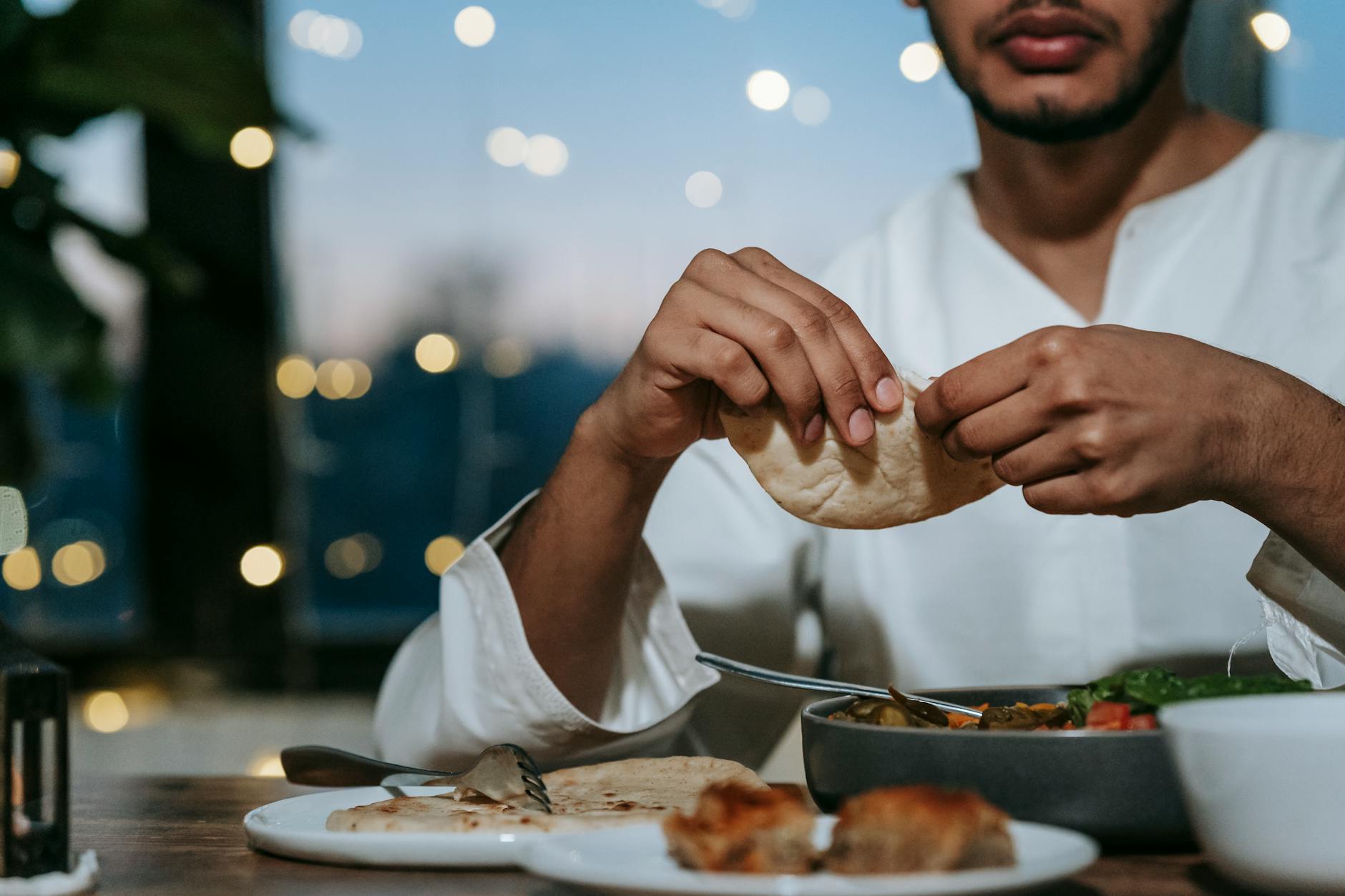
Generally, the Islamic perspective on seafood is more lenient than on land animals. Most Islamic schools of thought agree that all types of fish (samak) are halal. However, the classification of other aquatic creatures, such as shellfish and crustaceans, can vary depending on the madhhab (school of thought) and the specific interpretation of religious texts. This discrepancy is where the debate surrounding whether prawn is halal in Islam stems from.
Different Schools of Thought and Prawns
Different Islamic schools of thought offer varying perspectives on the halal status of prawns:
- Hanafi School: This school of thought generally permits only fish as halal among aquatic creatures. Some Hanafi scholars interpret “fish” narrowly, excluding prawns, shrimp, and other crustaceans. However, a significant minority within the Hanafi school allows prawns, considering them a type of fish.
- Shafi’i, Maliki, and Hanbali Schools: These schools of thought are more liberal in their interpretation. They generally consider all types of seafood, including prawns, shrimp, crabs, and lobsters, to be halal. This is because they view all creatures living solely in water as permissible for consumption, unless specifically prohibited by other Islamic texts.
Arguments in Favor of Prawns Being Halal
The arguments supporting the permissibility of prawns often center on the following points:
- General Permissibility of Seafood: Verses in the Quran explicitly permit the consumption of seafood. Surah Al-Ma’idah (5:96) states: “Lawful to you is (the pursuit of) water-game and its use for food – a provision for yourselves and for the travelers…” This verse is interpreted by many scholars to encompass all creatures living in the sea.
- Classification as a Type of Fish: Some scholars argue that prawns can be classified as a type of fish, or at least as falling within the general category of seafood permitted by the Quran. Although biologically prawns are crustaceans, the argument rests on a broader, less scientific classification.
- Lack of Specific Prohibition: There is no explicit prohibition against prawns in the Quran or Sunnah. Proponents of halal prawns argue that if Allah intended to forbid them, He would have clearly stated so.
Arguments Against Prawns Being Halal
Those who argue against the permissibility of prawns typically base their position on the following:
- Narrow Definition of “Fish”: As mentioned previously, some scholars, especially within the Hanafi school, adhere to a stricter definition of “fish,” excluding crustaceans and shellfish.
- Consideration of “Unpleasant” Creatures: Some argue that certain aquatic creatures are considered undesirable or unpleasant to eat, and therefore should be avoided. This argument is subjective, as cultural preferences regarding food vary greatly.
- Potential for Contamination: Concerns about contamination of seafood with pollutants and toxins can also influence opinions, although this is more related to hygiene and safety than to the inherent halal status of the prawn itself.
Conclusion: Is Prawn Halal in Islam?
So, is prawn halal in Islam? While definitive consensus is difficult to achieve across all schools of thought, the prevalent opinion, especially among Shafi’i, Maliki, and Hanbali scholars, is that prawns are indeed halal. The allowance is often based on the general permissibility of seafood and the absence of specific prohibitions against consuming prawns in the Quran or Sunnah. However, those following the Hanafi school of thought may find differing opinions amongst their scholars.
Considerations for Consumers
Ultimately, Muslims must make their own informed decisions regarding the halal status of prawns, based on their personal beliefs, the guidance of their chosen scholars, and their own level of conviction. It is advisable to consult with knowledgeable religious authorities if one has any doubts.
- Seek Advice: Consult with trusted scholars for guidance on the matter.
- Consider School of Thought: Be aware of the differing opinions among various Islamic schools of thought.
- Personal Conviction: Follow your own conscience and personal conviction based on your understanding of Islamic teachings.
Frequently Asked Questions (FAQs)
Is it true that only Hanafi Muslims disagree with prawns being halal?
While the Hanafi school often presents a more conservative view on the permissibility of prawns, it’s not accurate to say that all Hanafi Muslims disagree. There’s a range of interpretations within the Hanafi school, with some scholars allowing prawns based on a broader understanding of what constitutes “fish” or permissible seafood.
What if I feel uncertain about whether prawn is halal?
If you have doubts about the halal status of prawns, it is best to err on the side of caution and avoid consuming them. This is based on the Islamic principle of avoiding doubtful matters to safeguard one’s faith and devotion. Consult with a trusted religious authority for personalized guidance.
Does the method of catching or farming prawns affect its halal status?
The method of catching or farming prawns itself doesn’t inherently affect its halal status provided the prawns are considered halal in the first place. However, factors like humane treatment of the animals during farming and the absence of haram ingredients in their feed could be considerations for some.
Are all types of prawns considered the same in terms of their halal status?
Generally, the halal status of different types of prawns is considered uniform. There isn’t a common distinction made between species when determining permissibility. The main debate centers on whether prawns, as a general category, fall within the permissible scope of seafood.
Can I eat prawns if they are cooked with non-halal ingredients?
If prawns are cooked with ingredients that are considered haram, such as alcohol or pork products, then the dish as a whole becomes non-halal, even if the prawns themselves were initially considered permissible.
Is it permissible to eat prawns in a non-Muslim country where halal options are limited?
In situations where halal options are scarce, some scholars permit consuming food that is normally considered doubtful or even impermissible, provided it is necessary to sustain oneself. However, one should always strive to find halal alternatives whenever possible. The principle of necessity (darurah) is applied cautiously.
Does the packaging or labeling of prawn products matter when determining if they are halal?
Halal certification and labeling can provide assurance that the prawn product has been prepared according to halal standards, including sourcing, processing, and packaging. However, certification isn’t mandatory, and Muslims can rely on their own knowledge and judgment to determine permissibility.
Is prawn farming considered ethical according to Islamic principles?
Islamic principles emphasize the ethical treatment of animals. Therefore, prawn farming practices should adhere to standards that ensure the well-being of the prawns and minimize any unnecessary suffering. Sustainability and environmental impact are also relevant ethical considerations.
What is the Islamic perspective on eating other shellfish, such as crabs and lobsters?
The Islamic perspective on other shellfish, such as crabs and lobsters, largely mirrors the debate surrounding prawns. The Shafi’i, Maliki, and Hanbali schools of thought generally permit them, while the Hanafi school tends to be more restrictive, depending on individual scholar interpretations.
If a Muslim is unsure about a restaurant’s halal status, is it permissible to order prawn dishes?
If there’s uncertainty about a restaurant’s adherence to halal standards, it’s best to inquire about the ingredients and preparation methods used in the prawn dishes. If definitive assurance cannot be obtained, it’s preferable to choose alternative halal-certified options or to avoid the restaurant altogether.
Does the size or shape of a prawn influence its halal status?
The size or shape of a prawn is irrelevant to its halal status. The determining factor is whether prawns, in general, are considered permissible based on Islamic texts and scholarly interpretations.
How does cultural tradition influence the consumption of prawns among Muslims?
Cultural traditions can play a significant role. In regions where prawns are a staple food, it’s more likely that the local Muslim community will accept them as halal. Conversely, in areas where prawns are less common, there might be greater scrutiny and debate regarding their permissibility. However, religious rulings should ultimately guide dietary choices.