

Is Piebald Half Albino? Understanding Piebaldism and Albinism
No, piebaldism is not half albinism. Piebaldism is a distinct genetic condition that causes patches of skin and hair to lack pigment, whereas albinism results in a complete or near-complete lack of melanin throughout the body.
Introduction: Unraveling the Mysteries of Pigmentation
The world of genetics and pigmentation is often complex, leading to common misconceptions. One persistent question revolves around the relationship between piebaldism and albinism. Both conditions affect pigmentation, but they arise from entirely different genetic mechanisms and result in strikingly different phenotypes. Understanding the nuances between these conditions is crucial for dispelling myths and appreciating the diversity of genetic expression. The question “Is piebald half albino?” is a common one, and this article aims to provide a comprehensive answer.

What colours are fish most attracted to?
Can you put your finger in a trout's mouth?
Is methylene blue anti bacterial?
Does aquarium salt raise pH in aquarium?
Albinism: A Complete or Near-Complete Lack of Melanin

Albinism is characterized by a complete or near-complete absence of melanin, the pigment responsible for color in the skin, hair, and eyes. This lack of melanin stems from genetic mutations affecting the production or distribution of melanin within melanocytes, the pigment-producing cells. Several different genes can be involved, resulting in various types of albinism, each with its own specific characteristics and inheritance patterns.
Piebaldism: Localized Pigmentation Deficiencies
Unlike albinism, piebaldism involves a localized absence of melanocytes in specific areas of the skin and hair. This results in distinct patches of unpigmented skin and hair, often present from birth. The most common cause of piebaldism is a mutation in the KIT gene, which plays a crucial role in the development and migration of melanocytes during embryonic development. Because melanocytes fail to reach certain areas, those areas lack pigmentation.
The Genetic Basis of Albinism vs. Piebaldism
The fundamental difference between albinism and piebaldism lies in their genetic origins.
- Albinism: Mutations in genes involved in melanin production or distribution (e.g., TYR, OCA2, TYRP1). These genes are directly involved in the biochemical pathway that synthesizes melanin.
- Piebaldism: Mutation primarily in the KIT gene, which affects the migration and survival of melanocytes. The melanocytes themselves are capable of producing melanin; they simply do not reach certain areas of the body.
This difference in genetic cause is the primary reason why the answer to the question, “Is piebald half albino?“, is a resounding no.
Comparing Albinism and Piebaldism: A Detailed Breakdown
To further clarify the distinction, consider the following table:
| Feature | Albinism | Piebaldism |
|---|---|---|
| Melanin Production | Significantly reduced or absent | Normal in pigmented areas |
| Affected Areas | Skin, hair, eyes (systemic) | Localized patches of skin and hair |
| Genetic Cause | Genes involved in melanin synthesis | KIT gene mutation affecting melanocyte migration |
| Onset | Present from birth | Present from birth |
| Associated Issues | Vision problems, increased skin cancer risk | Generally no other health problems associated |
Common Misconceptions and Clarifications
One of the most common misconceptions is that piebaldism is a milder form of albinism. This is inaccurate. While both conditions affect pigmentation, they do so through entirely different mechanisms. Another misconception is that individuals with piebaldism are more susceptible to skin cancer throughout their entire bodies, like those with albinism. However, only the piebald patches are at increased risk, as they lack melanin protection.
Frequently Asked Questions (FAQs)
What are the specific symptoms of piebaldism?
The hallmark symptom of piebaldism is the presence of distinct, depigmented patches of skin and hair, usually present from birth. These patches often appear on the forehead, scalp, chest, abdomen, and limbs. A characteristic “white forelock” is frequently observed, where a streak of white hair grows directly from the forehead.
Can piebaldism be treated?
Currently, there is no cure for piebaldism. Treatment options primarily focus on managing the appearance of the depigmented patches. These options include camouflage makeup, skin grafts, and melanocyte transplantation. The success of these treatments varies depending on the individual and the extent of the depigmented areas.
Is piebaldism inherited?
Yes, piebaldism is generally inherited in an autosomal dominant pattern. This means that only one copy of the mutated KIT gene is needed for an individual to exhibit the condition. If one parent has piebaldism, there is a 50% chance that their child will inherit the condition.
Does piebaldism affect any other organs or systems besides the skin and hair?
Generally, piebaldism primarily affects the skin and hair. Unlike some forms of albinism, it is not typically associated with other health problems or organ system involvement. Individuals with piebaldism generally have normal vision and overall health.
Are there different types of piebaldism?
While the KIT gene is the most commonly associated with piebaldism, mutations in other genes involved in melanocyte development and migration can also cause similar phenotypes. Therefore, some researchers might categorize based on underlying genetic cause, but the clinical presentation is largely consistent.
Is piebaldism the same as vitiligo?
No, piebaldism is not the same as vitiligo. Vitiligo is an acquired condition in which melanocytes are destroyed, leading to depigmented patches that can appear at any age. In contrast, piebaldism is a congenital condition present from birth, resulting from a genetic defect in melanocyte migration.
How is piebaldism diagnosed?
Piebaldism is typically diagnosed based on clinical examination. The characteristic pattern of depigmented patches present from birth is usually sufficient for diagnosis. Genetic testing can confirm the presence of a mutation in the KIT gene or other relevant genes, but it is often not necessary for diagnosis.
What is the prognosis for individuals with piebaldism?
The prognosis for individuals with piebaldism is generally excellent. The condition primarily affects appearance and does not usually impact overall health or lifespan. While the depigmented patches are more susceptible to sunburn and skin cancer, proper sun protection can mitigate these risks.
Is there genetic counseling available for families with piebaldism?
Yes, genetic counseling is available for families with piebaldism. Genetic counselors can provide information about the inheritance pattern of the condition, the risk of having a child with piebaldism, and the availability of genetic testing.
Can animals also have piebaldism?
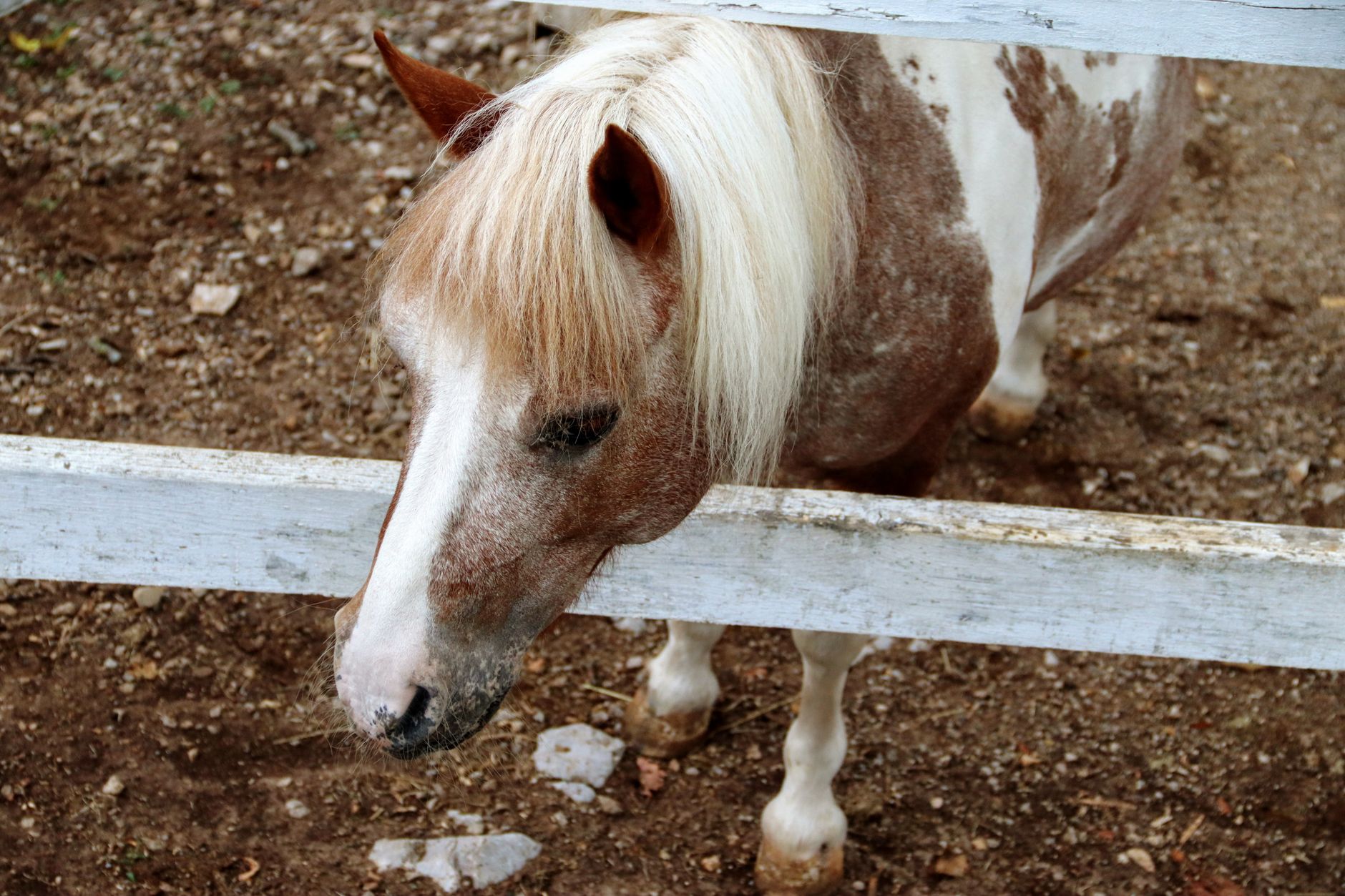
Yes, piebaldism can occur in various animal species, including horses, dogs, cats, and cattle. The genetic basis of piebaldism in animals is similar to that in humans, often involving mutations in the KIT gene or related genes.
Does the size or location of piebald patches change over time?
The size and location of piebald patches generally remain stable throughout life. Unlike conditions like vitiligo, where depigmentation can spread, the patches in piebaldism are typically fixed from birth.
How can I distinguish between piebaldism and other hypopigmentation disorders?
Differentiating piebaldism from other hypopigmentation disorders requires careful clinical assessment. Key features that distinguish piebaldism include:
- Congenital onset (present from birth)
- Stable patch size and location
- Characteristic distribution (e.g., forehead, chest, abdomen)
- Frequently a white forelock
Other conditions, such as vitiligo or post-inflammatory hypopigmentation, typically have different onset patterns and distributions. Genetic testing can be helpful in confirming a diagnosis of piebaldism, particularly if the clinical presentation is atypical.
In conclusion, the answer to “Is piebald half albino?” is definitely no. These are distinct genetic conditions with separate causes and symptoms.