

Is Overcooked Fish Edible? The Definitive Guide
Yes, overcooked fish is technically edible, but its quality is significantly diminished. While it won’t usually make you sick, the texture will be dry, tough, and flavorless, making for a far less enjoyable culinary experience.

The Science Behind Overcooked Fish
Understanding why fish becomes unpalatable when overcooked involves grasping the delicate protein structure inherent in seafood. Unlike red meat, which benefits from certain levels of Maillard reaction and connective tissue breakdown at higher temperatures, fish proteins are far more sensitive to heat. This sensitivity dictates the optimal cooking techniques and internal temperatures required to achieve a perfectly cooked, moist, and flavorful result.

Are fish heads good for the garden?
Can fish hear water?
What is cotton rot in fish?
What colours are fish most attracted to?
What Happens When Fish Overcooks?
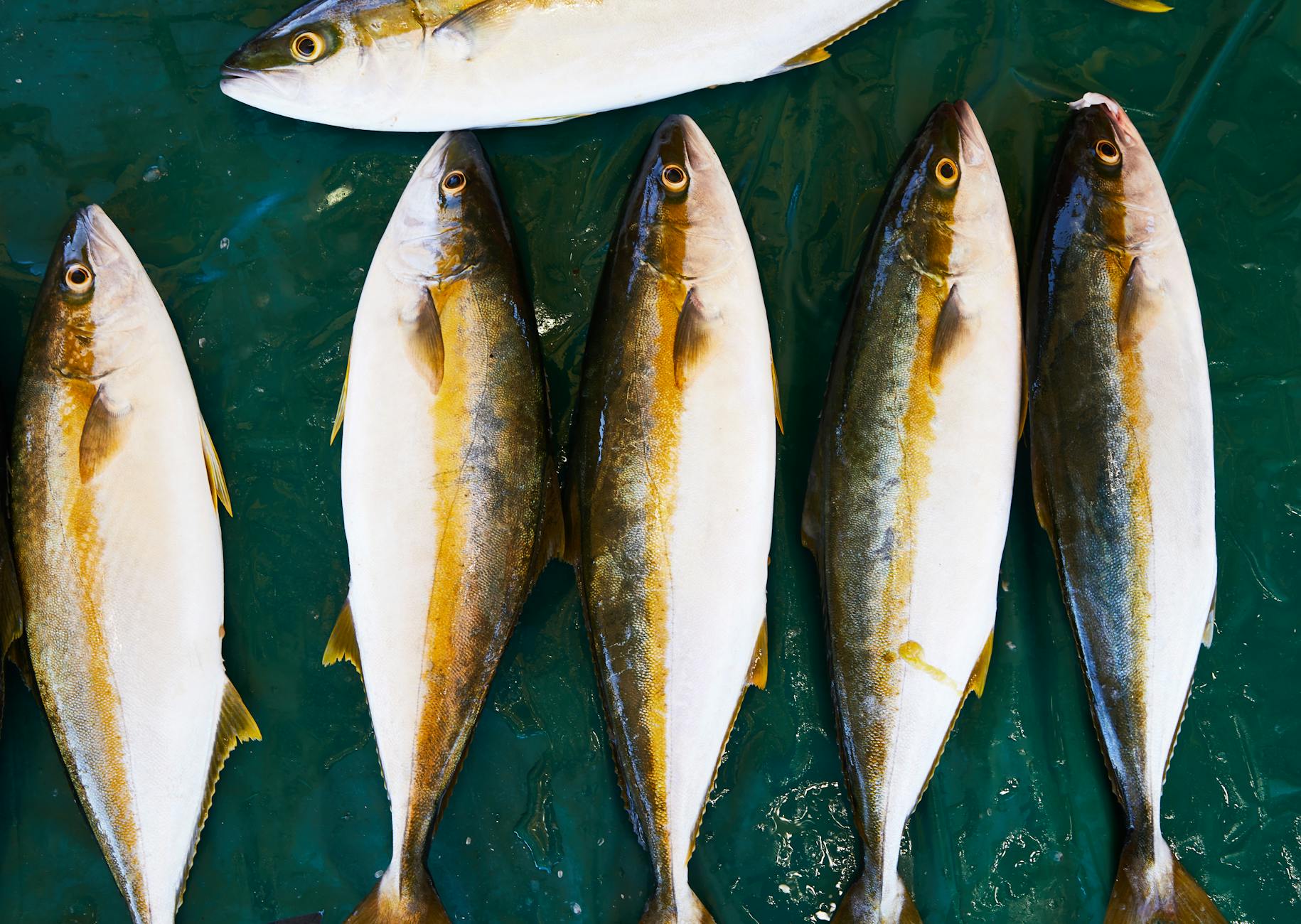
The primary change that occurs when fish is overcooked is the denaturation of its proteins. This process causes the muscle fibers to contract, expelling moisture and creating a dry, rubbery texture. The fat within the fish, which contributes significantly to its flavor and moisture, can also render out during overcooking, further exacerbating the dryness. Furthermore, the collagen, which holds the muscle fibers together, shrinks and hardens, leading to a tough and chewy consistency.
Identifying Overcooked Fish
Being able to identify overcooked fish is crucial to avoiding a disappointing meal. Here are a few key indicators:
- Appearance: The fish might look opaque and dry, with a stringy or flaky appearance. Sometimes, the edges can appear charred or overly browned.
- Texture: Overcooked fish will be firm and rubbery when touched. It will lack the delicate flakiness that is characteristic of properly cooked fish.
- Taste: The flavor will be bland and dry, lacking the richness and succulence of perfectly cooked fish. It may even taste slightly burnt.
Different Types of Fish, Different Risks
The susceptibility of fish to overcooking varies depending on the species. Fattier fish, such as salmon and tuna, are generally more forgiving because their higher fat content helps to retain moisture. Leaner fish, like cod and haddock, dry out more quickly and require more careful attention during cooking.
| Fish Type | Fat Content | Susceptibility to Overcooking |
|---|---|---|
| Salmon | High | Less Susceptible |
| Tuna | High | Less Susceptible |
| Cod | Low | More Susceptible |
| Haddock | Low | More Susceptible |
| Halibut | Medium | Moderate Susceptibility |
Tips for Preventing Overcooked Fish
Preventing overcooked fish is the key to enjoying perfectly cooked seafood. Here are some practical tips to help you avoid this common culinary pitfall:
- Use a Thermometer: Invest in a reliable digital thermometer and use it to monitor the internal temperature of the fish. The target internal temperature for most fish is between 140°F and 145°F (60°C and 63°C).
- Choose the Right Cooking Method: Different cooking methods are better suited for different types of fish. Poaching, steaming, and baking at lower temperatures are generally gentler and less likely to result in overcooked fish.
- Don’t Overcrowd the Pan: When pan-frying or sautéing fish, avoid overcrowding the pan. Overcrowding lowers the temperature of the cooking surface and can lead to uneven cooking and overcooking.
- Consider Carryover Cooking: Remember that fish will continue to cook even after it is removed from the heat. Take it off the heat source a few degrees before it reaches the target internal temperature to account for carryover cooking.
- Rest the Fish: Allow the fish to rest for a few minutes after cooking. This allows the juices to redistribute, resulting in a more moist and flavorful final product.
- Use the 10-Minute Rule: Measure your fish at its thickest point. Cook for 10 minutes per inch of thickness. Flip halfway through if pan frying.
Can You Salvage Overcooked Fish?
While you can’t reverse the effects of overcooking, there are ways to salvage the situation. Consider repurposing the fish in dishes where the dry texture will be less noticeable, such as:
- Fish Cakes: Flake the overcooked fish and mix it with potatoes, breadcrumbs, and seasonings to create delicious fish cakes.
- Fish Salad: Incorporate the fish into a salad with mayonnaise, celery, and other ingredients.
- Fish Tacos: Shred the fish and use it as a filling for tacos with salsa, guacamole, and other toppings.
- Fish Chowder: Break up the fish into smaller pieces and incorporate it into a creamy chowder.
Frequently Asked Questions About Overcooked Fish
What happens if I eat overcooked fish?
Eating overcooked fish won’t make you sick in most cases. The primary consequence is a loss of flavor and a dry, unpleasant texture. However, if the fish was improperly stored or handled prior to cooking, there is a risk of bacterial contamination regardless of whether it’s overcooked or not.
Can you get food poisoning from overcooked fish?
Food poisoning is typically caused by bacteria or toxins that are already present in the fish before it is cooked, not by the act of overcooking itself. If the fish was improperly stored or handled, the risk of food poisoning remains even if it is overcooked.
Does overcooked fish lose its nutritional value?
While some vitamins, like B vitamins, are heat-sensitive and may be slightly reduced during overcooking, the overall nutritional value of the fish remains largely intact. The protein content, omega-3 fatty acids, and minerals are generally unaffected.
How do I know if my fish is cooked enough but not overcooked?
The best way to ensure your fish is cooked perfectly is to use a digital thermometer. Insert the thermometer into the thickest part of the fish and cook until it reaches an internal temperature of 140°F to 145°F (60°C to 63°C). You can also check for flakiness; properly cooked fish should flake easily with a fork.
Is it better to undercook or overcook fish?
It’s generally better to slightly undercook fish than to overcook it. Undercooked fish can be brought back up to temperature, while overcooked fish is permanently dry and tough. However, ensure the internal temperature reaches at least 140°F (60°C) to kill any potential bacteria.
What cooking methods are least likely to overcook fish?
Poaching, steaming, and baking at lower temperatures are generally the least likely cooking methods to result in overcooked fish. These methods cook the fish gently and evenly, minimizing the risk of drying it out.
Why is my fish rubbery?
Rubbery fish is a classic sign of overcooking. The high heat causes the proteins in the fish to contract and expel moisture, resulting in a tough, rubbery texture.
Can I reheat overcooked fish?
Reheating overcooked fish will only make it drier and tougher. It’s best to avoid reheating it altogether. If you must reheat it, do so gently and with added moisture, such as a sauce or broth.
What’s the best internal temperature for cooking salmon?
The ideal internal temperature for salmon is between 125°F and 140°F (52°C and 60°C), depending on your preference. For a more medium-rare salmon, aim for 125°F; for a more well-done salmon, aim for 140°F.
How can I tell if my fish is done without a thermometer?
If you don’t have a thermometer, you can check for doneness by gently inserting a fork into the thickest part of the fish and twisting. If the fish flakes easily, it is likely done. Another visual clue is that the fish will transition from translucent to opaque as it cooks.
Does marinating fish prevent it from overcooking?
Marinating fish can help to retain moisture and prevent it from drying out during cooking. Acidic marinades, such as those containing lemon juice or vinegar, can also help to tenderize the fish. However, marinating does not guarantee that the fish won’t overcook.
What are some good sauces to serve with overcooked fish?
If you’ve accidentally overcooked your fish, serving it with a flavorful sauce can help to mask the dryness. Some good options include:
- Lemon butter sauce
- Tartar sauce
- Creamy dill sauce
- Mango salsa
- Hollandaise sauce