
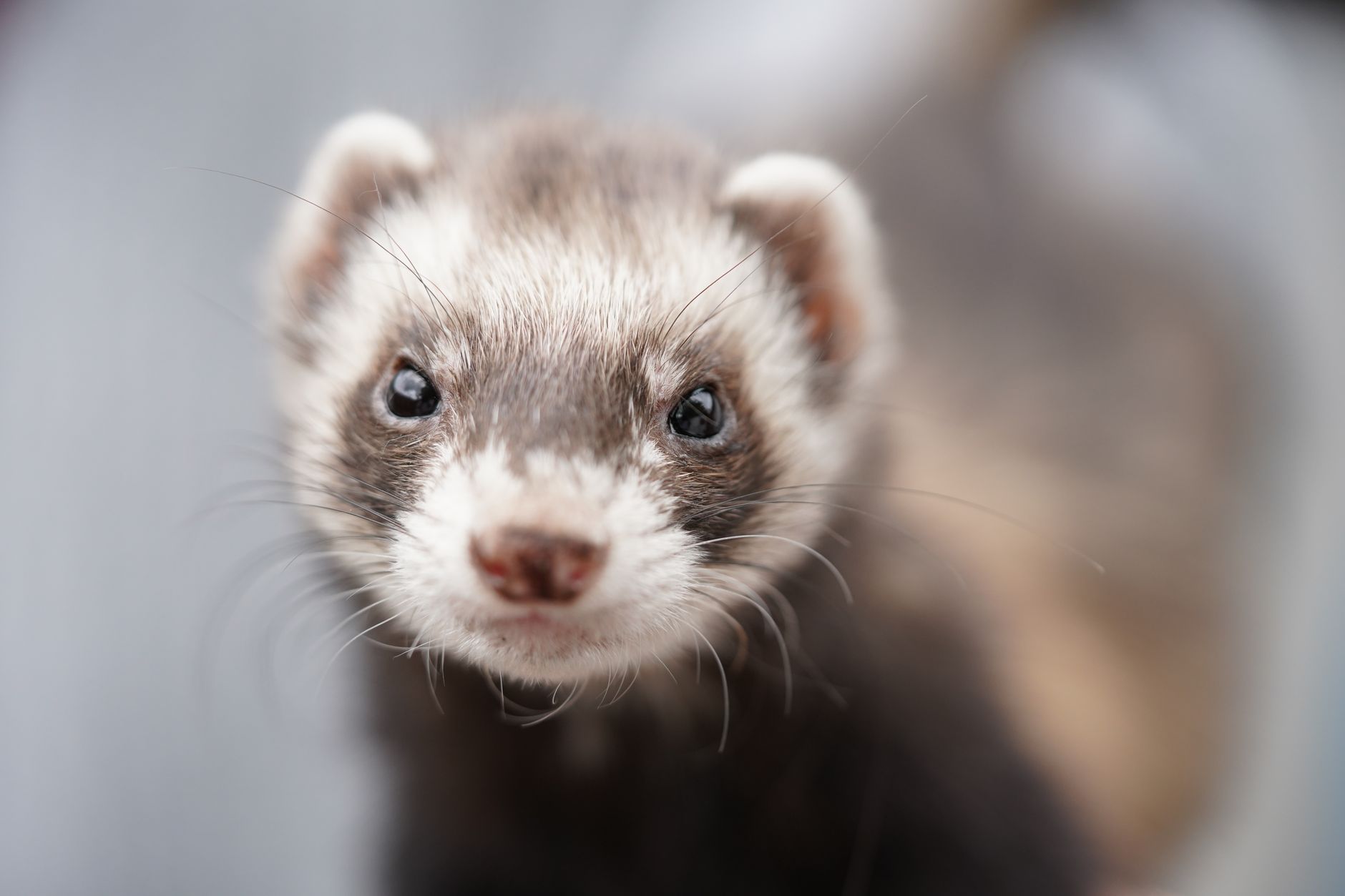
Is My Ferret Making Me Sick?: A Comprehensive Guide
While the bond with a ferret is strong, potential health risks exist. This article explores the zoonotic diseases ferrets can transmit and provides guidance on minimizing the risk of getting sick from your furry friend, answering the crucial question: Is my ferret making me sick?
Introduction: The Ferret-Human Connection and Potential Health Concerns
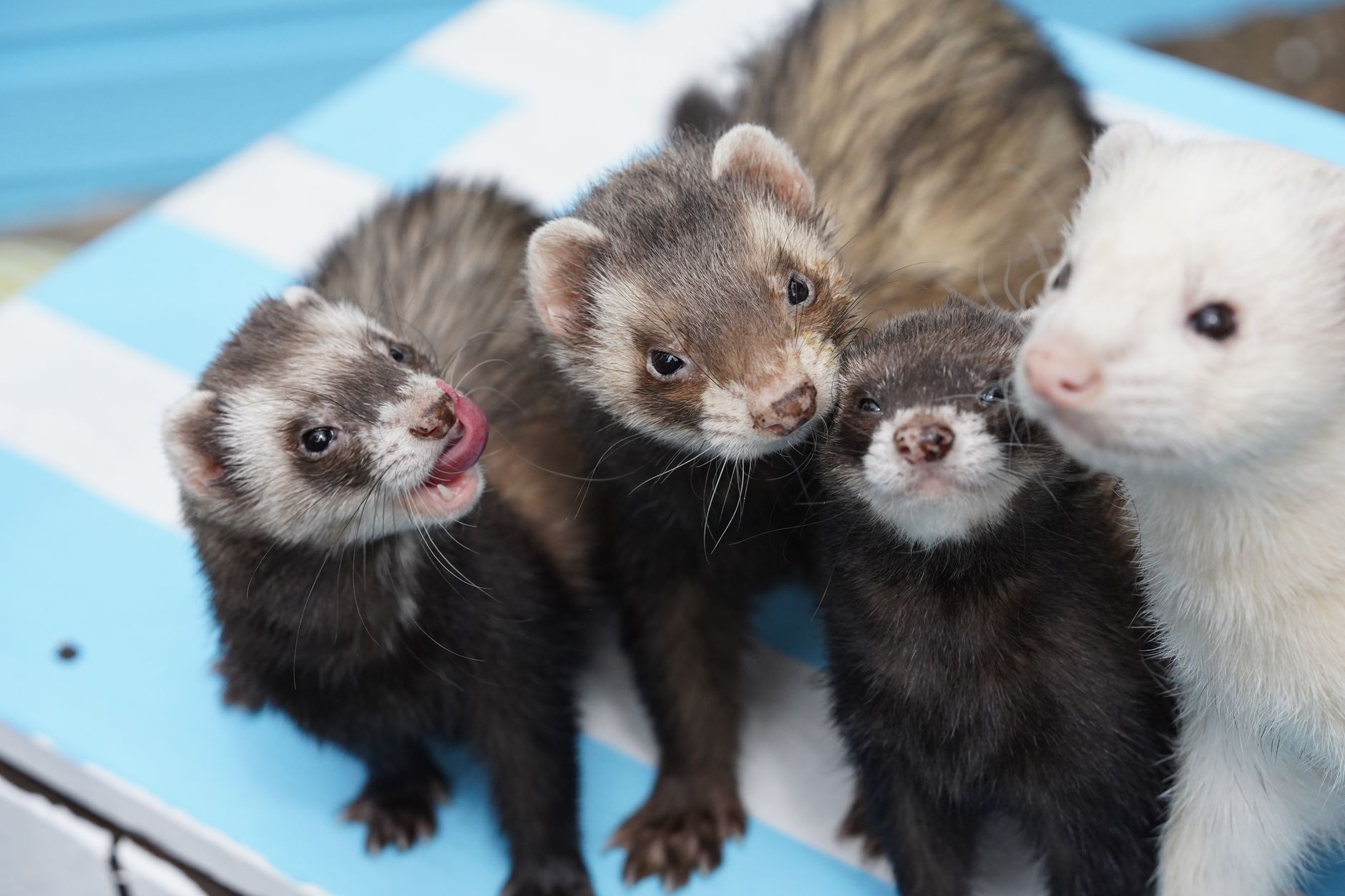
Ferrets, with their playful antics and endearing personalities, have become increasingly popular pets. However, like all animals, ferrets can carry diseases that are transmissible to humans, known as zoonotic diseases. Understanding these potential risks and implementing proper hygiene practices is paramount for maintaining a healthy relationship with your ferret and safeguarding your own well-being. This article will delve into the specifics of these diseases, preventative measures, and what to do if you suspect you’ve contracted an illness from your ferret.
What colours are fish most attracted to?
Can you put your finger in a trout's mouth?
Is methylene blue anti bacterial?
Does aquarium salt raise pH in aquarium?
Common Zoonotic Diseases Associated with Ferrets
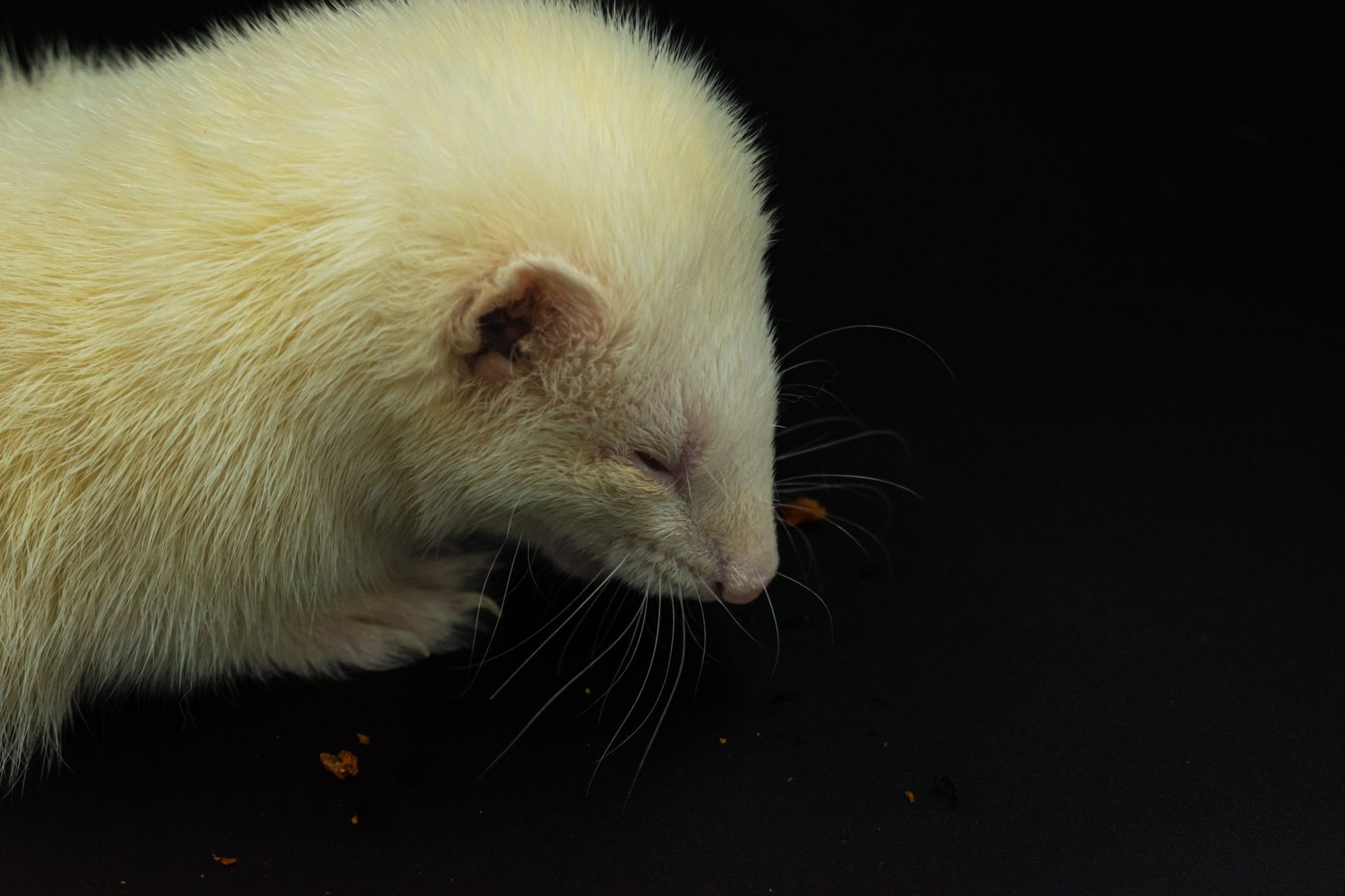
Several diseases can potentially be transmitted from ferrets to humans. Understanding the specific risks associated with each disease is essential for proactive prevention.
-
Influenza (Flu): Ferrets are highly susceptible to human influenza viruses, and, conversely, humans can contract the flu from ferrets. Symptoms in humans are similar to those of seasonal influenza, including fever, cough, sore throat, and body aches. This bidirectional transmission makes this one of the most common concerns.
-
Ringworm: This fungal infection causes itchy, circular rashes on the skin. It is highly contagious and can be transmitted through direct contact with an infected ferret or contaminated surfaces.
-
Campylobacteriosis: Campylobacter bacteria can cause diarrhea, abdominal cramps, and fever. Humans can contract this from contact with ferret feces.
-
Salmonellosis: Similar to Campylobacteriosis, Salmonella bacteria can cause gastrointestinal illness. Like campylobacter, it’s primarily transmitted through contact with feces.
-
Tuberculosis (TB): While less common, ferrets can contract and transmit tuberculosis. This is a serious respiratory illness that requires immediate medical attention.
-
Rabies: While extremely rare in pet ferrets, rabies is a fatal viral disease that affects the central nervous system. Vaccination is critical for preventing rabies in ferrets.
Reducing the Risk: Preventive Measures
Preventing zoonotic diseases requires a multi-faceted approach, including proper hygiene, regular veterinary care for your ferret, and awareness of potential risks.
- Hand Hygiene: Wash your hands thoroughly with soap and water after handling your ferret, cleaning its cage, or coming into contact with its feces or urine. This is the single most important step in preventing the spread of zoonotic diseases.
- Cage Cleaning: Regularly clean and disinfect your ferret’s cage, litter box, and toys. Use a pet-safe disinfectant.
- Veterinary Care: Take your ferret for regular veterinary check-ups. Your veterinarian can screen for diseases and administer necessary vaccinations. Discuss any concerns you have about your ferret’s health with your vet.
- Vaccination: Ensure your ferret is vaccinated against rabies and distemper.
- Avoid Close Contact When Sick: If you are sick, especially with the flu, limit close contact with your ferret to prevent infecting it.
- Supervise Children: Supervise young children when they are interacting with ferrets to ensure they practice good hygiene and avoid putting their hands in their mouths after handling the ferret.
- Wear Gloves: Wear gloves when cleaning the ferret’s cage or handling its feces.
When to See a Doctor
If you develop any symptoms that you suspect may be related to your ferret, such as fever, diarrhea, skin rash, or respiratory problems, consult a doctor immediately. Inform your doctor that you own a ferret and describe your potential exposure.
Distemper Virus in Ferrets: A Critical Point
Distemper is a severe and often fatal viral disease for ferrets. While distemper is not directly transmissible to humans, an unvaccinated ferret that contracts distemper poses a significant risk of transmitting other, secondary infections to humans due to the ferret’s compromised immune system. This underscores the importance of vaccinating your ferret against distemper.
Comparing Risks with Other Pets
While Is my ferret making me sick? is the central question, it’s helpful to compare ferret-related risks to those associated with other common pets.
| Pet | Common Zoonotic Risks |
|---|---|
| Ferret | Influenza, Ringworm, Campylobacteriosis, Salmonellosis |
| Cat | Toxoplasmosis, Cat Scratch Disease, Ringworm |
| Dog | Ringworm, Leptospirosis, Rabies |
| Bird | Psittacosis, Salmonella |
| Reptile | Salmonella |
As you can see, many pets carry zoonotic disease risks; proper hygiene and veterinary care mitigate these risks for all pet owners.
Addressing Common Concerns
Addressing common concerns about ferret ownership and health will help reduce anxiety and increase safety.
- Allergies: Some people are allergic to ferrets. Symptoms can include sneezing, runny nose, itchy eyes, and skin rashes.
- Bites: Ferrets can bite, especially if they are scared or feel threatened. Clean any bite wounds thoroughly with soap and water and seek medical attention if necessary.
- Ferrets and Immunocompromised Individuals: Individuals with weakened immune systems, such as those undergoing chemotherapy or living with HIV/AIDS, are at increased risk of contracting zoonotic diseases. They should take extra precautions when interacting with ferrets and consult with their doctor about the potential risks.
Frequently Asked Questions (FAQs)
Can I get the flu from my ferret?
Yes, you can. Ferrets are susceptible to human influenza viruses, and transmission can occur in both directions. If you’re sick, avoid close contact with your ferret, and vice versa.
How do I know if my ferret has ringworm?
Ringworm in ferrets typically presents as circular patches of hair loss with scaling and crusting. Consult your veterinarian if you suspect your ferret has ringworm.
Is it safe for pregnant women to own ferrets?
Pregnant women should exercise caution when handling ferrets, especially regarding toxoplasmosis (though rare in ferrets). Practicing good hygiene and avoiding contact with ferret feces is crucial. Consult with your doctor for personalized advice.
What kind of disinfectant should I use to clean my ferret’s cage?
Use a pet-safe disinfectant that is specifically formulated for use around animals. Avoid using harsh chemicals that could be harmful to your ferret.
How often should I take my ferret to the vet?
Annual check-ups are generally recommended for adult ferrets. Older ferrets may require more frequent visits. Your veterinarian can advise on the best schedule for your ferret’s individual needs.
Can ferrets transmit diseases through the air?
While some respiratory infections can be spread through airborne droplets, most zoonotic diseases associated with ferrets are transmitted through direct contact or contact with contaminated surfaces.
What should I do if my ferret bites me?
Wash the wound thoroughly with soap and water. Monitor for signs of infection, such as redness, swelling, or pus. Seek medical attention if the bite is deep or if you develop any signs of infection.
Are ferrets safe for children?
Ferrets can be wonderful pets for children, but supervision is essential. Teach children proper hygiene practices and to avoid putting their hands in their mouths after handling the ferret.
Can I get sick from my ferret’s saliva?
While the risk is low, some bacteria and viruses can be transmitted through saliva. Avoid letting your ferret lick your face, especially around your mouth or eyes.
How can I tell if my ferret is sick?
Signs of illness in ferrets can include lethargy, loss of appetite, diarrhea, vomiting, coughing, sneezing, and nasal discharge. Contact your veterinarian immediately if you notice any of these signs.
Does ferret dander cause allergies like cat or dog dander?
Yes, ferret dander can cause allergies in sensitive individuals. Manage allergies with regular cleaning and air filtration.
Is my ferret making me sick if I have a rash after handling it?
A rash could indicate an allergic reaction or a skin infection like ringworm. Consult a doctor to determine the cause and get appropriate treatment. They can determine whether the rash is directly related to your ferret and recommend solutions.