

Is Lymphoma Common in Ferrets? A Comprehensive Guide
Lymphoma is, unfortunately, a very common cancer in ferrets. Early detection and proper management are crucial for improving the quality and length of life for affected ferrets.
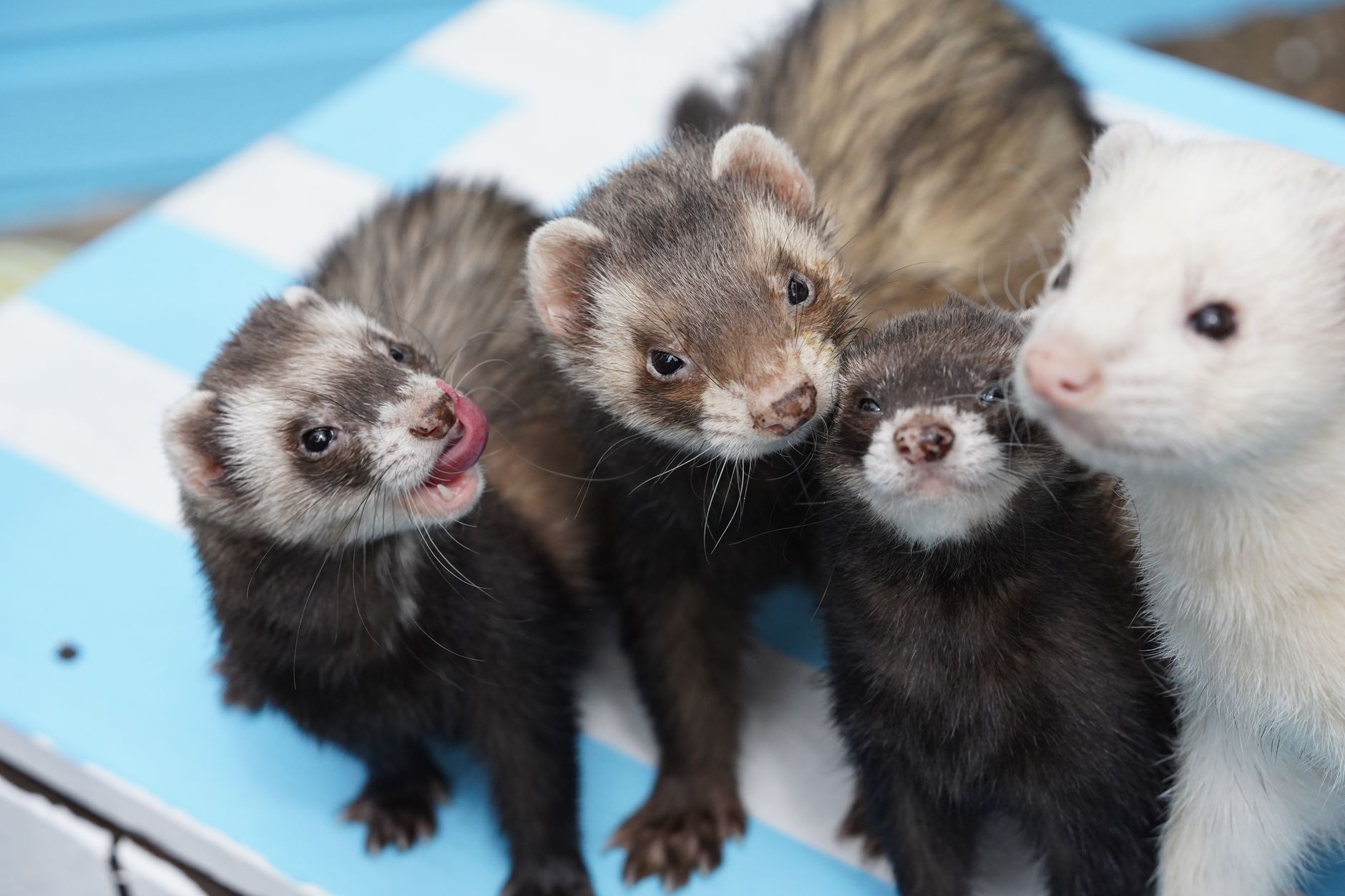
Ferrets, with their playful personalities and endearing antics, have become increasingly popular pets. However, like all animals, they are susceptible to various health issues. Among these, lymphoma stands out as a significant concern. This article delves into the prevalence, diagnosis, treatment, and management of lymphoma in ferrets, providing comprehensive information for owners and veterinary professionals.
Understanding Lymphoma in Ferrets
Lymphoma, also known as lymphosarcoma, is a type of cancer that originates in the lymphocytes, which are white blood cells responsible for immune function. In ferrets, lymphoma can affect various organs, leading to a range of clinical signs. Understanding the disease is the first step in providing optimal care.
- What are Lymphocytes? Lymphocytes are a crucial part of the immune system, fighting off infections and foreign invaders. When these cells become cancerous, they proliferate uncontrollably, disrupting normal immune function and potentially invading other organs.
- Forms of Lymphoma in Ferrets: Lymphoma can manifest in different forms in ferrets, affecting different organs and systems. These forms include:
- Generalized or multicentric lymphoma: Affecting multiple lymph nodes and organs.
- Alimentary lymphoma: Affecting the gastrointestinal tract.
- Mediastinal lymphoma: Affecting the lymph nodes in the chest.
- Cutaneous lymphoma: Affecting the skin.
- Splenic lymphoma: Affecting the spleen.

What colours are fish most attracted to?
Can you put your finger in a trout's mouth?
Is methylene blue anti bacterial?
Does aquarium salt raise pH in aquarium?
Why Is Lymphoma Common in Ferrets?

The exact reasons why lymphoma is common in ferrets are still being researched. However, several factors are suspected to contribute to its high incidence.
- Genetic Predisposition: Certain genetic factors may predispose ferrets to developing lymphoma. Breeding practices could inadvertently concentrate these genes within certain ferret lines.
- Viral Infections: Retroviruses, similar to those linked to leukemia in cats, have been suspected as possible causative agents. Further research is needed to confirm this connection.
- Environmental Factors: Exposure to certain toxins or environmental stressors might also play a role. The specific environmental triggers are not yet fully understood.
- Diet: Diets lacking essential nutrients or containing excessive amounts of carbohydrates may also contribute to a compromised immune system, making ferrets more susceptible to lymphoma.
Diagnosing Lymphoma in Ferrets
Early and accurate diagnosis is vital for effective management of lymphoma in ferrets. Veterinarians use several methods to diagnose the condition.
- Physical Examination: A thorough physical examination can reveal enlarged lymph nodes or other abnormalities.
- Blood Tests: Complete blood counts (CBC) and serum chemistry profiles can provide clues, although they are not always conclusive for lymphoma.
- Fine Needle Aspirate (FNA) and Cytology: FNA involves collecting cells from affected lymph nodes or organs with a needle, followed by microscopic examination to identify cancerous cells.
- Biopsy and Histopathology: A biopsy involves removing a small tissue sample for detailed microscopic analysis. This provides the most definitive diagnosis.
- Imaging: Radiographs (X-rays) and ultrasound can help assess the extent of the disease and identify affected organs.
Treatment Options for Ferret Lymphoma
While there is no cure for lymphoma in ferrets, various treatment options can help manage the disease and improve the animal’s quality of life.
- Chemotherapy: Chemotherapy is the most common treatment for lymphoma in ferrets. Various drug protocols are available, and the choice depends on the specific form of lymphoma and the ferret’s overall health.
- Prednisone: Prednisone, a corticosteroid, can help reduce inflammation and suppress the immune system, providing temporary relief of symptoms. It’s often used in conjunction with chemotherapy or as a palliative treatment.
- Supportive Care: Supportive care includes providing a balanced diet, managing pain, and addressing any secondary infections.
- Surgery: In some cases, surgery may be an option to remove localized tumors, such as those affecting the spleen.
Living with a Ferret with Lymphoma
Caring for a ferret with lymphoma requires dedication and a proactive approach.
- Regular Veterinary Checkups: Frequent checkups with a veterinarian are essential for monitoring the disease progression and adjusting treatment as needed.
- Medication Management: Administering medications as prescribed by the veterinarian is critical.
- Comfortable Environment: Provide a comfortable and stress-free environment for your ferret.
- Quality of Life Assessment: Regularly assess your ferret’s quality of life and discuss any concerns with your veterinarian.
- Euthanasia: When the ferret’s quality of life declines significantly and treatment options are exhausted, euthanasia may be the most humane option. This is a difficult but important decision to make in consultation with your veterinarian.
Preventing Lymphoma in Ferrets
While it’s impossible to completely prevent lymphoma in ferrets, there are steps you can take to minimize the risk.
- High-Quality Diet: Feed your ferret a high-quality diet specifically formulated for ferrets.
- Minimize Stress: Reduce stress in your ferret’s environment.
- Regular Veterinary Care: Regular checkups can help detect early signs of disease.
- Responsible Breeding: Support responsible breeding practices that prioritize the health and genetic diversity of ferrets.
The Role of Research
Ongoing research is crucial for improving our understanding of lymphoma in ferrets and developing more effective treatments. Supporting research initiatives can help advance veterinary medicine and improve the lives of these beloved pets. Is lymphoma common in ferrets? The answer is unfortunately yes, underscoring the importance of ongoing research efforts.
Table: Common Lymphoma Treatments in Ferrets
| Treatment | Description | Potential Side Effects |
|---|---|---|
| Chemotherapy | Uses drugs to kill cancer cells. | Nausea, vomiting, diarrhea, decreased appetite, bone marrow suppression (leading to low blood cell counts). |
| Prednisone | A corticosteroid that reduces inflammation and suppresses the immune system. | Increased thirst and urination, increased appetite, weight gain, muscle weakness. |
| Surgery | Removal of localized tumors. | Pain, infection, complications related to anesthesia. |
Frequently Asked Questions About Lymphoma in Ferrets
1. What are the early signs of lymphoma in ferrets?
The early signs of lymphoma in ferrets can be subtle and easily overlooked. They may include enlarged lymph nodes, which may feel like small, firm lumps under the skin. Other signs can include lethargy, decreased appetite, weight loss, and changes in bowel habits. It is important to consult with a veterinarian if you notice any of these symptoms.
2. Is lymphoma contagious among ferrets?
Lymphoma itself is not contagious. While viral infections are suspected as a potential contributing factor, the cancer cells cannot be transmitted from one ferret to another.
3. What is the typical lifespan of a ferret diagnosed with lymphoma?
The lifespan of a ferret diagnosed with lymphoma varies depending on the stage of the disease, the type of treatment received, and the ferret’s overall health. With treatment, some ferrets may live for several months to over a year after diagnosis. Without treatment, the prognosis is generally poor, with survival times ranging from weeks to a few months.
4. Can diet play a role in managing lymphoma in ferrets?
A proper diet is crucial for supporting a ferret’s immune system and overall health, especially when dealing with lymphoma. Feed a high-quality ferret diet that is rich in animal protein and low in carbohydrates. Avoid foods that are high in sugar or processed ingredients. Consulting with a veterinary nutritionist can help you develop a tailored diet plan for your ferret.
5. How is the stage of lymphoma determined in ferrets?
Staging lymphoma in ferrets involves assessing the extent of the disease and determining which organs are affected. This is typically done through physical examination, blood tests, imaging studies (radiographs, ultrasound), and biopsies. Staging helps the veterinarian determine the best course of treatment and estimate the prognosis.
6. Are there any alternative therapies for lymphoma in ferrets?
While conventional treatments like chemotherapy and prednisone are the primary options for managing lymphoma in ferrets, some owners may explore alternative therapies such as acupuncture, herbal remedies, and nutritional supplements. It’s crucial to discuss any alternative therapies with your veterinarian to ensure they are safe and will not interfere with conventional treatments. These therapies should never replace conventional treatments without consulting a vet.
7. How can I make my ferret with lymphoma more comfortable?
Providing a comfortable environment is essential for a ferret with lymphoma. This includes providing a soft bed, maintaining a consistent temperature, minimizing stress, and ensuring easy access to food and water. Pain management is also crucial; your veterinarian can prescribe pain medications to help alleviate discomfort.
8. Is it possible to prevent lymphoma in ferrets completely?
Unfortunately, there is no guaranteed way to prevent lymphoma in ferrets completely. However, you can minimize the risk by providing a high-quality diet, reducing stress, maintaining a healthy environment, and scheduling regular veterinary checkups.
9. What are the potential side effects of chemotherapy in ferrets?
Chemotherapy can cause various side effects in ferrets, including nausea, vomiting, diarrhea, decreased appetite, and bone marrow suppression, which can lead to low blood cell counts. Your veterinarian will monitor your ferret closely for side effects and adjust the treatment plan as needed. Medications can also be prescribed to help manage these side effects.
10. How often should a ferret with lymphoma be seen by a veterinarian?
The frequency of veterinary visits will depend on the stage of the disease, the type of treatment received, and the ferret’s overall health. In general, ferrets undergoing chemotherapy will need to be seen weekly or bi-weekly for blood tests and monitoring. More stable ferrets may only need to be seen monthly.
11. What is the role of prednisone in treating lymphoma in ferrets?
Prednisone is a corticosteroid that can help reduce inflammation and suppress the immune system, providing temporary relief of symptoms. It can also help improve appetite and energy levels. Prednisone is often used in conjunction with chemotherapy or as a palliative treatment for ferrets with lymphoma.
12. When is euthanasia the most humane option for a ferret with lymphoma?
Euthanasia may be the most humane option when the ferret’s quality of life declines significantly and treatment options are exhausted. Signs of a declining quality of life include uncontrolled pain, severe weight loss, inability to eat or drink, and a complete loss of interest in their surroundings. This is a difficult decision to make, but it’s important to prioritize the ferret’s well-being. Consult with your veterinarian to assess your ferret’s condition and determine the best course of action. Is lymphoma common in ferrets? Yes, and understanding its impact is critical for responsible pet ownership.