
Is Low Dissolved Oxygen Bad for Fish? Understanding the Threat
Yes, low dissolved oxygen is definitively bad for fish, often lethal. It stresses them, impairs their biological functions, and can lead to widespread fish kills, devastating aquatic ecosystems.
The Critical Role of Dissolved Oxygen in Aquatic Life
Dissolved oxygen (DO) is the amount of oxygen gas present in water. Just as humans need oxygen from the air to breathe, fish and other aquatic organisms need DO to survive. They extract this oxygen from the water through their gills. The availability of DO is a crucial indicator of water quality and the overall health of an aquatic environment. When levels dip too low, it poses a significant threat. The question “Is low dissolved oxygen bad for fish?” is answered with a resounding yes, considering its fundamental role.

Are fish heads good for the garden?
Can fish hear water?
What is cotton rot in fish?
What colours are fish most attracted to?
Factors Influencing Dissolved Oxygen Levels
Several factors influence the amount of DO in a body of water. Understanding these factors is key to mitigating DO problems.
- Temperature: Colder water holds more dissolved oxygen than warmer water. As water temperatures rise, the solubility of oxygen decreases.
- Photosynthesis: Aquatic plants and algae produce oxygen through photosynthesis. During the day, they can increase DO levels. At night, however, they consume oxygen through respiration, which can lower DO levels.
- Organic matter: The decomposition of organic matter (e.g., dead leaves, sewage, agricultural runoff) consumes oxygen. High levels of organic matter can lead to a rapid depletion of DO.
- Altitude: At higher altitudes, the partial pressure of oxygen is lower, resulting in lower DO levels in water.
- Water Flow: Rapidly flowing water, such as in streams and rivers, typically has higher DO levels due to increased aeration. Stagnant water has lower DO levels.
The Process of Oxygen Depletion (Eutrophication)
Eutrophication is a natural process of nutrient enrichment in a body of water. However, human activities can accelerate this process, leading to harmful consequences. It significantly impacts the dissolved oxygen and answers why Is low dissolved oxygen bad for fish?.
- Nutrient Input: Excessive nutrients, such as nitrogen and phosphorus from fertilizers, sewage, and industrial waste, enter the water body.
- Algal Bloom: These nutrients fuel rapid growth of algae, resulting in algal blooms.
- Decomposition: When the algae die, they sink to the bottom and are decomposed by bacteria.
- Oxygen Consumption: The decomposition process consumes large amounts of dissolved oxygen, leading to hypoxia (low DO) or anoxia (no DO).
- Fish Kill: The depletion of oxygen can suffocate fish and other aquatic organisms, resulting in fish kills.
Harmful Effects of Low Dissolved Oxygen on Fish
Low DO levels have a range of negative impacts on fish. The severity of these impacts depends on the species of fish, the duration of the exposure, and the degree of oxygen depletion.
- Stress and Weakened Immune System: Fish become stressed when DO levels are low. This stress weakens their immune system, making them more susceptible to diseases.
- Reduced Growth and Reproduction: Low DO can inhibit growth and reproduction in fish. It can also affect the development of fish eggs and larvae.
- Behavioral Changes: Fish may exhibit abnormal behaviors, such as gasping at the surface of the water or congregating near areas with higher DO levels.
- Mortality: Prolonged exposure to low DO levels can result in fish mortality.
Measuring Dissolved Oxygen
Monitoring DO levels is crucial for assessing water quality and protecting aquatic life. Several methods can be used to measure DO:
- DO Meters: Electronic DO meters are commonly used to measure DO levels in the field. These meters use a probe to measure the partial pressure of oxygen in the water.
- Titration (Winkler Method): The Winkler method is a chemical titration method that can be used to measure DO levels in the laboratory. This method involves a series of chemical reactions to determine the amount of oxygen present in the water sample.
- Optical Sensors: Optical sensors use fluorescence or luminescence to measure DO levels. These sensors are less sensitive to interference from other substances in the water.
Preventing and Mitigating Low Dissolved Oxygen
Preventing and mitigating low DO levels requires a multifaceted approach:
- Reduce Nutrient Pollution: Implement best management practices to reduce nutrient runoff from agriculture, urban areas, and wastewater treatment plants.
- Control Organic Matter Input: Minimize the input of organic matter into water bodies by properly managing sewage and agricultural waste.
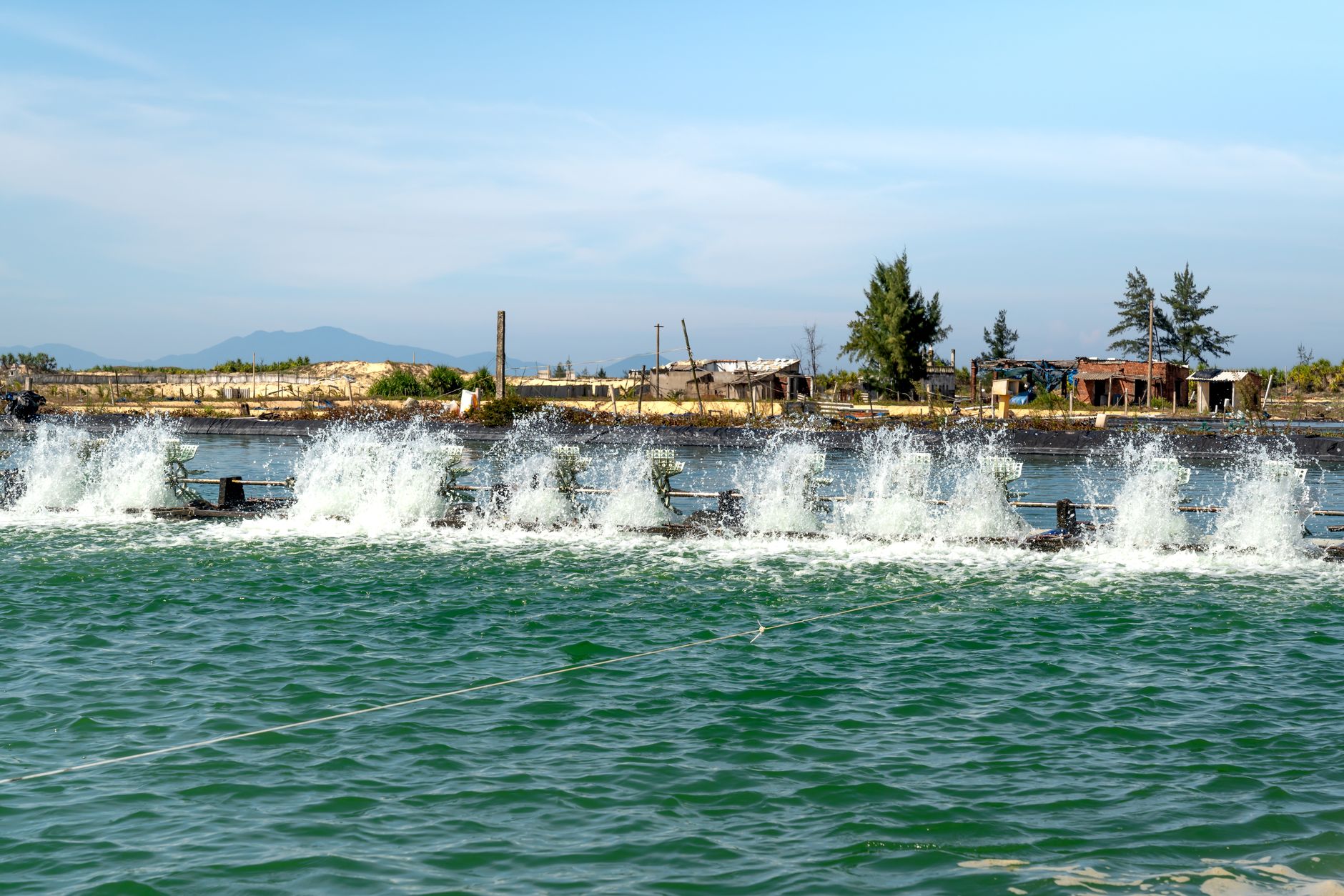
- Aeration: Use aeration devices, such as aerators and fountains, to increase DO levels in stagnant water.
- Riparian Buffers: Establish riparian buffers (vegetated areas along the banks of rivers and streams) to filter pollutants and reduce nutrient runoff.
- Dredging: Remove accumulated sediment and organic matter from the bottom of water bodies to reduce oxygen demand.
Dissolved Oxygen Levels and Fish Species
Different fish species have different tolerance levels to low DO. Some species, such as carp and catfish, can tolerate lower DO levels than others, such as trout and salmon. Understanding the DO requirements of different fish species is crucial for managing aquatic ecosystems. The dangers of Is low dissolved oxygen bad for fish? are species dependent, meaning some fish are more at risk than others.
The following table shows optimal DO levels for different fish species:
| Fish Species | Optimal DO Level (mg/L) |
|---|---|
| Trout | > 6 |
| Salmon | > 6 |
| Bass | > 5 |
| Catfish | > 3 |
| Carp | > 2 |
Common Mistakes in Managing Dissolved Oxygen
- Ignoring water temperature: Remember that warmer water holds less oxygen.
- Overlooking nighttime DO dips: Photosynthesis stops at night, so DO can decrease.
- Failing to address nutrient pollution: This is a major driver of oxygen depletion.
- Neglecting to monitor DO levels: Regular monitoring is essential for early detection of problems.
The Importance of Regular Monitoring
Regular monitoring of DO levels is critical for protecting aquatic ecosystems. By monitoring DO levels, scientists and managers can identify potential problems and take corrective action before they result in fish kills or other ecological damage. Monitoring allows for proactive management, and it reinforces the idea that Is low dissolved oxygen bad for fish?, and that prevention is always the best course of action.
Frequently Asked Questions (FAQs)
What is the ideal dissolved oxygen level for most fish?
The ideal dissolved oxygen (DO) level for most fish is above 6 milligrams per liter (mg/L). However, the optimal DO level can vary depending on the species of fish and the specific environment. Some species can tolerate lower levels, but sustained levels below 3 mg/L are generally stressful or lethal.
How does temperature affect dissolved oxygen levels?
Temperature and dissolved oxygen have an inverse relationship. As water temperature increases, the solubility of oxygen decreases, meaning warmer water holds less oxygen. Conversely, colder water can hold more dissolved oxygen.
What are the common signs of low dissolved oxygen in a pond or lake?
Common signs include fish gasping at the surface, congregating near inlets (where oxygen levels are typically higher), a foul odor, and a visible die-off of aquatic organisms, including fish.
Can algae blooms contribute to low dissolved oxygen?
Yes, algae blooms can significantly contribute to low dissolved oxygen. While algae produce oxygen during photosynthesis, they also consume oxygen during respiration. When an algae bloom dies, the decomposition process consumes large amounts of dissolved oxygen, leading to hypoxia or anoxia.
How can I increase dissolved oxygen in my fish pond?
Several methods can increase dissolved oxygen, including using aerators or fountains, adding aquatic plants, ensuring adequate water circulation, and reducing nutrient input that fuels algae blooms.
Is low dissolved oxygen more of a problem in summer or winter?
Low dissolved oxygen can be a problem in both summer and winter, but for different reasons. In summer, high temperatures reduce oxygen solubility. In winter, ice cover can prevent oxygen from entering the water, and decomposing organic matter continues to consume oxygen.
What is the difference between hypoxia and anoxia?
Hypoxia refers to a condition of low dissolved oxygen, while anoxia refers to a complete absence of dissolved oxygen. Both conditions are detrimental to aquatic life.
How do fertilizers contribute to low dissolved oxygen?
Fertilizers contain nitrogen and phosphorus, which are nutrients that can fuel excessive algae growth. When these algae die, their decomposition consumes large amounts of dissolved oxygen, leading to low DO levels. This is a major reason why Is low dissolved oxygen bad for fish?, because of the link to fertilizers.
What are the effects of low dissolved oxygen on fish reproduction?
Low dissolved oxygen can impair fish reproduction by reducing egg production, delaying spawning, and decreasing the survival rate of eggs and larvae.
How can I test the dissolved oxygen level in my pond or aquarium?
You can test the dissolved oxygen level using a dissolved oxygen meter (electronic) or a chemical test kit (Winkler titration). DO meters provide a more accurate and instant reading.
Are some fish species more tolerant of low dissolved oxygen than others?
Yes, some fish species are more tolerant of low dissolved oxygen than others. For example, catfish and carp are generally more tolerant than trout and salmon. This tolerance influences their distribution in different aquatic environments.
What role do aquatic plants play in dissolved oxygen levels?
Aquatic plants play a dual role in dissolved oxygen levels. During the day, they produce oxygen through photosynthesis, increasing DO. At night, they consume oxygen through respiration, which can decrease DO. The net effect depends on the balance between photosynthesis and respiration.