
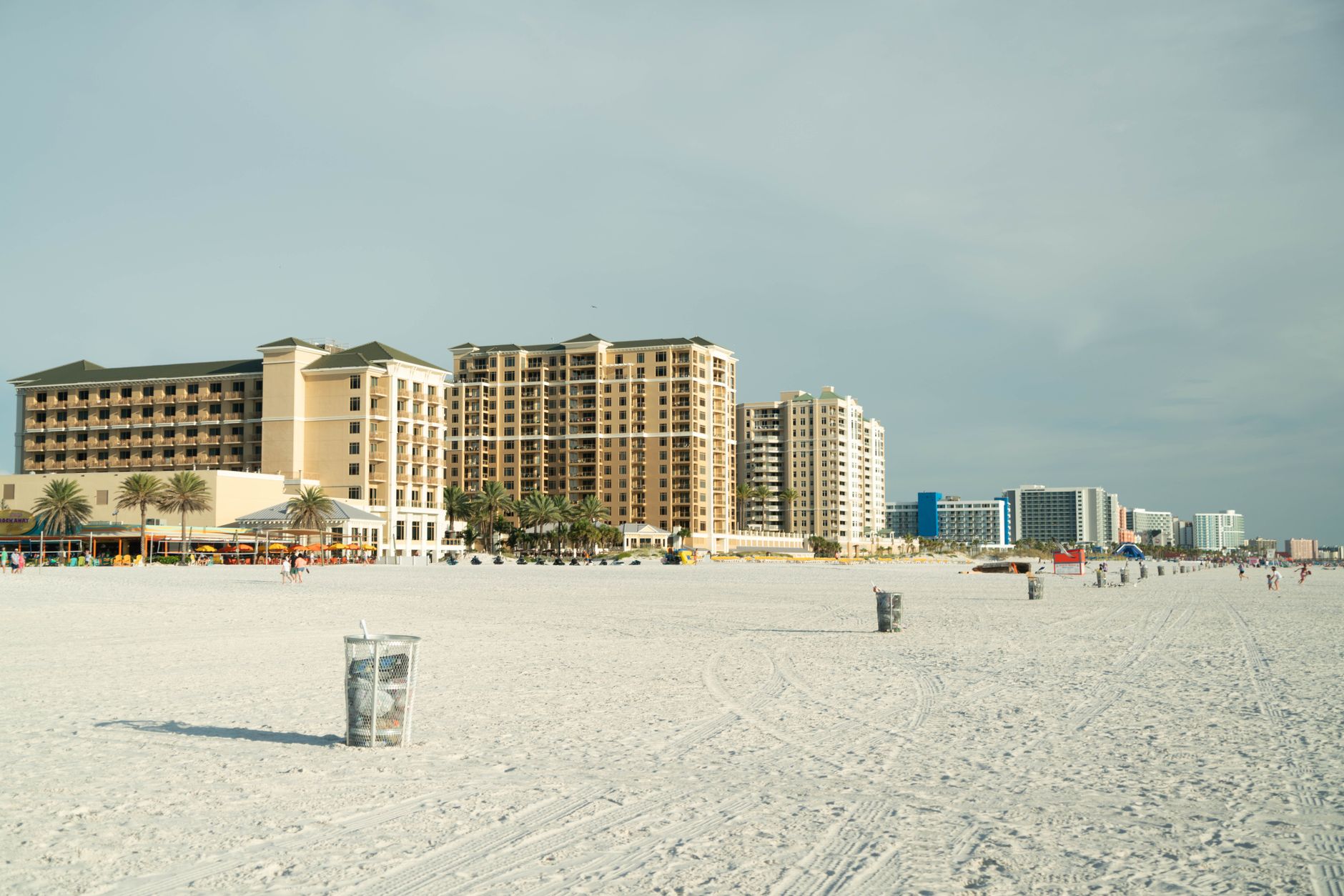
Is it Safe to Use Beach Sand? Understanding the Risks and Benefits
The safety of using beach sand is a complex issue; while it offers potential benefits for various uses, it also poses potential health risks. Therefore, the answer to the question, “Is it safe to use beach sand?” is: it depends. Careful consideration of the intended use, source, and potential contaminants is essential before utilizing beach sand.

Introduction: The Allure and Risks of Beach Sand
Beach sand, with its evocative connection to sun, sea, and relaxation, has always held a certain allure. Beyond its aesthetic appeal, it’s used in construction, landscaping, and even children’s play. However, the question of is it safe to use beach sand? raises important considerations about potential contaminants and health hazards. The sandy shores we enjoy are complex ecosystems, harboring not only grains of silica but also a range of organic matter, microorganisms, and, in some cases, pollutants. This article will explore the benefits and risks associated with using beach sand, offering insights to help you make informed decisions.

Is distilled water good for goldfish?
What colours are fish most attracted to?
Can you put your finger in a trout's mouth?
Is methylene blue anti bacterial?
Background: Composition and Sources of Beach Sand

Beach sand is not simply crushed rock; it’s a dynamic mixture of materials reflecting its surrounding environment. Its composition varies significantly depending on the geological formations and biological activity of the region.
- Silica Sand: Primarily composed of quartz, the most common type.
- Coral Sand: Found in tropical regions, made up of fragmented coral.
- Volcanic Sand: Dark-colored sand found near volcanic areas.
- Shell Sand: Composed of broken shells and marine organisms.
Understanding the source of the sand is crucial for assessing its potential contaminants. Beaches near industrial areas or agricultural runoff zones are more likely to contain pollutants than those in remote, pristine locations.
Benefits of Using Beach Sand
Despite the potential risks, beach sand offers various benefits, depending on its intended use.
- Construction: Used in concrete and mortar (though often processed).
- Landscaping: Provides drainage and texture in garden beds.
- Children’s Play: Natural and engaging material for sandboxes.
- Aesthetic Appeal: Creates a beach-like atmosphere in gardens or aquariums.
However, it’s important to emphasize that unprocessed beach sand is rarely ideal for construction purposes due to its irregular grain size and potential for impurities. Industrial-grade sand is specifically processed and tested for structural integrity.
Potential Risks and Contaminants
The primary concerns when considering, “Is it safe to use beach sand?“, revolve around the potential presence of contaminants.
- Bacteria and Pathogens: Can cause infections if ingested or come into contact with open wounds. Examples include E. coli and fecal coliforms.
- Pollutants: Industrial waste, agricultural runoff, and oil spills can contaminate sand with heavy metals and toxic chemicals.
- Sharp Objects: Glass shards, plastic debris, and medical waste can pose physical hazards.
- Parasites: Some beaches may harbor parasites that can infect humans and animals.
- Radioactive Materials: In certain regions, naturally occurring radioactive materials (NORM) may be present in the sand.
Regular testing of beaches is conducted in many areas, but this isn’t universal. Always be aware of local advisories and closures.
Best Practices for Using Beach Sand
If you decide to use beach sand, these best practices can help minimize risks:
- Source Selection: Choose sand from a clean, reputable source, preferably away from urban or industrial areas.
- Cleaning and Disinfection: Thoroughly wash the sand to remove debris and organic matter. Disinfection methods include:
- Baking: Heating the sand in an oven at 200°F (93°C) for 30 minutes.
- Bleach Solution: Soaking the sand in a diluted bleach solution (1 part bleach to 9 parts water) for 30 minutes, then rinsing thoroughly.
- Proper Storage: Store the sand in a clean, dry container to prevent contamination.
- Handwashing: Wash your hands thoroughly after handling beach sand.
- Avoid Ingestion: Prevent children from eating the sand.
| Method | Description | Pros | Cons |
|---|---|---|---|
| Baking | Heating sand in an oven at 200°F (93°C) for 30 minutes. | Effective at killing bacteria and parasites. Relatively easy to do at home. | Can be time-consuming and energy-intensive. Not suitable for large quantities of sand. |
| Bleach Soak | Soaking sand in a diluted bleach solution (1 part bleach to 9 parts water). | Effective at killing bacteria and some viruses. | May leave a residual odor. Requires thorough rinsing. |
| Washing | Rinsing the sand thoroughly with clean water. | Removes debris and some organic matter. Simple and environmentally friendly. | Less effective at killing microorganisms. |
When to Avoid Using Beach Sand
There are certain situations where using beach sand is best avoided:
- Beaches with Known Contamination: Heed any advisories about water quality or beach closures.
- Areas Near Industrial Discharge: Avoid collecting sand near factories, power plants, or sewage treatment plants.
- Beaches with Visible Pollution: Avoid sand that contains visible trash, oil slicks, or dead animals.
- Individuals with Compromised Immune Systems: People with weakened immune systems should exercise extra caution when handling beach sand.
It’s always better to err on the side of caution, especially when dealing with children or individuals with pre-existing health conditions.
Alternatives to Beach Sand
If you’re concerned about the risks associated with beach sand, several alternatives offer similar benefits without the potential for contamination:
- Play Sand: Commercially available, washed, and screened sand specifically designed for children’s play.
- River Sand: Sand collected from riverbeds, which is often cleaner than beach sand.
- Construction Sand: Processed and tested sand used in construction, available at hardware stores.
- Pea Gravel: Small, rounded stones that provide good drainage and can be used in landscaping.
- Wood Chips: Organic mulch that can be used in garden beds and play areas.
These alternatives are generally safer and more consistent in quality than unprocessed beach sand.
Frequently Asked Questions (FAQs)
Is it safe to use beach sand in a child’s sandbox?
While tempting, using beach sand in a sandbox can pose risks. Beach sand may contain bacteria, parasites, and sharp objects that could harm children. Commercially available play sand is a safer alternative as it is typically washed, screened, and tested for contaminants.
Can I get sick from touching beach sand?
Yes, it’s possible to get sick from touching beach sand, especially if you have open wounds or sores. Beach sand can harbor bacteria, parasites, and pollutants that can cause skin infections or other illnesses. Thorough handwashing after contact is crucial.
How can I disinfect beach sand at home?
You can disinfect beach sand at home by baking it in an oven at 200°F (93°C) for 30 minutes or soaking it in a diluted bleach solution (1 part bleach to 9 parts water) for 30 minutes, followed by thorough rinsing.
Is it safe to use beach sand in my garden?
Using beach sand in your garden can improve drainage and soil texture, but it can also introduce excess salt that can harm plants. Thoroughly washing the sand before use can help reduce salt content. Consider soil testing to determine its suitability.
Can beach sand contain harmful chemicals?
Yes, beach sand can contain harmful chemicals from industrial waste, agricultural runoff, and oil spills. Beaches near polluted areas are more likely to contain elevated levels of heavy metals and other toxins.
How often are beaches tested for bacteria?
The frequency of beach testing varies depending on the location. Many coastal areas conduct regular water quality monitoring, but this doesn’t always include sand testing. Check with your local health department for information on beach testing schedules.
What are the signs of a contaminated beach?
Signs of a contaminated beach include unusual odors, discolored water, excessive algae blooms, visible trash, and dead animals. Heed any posted advisories or closures.
Is it safe to use beach sand in an aquarium?
Using beach sand in an aquarium is generally not recommended. It can be difficult to clean thoroughly and may introduce harmful bacteria, parasites, and pollutants that can harm aquatic life. Commercially available aquarium substrate is a safer and more suitable option.
Can I get a parasite from beach sand?
Yes, it is possible to contract parasites from beach sand, particularly if animals frequent the area. Certain parasites can penetrate the skin or be ingested, leading to illness. Wearing shoes and washing your hands can help reduce the risk.
What are Naturally Occurring Radioactive Materials (NORM) in beach sand?
NORM refers to naturally occurring radioactive elements found in some beach sands, particularly in certain regions with specific geological formations. While the radiation levels are usually low, prolonged exposure could pose a health risk.
Is all beach sand the same?
No, all beach sand is not the same. Its composition, color, and potential contaminants vary significantly depending on its geological origins and the surrounding environment.
What if my child eats beach sand?
If your child eats beach sand, monitor them for any signs of illness. Small amounts of sand are usually harmless, but large quantities can cause digestive upset. Contact a medical professional if your child develops symptoms such as fever, vomiting, or diarrhea. Consider immediately washing their mouth with clean water to remove residual sand.