

Is It Safe to Touch Wild Deer?
The answer is a resounding no. Touching wild deer can be dangerous for both you and the animal, posing significant risks of disease transmission, injury, and ecological disruption.

Understanding the Risks: Why Hands Off is the Best Policy
Interacting with wildlife, especially seemingly gentle creatures like deer, might seem harmless or even heartwarming. However, is it safe to touch wild deer? Absolutely not. Several factors contribute to the potential dangers involved. Understanding these risks is crucial for responsible wildlife interaction and maintaining a safe distance.
What colours are fish most attracted to?
Can you put your finger in a trout's mouth?
Is methylene blue anti bacterial?
Does aquarium salt raise pH in aquarium?
Disease Transmission: A Public Health Concern
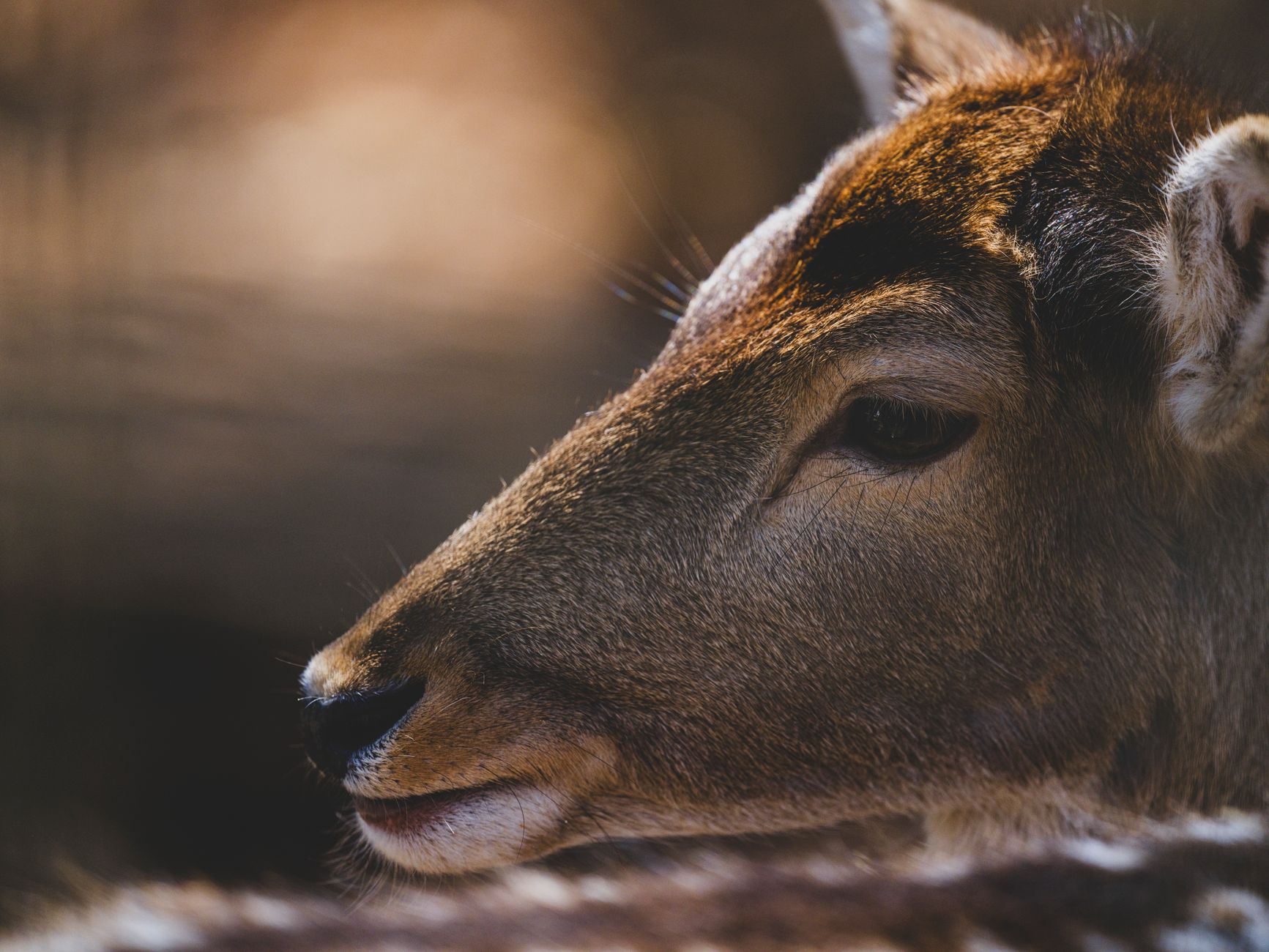
Wild deer can carry a multitude of diseases and parasites that can be transmitted to humans (zoonotic diseases). These can range from relatively minor infections to serious and potentially life-threatening illnesses.
-
Lyme Disease: Transmitted through deer ticks, Lyme disease can cause a range of symptoms, from fatigue and joint pain to neurological problems. Deer are a primary host for these ticks.
-
Chronic Wasting Disease (CWD): While not directly transmissible to humans yet, CWD is a fatal neurological disease affecting deer, elk, and moose. Handling infected animals or contaminated materials could potentially increase the risk of future transmission to humans. Strict precautions are in place when handling deer carcasses in CWD-affected areas.
-
Rabies: Though less common in deer than in other wildlife like raccoons and bats, rabies is a deadly viral disease that can be transmitted through saliva. Any wild animal behaving strangely should be avoided.
-
E. coli and Salmonella: Bacteria present in deer feces can contaminate hands and potentially cause gastrointestinal illnesses.
-
External Parasites: Ticks, fleas, and mites are common on deer and can easily transfer to humans.
Risk of Injury: More Than Just a Bite
While deer are typically docile, they are still wild animals. If they feel threatened or cornered, they can become aggressive.
-
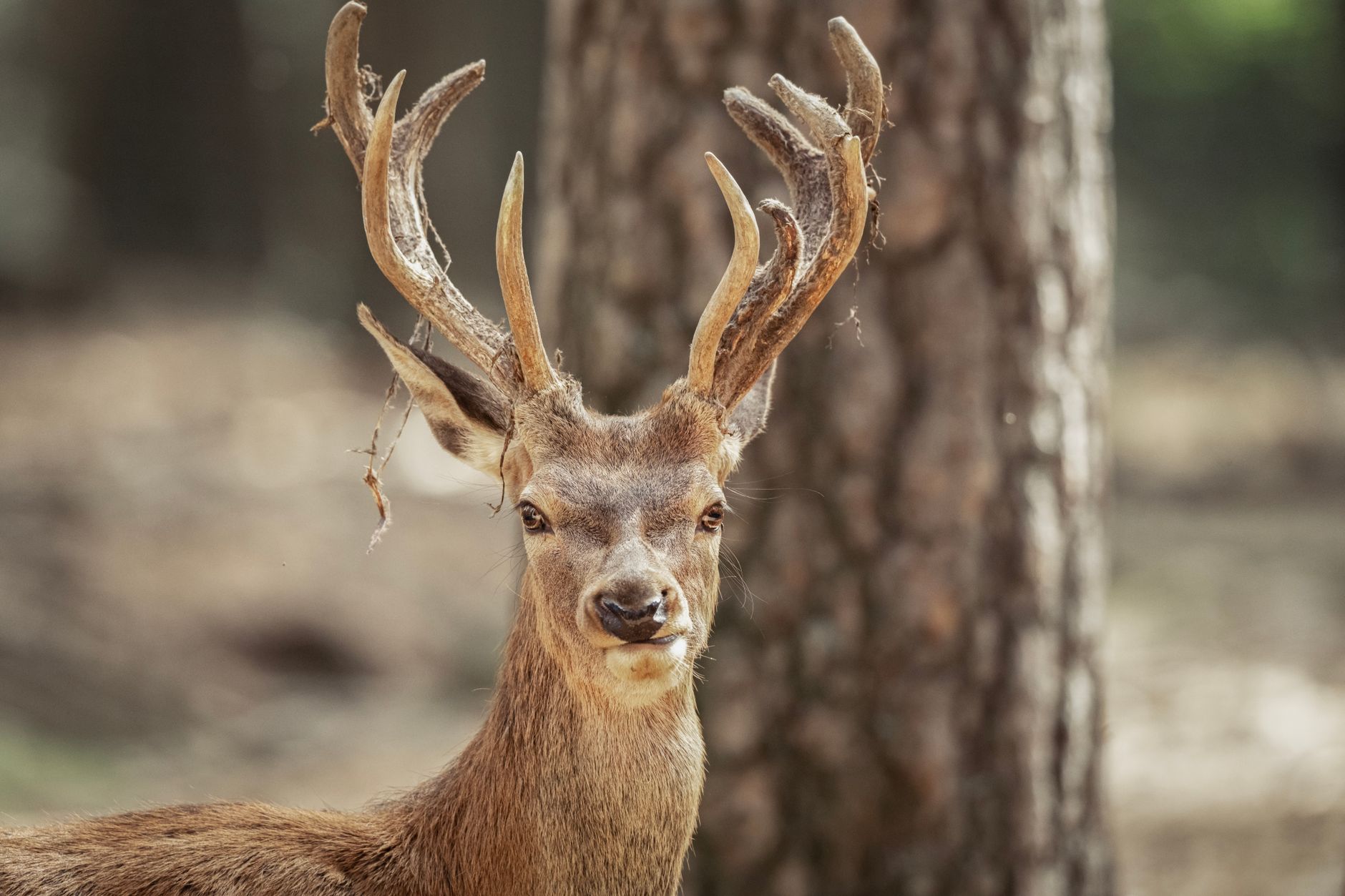
Antler Injuries: Male deer, particularly during the mating season (rut), can be highly territorial and aggressive. Their antlers can inflict serious injuries.
-
Kicks and Trampling: Even without antlers, a deer’s powerful legs can deliver a painful and potentially debilitating kick.
-
Panic and Flight: A startled deer may run blindly, potentially injuring itself or others in its path, including the person attempting to touch it.
Impact on Deer: Stress and Dependence
Even well-intentioned interactions can negatively impact deer.
-
Stress: Being approached by humans can cause significant stress for deer, especially young fawns. This stress can weaken their immune system and make them more susceptible to disease.
-
Habituation and Dependence: Regularly feeding or interacting with deer can cause them to lose their natural fear of humans. This can lead to them becoming habituated to human presence and dependent on humans for food. This makes them vulnerable to traffic collisions and conflicts with property owners.
Legal Considerations: It Might Be Illegal
In many jurisdictions, it is illegal to feed, harass, or touch wild animals, including deer. These laws are in place to protect both humans and wildlife. Check your local regulations to ensure you are not violating any laws. Penalties can range from fines to more serious charges.
What To Do If You Find A Deer: Observation From Afar
The best course of action when encountering a deer is to observe it from a safe distance. Admire their beauty without interfering with their natural behavior. If you are concerned about a deer’s health or safety, contact your local wildlife authorities or animal control for assistance. They are equipped to handle these situations professionally and safely. Do not attempt to rescue or assist the deer yourself.
Protecting Yourself: Common Sense Prevails
Even if you maintain a safe distance, there are steps you can take to further protect yourself.
- Wear Insect Repellent: To protect against ticks, use insect repellent containing DEET or picaridin when in areas where deer are common.
- Check for Ticks: After spending time outdoors, thoroughly check yourself and your pets for ticks.
- Stay on Marked Trails: When hiking in deer habitat, stick to marked trails to minimize your exposure to ticks and other hazards.
- Supervise Children and Pets: Keep a close eye on children and pets when they are near deer.
Is it safe to touch wild deer? The answer is a clear and unequivocal no. By understanding the risks involved and practicing responsible wildlife interaction, we can protect both ourselves and these magnificent animals.
Frequently Asked Questions
What should I do if I find a baby deer (fawn) alone?
Often, a fawn that appears to be abandoned is not. The mother deer will leave the fawn hidden for extended periods while she forages, returning periodically to feed it. If the fawn appears healthy and is not in immediate danger (e.g., near a road), the best thing to do is leave it alone and observe it from a distance. Contact your local wildlife authorities if the fawn appears injured, distressed, or has been alone for an extended period (e.g., more than 24 hours) and in obvious distress. Do not attempt to “rescue” the fawn unless directed to do so by a professional.
Is it okay to feed deer in my backyard?
While seemingly harmless, feeding deer can have several negative consequences. It can disrupt their natural feeding patterns, leading to dependence on humans. It can also attract large numbers of deer to a small area, increasing the risk of disease transmission. Furthermore, it can lead to overpopulation and damage to gardens and landscaping. It’s best to admire them from a distance without providing food.
What diseases can deer transmit to humans?
Deer can transmit several diseases to humans, including Lyme disease (through ticks), rabies, E. coli, and Salmonella. While Chronic Wasting Disease (CWD) has not yet been shown to be transmissible to humans, it is a concern, and precautions should be taken when handling deer carcasses in CWD-affected areas. Always practice good hygiene after being in areas where deer are present.
How can I protect myself from ticks when I’m hiking in deer habitat?
To protect yourself from ticks, wear light-colored clothing, which makes it easier to spot ticks. Tuck your pants into your socks or boots and apply insect repellent containing DEET or picaridin to your skin and clothing. After hiking, thoroughly check yourself, your clothing, and your pets for ticks. Showering within two hours of coming indoors can also help remove unattached ticks. Prompt removal of ticks reduces the risk of Lyme disease and other tick-borne illnesses.
What are the signs that a deer is sick or injured?
Signs of illness or injury in a deer can include limping, disorientation, lethargy, excessive drooling, and difficulty breathing. If you observe a deer exhibiting these signs, contact your local wildlife authorities or animal control for assistance. Do not approach the deer yourself.
What should I do if a deer approaches me?
If a deer approaches you, remain calm and slowly back away. Avoid making sudden movements or loud noises, as this could startle the deer and cause it to become aggressive. If the deer continues to approach, try to make yourself look larger by raising your arms and making noise. The goal is to deter the deer without provoking it.
Is it safe to let my dog interact with deer?
It is generally not safe to let your dog interact with deer. Deer can be territorial and may attack dogs, especially if they feel threatened or if their young are nearby. Additionally, dogs can transmit diseases and parasites to deer, and vice versa. Keep your dog on a leash and under control when in areas where deer are present.
What is Chronic Wasting Disease (CWD), and why is it a concern?
CWD is a fatal neurological disease affecting deer, elk, and moose. It causes progressive weight loss, behavioral changes, and ultimately death. While not yet directly transmissible to humans, scientists are concerned about the potential for future transmission. It’s essential to follow local guidelines regarding handling deer carcasses in CWD-affected areas.
Are there any situations where it might be okay to touch a wild deer?
The only exception is when a trained and licensed wildlife rehabilitator is working with an injured or orphaned deer. These professionals have the knowledge, skills, and equipment necessary to handle deer safely and humanely. Under no circumstances should an untrained individual attempt to handle a wild deer.
How can I prevent deer from eating my garden plants?
There are several ways to deter deer from eating your garden plants, including using deer-resistant plants, installing fences, and applying deer repellents. You can also try using motion-activated sprinklers or lights to scare them away. A combination of methods is often most effective.
What are the best ways to observe deer safely?
The best way to observe deer safely is to do so from a distance, using binoculars or a spotting scope. Remain quiet and avoid making sudden movements. Observe them in their natural habitat without interfering with their behavior. Respect their space and maintain a safe distance.
Why is it important to respect wildlife boundaries?
Respecting wildlife boundaries is crucial for both human safety and the well-being of the animals. Wild animals, including deer, are unpredictable and can be dangerous if they feel threatened. Furthermore, interfering with their natural behavior can have negative consequences for their health and survival. Maintaining a safe distance is essential for peaceful coexistence. Is it safe to touch wild deer? Remembering this question and the reasons behind the answer helps to ensure the safety and well-being of both humans and wildlife.