

Is It Safe to Interact With Wild Dolphins?
Interacting with wild dolphins can be extremely dangerous, both for humans and the animals themselves. While the allure of these intelligent and charismatic creatures is undeniable, prioritizing their well-being and your own safety demands a cautious approach and often, complete avoidance.
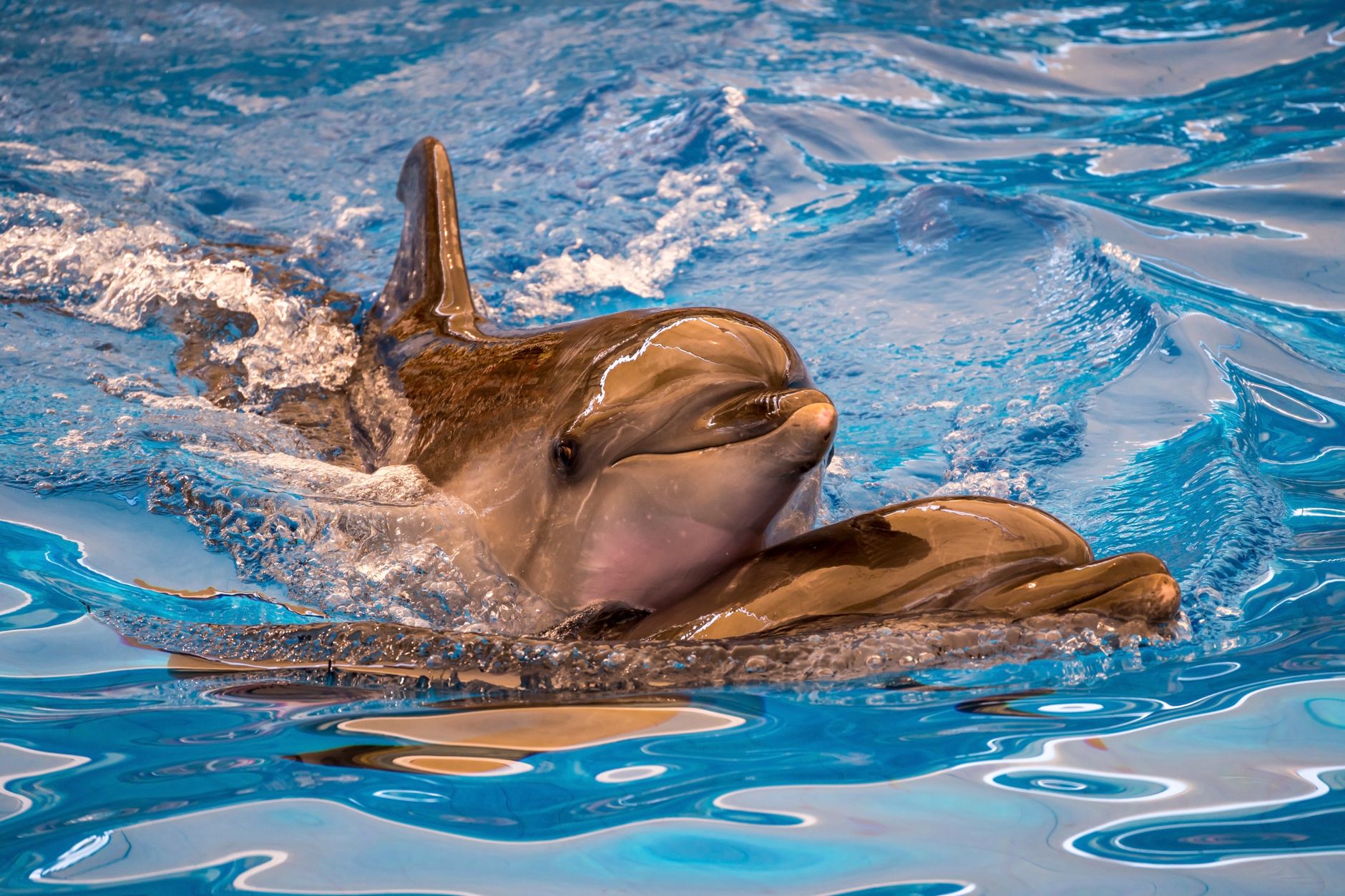
The Enchanting Appeal of Wild Dolphin Encounters
Dolphins, with their playful demeanor and apparent intelligence, hold a powerful fascination for humans. The opportunity to swim with, touch, or simply observe these marine mammals up close is often portrayed as a magical and unforgettable experience. This image, fueled by popular culture and tourism industries, often overshadows the realities and potential dangers involved.

What colours are fish most attracted to?
Can you put your finger in a trout's mouth?
Is methylene blue anti bacterial?
Does aquarium salt raise pH in aquarium?
Understanding Dolphin Behavior and the Wild Environment

It’s crucial to remember that dolphins, despite their seemingly friendly interactions in captivity or controlled environments, are wild animals residing in a complex and unpredictable ecosystem. Their behavior is driven by instinct, survival, and social dynamics, not human desires. Understanding these factors is paramount when considering Is it safe to interact with wild dolphins?
- Predatory Nature: While generally not considered dangerous to humans, dolphins are powerful predators. Their jaws are equipped with numerous sharp teeth, and their strength can be formidable. A startled or defensive dolphin can inflict serious injury.
- Social Hierarchy: Dolphin society is governed by complex hierarchies and social structures. Unwanted intrusions into their social interactions can lead to aggression or territorial defense.
- Unpredictable Environment: The ocean environment itself presents inherent risks. Strong currents, sudden weather changes, and the presence of other marine life can quickly turn a seemingly idyllic encounter into a dangerous situation.
The Potential Harm to Dolphins
Beyond the risk to humans, interacting with wild dolphins can have detrimental effects on the animals themselves. The consequences can range from subtle disruptions to long-term harm.
- Stress and Disruption: Approaching dolphins, especially in boats or with large groups of people, can cause significant stress. This disrupts their natural behavior, including feeding, resting, and socializing.
- Habituation and Dependence: Repeated interactions with humans can lead to habituation, where dolphins become less wary of people and boats. This can make them more vulnerable to boat strikes, entanglement in fishing gear, and other dangers. They may also become dependent on humans for food, altering their natural foraging habits and potentially leading to malnutrition.
- Disease Transmission: The exchange of diseases between humans and dolphins is a serious concern. Dolphins can carry pathogens that are harmful to humans, and vice versa.
Ethical Considerations: Respecting Wildlife
Even if an interaction seems harmless on the surface, it’s essential to consider the ethical implications. Wild animals deserve to live their lives without unnecessary interference from humans. Respecting their space and allowing them to thrive in their natural environment is a fundamental principle of wildlife conservation. Asking yourself Is it safe to interact with wild dolphins? should also include “Is it right?”
Guidelines for Responsible Observation
While direct interaction is generally discouraged, observing dolphins from a safe distance can be a rewarding experience. Here are some guidelines to minimize disturbance:
- Maintain a safe distance: Keep at least 50 meters (164 feet) away from dolphins.
- Limit observation time: Short, infrequent encounters are less disruptive.
- Avoid chasing or encircling dolphins: Let them control the interaction.
- Do not feed or attempt to touch dolphins: This can alter their natural behavior and make them dependent on humans.
- Reduce noise: Turn off engines when possible and avoid loud noises.
- Respect local regulations: Follow any specific guidelines or laws in place to protect dolphins.
Factors Affecting Interaction Safety
The safety of interacting with wild dolphins is highly variable and depends on numerous factors:
- Location: Some areas have higher dolphin populations and more frequent interactions with humans, increasing the risk of habituation and conflict.
- Dolphin species: Different species have varying levels of tolerance to human presence.
- Group composition: Mothers with calves are particularly sensitive and should be avoided.
- Individual dolphin personality: Some dolphins may be more curious or tolerant than others.
- Human behavior: Responsible observation techniques can minimize disturbance, while irresponsible actions can provoke aggression.
- Environmental conditions: Rough seas and poor visibility increase the risk of accidents.
Laws and Regulations Protecting Dolphins
Many countries have laws and regulations in place to protect dolphins. These laws often prohibit harassment, feeding, and unauthorized interactions. Violating these regulations can result in fines or even imprisonment. The existence of these laws underscores the seriousness of the question: Is it safe to interact with wild dolphins? – legally and ethically.
| Regulation Type | Description | Example |
|---|---|---|
| Harassment Laws | Prohibit actions that disturb or disrupt dolphins’ natural behavior. | Marine Mammal Protection Act (US) |
| Feeding Bans | Forbid the feeding of wild dolphins to prevent habituation and dependence. | Various state and federal regulations |
| Approach Distances | Mandate minimum distances between vessels and dolphins. | Specific regulations vary by location |
| Permitting Systems | Require permits for certain activities, such as research or dolphin-watching tours. | National Marine Fisheries Service (US) |
Alternatives to Direct Interaction
For those seeking a dolphin experience, there are safer and more ethical alternatives to direct interaction:
- Responsible dolphin-watching tours: Choose tours that adhere to strict guidelines for minimizing disturbance. Look for certifications or endorsements from conservation organizations.
- Aquariums and marine parks: While controversial, some facilities offer educational programs and opportunities to observe dolphins in a controlled environment. Choose facilities that prioritize animal welfare and conservation efforts.
- Virtual experiences: Documentaries, films, and online resources can provide an engaging and informative way to learn about dolphins without disturbing them in their natural habitat.
Frequently Asked Questions (FAQs)
Is it safe to swim with wild dolphins?
No, it is generally not safe to swim with wild dolphins. Even seemingly playful dolphins can be unpredictable and potentially dangerous. Moreover, swimming with dolphins can disrupt their natural behavior and contribute to their habituation and dependence on humans.
What are the potential dangers of interacting with wild dolphins?
The dangers include physical injury from bites or collisions, disease transmission between humans and dolphins, and disruption of their natural behaviors. Furthermore, repeated interactions can lead to habituation, making dolphins more vulnerable to boat strikes and other threats.
Can dolphins attack humans?
While rare, dolphins can attack humans if they feel threatened or stressed. Attacks are more likely to occur when people attempt to touch, feed, or otherwise interfere with dolphins.
Is it okay to feed wild dolphins?
No, feeding wild dolphins is never okay. It disrupts their natural foraging behavior, makes them dependent on humans for food, and can lead to malnutrition and other health problems. It can also make them more vulnerable to boat strikes and entanglement in fishing gear.
What should I do if a wild dolphin approaches me?
The best course of action is to remain calm and avoid making sudden movements. Slowly back away and give the dolphin space. Do not attempt to touch or feed it.
Are dolphin-watching tours safe for the dolphins?
Responsible dolphin-watching tours can be safe for dolphins if they adhere to strict guidelines for minimizing disturbance. Look for tours that maintain a safe distance, limit observation time, and avoid chasing or encircling dolphins.
What are the laws regarding interacting with wild dolphins?
Laws vary by location, but many countries have regulations in place to protect dolphins, including prohibitions on harassment, feeding, and unauthorized interactions. Violating these laws can result in fines or imprisonment.
How can I help protect wild dolphins?
You can help protect wild dolphins by supporting conservation organizations, reducing your use of plastics (which can pollute their habitat), and choosing responsible tourism options that minimize disturbance.
Why do some dolphins seem friendly and playful towards humans?
Some dolphins may be naturally curious or tolerant of human presence. However, this does not mean that interaction is safe or ethical. It’s important to remember that they are wild animals and their behavior can be unpredictable.
What are the signs that a dolphin is stressed or uncomfortable?
Signs of stress or discomfort in dolphins include rapid breathing, tail slapping, erratic swimming patterns, and attempts to avoid contact. If you observe these signs, it’s important to give the dolphin space and leave the area.
Are captive dolphins a good alternative to interacting with wild dolphins?
The ethics of keeping dolphins in captivity are widely debated. While some facilities offer educational programs and conservation efforts, others are criticized for animal welfare concerns. It’s important to carefully consider the ethical implications before visiting a marine park or aquarium.
What is the best way to experience dolphins responsibly?
The best way to experience dolphins responsibly is through responsible dolphin-watching tours, observing them from a safe distance in their natural habitat. Alternatively, explore educational resources such as documentaries and online programs. Remember, the dolphins’ well-being should always be prioritized.