

Is It Safe to Handle a Baby Raccoon? A Comprehensive Guide
Handling a baby raccoon seems endearing, but the answer is a resounding no. Doing so poses significant risks to both you and the animal, jeopardizing your health and the raccoon’s well-being.

Introduction: The Allure and the Risks
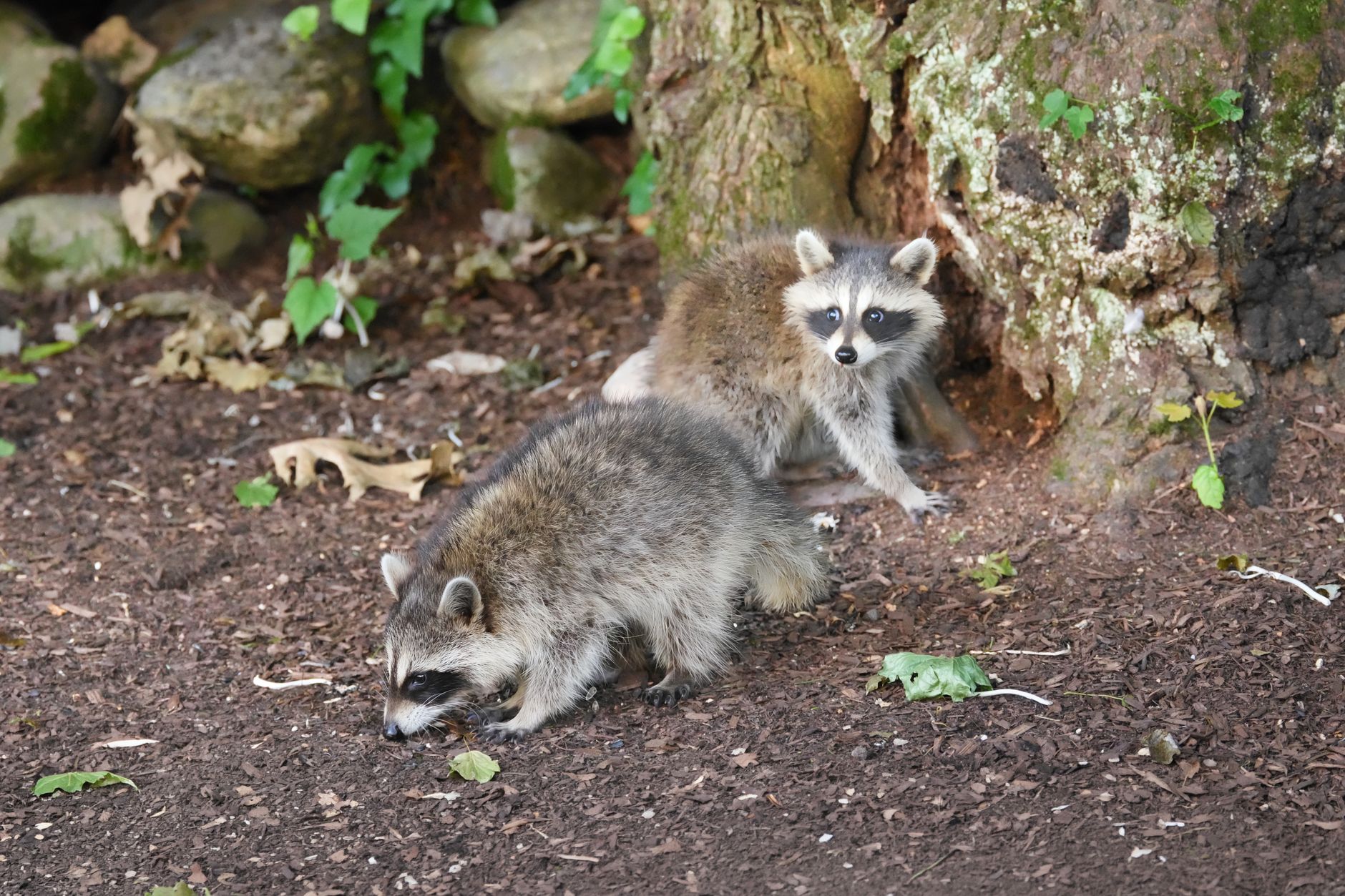
The sight of a seemingly orphaned baby raccoon can tug at the heartstrings. Those masked faces and curious eyes trigger our protective instincts, making us want to scoop them up and offer comfort. However, succumbing to this impulse can have serious consequences. While rescuing wildlife may seem like a noble act, it’s crucial to understand the potential dangers and the legal ramifications involved before considering handling a baby raccoon. Is it safe to handle a baby racoon? Absolutely not, and this article explains why.
What colours are fish most attracted to?
Can you put your finger in a trout's mouth?
Is methylene blue anti bacterial?
Does aquarium salt raise pH in aquarium?
Why Handling Baby Raccoons Is Risky

Several factors contribute to the risks associated with handling baby raccoons:
-
Zoonotic Diseases: Raccoons are known carriers of several diseases that can be transmitted to humans. These zoonotic diseases include rabies, raccoon roundworm, and leptospirosis. Rabies is fatal if left untreated, and raccoon roundworm can cause severe neurological damage. Leptospirosis can lead to kidney and liver damage.
-
Parasites: Raccoons often carry external parasites like fleas, ticks, and mites, which can infest your home and transmit diseases like Lyme disease and Rocky Mountain spotted fever.
-
Aggression: Even baby raccoons can bite or scratch if they feel threatened. Their sharp claws and teeth can inflict painful wounds, increasing the risk of infection. While they may appear docile, fear can trigger a defensive response.
-
Legal Restrictions: In many areas, it is illegal to possess or handle wild animals, including raccoons, without proper permits. Violating these laws can result in fines and other penalties.
-
Improper Care: Raising a wild animal requires specialized knowledge and resources. Feeding a baby raccoon the wrong diet or providing inadequate care can lead to serious health problems or even death.
Recognizing Signs of a Distressed or Orphaned Raccoon
Before you even consider whether is it safe to handle a baby racoon?, it’s vital to determine if intervention is actually needed. Often, seemingly orphaned baby raccoons are simply waiting for their mother to return. Signs that a baby raccoon might need help include:
- Visible injuries or illness
- Being unresponsive or lethargic
- Being found near a deceased mother
- Being consistently crying or making distressed noises for an extended period (several hours)
- Being clearly underweight or malnourished
If you observe any of these signs, it’s best to contact a licensed wildlife rehabilitator or animal control officer for assistance.
What to Do If You Find a Baby Raccoon
If you encounter a baby raccoon, follow these steps:
-
Observe from a Distance: Give the mother raccoon time to return. Monitor the baby raccoon from a safe distance for several hours to see if the mother reappears.
-
Do Not Touch: Avoid touching the baby raccoon. As already established, is it safe to handle a baby racoon? No. Keep children and pets away.
-
Contact Professionals: If the mother does not return, or if the baby raccoon appears injured or ill, contact a licensed wildlife rehabilitator or animal control officer immediately. They are trained to handle these situations and provide appropriate care.
-
Provide Temporary Shelter (If Advised): Under the guidance of a professional, you may be instructed to provide temporary shelter. This could involve placing the baby raccoon in a cardboard box with a soft blanket and a heat source (like a hot water bottle wrapped in a towel), and leaving it near where you found it.
-
Follow Instructions: Adhere strictly to the advice and instructions provided by the wildlife rehabilitator or animal control officer.
The Role of Wildlife Rehabilitators
Wildlife rehabilitators are trained professionals who specialize in caring for injured, orphaned, or sick wild animals. They possess the knowledge, skills, and resources necessary to provide appropriate medical care, nutrition, and housing. Their goal is to rehabilitate these animals and release them back into their natural habitat. Contacting a wildlife rehabilitator is the best course of action when you encounter a baby raccoon in need of help.
Legal Considerations
Federal and state laws regulate the possession and handling of wild animals, including raccoons. These laws are in place to protect both the animals and the public. It is generally illegal to keep a wild animal as a pet without the necessary permits. Violating these laws can result in fines, confiscation of the animal, and even legal prosecution.
Alternatives to Handling: Supporting Wildlife Conservation
Instead of handling baby raccoons directly, you can contribute to wildlife conservation in other ways:
-
Support Local Wildlife Rehabilitators: Donate to local wildlife rehabilitation centers or volunteer your time to assist with their work.
-
Create Wildlife-Friendly Habitats: Provide food, water, and shelter for wildlife in your backyard by planting native trees and shrubs, installing bird feeders and bird baths, and creating brush piles.
-
Educate Others: Share information about the importance of wildlife conservation with your friends, family, and community.
-
Practice Responsible Pet Ownership: Keep pets indoors or under control to prevent them from harassing or killing wildlife.
-
Reduce Your Environmental Impact: Reduce your use of pesticides and herbicides, which can harm wildlife.
Frequently Asked Questions (FAQs)
Can I get rabies from touching a baby raccoon?
Yes, you absolutely can contract rabies from touching a baby raccoon, even if it doesn’t bite or scratch you. The virus can be present in their saliva. While it’s less likely in very young raccoons that haven’t been exposed, the risk is still substantial and medical attention is always necessary after even potential contact.
What if a baby raccoon bites me?
If a baby raccoon bites you, wash the wound thoroughly with soap and water for several minutes. Seek immediate medical attention. Your doctor will assess the risk of rabies exposure and may recommend post-exposure prophylaxis (PEP), which involves a series of vaccinations to prevent the disease.
How do I know if a baby raccoon is orphaned?
Determining if a baby raccoon is truly orphaned requires careful observation. If you see a baby raccoon alone, monitor it from a distance for several hours to see if the mother returns. A healthy baby will typically be quiet and sleeping, awaiting its mother. Prolonged crying, visible injuries, or being found near a deceased mother are signs that the baby may need help.
Can I raise a baby raccoon and release it back into the wild?
Raising a baby raccoon and releasing it back into the wild is highly discouraged and, in many places, illegal. Raccoons require specialized care and training to survive in the wild. Hand-raised raccoons often lack the necessary skills to find food, avoid predators, and interact with other raccoons. Furthermore, they may become overly reliant on humans, making them more vulnerable to harm.
What diseases can raccoons transmit to humans?
Raccoons can transmit several diseases to humans, including rabies, raccoon roundworm (Baylisascaris procyonis), leptospirosis, and giardiasis. They can also carry parasites like fleas, ticks, and mites, which can transmit diseases like Lyme disease and Rocky Mountain spotted fever.
Is it safe to handle a baby raccoon with gloves?
While gloves can provide some protection, it is still not safe to handle a baby raccoon, even with gloves. Gloves can be punctured by the raccoon’s claws or teeth, exposing you to potential diseases and parasites. Gloves do not mitigate risks entirely.
What if I accidentally touch a baby raccoon?
If you accidentally touch a baby raccoon, wash your hands thoroughly with soap and water for several minutes. Monitor yourself for any signs of illness, such as fever, headache, or muscle aches. If you develop any symptoms, consult a doctor.
How can I tell if a baby raccoon has rabies?
It’s impossible to definitively determine if a baby raccoon has rabies without laboratory testing. However, certain symptoms may suggest the possibility of rabies, including unusual aggression, disorientation, drooling, and paralysis. If you observe any of these symptoms, do not approach the raccoon and contact animal control immediately.
What should I do if my pet comes into contact with a baby raccoon?
If your pet comes into contact with a baby raccoon, check your pet for any bites or scratches. Consult your veterinarian to determine if a rabies booster shot is necessary. Also check your pet for fleas and ticks and treat them accordingly.
Are there any circumstances where handling a baby raccoon is acceptable?
The only acceptable circumstance for handling a baby raccoon is when you are a licensed wildlife rehabilitator or working under their direct supervision. These professionals have the necessary training, experience, and resources to safely handle and care for these animals.
How can I prevent raccoons from entering my property?
You can prevent raccoons from entering your property by taking the following steps:
- Secure garbage cans with tight-fitting lids.
- Remove sources of food and water, such as pet food and bird feeders.
- Seal any openings in your home, such as cracks in the foundation or gaps around windows and doors.
- Trim trees and shrubs to prevent raccoons from climbing onto your roof.
- Consider installing motion-activated lights or sprinklers to deter raccoons.
Where can I find a wildlife rehabilitator in my area?
You can find a wildlife rehabilitator in your area by contacting your local animal control agency, humane society, or wildlife conservation organization. You can also search online for wildlife rehabilitators in your state or region.