

Is It Safe to Dive with Bull Sharks?
Whether or not it is safe to dive with bull sharks is a complex question. While bull sharks have a reputation as aggressive, responsible diving practices and informed decision-making can significantly mitigate the risks involved, making the experience potentially safe and even awe-inspiring.

Understanding Bull Sharks: Beyond the Myths
Bull sharks (Carcharhinus leucas) are undeniably powerful predators, and their name alone conjures images of aggression. However, a nuanced understanding of their behavior and the factors influencing it is crucial for assessing the risks associated with diving with them. Bull sharks are opportunistic hunters with a broad diet, found in both saltwater and freshwater environments. They are responsible for a relatively high number of unprovoked attacks on humans, though the actual number remains low compared to the millions of people who enter the water each year. This reputation contributes to the fear surrounding diving with these animals.

What colours are fish most attracted to?
Can you put your finger in a trout's mouth?
Is methylene blue anti bacterial?
Does aquarium salt raise pH in aquarium?
Factors Influencing Bull Shark Behavior
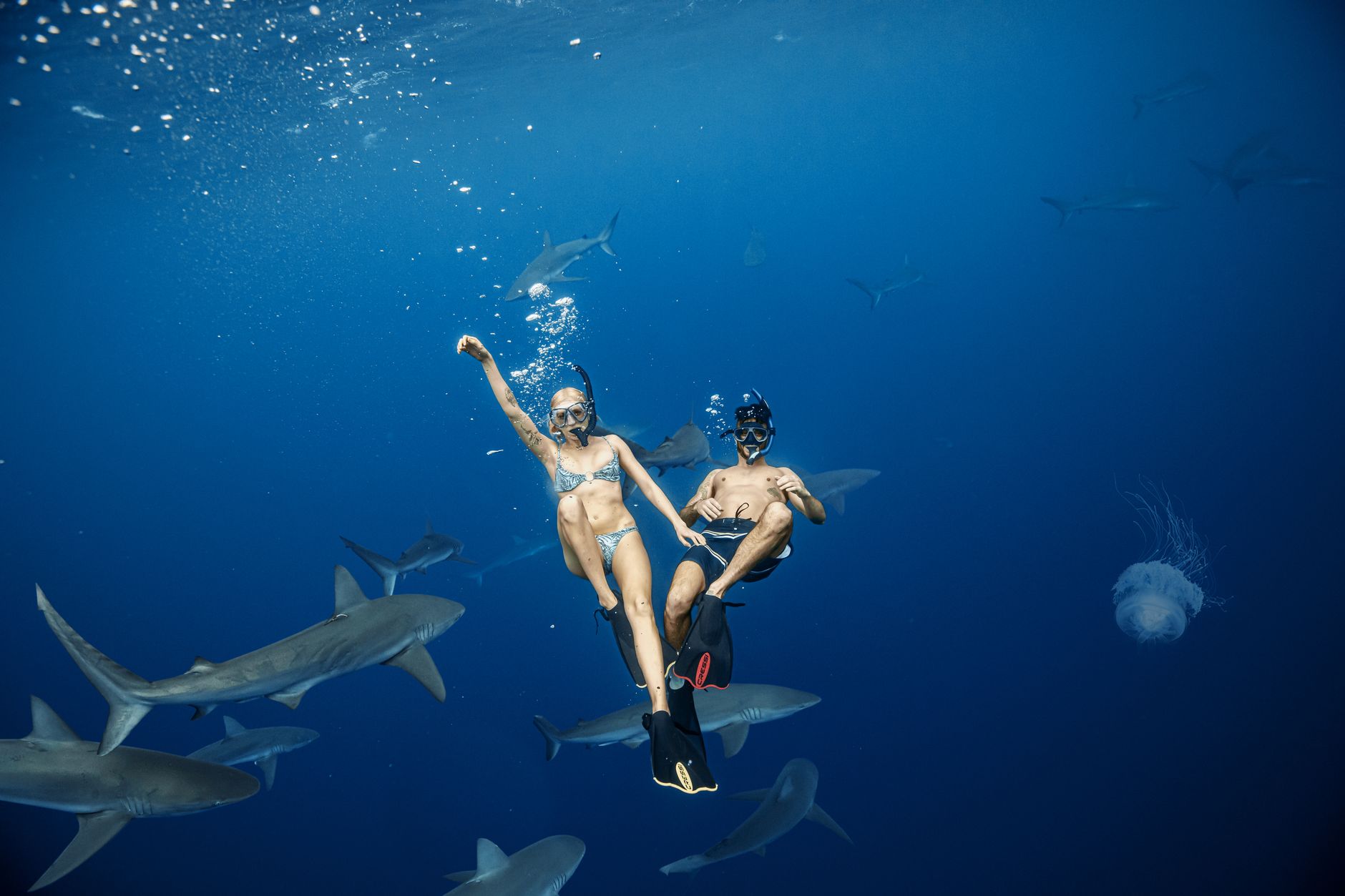
Several factors influence bull shark behavior, making generalizations difficult. Understanding these factors is vital to assessing the safety of diving with them.
- Water Clarity: Poor visibility can increase the likelihood of mistaken identity, a potential trigger for shark attacks.
- Feeding Habits: Proximity to feeding sites, especially those where sharks are chummed (attracted with bait), increases the risk of aggressive behavior.
- Breeding Season: During breeding season, bull sharks, especially females, can be more territorial and protective, potentially leading to increased aggression.
- Environmental Stressors: Changes in water temperature, salinity, or food availability can affect shark behavior and stress levels.
- Diver Behavior: Erratic movements, splashing, or crowding can be perceived as threats by sharks.
Responsible Diving Practices: Mitigating the Risks
The key to safely diving with bull sharks lies in responsible diving practices. This includes choosing reputable operators with extensive experience and adhering strictly to their guidelines.
- Dive with Experienced Operators: Choose operators with a proven track record of safe bull shark dives and a deep understanding of shark behavior.
- Follow Dive Briefings Carefully: Pay close attention to the dive briefing and understand the rules and procedures in place.
- Maintain Neutral Buoyancy: Good buoyancy control is essential to avoid startling or agitating sharks.
- Avoid Erratic Movements: Move slowly and deliberately, avoiding sudden splashing or jerky movements.
- Maintain Eye Contact: Sharks are less likely to approach if they feel they are being watched.
- Be Aware of Your Surroundings: Pay attention to other divers and the overall environment, looking for any signs of potential danger.
- Respect the Sharks: Avoid touching or harassing the sharks in any way.
- Appropriate Gear: Use appropriate diving gear, including a dark wetsuit or exposure suit to minimize visual contrast in the water.
The Appeal of Bull Shark Diving: Why Do It?
Despite the perceived risks, diving with bull sharks can be an incredibly rewarding experience.
- Witnessing Apex Predators in Their Natural Habitat: Observing these magnificent creatures up close is a privilege and a powerful reminder of the ocean’s beauty and power.
- Gaining a Deeper Understanding of Shark Behavior: Diving with bull sharks can dispel myths and foster a greater appreciation for their role in the ecosystem.
- Challenging Preconceived Notions: For many divers, confronting their fears and experiencing these sharks firsthand can be a transformative experience.
- Photography Opportunities: The chance to capture stunning photographs of bull sharks in their natural environment is a major draw for underwater photographers.
- Contribution to Shark Conservation: Some bull shark diving operations contribute to shark research and conservation efforts.
Common Mistakes to Avoid
Several common mistakes can increase the risk of negative interactions with bull sharks. Avoiding these mistakes is crucial for a safe dive.
- Ignoring Dive Briefing Instructions: Dive briefings are designed to ensure diver safety. Ignoring them can lead to dangerous situations.
- Touching or Harassing Sharks: This is disrespectful to the animals and can provoke aggressive behavior.
- Entering the Water with Open Wounds: Blood can attract sharks.
- Wearing Shiny Jewelry or Bright Clothing: These items can resemble prey and attract unwanted attention.
- Panicking: Panic can lead to erratic movements and poor decision-making, increasing the risk of an incident.
- Diving Beyond Your Skill Level: Diving with bull sharks requires a high level of diving proficiency.
- Using Flash Photography Irresponsibly: Using flash in a way that startles or disorients sharks can be dangerous.
Popular Bull Shark Diving Destinations
Several locations worldwide offer opportunities to dive with bull sharks, each with its unique characteristics.
| Destination | Notable Features | Skill Level Required | Seasonality |
|---|---|---|---|
| Playa del Carmen, Mexico | Reliable sightings, clear water, experienced operators | Intermediate | November – March (best during breeding season) |
| Beqa Lagoon, Fiji | Abundant bull shark population, feeding dives, diverse marine life | Intermediate | Year-round |
| Protea Banks, South Africa | Large sharks, challenging conditions, strong currents | Advanced | Year-round |
| Jardines de la Reina, Cuba | Pristine reef ecosystem, limited human impact, diverse shark species | Intermediate | Year-round |
Frequently Asked Questions (FAQs)
Are bull sharks more aggressive than other shark species?
Bull sharks are often perceived as more aggressive than other shark species due to their opportunistic feeding habits and presence in shallow coastal waters, increasing the likelihood of encounters with humans. However, aggression is a complex behavior influenced by various factors, and labeling any shark species as inherently “aggressive” is an oversimplification. Responsible behavior and respectful diving practices are the best protection against unwanted interactions.
What is the minimum diving experience required to dive with bull sharks?
The minimum diving experience required varies depending on the operator and location. Generally, divers should be at least advanced open water certified with a significant number of dives logged. Strong buoyancy control, experience diving in currents, and familiarity with shark diving protocols are essential. Some operators may require specific certifications or a check-out dive to assess a diver’s skills.
What safety precautions are taken during a bull shark dive?
Reputable operators take numerous safety precautions, including providing thorough dive briefings, maintaining strict diver-to-shark ratios, using trained safety divers, and adhering to established protocols for managing shark behavior. These precautions are designed to minimize the risk of incidents and ensure the safety of both divers and sharks.
Is chumming used to attract bull sharks during dives?
Chumming, or the practice of attracting sharks with bait, is a controversial but common practice in some bull shark diving operations. While it can provide a reliable way to see sharks, it can also alter their natural behavior and potentially increase the risk of incidents. Ethical operators use responsible chumming techniques, minimizing the amount of bait used and avoiding habituation.
What should I do if a bull shark approaches me too closely?
If a bull shark approaches you too closely, the most important thing is to remain calm. Maintain eye contact, avoid sudden movements, and slowly back away. If possible, place an object, such as a camera or dive tank, between yourself and the shark. Never turn your back on the shark or attempt to swim away quickly, as this can trigger a predatory response.
What is the best time of year to dive with bull sharks?
The best time of year to dive with bull sharks varies depending on the location. In some areas, such as Playa del Carmen, Mexico, the breeding season (November-March) offers the most reliable sightings. However, some locations offer year-round diving opportunities.
What is the cost of diving with bull sharks?
The cost of diving with bull sharks varies depending on the location, operator, and duration of the dive. Prices can range from $150 to $500 or more per dive. It is important to choose a reputable operator that prioritizes safety and conservation, even if it means paying a higher price.
Are there any ethical concerns about diving with bull sharks?
There are valid ethical concerns about diving with bull sharks, particularly regarding the practice of chumming. Some argue that it alters natural behavior and creates a dependency on human-provided food. However, many operators are committed to sustainable and ethical practices, contributing to shark research and conservation. Divers should research operators thoroughly and choose those that prioritize animal welfare.
What role does shark diving play in conservation efforts?
Shark diving can play a significant role in conservation efforts by generating revenue that supports local economies and providing an incentive to protect shark populations. When done responsibly, shark diving can also educate the public about the importance of sharks and their role in the ecosystem.
What equipment is recommended for diving with bull sharks?
In addition to standard scuba diving equipment, it is recommended to wear a dark wetsuit or exposure suit to minimize visual contrast in the water. A dive computer, underwater camera, and reef hook (in some locations) can also enhance the experience. Always check with your operator for specific equipment recommendations.
What are the long-term effects of shark feeding on bull shark populations?
The long-term effects of shark feeding on bull shark populations are still being studied. Some research suggests that it can alter natural migration patterns, increase aggression, and disrupt social structures. More research is needed to fully understand the implications of shark feeding, and responsible management practices are essential.
Is it safe to dive with bull sharks as a beginner diver?
Is it safe to dive with bull sharks? No, it is generally not safe to dive with bull sharks as a beginner diver. The environment, currents and presence of apex predators demand a high level of diving proficiency, buoyancy control, and situational awareness that beginners often lack. Gaining more experience and advanced certifications are crucial before considering such dives.