

Is Raising a Lion as a Pet Truly Feasible? A Deep Dive
Is it possible to raise a lion as a pet? The unequivocal answer is no, it is not recommended, ethical, or practically feasible to raise a lion as a pet due to inherent dangers, specialized care requirements, legal ramifications, and profound ethical considerations regarding animal welfare and public safety.

Understanding the Appeal and the Reality
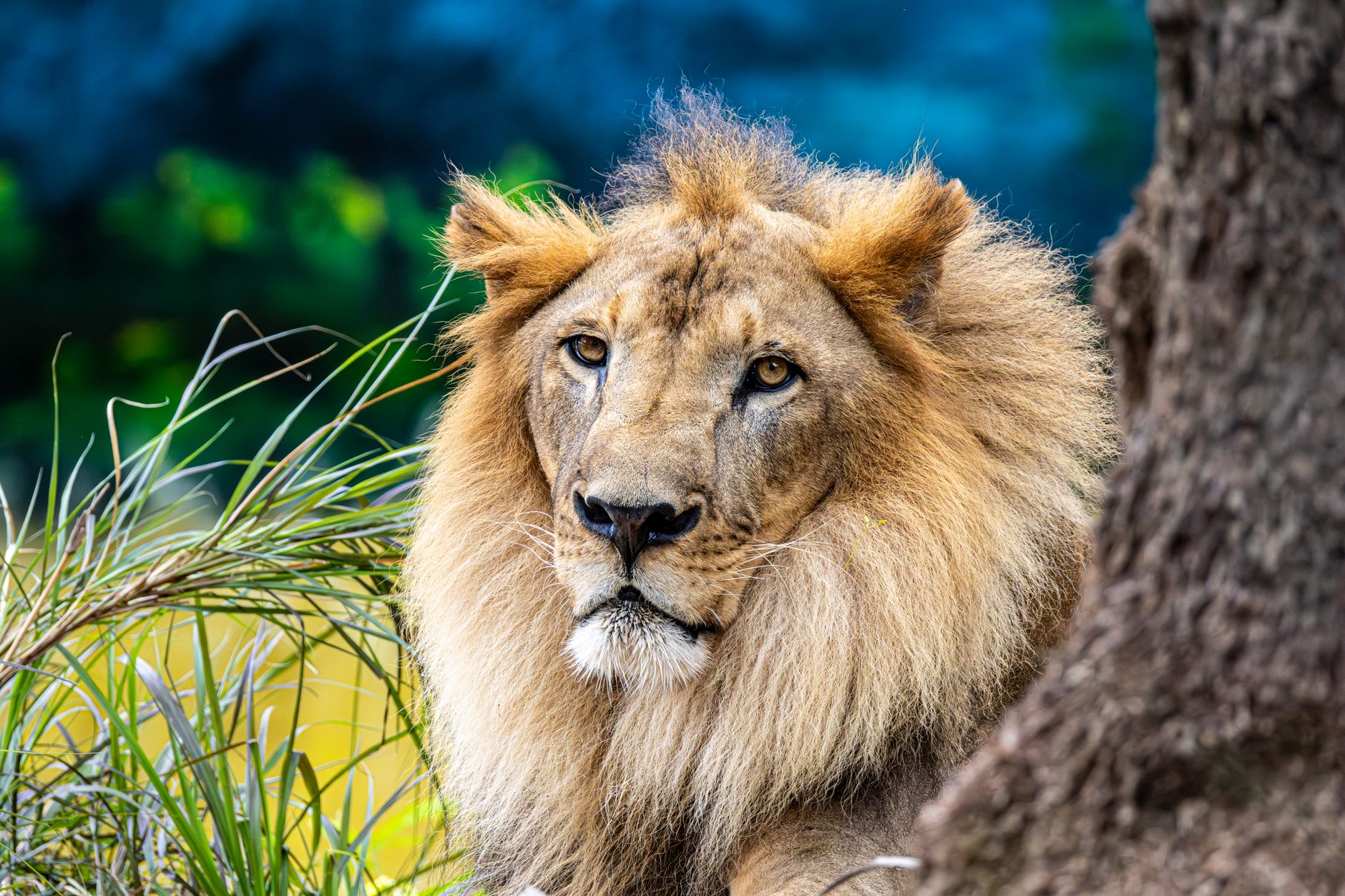
The allure of owning exotic animals, including lions, often stems from a misguided perception of power, status, and uniqueness. However, the reality of caring for a lion is a far cry from the romanticized image. Lions are apex predators with complex needs that cannot be adequately met in a domestic environment. The notion that a lion can be tamed or domesticated is a dangerous fallacy.
What is the GREY African clawed frog?
Is distilled water good for goldfish?
What colours are fish most attracted to?
Can you put your finger in a trout's mouth?
The Immense Responsibility and Commitment

Owning a lion is not akin to owning a dog or cat. It entails a level of responsibility and commitment that most people are ill-equipped to handle. Here are some critical aspects to consider:
- Space Requirements: Lions require vast expanses of land to roam and express their natural behaviors. A typical backyard is woefully inadequate.
- Dietary Needs: Feeding a lion involves providing large quantities of meat, which is expensive and requires specialized sourcing and handling. They can easily consume 10-15 pounds of meat daily.
- Veterinary Care: Finding a veterinarian experienced in treating lions is challenging and costly. Regular check-ups, vaccinations, and potential emergencies require specialized expertise.
- Enrichment: Lions need constant mental and physical stimulation to prevent boredom and aggression. This requires creating a stimulating environment with opportunities for hunting, climbing, and social interaction.
Legal and Ethical Considerations
Beyond the practical challenges, legal and ethical considerations play a crucial role in the debate surrounding exotic animal ownership.
- Legality: Many jurisdictions have strict laws prohibiting or severely restricting the ownership of exotic animals like lions. Violating these laws can result in hefty fines, confiscation of the animal, and even criminal charges.
- Animal Welfare: Confining a lion to a domestic environment deprives it of the opportunity to live a natural and fulfilling life. It subjects the animal to stress, boredom, and potential physical and psychological harm. Ethically, keeping a lion as a pet is fundamentally wrong.
- Public Safety: Lions are inherently dangerous animals capable of inflicting serious injury or death. Even well-intentioned owners cannot guarantee the safety of themselves, their families, or the public. Is it possible to raise a lion as a pet? And ensure public safety at the same time? The answer is a resounding no.
Common Misconceptions and Dangers
Many people underestimate the dangers associated with keeping lions as pets, often clinging to misguided beliefs about their ability to tame or control these powerful animals.
- “I can raise it from a cub and it will be tame”: This is a dangerous misconception. Lions retain their wild instincts regardless of how they are raised. As they mature, their natural predatory behaviors will emerge.
- “Lions are just big cats”: While lions are related to domestic cats, their size, strength, and predatory instincts are vastly different. Treating them as oversized house cats is a recipe for disaster.
- Underestimating the Cost: The financial burden of caring for a lion extends far beyond the initial purchase price. Food, veterinary care, enclosure maintenance, and insurance can quickly become overwhelming.
Table: Comparing Lion Ownership with Dog Ownership
| Feature | Lion Ownership | Dog Ownership |
|---|---|---|
| Space | Extensive, specialized enclosure | Relatively small yard or apartment |
| Diet | Large quantities of meat, specialized sourcing | Commercial dog food |
| Veterinary Care | Specialized exotic animal vet, costly | Readily available, relatively affordable |
| Legality | Highly restricted, often illegal | Generally legal, subject to local ordinances |
| Safety | Significant risk of injury or death | Minimal risk with proper training and socialization |
| Ethicality | Highly questionable, detrimental to animal welfare | Generally acceptable, promotes human-animal bond |
The Role of Sanctuaries and Rescue Organizations
Instead of attempting to keep lions as pets, individuals who are passionate about these animals should support reputable sanctuaries and rescue organizations that provide safe and enriching environments for lions rescued from captivity. These organizations play a vital role in educating the public about the plight of captive lions and advocating for stricter regulations on exotic animal ownership.
Frequently Asked Questions (FAQs)
Is it possible to raise a lion as a pet if I have a large property?
Even with a large property, replicating the natural environment and social structure that lions require is impossible. The vastness of the African savanna cannot be duplicated in a backyard, no matter how large. Lions need the freedom to roam, hunt, and interact with other lions in a natural social hierarchy.
Can a lion be domesticated like a dog?
Domestication is a process that takes thousands of years of selective breeding. Lions have not undergone this process and retain their wild instincts. Attempting to “domesticate” a lion through training is fundamentally different and ultimately ineffective. Is it possible to raise a lion as a pet? Not in the true sense of domestication.
What are the potential dangers of owning a lion?
The dangers are numerous and significant, including the risk of serious injury or death to the owner, their family, and the public. Lions are powerful predators with sharp teeth and claws, and their behavior can be unpredictable. They are also prone to aggression, especially if they feel threatened or confined.
Are there any ethical considerations regarding keeping a lion as a pet?
Yes, there are profound ethical considerations. Keeping a lion in captivity deprives it of the opportunity to live a natural and fulfilling life. It subjects the animal to stress, boredom, and potential physical and psychological harm. It is inherently unethical to prioritize personal gratification over the well-being of a wild animal.
What kind of enclosure would a lion need?
A lion enclosure needs to be incredibly robust to prevent escape and protect both the lion and the public. It must be very large with high walls, secure fencing, and multiple layers of containment. The enclosure should also include features that allow the lion to express its natural behaviors, such as climbing structures, digging areas, and access to shade and water.
What does it cost to feed a lion?
The cost of feeding a lion is substantial. Lions require large quantities of meat, typically 10-15 pounds per day. Sourcing high-quality meat that meets the nutritional needs of a lion can be expensive, especially if it requires specialized suppliers.
How difficult is it to find a veterinarian who can treat a lion?
Finding a veterinarian with experience treating lions is extremely difficult. Most veterinarians are trained to treat domestic animals, not exotic species. Specialized exotic animal vets are rare and may be located far away, making access to emergency care challenging.
Are there any laws that prohibit owning a lion?
Many jurisdictions have laws prohibiting or restricting the ownership of exotic animals like lions. These laws vary by state and country, but they often require permits, licenses, and proof of adequate facilities. Violating these laws can result in hefty fines, confiscation of the animal, and criminal charges.
What happens to lions that are confiscated from private owners?
Confiscated lions are typically placed in reputable sanctuaries or rescue organizations that have the resources and expertise to care for them properly. However, finding suitable homes for confiscated lions can be challenging, as many sanctuaries are already at capacity. Is it possible to raise a lion as a pet? No, it’s better to donate to a santuary.
Can lions be trained like dogs?
While lions can be trained to perform certain behaviors through operant conditioning, their fundamental nature remains wild. They are not as amenable to training as domesticated animals like dogs, and their behavior is always unpredictable.
What is the best way to help lions if I can’t own one?
The best way to help lions is to support reputable sanctuaries and rescue organizations that provide safe and enriching environments for these animals. You can also donate to conservation organizations that work to protect lions in the wild and educate the public about the importance of their survival.
Are there any circumstances where it is acceptable to own a lion?
Generally, the only acceptable circumstances for owning a lion are for accredited zoos, research facilities, or sanctuaries dedicated to conservation and education. These institutions have the expertise, resources, and permits necessary to provide proper care for lions while contributing to their conservation. Private ownership is almost always unethical and dangerous.