

Is it Okay to Leave Newborn Puppies Alone With Their Mom?
Generally, yes, it is okay to leave newborn puppies alone with their mom, but only after ensuring a safe and comfortable environment and closely monitoring their initial interactions. Understanding potential risks and knowing when intervention is necessary is crucial for the health and well-being of both mother and pups.

The Initial Bonding Period: Why It’s Critical
The first few days and weeks of a puppy’s life are incredibly vulnerable. The mother dog, or bitch, provides essential care, warmth, and nourishment through nursing. The bond established during this period is vital for the puppies’ physical and emotional development. Before leaving newborn puppies alone with their mom, ensure she is showing appropriate maternal behaviors such as:
- Nursing regularly
- Cleaning and stimulating the puppies to eliminate waste
- Protecting them and keeping them warm
- Exhibiting a calm and attentive demeanor
Any deviation from these behaviors should raise a red flag and warrant immediate veterinary consultation.

What colours are fish most attracted to?
Can you put your finger in a trout's mouth?
Is methylene blue anti bacterial?
Does aquarium salt raise pH in aquarium?
Creating a Safe Whelping Environment
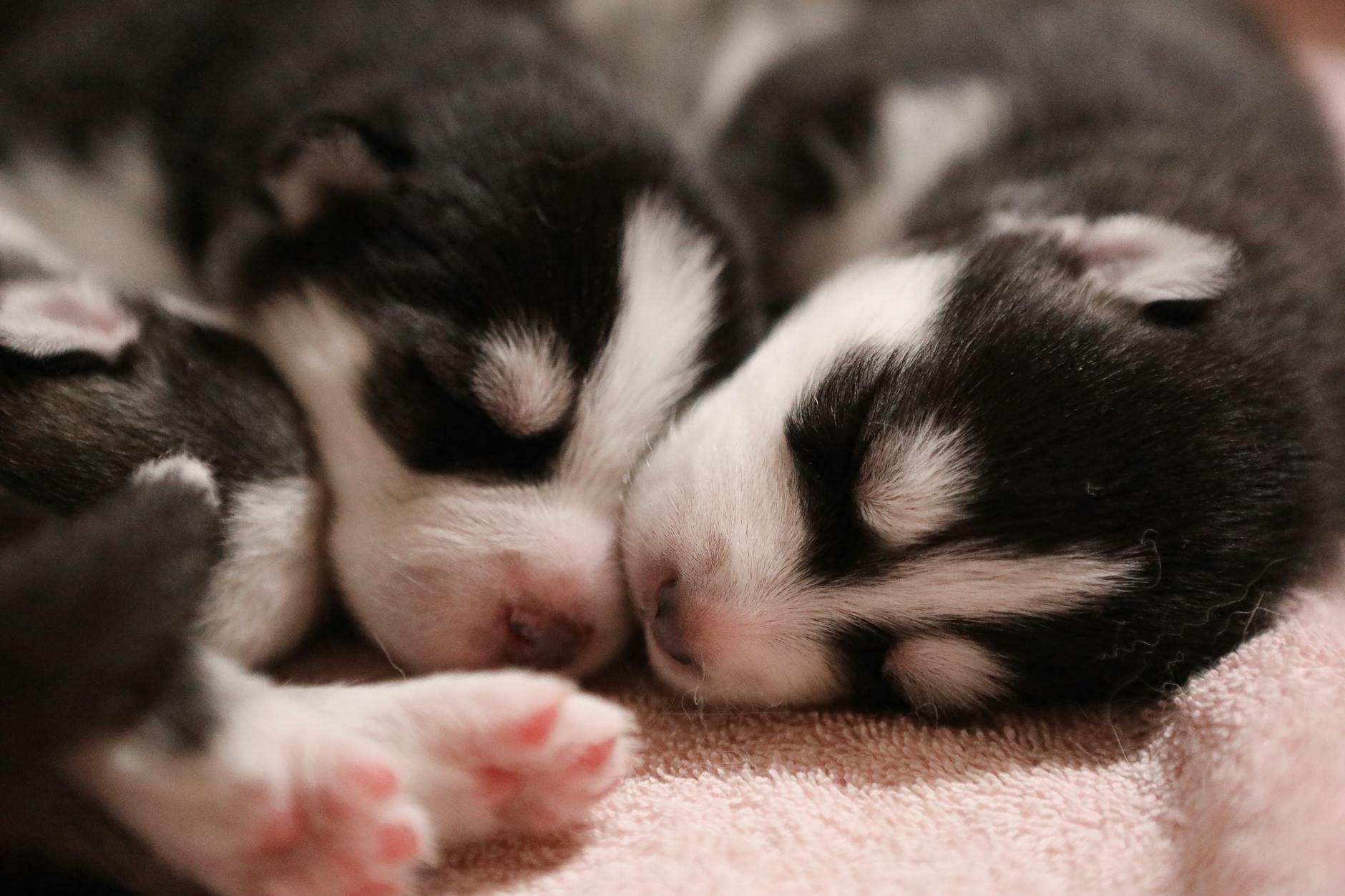
Before whelping (giving birth), it’s paramount to prepare a safe and secure environment for the mother and her pups. This environment minimizes the risks when leaving newborn puppies alone with their mom.
- Whelping Box: Choose a whelping box that is appropriately sized for the breed. It should be large enough for the mother to comfortably move around and nurse but small enough to keep the puppies contained. Consider adding puppy rails to prevent the mother from accidentally crushing the pups against the side of the box.
- Temperature Control: Newborn puppies cannot regulate their own body temperature. Maintain a warm environment. The ambient temperature in the whelping box should be around 85-90°F (29-32°C) during the first week, gradually decreasing to 80°F (27°C) by the fourth week.
- Hygiene: Keep the whelping box clean and dry. Change the bedding regularly to prevent the buildup of bacteria and ammonia.
- Privacy: The whelping area should be in a quiet, low-traffic location where the mother feels safe and secure. Minimize disturbances to avoid stress, which can affect her maternal behavior.
Potential Risks and When to Intervene
While most mother dogs instinctively care for their puppies, complications can arise. Knowing when to intervene is crucial when considering is it okay to leave newborn puppies alone with their mom?.
- Maternal Neglect: Some mothers, especially first-time mothers, may not exhibit proper maternal behaviors. They may ignore the puppies, refuse to nurse, or even show aggression. If maternal neglect is observed, immediate intervention is required.
- Mastitis: Mastitis, an infection of the mammary glands, can be painful for the mother and can contaminate the milk, making it unsafe for the puppies. Signs of mastitis include redness, swelling, and pain in the mammary glands. Veterinary treatment is necessary.
- Dystocia: Dystocia, or difficult birth, can lead to exhaustion and complications for the mother. If the mother is straining excessively or has been in labor for an extended period without producing puppies, veterinary assistance is needed.
- Hypothermia: Newborn puppies are highly susceptible to hypothermia, especially if they are not nursing properly or the environment is too cold. Warm the puppies gradually using a safe heat source.
- Failure to Thrive: Some puppies may fail to thrive, meaning they are not gaining weight or developing properly. This can be due to various factors, including congenital defects or inadequate nursing. Veterinary intervention is often necessary.
- Accidental Injury: Although rare, mothers can accidentally injure their puppies by stepping on them or lying on them. This is why puppy rails are crucial.
Monitoring and Observation
Careful monitoring is key to ensuring the health and well-being of the mother and puppies. Regular observation allows for early detection of potential problems and timely intervention.
- Weight Monitoring: Weigh the puppies daily to ensure they are gaining weight appropriately. A healthy puppy should gain weight consistently each day.
- Behavioral Observation: Observe the puppies for signs of distress, such as excessive crying or restlessness. Also, monitor the mother’s behavior for any signs of illness or neglect.
- Veterinary Check-ups: Schedule regular veterinary check-ups for both the mother and the puppies. The veterinarian can assess their overall health and identify any potential problems.
The Benefits of Leaving the Mother and Puppies Alone (Sometimes)
While constant vigilance is important, the mother also needs time to rest and recover. Briefly leaving newborn puppies alone with their mom (after ensuring she is well-bonded and the environment is safe) can allow her to:
- Eat and drink: Ensure fresh food and water are always available.
- Eliminate waste: The mother needs opportunities to relieve herself.
- Rest and recover: Giving birth is physically demanding. The mother needs time to rest and recover her strength.
Gradual Independence
As the puppies grow and develop, the need for constant supervision decreases. As they begin to move around more independently, start weaning, and their eyes open, the risk of maternal neglect or accidental injury lessens. However, it is still important to monitor their interactions and provide a safe and stimulating environment.
Ultimately, the decision of whether or not is it okay to leave newborn puppies alone with their mom rests on a careful assessment of the individual situation, the mother’s temperament and health, and the environmental conditions.
When To Seek Expert Veterinary Advice
Any concerns about the health or behavior of the mother or puppies should be addressed promptly with a veterinarian. Early intervention can significantly improve the outcome in many cases.
FAQs: Newborn Puppies and Their Mom
How soon after birth can I leave the puppies alone with their mom?
While immediate vigilance is crucial to observe the initial bonding and nursing, if the mother is attentive and the environment is secure, you can leave them alone for short periods within the first few hours. The length of these periods can gradually increase as you gain confidence in the mother’s abilities.
What are the signs of a good mother dog?
A good mother dog will exhibit behaviors such as licking and cleaning the puppies, nursing them regularly, keeping them warm, and protecting them from harm. She will also appear calm and attentive to their needs.
What should I do if the mother rejects her puppies?
If a mother dog rejects her puppies, it’s crucial to consult with a veterinarian immediately. You may need to bottle-feed the puppies and provide them with warmth and stimulation to eliminate waste.
How long should the puppies stay in the whelping box?
The puppies should remain in the whelping box for at least three to four weeks, or until they begin to explore their surroundings more actively. Ensure the whelping box remains a safe and comfortable space even after they start venturing out.
How often should I change the bedding in the whelping box?
The bedding in the whelping box should be changed at least once a day, or more frequently if it becomes soiled. Maintaining a clean environment helps prevent the spread of infection.
Is it okay to handle the newborn puppies?
Yes, it is okay to handle newborn puppies gently and briefly, especially for weighing and checking their overall health. However, avoid excessive handling in the first few days to allow the mother to bond with them. Always wash your hands before handling the puppies.
What temperature should I keep the whelping box at?
The whelping box should be maintained at a temperature of around 85-90°F (29-32°C) during the first week, gradually decreasing to 80°F (27°C) by the fourth week.
How can I tell if a puppy is not getting enough milk?
Signs that a puppy is not getting enough milk include failure to gain weight, excessive crying, restlessness, and a sunken appearance. Weighing the puppies daily is the best way to monitor their weight gain.
What are puppy rails and why are they important?
Puppy rails are horizontal bars placed along the inside edges of the whelping box to prevent the mother from accidentally crushing the puppies against the sides. They create a safe space for the puppies to move around.
How often should the puppies be nursing?
Newborn puppies should nurse every 2-3 hours during the first week of life.
When do puppies start to wean?
Puppies typically start to wean around 3-4 weeks of age. Gradual introduction of solid food can begin at this time.
What are some common health problems in newborn puppies?
Common health problems in newborn puppies include hypothermia, hypoglycemia (low blood sugar), dehydration, and infections. Prompt veterinary care is crucial for addressing these issues. Knowing the answer to the question of is it okay to leave newborn puppies alone with their mom? helps you assess situations and protect the puppies.