
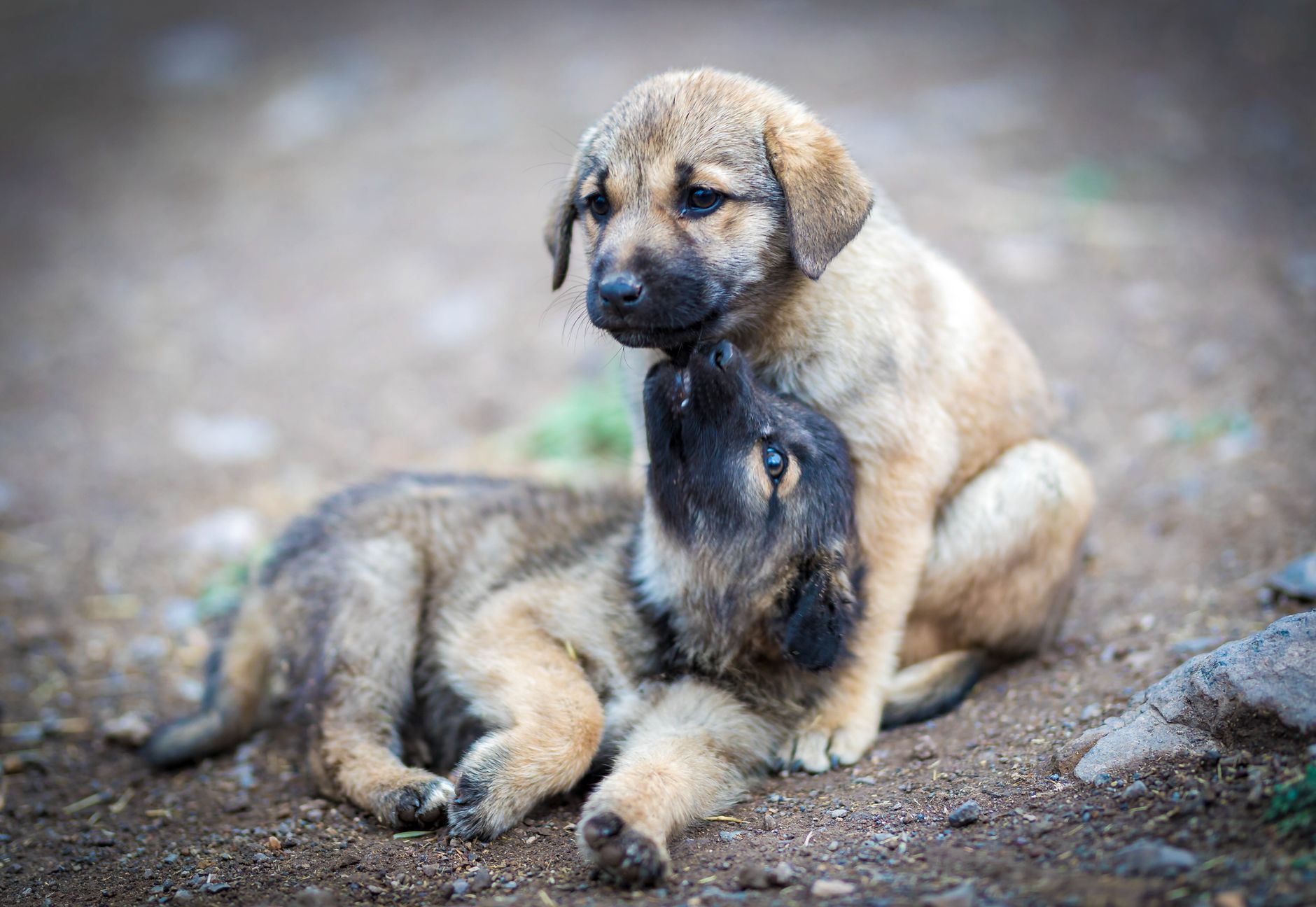
Is it OK to Let Puppies Play Fight? Exploring Safe Play and Socialization
Yes, it is generally OK to let puppies play fight, as it’s a crucial part of their social development and learning appropriate bite inhibition, but it’s vital to supervise interactions closely and intervene when play escalates to aggression.

The Importance of Puppy Play
Puppyhood is a critical period for socialization. Through play, puppies learn essential life skills, develop social boundaries, and build confidence. Play fighting, in particular, helps them understand bite inhibition, body language, and communication signals from other dogs. This early learning significantly impacts their future interactions and behavior.

What colours are fish most attracted to?
Can you put your finger in a trout's mouth?
Is methylene blue anti bacterial?
Does aquarium salt raise pH in aquarium?
Benefits of Play Fighting

Allowing puppies to engage in supervised play fighting offers several key advantages:
- Socialization: Puppies learn how to interact with others, navigate social hierarchies, and understand appropriate social cues.
- Bite Inhibition: This is perhaps the most crucial benefit. Play helps puppies learn how much pressure they can apply with their mouths without causing harm. They learn through the feedback from their playmates.
- Physical Development: Play is excellent exercise for puppies, helping them develop coordination, strength, and stamina.
- Mental Stimulation: Play provides mental stimulation and helps prevent boredom, which can lead to destructive behaviors.
- Emotional Regulation: Puppies learn to manage their excitement and frustration during play, contributing to better emotional regulation later in life.
The Puppy Play Fighting Process: A Delicate Dance
Healthy puppy play typically involves a range of behaviors:
- Play Bows: These are an invitation to play, signaling that the puppy’s intentions are friendly.
- Chasing and Wrestling: Puppies often chase each other and engage in gentle wrestling matches.
- Mouthing and Nipping: Mouthing and nipping are common, but they should be gentle and controlled.
- Vocalization: Playful barks, growls, and yelps are normal, but they should not sound aggressive.
- Taking Turns: Healthy play involves puppies taking turns being the chaser and the chased.
Knowing When to Intervene: Recognizing Red Flags
It’s crucial to supervise play fighting closely and intervene when necessary. Here are some signs that play has escalated to aggression:
- Excessive Growling or Snapping: If the growling or snapping sounds intense or threatening, it’s time to intervene.
- Pinned-Down Puppy Showing Distress: If one puppy is constantly being pinned down and appears distressed (whining, yelping, trying to escape), separate them.
- Bullying Behavior: If one puppy is consistently targeting another and not allowing them to participate in play, intervene.
- Hard Biting that Causes Injury: Any biting that draws blood or leaves marks is unacceptable.
- Change in Body Language: Stiff body posture, raised hackles, and intense staring can indicate escalating aggression.
- Unbalanced Play: One puppy dominates the play, never letting the other initiate or participate.
Common Mistakes to Avoid When Letting Puppies Play Fight
Supervision is crucial to ensure safe and healthy play. Here are some common mistakes to avoid:
- Ignoring Red Flags: Failing to recognize the signs of escalating aggression and not intervening promptly.
- Allowing Mismatched Play: Putting puppies with vastly different sizes or temperaments together.
- Not Providing Breaks: Play can be tiring for puppies. Provide regular breaks to prevent overstimulation.
- Introducing Too Many Puppies at Once: Start with one-on-one playdates and gradually introduce more puppies.
- Punishing Normal Play Behaviors: Don’t punish puppies for playful nipping or growling, as this can inhibit their communication skills. Instead, redirect their behavior.
- Forcing Play: If a puppy is hesitant or scared, don’t force them to play. Allow them to approach at their own pace.
Choosing Appropriate Playmates: Size and Temperament Matter
When selecting playmates for your puppy, consider the following:
- Size: Avoid putting small puppies with very large ones, as the size difference can lead to accidental injuries.
- Temperament: Match puppies with similar temperaments. A high-energy puppy might overwhelm a shy one.
- Age: Puppies of similar ages will typically have similar energy levels and play styles.
- Vaccination Status: Ensure that all puppies are properly vaccinated and dewormed before allowing them to play together.
Creating a Safe Play Environment
The environment where puppies play is just as important as who they play with. Follow these guidelines:
- Safe Space: Ensure the play area is free of hazards such as sharp objects, toxic chemicals, and small items that could be swallowed.
- Neutral Territory: A neutral space minimizes territorial disputes.
- Supervision: Constant supervision allows you to monitor play and intervene if necessary.
- Rest Areas: Provide comfortable resting spots where puppies can take a break.
| Feature | Recommendation |
|---|---|
| Space | Adequate room for running and playing |
| Surface | Soft surfaces like grass or mats to minimize impact on joints |
| Obstacles | Few or no obstacles to prevent tripping or injuries |
| Temperature | Comfortable temperature to prevent overheating or chilling |
| Cleanliness | Clean environment to minimize the risk of infection |
The Role of the Owner: Active Supervision and Intervention
Your role as a puppy owner is to actively supervise and guide play interactions. Don’t just sit back and watch; be prepared to step in when needed.
- Recognize Play Styles: Learn to identify the different play styles of your puppy and their playmates.
- Interrupt Escalatations: If play becomes too rough, interrupt it with a distraction, such as a toy or a verbal cue.
- Provide Breaks: Enforce regular breaks to prevent overstimulation.
- Praise Positive Interactions: Reward puppies for displaying good social behavior, such as taking turns and playing gently.
- Separate if Necessary: If play consistently escalates to aggression, separate the puppies and seek guidance from a professional dog trainer or behaviorist.
Frequently Asked Questions About Puppy Play Fighting
Is all puppy play fighting OK?
No, not all puppy play fighting is OK. While play fighting is a normal part of puppy development, it’s crucial to distinguish between healthy play and aggressive behavior. It is essential to supervise interactions and intervene when necessary to prevent negative experiences and the development of unwanted behaviors.
How do I know if my puppy is being bullied during play?
Signs of bullying include a puppy consistently being pinned down, showing signs of distress (whining, yelping, trying to escape), or being targeted and not allowed to participate in play. Intervene immediately if you observe these behaviors.
What is bite inhibition, and why is it important?
Bite inhibition is a puppy’s ability to control the force of their bite. It is crucial because it determines whether a bite results in a minor nip or a serious injury. Play fighting helps puppies develop bite inhibition through feedback from their playmates.
What should I do if my puppy bites another puppy too hard?
If your puppy bites another puppy too hard, immediately separate them and give both puppies a time-out. Do not scold or punish your puppy, as this can damage your relationship. Instead, redirect their attention to a different activity.
At what age should I stop allowing my puppy to play fight?
As puppies mature and their play styles change, it’s essential to adapt your approach. Continue to supervise play interactions and intervene if you see signs of aggression. Focus on reinforcing positive social behaviors and providing opportunities for alternative forms of exercise and mental stimulation.
What if my puppy doesn’t like to play fight?
Some puppies are not naturally inclined to play fight, and that’s perfectly fine. Respect their preferences and provide alternative forms of enrichment and socialization, such as walks, puzzle toys, and gentle training exercises.
Can play fighting lead to aggression later in life?
While play fighting itself doesn’t necessarily lead to aggression, unsupervised or poorly managed play can contribute to the development of unwanted behaviors. That is why proper supervision and intervention are so vital.
Is it safe to let my puppy play fight with older dogs?
It depends on the individual dogs. Some older dogs are very tolerant and enjoy playing with puppies, while others may be less patient or have physical limitations. Carefully supervise the interactions and ensure that the older dog is comfortable and not being overwhelmed.
How can I teach my puppy appropriate play etiquette?
Use positive reinforcement to reward your puppy for displaying good social behavior, such as taking turns and playing gently. Interrupt and redirect unwanted behaviors, such as excessive biting or bullying.
What are some alternatives to play fighting for exercise and socialization?
Alternatives include:
- Walking: Regular walks provide exercise and exposure to new sights and smells.
- Training Classes: Obedience and agility classes offer mental stimulation and socialization opportunities.
- Puzzle Toys: Puzzle toys engage a puppy’s mind and provide a constructive outlet for energy.
- Sniffing Games: Hiding treats and encouraging your puppy to find them can be a fun and rewarding activity.
Is it OK to let puppies play fight if one puppy is much bigger than the other?
It is generally not OK to allow puppies to play fight if there is a significant size disparity, as it increases the risk of accidental injury to the smaller puppy. Careful supervision is absolutely necessary.
Where can I find more information on puppy socialization and behavior?
Consult with a qualified veterinarian, certified professional dog trainer, or veterinary behaviorist. These professionals can provide personalized guidance and support based on your puppy’s individual needs. They can also recommend reputable resources, such as books, articles, and websites, on puppy socialization and behavior.