
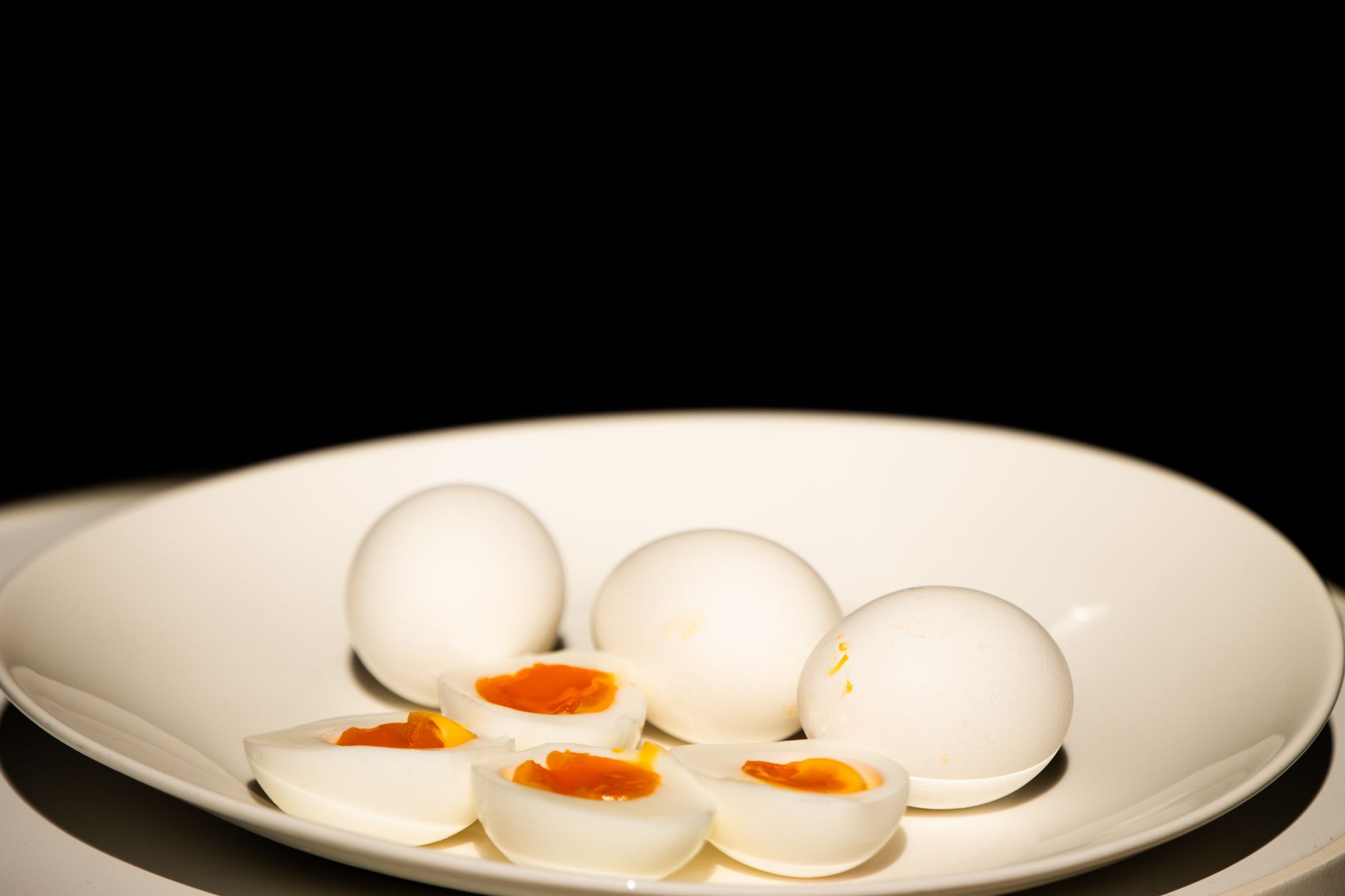
Is It Okay to Hard Boil Eggs That Float?: Unveiling the Truth
Is it OK to hard boil eggs that float?—While often a sign of aging, floating eggs are generally safe to eat if cooked properly, as long as they haven’t spoiled; however, their quality might be diminished. It’s crucial to ensure thorough cooking to eliminate any potential bacterial risks.

Why Eggs Float: A Matter of Air and Age
The buoyancy of an egg is directly related to the amount of air it contains. As eggs age, moisture escapes through the porous shell and is replaced by air. This increased air pocket within the egg makes it less dense than water, causing it to float. Fresh eggs, on the other hand, have a very small air pocket and will sink to the bottom of a container of water. The “float test” is a common method to gauge egg freshness, but it’s not the only indicator of safety.

What colours are fish most attracted to?
Can you put your finger in a trout's mouth?
Is methylene blue anti bacterial?
Does aquarium salt raise pH in aquarium?
The Float Test: A Quick Assessment
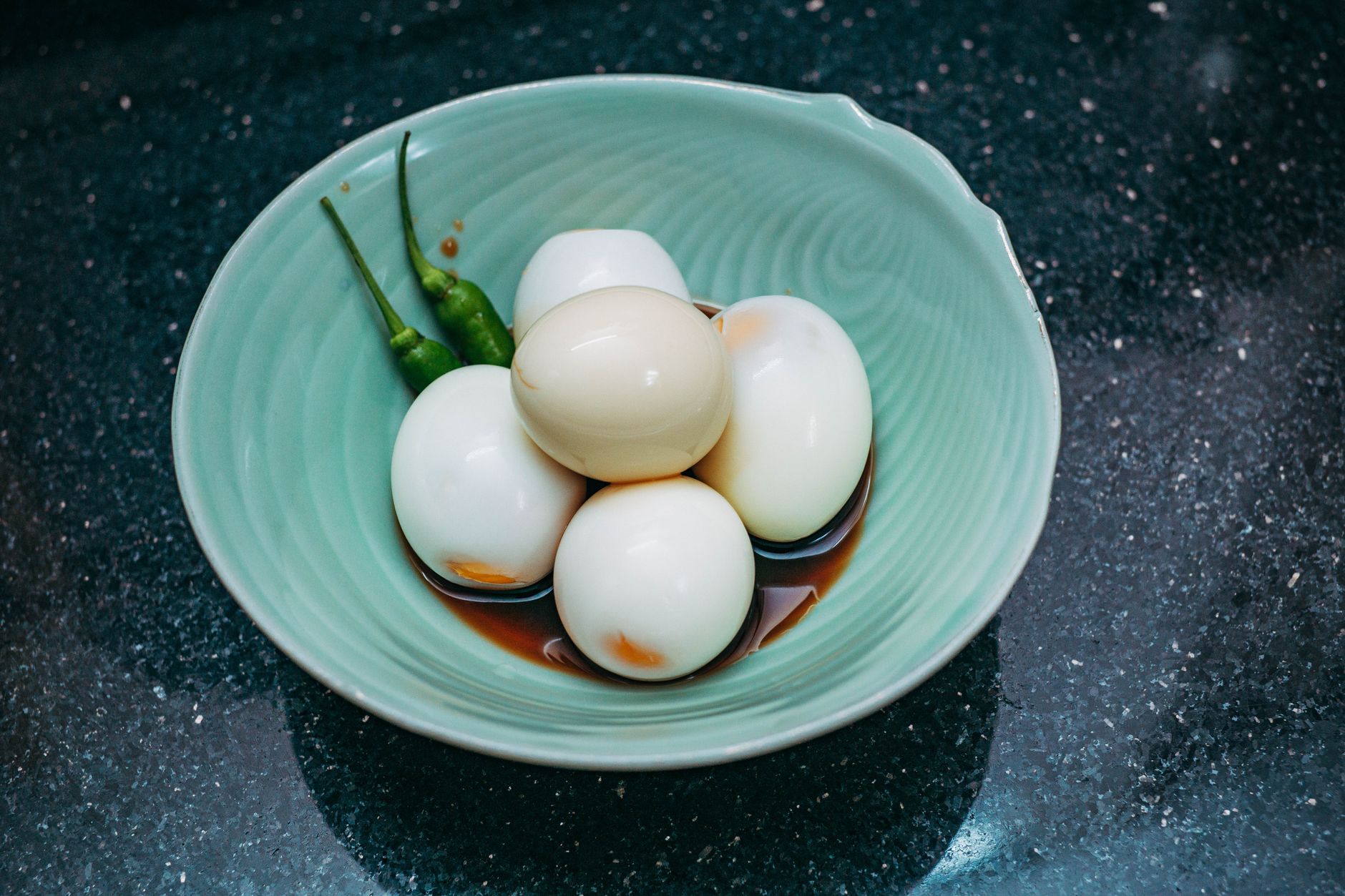
The float test is a simple way to get a rough idea of an egg’s age. Here’s how it works:
- Place the egg in a bowl or glass of water.
- Observe its behavior.
Here’s what the results mean:
- Sinks to the bottom and lies flat: Very fresh.
- Sinks, but stands on one end: Still good, but use soon.
- Floats: Likely old and not recommended for use (unless you have no other options and cook it thoroughly).
It’s important to remember that the float test only indicates age, not necessarily spoilage. A floating egg could still be safe to eat if cooked thoroughly, but its quality (taste, texture) might be compromised.
Assessing Egg Safety Beyond the Float Test
While the float test provides a quick visual check, it’s not a foolproof method to determine if an egg is safe to eat. Rely on other cues to ensure your safety.
- Smell: If the egg has an unpleasant, sulfurous odor, discard it immediately.
- Appearance: Check for any cracks or slime on the shell. Discard if present.
- “Cracking Test”: Crack the egg into a bowl. The yolk should be round and firm, and the white should be thick and not watery. A watery white indicates age, but not necessarily spoilage.
Safe Hard Boiling Techniques for Floating Eggs
If you decide to hard boil an egg that floats, it’s crucial to follow proper cooking procedures to eliminate any potential bacteria. Here’s how:
- Submerge: Place the eggs in a saucepan and cover them with at least an inch of cold water.
- Boil: Bring the water to a rolling boil over high heat.
- Simmer: Once boiling, reduce the heat to low and simmer for 12-15 minutes.
- Cool: Immediately transfer the cooked eggs to a bowl of ice water to stop the cooking process. This also helps prevent a green ring from forming around the yolk.
- Peel: Once cooled, peel and enjoy (or store properly in the refrigerator).
- Important Note: Increase the cooking time by a minute or two if the egg is floating and you’re concerned about safety.
Impact on Taste and Texture
Even if a floating egg is safe to eat after thorough cooking, its taste and texture may be different from that of a fresh egg. Older eggs tend to have thinner whites, which can result in a flatter and less appealing hard-boiled egg. The yolk may also be more rubbery or have a slightly off flavor.
Storage Guidelines
Whether you’re dealing with fresh or slightly older eggs, proper storage is essential to maintain their quality and safety. Store eggs in their original carton in the coldest part of the refrigerator (not the door). Hard-boiled eggs should be refrigerated within two hours of cooking and consumed within a week.
Is it OK to hard boil eggs that float?
Generally, yes, but with caution. Floating eggs are usually older, meaning the air pocket inside has increased. Thorough cooking is essential to kill any potential bacteria.
What does it mean when an egg floats in water?
It means the egg is less dense than water, usually due to an increased air pocket. This is a sign of aging.
How can I tell if an egg is bad?
Rely on multiple indicators: smell (a foul odor is a clear sign), appearance (cracked shell, slimy texture), and the cracking test (thin whites, flat yolk).
Is it dangerous to eat old eggs?
Potentially. Old eggs may harbor bacteria like Salmonella. Thorough cooking can significantly reduce this risk.
What is the best way to hard boil eggs?
The method described above – bringing to a boil and then simmering for 12-15 minutes – is a reliable method for safe and evenly cooked hard-boiled eggs.
Why do hard-boiled eggs sometimes have a green ring around the yolk?
This happens when eggs are overcooked or cooled too slowly. The green ring is harmless and is caused by a reaction between sulfur and iron. Cooling the eggs quickly in ice water will prevent this.
How long do hard-boiled eggs last in the refrigerator?
Properly stored hard-boiled eggs can last up to a week in the refrigerator.
Can I freeze hard-boiled eggs?
Freezing hard-boiled eggs is not recommended. The whites become rubbery and unappetizing.
Does the color of the eggshell affect the quality of the egg?
No. The color of the eggshell is determined by the breed of the hen and does not affect the quality, taste, or nutritional value of the egg.
What are the benefits of eating hard-boiled eggs?
Hard-boiled eggs are a good source of protein, vitamins (like vitamin D and B12), and minerals (like iron and selenium). They are also relatively low in calories. They provide essential nutrients.
Why do some hard-boiled eggs peel easily while others don’t?
Fresh eggs are harder to peel. Older eggs (a few days old) tend to peel more easily because the air pocket allows for easier separation of the membrane from the shell. The ice bath also helps!
Should I discard eggs that float every time?
While it’s generally recommended, it’s a judgment call. If the egg smells and looks fine besides floating, thorough cooking can make it safe. However, if you’re unsure, err on the side of caution and discard it.