
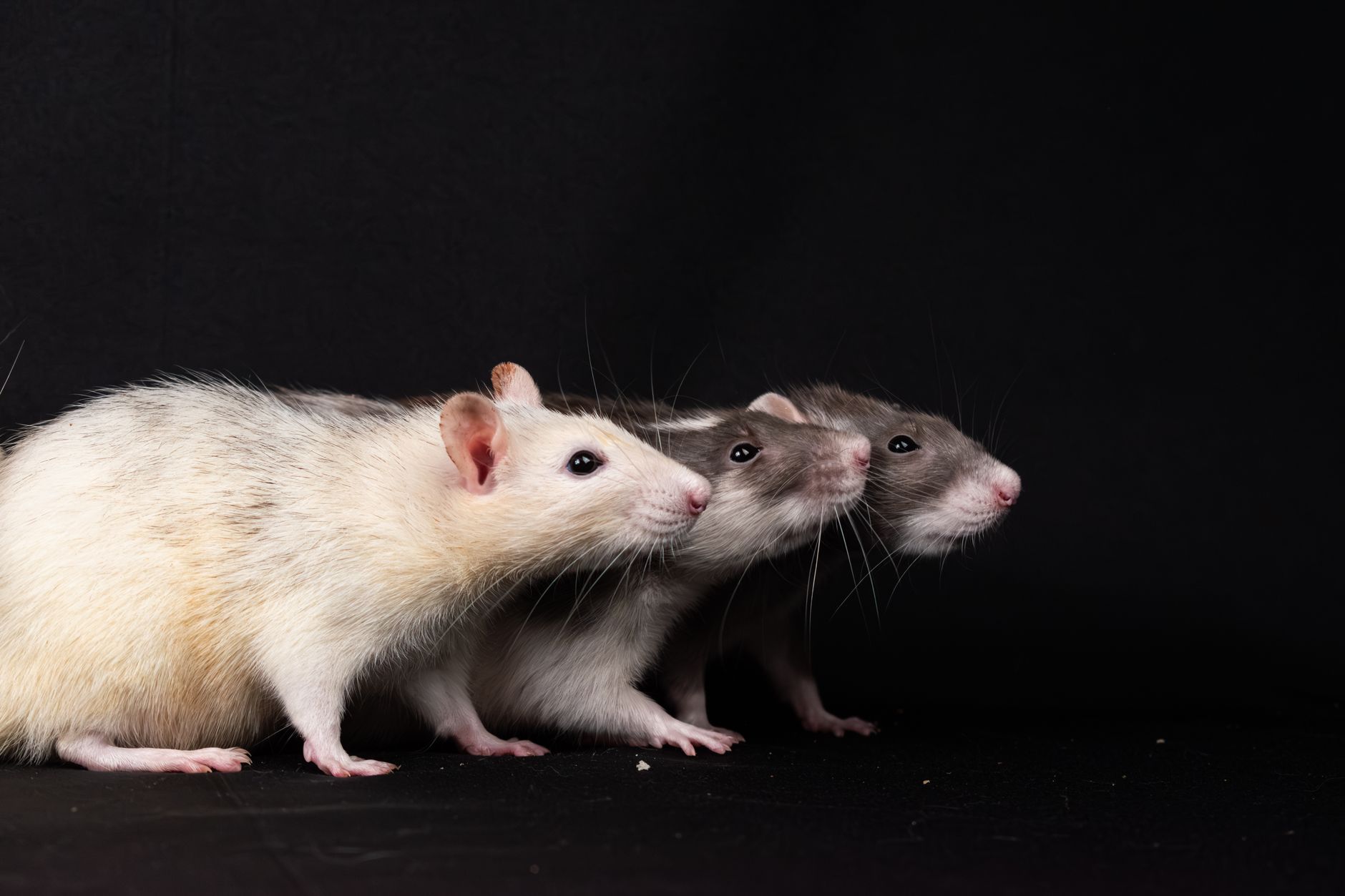
Is It OK to Give a Rat a Bath?
While bathing your pet rat is generally not a necessity, it can be OK under specific circumstances. Understanding when and how to give a rat a bath is crucial for their health and well-being.
Introduction to Rat Hygiene
Rats are naturally meticulous groomers. They spend a significant portion of their day cleaning themselves and their cagemates. Their saliva contains compounds that help keep their fur clean and healthy. So, is it OK to give a rat a bath? The answer isn’t a simple yes or no. Most of the time, the answer is no. Over-bathing can actually do more harm than good, stripping their fur of essential oils and drying out their skin. However, certain situations warrant a bath, such as dealing with a particularly dirty rat, a rat with limited mobility, or one that has been exposed to something harmful.

What colours are fish most attracted to?
Can you put your finger in a trout's mouth?
Is methylene blue anti bacterial?
Does aquarium salt raise pH in aquarium?
When Bathing is Necessary
There are specific situations where giving a rat a bath becomes necessary for their health and hygiene:
-
Excessive Soiling: If a rat is consistently covered in feces, urine, or other substances that they cannot clean themselves, a bath is warranted. This is more common with older or sick rats.
-
Exposure to Toxins: If a rat comes into contact with a potentially harmful substance, such as oil, paint, or chemicals, immediate bathing is critical.
-
Parasite Treatment: During treatment for mites or lice, a bath with medicated shampoo, as prescribed by a veterinarian, may be required.
-
Limited Mobility: Rats with hind leg degeneration or other mobility issues may struggle to groom themselves effectively.
The Correct Bathing Process
If you determine that your rat needs a bath, it’s important to do it correctly to minimize stress and potential harm.
Here’s a step-by-step guide:
- Prepare the Bath: Use a shallow container filled with lukewarm water (around 90-95°F or 32-35°C). The water level should only be a few inches deep, allowing your rat to stand comfortably.
- Choose the Right Shampoo: Use a rat-safe shampoo. Baby shampoo (tear-free formula) is often recommended, but always consult with your veterinarian first. Avoid using human shampoos with strong fragrances or harsh chemicals.
- Introduce Your Rat Gently: Slowly and gently introduce your rat to the water. Speak in a soothing voice to reassure them.
- Apply Shampoo Sparingly: Use a small amount of shampoo and gently lather it into your rat’s fur, avoiding their eyes, ears, and mouth.
- Rinse Thoroughly: Rinse your rat thoroughly with clean, lukewarm water until all traces of shampoo are gone. Residual shampoo can irritate their skin.
- Dry Your Rat: Gently towel-dry your rat as much as possible. You can use a low-heat hair dryer held at a safe distance, but only if your rat tolerates it. Otherwise, continue towel-drying and keep them in a warm, draft-free environment until completely dry.
- Return to Cage: Once dry, return your rat to their cage, which should be clean and have fresh bedding.
Common Mistakes to Avoid
- Using Hot or Cold Water: Water that is too hot or too cold can stress or shock your rat.
- Using Harsh Shampoos: Human shampoos can be too harsh and strip away essential oils.
- Getting Water in Their Ears or Eyes: This can cause discomfort and potentially lead to infections.
- Over-Bathing: Bathing too frequently can dry out their skin and fur.
- Leaving Them Wet in a Cold Environment: This can lead to hypothermia.
- Forcing a Bath: If your rat is extremely stressed or panicked, stop the bath and try again later.
- Using heavily scented shampoos or products: Rats are sensitive to smells and strong scents can cause respiratory distress.
Alternative Cleaning Methods
If a full bath isn’t necessary, consider these alternatives:
- Spot Cleaning: Use a damp cloth to gently wipe away any dirt or debris from specific areas.
- Dry Shampoo: Rat-safe dry shampoos are available and can help absorb excess oil and dirt.
- Sand Baths: Providing a shallow dish of chinchilla dust (NOT sand, which can be too abrasive) can allow your rat to groom itself naturally. However, some rats have respiratory problems and may find the dust irritating.
- Ensure proper cage hygiene: Regularly cleaning and changing the bedding in the cage keeps your rats cleaner and reduces the need for bathing.
Is it OK to give a rat a bath frequently?
No, it is generally not OK to give a rat a bath frequently. This can strip their fur of natural oils and dry out their skin. Only bathe your rat when absolutely necessary.
Frequently Asked Questions (FAQs)
How often should I bathe my rat?
Rats are naturally clean animals and rarely need baths. Unless there’s a specific reason, such as exposure to something toxic or a health condition preventing them from grooming themselves, you should avoid bathing your rat more than once every few months, if at all.
What type of shampoo is safe to use on my rat?
A tear-free baby shampoo is often recommended. However, it’s best to consult with your veterinarian to determine the safest and most appropriate shampoo for your rat’s specific needs, especially if they have sensitive skin or any underlying health conditions.
My rat is terrified of water. What should I do?
If your rat is extremely fearful, do not force them into the water. Instead, try spot cleaning with a damp cloth or using a rat-safe dry shampoo. Gradual acclimation might help in the future: start by introducing them to a shallow dish of water and allowing them to explore it at their own pace.
Can I use a hair dryer to dry my rat after a bath?
Yes, but use extreme caution. Set the hair dryer to the lowest heat setting and hold it at a safe distance to avoid burning your rat’s skin. Monitor them closely for signs of overheating or distress. If your rat is uncomfortable, stop using the hair dryer and continue towel-drying. Many rats prefer to be just towel-dried.
My rat has mites. Should I bathe them?
Bathing your rat might be part of the treatment plan, but always follow your veterinarian’s instructions. They may prescribe a medicated shampoo or other treatments that require specific bathing protocols.
My rat smells bad. What can I do?
Before resorting to a bath, ensure that their cage is clean and that you’re providing adequate ventilation. Regular cage cleaning is the best way to prevent unpleasant odors. You can also try adding a small amount of baking soda to their bedding to absorb odors.
Is it dangerous if my rat licks the shampoo?
While small amounts of baby shampoo may not be immediately toxic, it’s best to avoid your rat ingesting any shampoo. Rinse them thoroughly to remove all traces of shampoo. If you suspect your rat has ingested a significant amount, contact your veterinarian immediately.
My rat has dry skin after a bath. What can I do?
Avoid over-bathing as that’s the most common cause of dry skin. You can also add a small amount of unscented coconut oil to their fur after a bath to help moisturize their skin. Monitor their skin for any signs of irritation or infection.
Can I bathe two rats together?
It is generally not recommended to bathe two rats together. They may become stressed and panic, potentially injuring each other. It’s best to bathe them separately.
My rat is old and has trouble grooming. What are my options?
If your elderly rat is struggling to groom themselves, gentle spot cleaning with a damp cloth is often sufficient. You can also use a soft brush to help remove loose fur and debris. If they have significant mobility issues, a shallow bath might be necessary, but take extra care to avoid stressing them.
What should I do if my rat starts shivering after a bath?
Shivering indicates that your rat is cold. Immediately towel-dry them thoroughly and wrap them in a warm blanket. Ensure they are in a warm, draft-free environment until they are completely dry and their body temperature has returned to normal. Monitor them for any signs of illness.
Is it okay to use scented products on my rat after the bath?
No, it is not recommended to use scented products on your rat. Rats have sensitive respiratory systems, and strong scents can cause irritation or even distress. Stick to unscented products to avoid any potential problems.