

Is it Legal to Keep Mallard Ducks as Pets? The Definitive Guide
Determining whether it is legal to keep mallard ducks as pets depends heavily on local, state, and federal regulations, making a simple “yes” or “no” impossible. This article delves into the intricacies of owning these fascinating creatures and helps you navigate the legal landscape.
The Legal Maze: Owning Mallard Ducks in the US
The legality of keeping mallard ducks as pets is a complex issue, varying significantly by location and often subject to change. Understanding the different levels of regulation is crucial before bringing a mallard duck home.
- Federal Laws: While mallard ducks are not inherently protected under federal endangered species laws, their possession and sale are regulated by the Migratory Bird Treaty Act (MBTA). This Act generally prohibits the taking, possessing, importing, exporting, selling, purchasing, or bartering of migratory birds (including mallards), their feathers, nests, or eggs, unless permitted by regulation. Permits are often required for scientific, educational, or avicultural purposes.
- State Laws: States have varying laws regarding the possession of wild animals, including mallards. Some states may explicitly prohibit keeping mallards as pets, while others may require permits or licenses. Check with your state’s Department of Natural Resources or Fish and Wildlife agency for the most accurate information.
- Local Ordinances: Even if state laws allow mallard ownership, local ordinances may restrict or prohibit it. City and county governments can impose regulations on keeping poultry or other animals within residential areas. Contact your local animal control or city hall to inquire about specific regulations.

What colours are fish most attracted to?
Can you put your finger in a trout's mouth?
Is methylene blue anti bacterial?
Does aquarium salt raise pH in aquarium?
Why Keep Mallard Ducks? The Appeal of Aquatic Companions
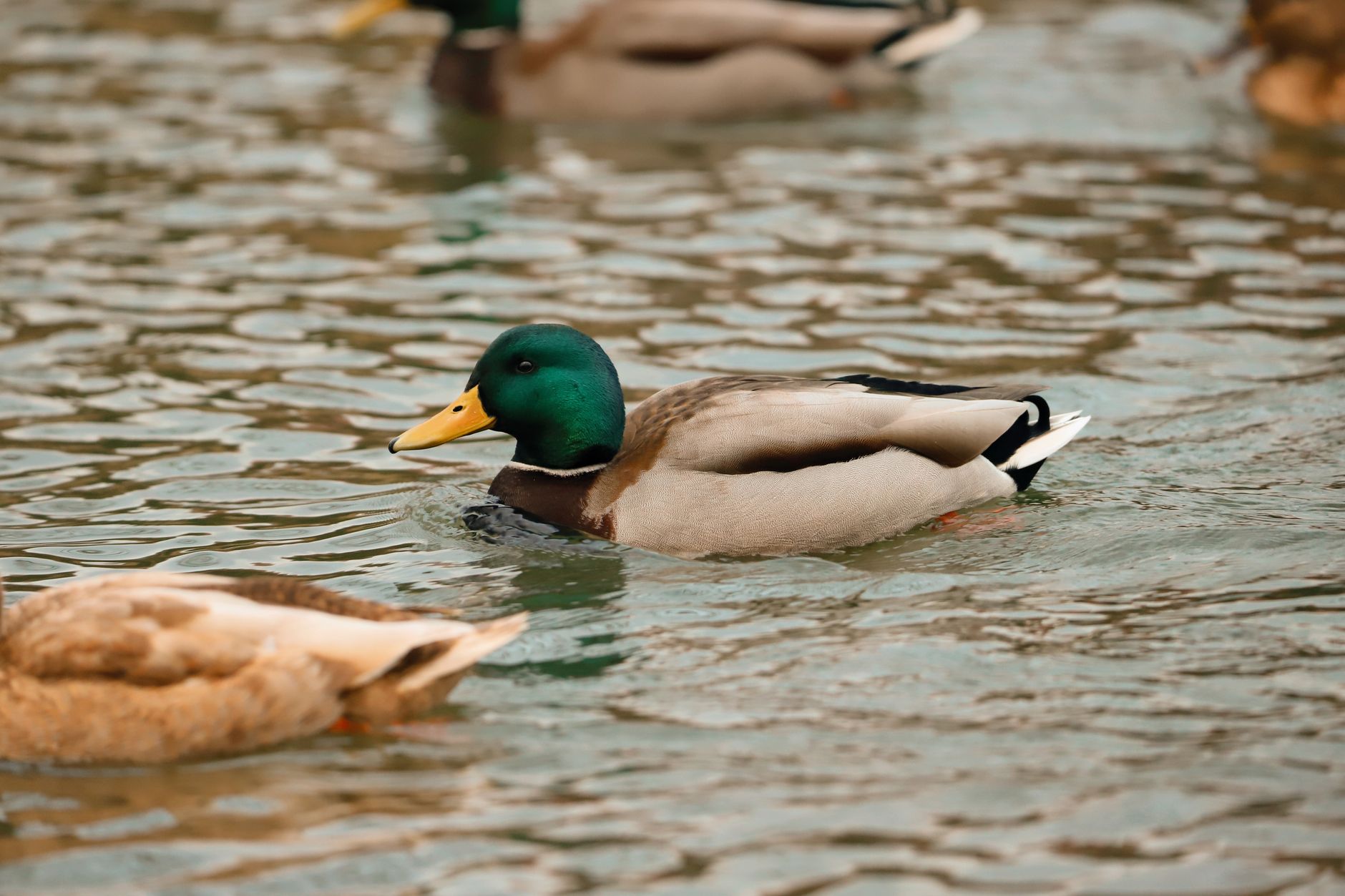
Despite the legal hurdles, many people are drawn to the idea of keeping mallard ducks as pets. Their unique characteristics and potential benefits make them attractive companions.
- Pest Control: Ducks are natural foragers and can help control insects and snails in your yard.
- Egg Production: Female mallards can lay a considerable number of eggs, providing a source of fresh eggs for the owner.
- Companionship: Ducks can be surprisingly social animals and can form bonds with their owners.
- Natural Weed Control: Ducks will eat many types of weeds found in your yard, reducing the need for herbicides.
Navigating the Legal Process: Obtaining Permits and Licenses
If you live in an area where mallard ownership is permitted, obtaining the necessary permits and licenses is essential. The process can vary depending on the specific regulations in your area.
- Research Local Laws: Start by thoroughly researching the laws and ordinances in your city, county, and state regarding keeping mallard ducks.
- Contact Relevant Agencies: Contact your state’s Department of Natural Resources or Fish and Wildlife agency, as well as your local animal control, to inquire about permit requirements.
- Complete Application Forms: Fill out all required application forms accurately and completely.
- Provide Supporting Documentation: You may need to provide supporting documentation, such as proof of residency, a description of your facilities, and a plan for the duck’s care.
- Pay Application Fees: Be prepared to pay application fees, which can vary depending on the type of permit and the location.
- Inspection: Your property may be subject to inspection to ensure that it meets the requirements for keeping mallard ducks.
Common Mistakes to Avoid
Many aspiring duck owners unintentionally break the law by making common mistakes. Understanding these pitfalls can help you stay on the right side of the law.
- Assuming State Laws Override Federal Laws: Federal laws, like the MBTA, take precedence over state laws. Even if your state allows mallard ownership, you still need to comply with federal regulations.
- Ignoring Local Ordinances: Local ordinances can be stricter than state laws. Don’t assume that state permission grants you local permission.
- Failing to Obtain Necessary Permits: Keeping a mallard duck without the required permits can result in fines, confiscation of the animal, or other legal penalties.
- Purchasing Ducks from Unreputable Sources: Ensure that you purchase ducks from reputable breeders or hatcheries that comply with all applicable laws and regulations. Never capture wild mallards.
Comparing Mallard Ownership Regulations
| Jurisdiction | Legal Status | Permit Required? | Key Considerations |
|---|---|---|---|
| Federal | Generally prohibited under MBTA without a permit. | Yes | Scientific, educational, or avicultural purposes often require permits. |
| State | Varies widely; some states prohibit, others require permits. | Varies | Check Department of Natural Resources or Fish and Wildlife agency. |
| Local | Can be stricter than state laws; may prohibit. | Varies | Contact local animal control or city hall for specific regulations. |
Frequently Asked Questions (FAQs)
What is the Migratory Bird Treaty Act (MBTA)?
The Migratory Bird Treaty Act (MBTA) is a federal law that protects migratory birds, including mallard ducks. It prohibits the taking, possessing, importing, exporting, selling, purchasing, or bartering of migratory birds, their feathers, nests, or eggs, unless permitted by regulation.
Can I keep a wild mallard duck I find?
No, it is generally illegal to keep a wild mallard duck you find. The MBTA prohibits possessing wild migratory birds without a permit. Moreover, removing a duck from its natural habitat can disrupt the ecosystem.
What are the penalties for illegally owning a mallard duck?
The penalties for illegally owning a mallard duck can vary depending on the jurisdiction, but they can include fines, confiscation of the animal, and even criminal charges. Ignorance of the law is not a valid defense.
Do I need a permit to keep a rescued mallard duck?
Yes, generally, you will need a permit to keep a rescued mallard duck. Contact your state’s Department of Natural Resources or Fish and Wildlife agency for guidance on obtaining the necessary permits and licenses.
Are there any exceptions to the MBTA?
There are exceptions to the MBTA for scientific, educational, or avicultural purposes. These exceptions typically require obtaining a permit from the U.S. Fish and Wildlife Service.
Can I keep mallard ducks if I clip their wings?
Clipping a duck’s wings to prevent flight does not necessarily make owning them legal. You still need to comply with all applicable federal, state, and local laws. Additionally, wing clipping can be considered inhumane if not done properly.
Where can I buy mallard ducks legally?
You can legally purchase mallard ducks from reputable breeders or hatcheries that comply with all applicable laws and regulations. Ensure that the seller has the necessary permits and licenses to sell migratory birds.
What kind of enclosure do mallard ducks need?
Mallard ducks require a safe and secure enclosure that provides protection from predators and the elements. The enclosure should include a pond or pool for swimming and foraging, as well as shelter from the sun and rain.
What do mallard ducks eat?
Mallard ducks are omnivores and eat a variety of foods, including insects, snails, plants, seeds, and grains. You can supplement their diet with commercially available duck food.
How much space do mallard ducks need?
Mallard ducks need plenty of space to roam and forage. A general guideline is to provide at least 200 square feet of space per duck.
Do mallard ducks get along with other pets?
Mallard ducks can get along with other pets, but it depends on the individual animals and their personalities. It is essential to supervise interactions between ducks and other pets to prevent injuries.
Is it ethical to keep mallard ducks as pets?
The ethics of keeping mallard ducks as pets is a complex issue. Some people believe it is unethical to keep wild animals in captivity, while others argue that it can be ethical if the animals are properly cared for and their needs are met. Consider whether you can provide a proper environment for the animal.
By carefully considering the legal requirements and the needs of these fascinating creatures, you can make an informed decision about whether it is legal to keep mallard ducks as pets in your specific location. Remember to prioritize the well-being of the animals and respect the laws that protect them.