
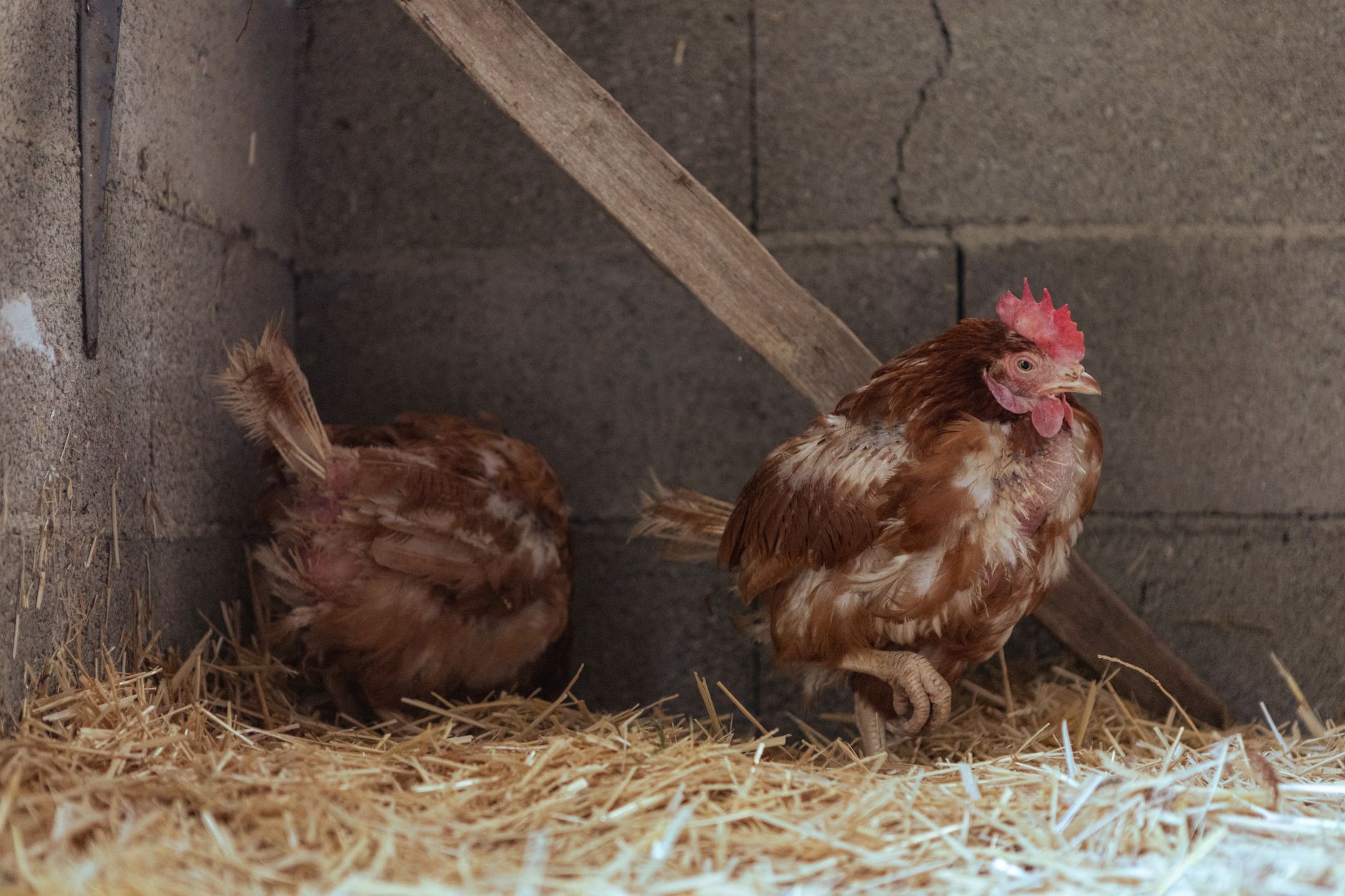
Is Hay or Straw Better for Chickens?
The question of is hay or straw better for chickens? has a nuanced answer: Straw is generally preferred as bedding for its absorbency and insulating qualities, while hay can be used in limited amounts, primarily for enrichment and supplemental feeding.

Introduction: The Chicken Coop Conundrum
Choosing the right bedding for your chickens is a critical decision that directly impacts their health, comfort, and overall well-being. The chicken coop provides a sanctuary for your flock, protecting them from the elements and predators. The bedding material you select plays a vital role in maintaining a clean, dry, and comfortable environment. While both hay and straw are common options, understanding their differences and suitability for chickens is crucial for responsible poultry keeping. The question “Is hay or straw better for chickens?” is one every chicken owner should consider carefully.

What colours are fish most attracted to?
Can you put your finger in a trout's mouth?
Is methylene blue anti bacterial?
Does aquarium salt raise pH in aquarium?
Hay vs. Straw: Understanding the Difference

Before delving into their suitability for chickens, it’s essential to understand the fundamental differences between hay and straw.
- Hay: Consists of grasses, legumes (like alfalfa or clover), or a mix of both. It’s harvested while green and actively growing, then dried to preserve its nutritional value. Hay is primarily used as animal feed.
- Straw: The dried stalks of cereal grains, such as wheat, oats, barley, or rye, remaining after the grain has been harvested. It has minimal nutritional value and is primarily used for bedding.
This distinction is critical because it influences how each material performs in a chicken coop.
Benefits of Straw for Chickens
Straw offers several advantages as chicken coop bedding:
- Absorbency: Straw excels at absorbing moisture, helping to keep the coop dry and reduce the risk of bacterial and fungal growth.
- Insulation: Its hollow stems provide excellent insulation, keeping the coop warmer in winter and cooler in summer.
- Cost-Effectiveness: Straw is typically less expensive than hay, making it a budget-friendly option for larger flocks.
- Composting: Straw breaks down readily in compost piles, enriching the soil.
- Dust Reduction: When of good quality, straw creates significantly less dust than some other bedding options.
Potential Drawbacks of Straw
While straw is generally a good choice, some potential drawbacks exist:
- Quality Matters: Poor quality straw can be dusty or moldy, posing a health risk to chickens.
- Occasional Pests: Straw can sometimes harbor mites or other pests, although this is less common than with hay.
Benefits of Hay for Chickens
Hay can also offer certain benefits, primarily when used judiciously and for specific purposes:
- Enrichment: Chickens enjoy pecking and scratching through hay, providing enrichment and entertainment.
- Supplemental Feeding: Certain types of hay, like alfalfa, offer some nutritional value and can supplement the chickens’ diet.
- Composting: Similar to straw, hay composts well, adding nutrients to the soil.
Potential Drawbacks of Hay
Hay’s drawbacks often outweigh its benefits when used as primary bedding:
- Moisture Retention: Hay tends to retain moisture, creating a damp environment that can harbor harmful bacteria and fungi, leading to respiratory problems and other health issues in chickens.
- Mold Growth: Wet hay is highly susceptible to mold growth, which can be toxic to chickens.
- Higher Cost: Hay is typically more expensive than straw.
- Pest Attraction: Hay can attract insects and rodents more readily than straw.
Choosing the Right Straw
Not all straw is created equal. When selecting straw for your chicken coop, consider these factors:
- Type of Grain: Wheat straw is a common and readily available option.
- Quality: Choose straw that is clean, dry, and free from mold or dust.
- Length: Longer strands of straw provide better insulation and absorbency.
Proper Bedding Management
Regardless of whether you choose hay or straw (although we strongly advise straw as the better option when asking “Is hay or straw better for chickens?“), proper bedding management is crucial:
- Regular Cleaning: Remove soiled bedding regularly, ideally daily, to prevent the buildup of ammonia and moisture.
- Deep Litter Method: Consider using the deep litter method, where fresh bedding is added on top of old bedding, allowing it to compost in place. This can create a warm, beneficial environment for chickens, but requires careful management to prevent excessive moisture.
- Adequate Ventilation: Ensure the chicken coop has adequate ventilation to prevent moisture buildup.
Alternative Bedding Options
While straw is a common choice, other bedding options are available:
- Wood Shavings: Absorbent and readily available, but can be dusty.
- Hemp Bedding: Highly absorbent and dust-free, but can be more expensive.
- Sand: Easy to clean and maintain, but doesn’t provide as much insulation.
| Bedding Type | Absorbency | Insulation | Cost | Dust | Composting |
|---|---|---|---|---|---|
| Straw | High | High | Low | Low | Excellent |
| Hay | Moderate | Moderate | Moderate | High | Excellent |
| Wood Shavings | High | Moderate | Moderate | High | Good |
| Hemp Bedding | Very High | High | High | Very Low | Excellent |
| Sand | Low | Low | Moderate | Low | Poor |
Common Mistakes to Avoid
- Using Moldy Hay or Straw: Never use moldy bedding, as it can be harmful to chickens.
- Overfilling the Coop: Don’t pack the coop too tightly with bedding, as this can reduce ventilation.
- Neglecting Cleaning: Regular cleaning is essential for maintaining a healthy coop environment.
- Ignoring Ammonia Levels: Ammonia buildup can cause respiratory problems in chickens. Ensure adequate ventilation and clean regularly.
Supplementing Straw Bedding
While straw makes excellent general bedding, you can supplement with a small amount of clean, fresh hay for added enrichment. Offering small piles of alfalfa hay, for example, allows chickens to forage and adds variety to their environment. However, remember to remove any wet or soiled hay promptly.
Frequently Asked Questions (FAQs)
Why is straw generally preferred over hay for chicken bedding?
Straw is favored due to its superior absorbency and insulating qualities. Hay tends to retain moisture, increasing the risk of mold growth and bacterial contamination, which can be detrimental to chicken health. Furthermore, straw is typically more cost-effective.
Can I use both hay and straw in my chicken coop?
Yes, but with caution. Straw should be the primary bedding material due to its absorbency and insulation. Small amounts of hay can be used for enrichment, but must be monitored closely and removed if they become damp or soiled.
What type of straw is best for chickens?
Wheat straw is a common and readily available choice. Ensure the straw is of good quality: clean, dry, and free from mold or dust. The longer the strands, the better the insulation and absorbency.
How often should I change the bedding in my chicken coop?
The frequency of changing bedding depends on several factors, including the size of your flock, the size of the coop, and the climate. As a general rule, spot-clean daily, removing soiled areas, and perform a complete bedding change at least once a week.
What is the deep litter method, and is it suitable for chickens?
The deep litter method involves adding fresh bedding on top of the old, allowing it to compost in place. It can provide warmth and reduce the need for frequent cleaning. However, careful management is essential to prevent excessive moisture and ammonia buildup. This only works well with straw.
How can I prevent mold growth in my chicken coop bedding?
Ensure adequate ventilation in the chicken coop to prevent moisture buildup. Regularly remove wet or soiled bedding, and choose bedding materials that are absorbent and resistant to mold growth, making straw the preferable choice.
Does straw attract rodents?
While any bedding material can potentially attract rodents, straw is less likely to do so than hay. Rodents are more attracted to the nutritional content of hay. Good coop management, including keeping food stored securely, minimizes the risk of rodent infestations.
How can I minimize dust when using straw bedding?
Select high-quality straw that is clean and free from excessive dust. You can also lightly mist the straw with water before adding it to the coop to reduce dust. However, avoid over-wetting it.
Is it safe for chickens to eat straw?
A little straw is fine, and most chickens will naturally peck at it. However, straw has minimal nutritional value, and should not be a primary food source.
Can I compost chicken coop bedding, including straw and hay?
Yes, both straw and hay are excellent composting materials. Chicken manure is rich in nitrogen, making it a valuable addition to compost piles. Composting chicken coop bedding helps create a nutrient-rich soil amendment for your garden.
Where can I buy straw for chicken bedding?
Straw can be purchased from various sources, including farm supply stores, garden centers, and online retailers.
What are the signs of unhealthy bedding in a chicken coop?
Signs of unhealthy bedding include a strong ammonia odor, dampness, visible mold growth, and an excessive amount of dust. If you notice any of these signs, it’s time to change the bedding and address any underlying issues with ventilation or drainage.