

Is Halogen or LED Better for Plants? Unveiling the Optimal Light Source
While both halogen and LED lights can support plant growth, LED lights are generally considered better for plants due to their energy efficiency, longer lifespan, lower heat output, and ability to provide specific light spectrums optimized for photosynthesis.
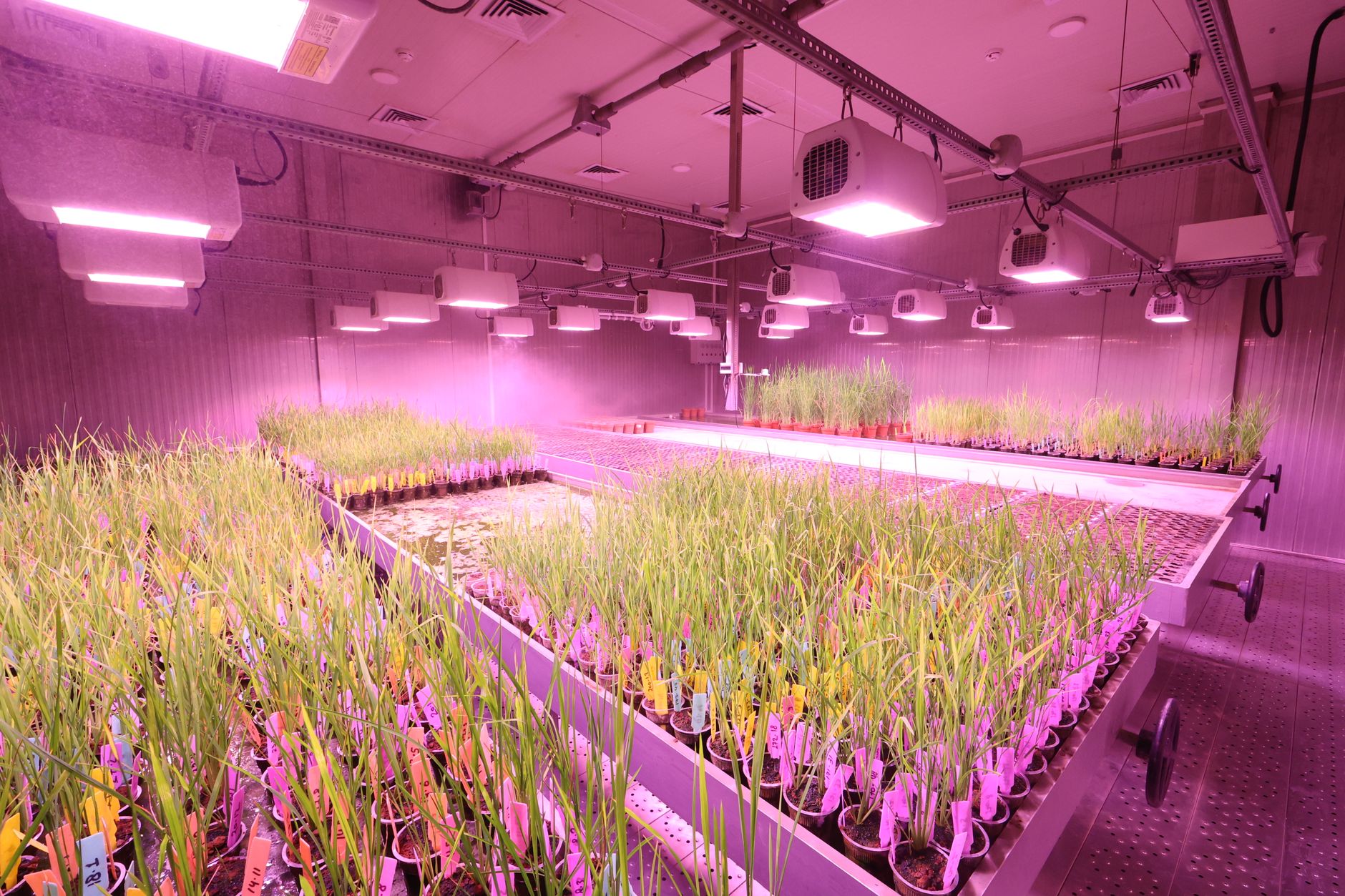
Introduction to Plant Lighting
For indoor gardeners, providing adequate light is paramount to success. Sunlight, the natural energy source for plant growth, isn’t always readily available, necessitating artificial alternatives. Two contenders often considered are halogen and LED (Light Emitting Diode) lights. Understanding the nuances of each light source is crucial in determining which option reigns supreme for nurturing healthy, vibrant plants. This article will explore the strengths and weaknesses of halogen and LED lighting in the context of plant cultivation.

What colours are fish most attracted to?
Can you put your finger in a trout's mouth?
Is methylene blue anti bacterial?
Does aquarium salt raise pH in aquarium?
Understanding Halogen Lights

Halogen lights are a type of incandescent light that utilizes a halogen gas (like iodine or bromine) to increase brightness and lifespan compared to traditional incandescent bulbs. They produce a broad spectrum of light, which can be beneficial for plant growth to some extent.
-
Benefits of Halogen Lights:
- Relatively inexpensive to purchase initially.
- Produces a full spectrum of light.
-
Drawbacks of Halogen Lights:
- Extremely inefficient, converting a large portion of energy into heat.
- Short lifespan compared to LEDs.
- High heat output can damage plants if placed too close.
- Broad spectrum, while seemingly beneficial, isn’t optimized for photosynthesis.
Delving into LED Technology
LEDs are semiconductor light sources that emit light when an electric current passes through them. Their efficiency and versatility have revolutionized many industries, including horticulture. Plant-specific LED grow lights are designed to emit specific wavelengths of light that are most effectively absorbed by plants for photosynthesis.
-
Benefits of LED Lights:
- Energy efficient, consuming significantly less power than halogen lights.
- Long lifespan, often lasting tens of thousands of hours.
- Low heat output, reducing the risk of plant damage.
- Customizable light spectrums optimized for specific plant needs (vegetative growth, flowering, etc.).
- Available in various forms, from individual bulbs to large panels.
-
Drawbacks of LED Lights:
- Higher initial purchase cost compared to halogen lights.
- Low-quality LEDs can have inaccurate spectral output and short lifespans.
Key Factors for Plant Growth
Several factors influence plant growth when using artificial lighting. Understanding these aspects is vital to making informed decisions:
- Light Spectrum: Plants primarily use red and blue light for photosynthesis. The ideal spectrum will vary depending on the plant species and stage of growth.
- Light Intensity (PAR/PPFD): PAR (Photosynthetically Active Radiation) refers to the range of light wavelengths that plants use for photosynthesis. PPFD (Photosynthetic Photon Flux Density) measures the amount of PAR light that reaches the plant. Higher PPFD generally promotes faster growth, but plants can also experience light burn if levels are too high.
- Photoperiod: The number of hours of light a plant receives each day affects its growth and flowering cycle.
Halogen vs. LED: A Direct Comparison for Plant Growth
To further illustrate the advantages and disadvantages of each type of light, consider the following comparison table:
| Feature | Halogen Lights | LED Lights |
|---|---|---|
| Energy Efficiency | Very Low | High |
| Lifespan | Short (typically 1,000-2,000 hours) | Long (typically 25,000-50,000+ hours) |
| Heat Output | High | Low |
| Light Spectrum | Broad, full spectrum | Customizable, can be tailored to plant needs |
| Initial Cost | Low | Higher |
| Long-Term Cost | High (due to energy consumption & replacement) | Lower (due to energy efficiency & longevity) |
| Plant Damage Risk | High (due to heat) | Low |
| Spectrum Optimization | No | Yes |
The Environmental Impact
The environmental impact of different lighting technologies is also a crucial consideration. Halogen lights consume significantly more energy than LEDs, leading to higher carbon emissions from power plants. The longer lifespan of LEDs also reduces the frequency of replacement, minimizing waste. Choosing LEDs over halogen contributes to a more sustainable approach to plant cultivation.
Making the Right Choice: Is halogen or LED better for plants?
Ultimately, the better choice is LED. While halogen lights might seem like a more affordable initial option, the long-term costs associated with energy consumption, bulb replacement, and the potential for plant damage quickly outweigh the initial savings. LED grow lights provide superior energy efficiency, a longer lifespan, lower heat output, and the ability to customize the light spectrum for optimal plant growth. While the initial investment may be higher, the overall benefits make LEDs the clear winner for serious indoor gardeners.
Frequently Asked Questions (FAQs)
Can I use regular LED bulbs for my plants, or do I need special grow lights?
While regular LED bulbs can provide some light for plants, dedicated grow lights are generally more effective. Grow lights are designed to emit specific wavelengths of light that plants need for photosynthesis, while regular LED bulbs are typically optimized for human vision.
How close should I place LED grow lights to my plants?
The optimal distance depends on the intensity of the light and the type of plant. Generally, stronger lights should be placed further away to avoid burning the plants. Refer to the manufacturer’s recommendations for specific guidelines.
What are the best light spectrums for vegetative growth and flowering?
Blue light is generally preferred for vegetative growth, promoting leafy development. Red light is more beneficial during the flowering stage, encouraging bud and fruit production. Many LED grow lights offer adjustable spectrums to cater to different growth stages.
Are LED grow lights suitable for all types of plants?
Yes, LED grow lights can be used for a wide variety of plants, from vegetables and herbs to flowers and succulents. However, different plants have different light requirements, so it’s important to adjust the light intensity and spectrum accordingly.
How much do LED grow lights cost?
The cost of LED grow lights varies widely depending on size, power, and features. Small, basic LED panels can be relatively inexpensive, while larger, more advanced systems can cost several hundred dollars or more.
Do LED grow lights produce UV radiation?
Most high-quality LED grow lights do not produce harmful levels of UV radiation. Some specialized LED lights may emit UV light for specific purposes, such as sterilization, but these are typically used in controlled environments.
What is the difference between full-spectrum and narrow-spectrum LED grow lights?
Full-spectrum LED grow lights emit a broad range of wavelengths, similar to sunlight. Narrow-spectrum LED grow lights focus on specific wavelengths, such as red and blue, that are most beneficial for photosynthesis.
How long should I leave my LED grow lights on each day?
The optimal photoperiod depends on the plant species and growth stage. Generally, plants need 12-18 hours of light per day during the vegetative stage and 8-12 hours during the flowering stage.
Are LED grow lights energy-efficient?
Yes, LED grow lights are significantly more energy-efficient than halogen lights and other traditional lighting options. They consume less power and produce less heat, resulting in lower electricity bills and a reduced carbon footprint.
How long do LED grow lights last?
High-quality LED grow lights can last for 25,000-50,000 hours or more. This is significantly longer than halogen lights, which typically need to be replaced every 1,000-2,000 hours.
Can I use LED grow lights in a small space?
Yes, LED grow lights are well-suited for small spaces due to their low heat output and compact size. You can find a variety of LED grow lights specifically designed for small indoor gardens.
Where can I buy quality LED grow lights?
Quality LED grow lights can be purchased from reputable horticultural suppliers, online retailers, and some home improvement stores. Be sure to research brands and read reviews before making a purchase to ensure you’re getting a reliable and effective product.