
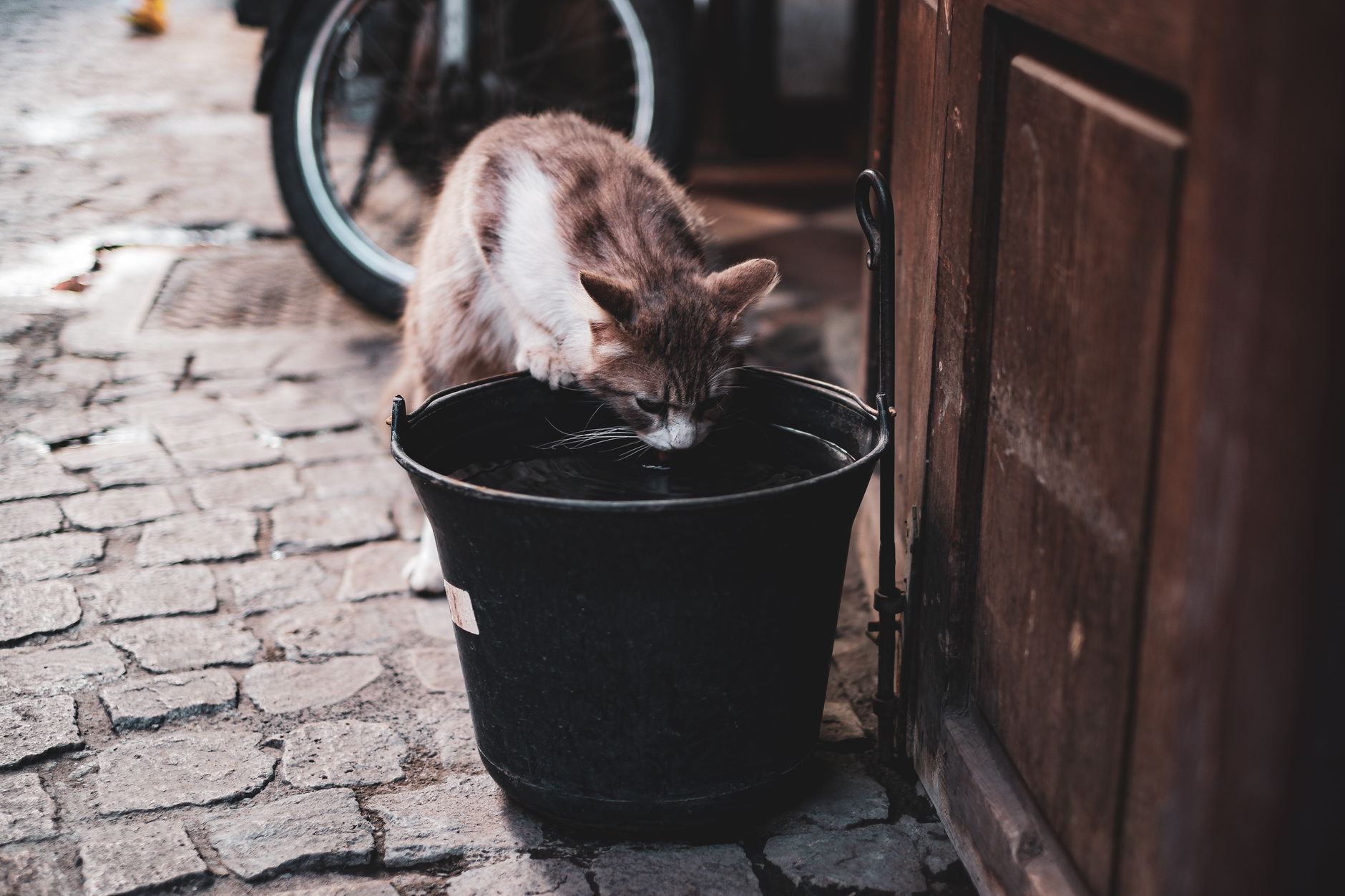
Is Gatorade OK for Cats? A Hydration Investigation
No, Gatorade is not generally recommended for cats. While it might seem like a quick fix for dehydration, its high sugar and electrolyte imbalance can cause more harm than good.

Understanding Feline Hydration
Maintaining proper hydration is crucial for a cat’s overall health. Cats are notoriously poor drinkers, often relying on the moisture content of their food. This makes them susceptible to dehydration, especially in warmer climates or if they primarily eat dry food. Dehydration can lead to serious health complications, including kidney problems, urinary tract infections, and constipation. Recognizing the signs of dehydration – lethargy, sunken eyes, loss of appetite, and decreased skin elasticity – is essential for responsible cat ownership.
What colours are fish most attracted to?
Can you put your finger in a trout's mouth?
Is methylene blue anti bacterial?
Does aquarium salt raise pH in aquarium?
Why Gatorade Seems Appealing

In humans, Gatorade is marketed as a sports drink that replenishes electrolytes and fluids lost during physical activity. The idea of using it for a dehydrated cat stems from the perceived need to replace these lost substances. However, a cat’s physiological needs differ significantly from those of a human athlete.
The Problem with Gatorade’s Ingredients
Gatorade contains ingredients that can be problematic for cats:
- High Sugar Content: Cats are obligate carnivores and their digestive systems are not designed to process large amounts of sugar. Gatorade’s high sugar content can lead to digestive upset, vomiting, diarrhea, and, over time, weight gain and diabetes.
- Electrolyte Imbalance: While Gatorade contains electrolytes like sodium and potassium, the proportions are formulated for human needs. These levels can be inappropriate and even dangerous for cats, potentially disrupting their electrolyte balance.
- Artificial Colors and Flavors: Many Gatorade flavors contain artificial colors and flavors that offer no nutritional value and may cause allergic reactions or sensitivities in some cats.
- Citric Acid: Some Gatorade flavors contain citric acid as a preservative and flavoring agent. While the amounts are small, some cats may be sensitive to citric acid, leading to gastrointestinal upset.
Safer Alternatives for Hydrating Your Cat
If you suspect your cat is dehydrated, there are much safer and more effective ways to rehydrate them:
- Fresh Water: Ensure your cat always has access to fresh, clean water. Consider using a water fountain, as some cats prefer moving water. Multiple water bowls placed throughout the house can also encourage drinking.
- Wet Food: A diet consisting primarily of wet food is an excellent way to increase your cat’s fluid intake.
- Unflavored Pedialyte: In some cases, a small amount of unflavored Pedialyte, specifically designed for children with dehydration, can be used under the guidance of a veterinarian. Pedialyte has a more appropriate electrolyte balance for small animals than Gatorade. Always consult your veterinarian before giving your cat Pedialyte.
- Subcutaneous Fluids: For severely dehydrated cats, a veterinarian can administer subcutaneous fluids (fluids injected under the skin) to quickly rehydrate them.
When to Seek Veterinary Care
Dehydration can be a sign of an underlying medical condition. If your cat shows signs of dehydration, particularly if they are also lethargic, vomiting, or have diarrhea, it is crucial to seek veterinary attention immediately. A veterinarian can diagnose the underlying cause of the dehydration and provide appropriate treatment.
Comparing Gatorade to Other Hydration Options
The following table compares Gatorade to other options for hydrating cats:
| Option | Suitability for Cats | Advantages | Disadvantages |
|---|---|---|---|
| Fresh Water | Excellent | Safe, readily available, promotes kidney health | May not be sufficient for severely dehydrated cats |
| Wet Food | Excellent | Provides nutrients and hydration | Some cats may not prefer it |
| Unflavored Pedialyte | Good (with vet approval) | More balanced electrolytes than Gatorade | Can still contain sugar; vet consultation required |
| Gatorade | Poor | Readily available | High sugar, inappropriate electrolyte balance, potential for GI upset |
| Subcutaneous Fluids | Excellent (under vet care) | Rapid rehydration, addresses underlying issues | Requires veterinary intervention |
Common Mistakes
- Assuming Gatorade is a quick fix: Gatorade can mask underlying health problems and potentially worsen dehydration due to its high sugar content.
- Giving too much Gatorade: Even small amounts of Gatorade can be harmful to cats.
- Ignoring other symptoms: Dehydration is often a symptom of a larger problem. Focus on treating the underlying cause, not just masking the symptoms.
- Delaying veterinary care: If your cat is severely dehydrated, home remedies are not enough. Seek professional help immediately.
Frequently Asked Questions (FAQs)
Can a cat drink Gatorade in an emergency?
While Gatorade might seem like an option in a desperate situation, it’s generally best to avoid it. The risks associated with its sugar and electrolyte imbalance usually outweigh any potential short-term benefits. Contact your veterinarian immediately for advice and safer alternatives.
What are the symptoms of Gatorade poisoning in cats?
Symptoms of Gatorade toxicity or adverse reactions can include vomiting, diarrhea, lethargy, loss of appetite, and, in severe cases, seizures. If you suspect your cat has ingested too much Gatorade, contact your veterinarian immediately.
Is Gatorade Zero a better option for cats?
Even though Gatorade Zero is sugar-free, it still contains artificial sweeteners, electrolytes, and artificial colors that can be harmful to cats. It’s not a safe alternative to plain water or vet-recommended hydration solutions.
How much water should my cat drink daily?
A general guideline is that cats should consume approximately 4 ounces of water per 5 pounds of body weight per day. This includes water from both their food and their water bowl. Wet food contributes significantly to their daily water intake.
What are the best ways to encourage my cat to drink more water?
You can encourage your cat to drink more water by providing fresh water in multiple locations, using a water fountain, offering wet food, and flavoring the water with a small amount of tuna juice (only occasionally and in moderation).
Can I give my cat human electrolytes like Pedialyte?
Unflavored Pedialyte can be given in small amounts under the direct guidance of a veterinarian. It has a more balanced electrolyte profile compared to Gatorade, but it is still essential to consult with your vet for appropriate dosage and usage. Never self-medicate your cat with any human medication.
What are the long-term effects of giving a cat Gatorade?
Long-term consumption of Gatorade can lead to weight gain, diabetes, digestive problems, and electrolyte imbalances. These issues can significantly impact your cat’s overall health and lifespan.
Can Gatorade help a cat with urinary tract infections (UTIs)?
Gatorade is not a suitable treatment for UTIs. The high sugar content can exacerbate the infection. Consult your veterinarian for appropriate antibiotics and dietary recommendations to manage your cat’s UTI.
Is there a homemade electrolyte solution I can make for my cat?
While homemade electrolyte solutions exist, they can be difficult to formulate correctly and safely. It’s generally safer to rely on commercially available products like unflavored Pedialyte (with vet approval) or, better yet, consult your veterinarian for the best approach.
What should I do if my cat refuses to drink water?
If your cat consistently refuses to drink water, consult your veterinarian to rule out any underlying medical conditions. They can also recommend strategies to encourage your cat to drink more.
Is Gatorade dangerous for kittens?
Gatorade is even more dangerous for kittens due to their smaller size and more sensitive systems. Avoid giving Gatorade to kittens under any circumstances.
What if my cat accidentally licks up some Gatorade?
If your cat only licks up a small amount of Gatorade, it is unlikely to cause serious harm. However, monitor them for any signs of digestive upset or unusual behavior. If you notice any concerning symptoms, contact your veterinarian.