

Is Garlic a Deer Repellent? Unveiling the Truth
Garlic can indeed be a valuable tool in your arsenal against deer browsing; however, its effectiveness varies significantly depending on application and environmental factors. While not a guaranteed solution, garlic’s strong scent can deter deer, especially when applied correctly and consistently. Is garlic a deer repellent? Yes, it can be part of an integrated pest management strategy.

Understanding the Deer Dilemma and the Garlic Gambit
Deer, with their insatiable appetite for lush greenery, can wreak havoc on gardens and landscapes. Finding effective and humane ways to deter these graceful but destructive creatures is a constant challenge for homeowners and gardeners. Enter garlic, a common kitchen staple touted for its potential deer-repelling properties. The theory is simple: deer dislike the pungent odor of garlic, and its presence can discourage them from feeding on nearby plants. But how well does this method actually work, and what are the best ways to implement it?

What colours are fish most attracted to?
Can you put your finger in a trout's mouth?
Is methylene blue anti bacterial?
Does aquarium salt raise pH in aquarium?
How Garlic Works as a Deer Deterrent
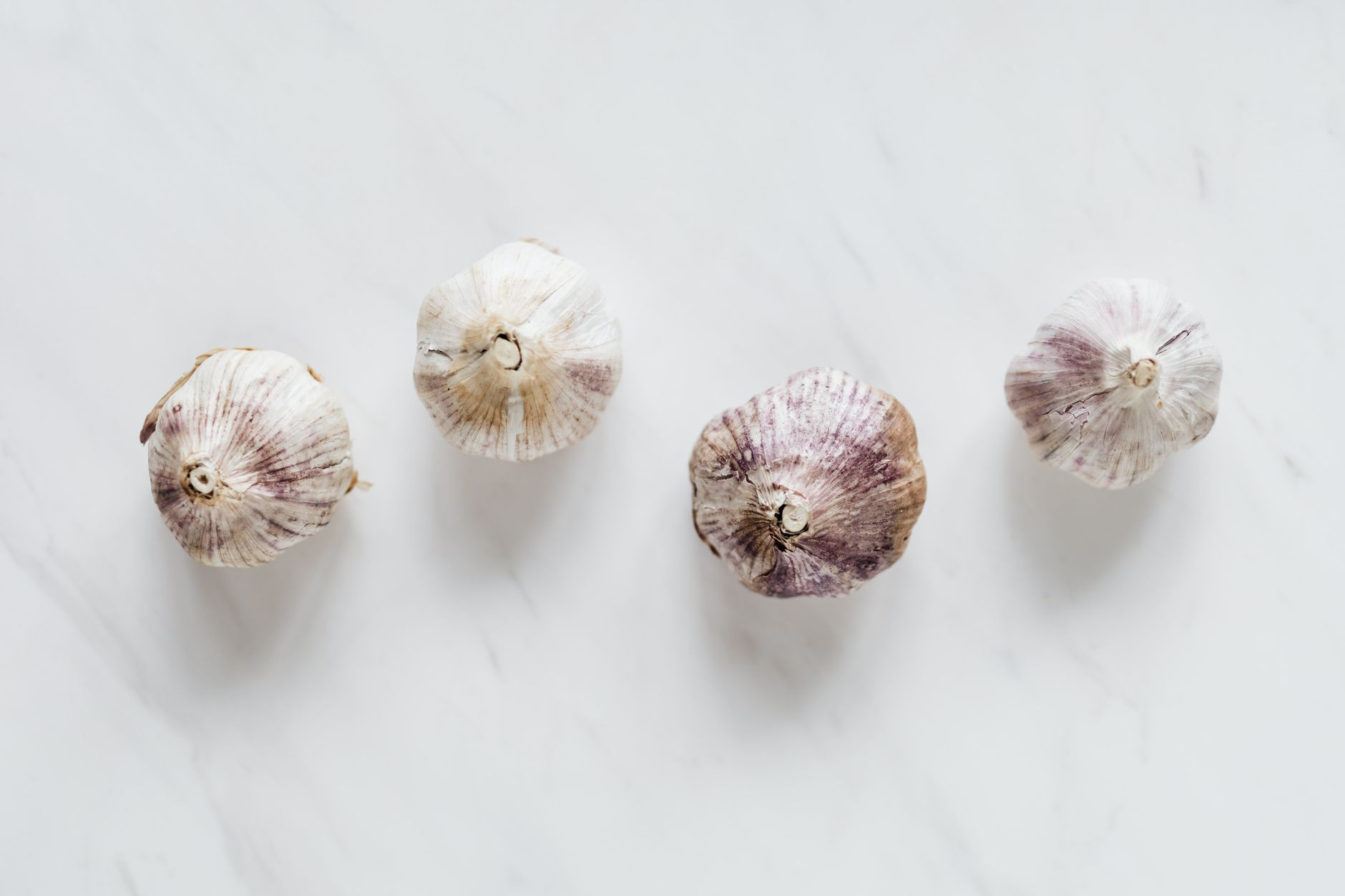
The efficacy of garlic as a deer repellent hinges on its volatile sulfur compounds, specifically allicin, released when garlic is crushed or processed. These compounds create a strong, lingering odor that deer find unpleasant. This olfactory aversion is believed to disrupt their foraging behavior, leading them to seek food elsewhere. However, the key is persistence.
Methods for Applying Garlic as a Deer Repellent
Several methods exist for utilizing garlic as a deer repellent, each with its own advantages and disadvantages.
- Garlic Sprays: This involves creating a solution of crushed garlic or garlic oil diluted in water and spraying it directly onto plants. The spray coats the foliage with the repellent scent.
- Garlic Plantings: Planting garlic bulbs strategically around vulnerable plants can provide a constant source of odor.
- Garlic Granules or Powders: These can be sprinkled around plants or along the perimeter of the garden to create a scent barrier.
- Garlic in Mesh Bags: Placing crushed garlic in mesh bags and hanging them near susceptible plants is another popular method.
The Importance of Proper Application and Maintenance
The success of garlic as a deer repellent depends heavily on proper application and consistent maintenance. Weather conditions, deer population density, and the availability of alternative food sources all play a role.
- Regular Reapplication: Garlic-based sprays need to be reapplied regularly, especially after rain or irrigation, as water washes away the scent. Frequency of application varies, but typically every 7-10 days is recommended.
- Rotation with Other Repellents: Deer can become accustomed to a single repellent over time. Rotating garlic with other deer deterrents, such as motion-activated sprinklers or noise-making devices, can improve overall effectiveness.
- Target Vulnerable Plants: Focus application on plants that are most susceptible to deer browsing, such as hostas, daylilies, and young trees.
Potential Drawbacks and Considerations
While garlic offers a relatively inexpensive and environmentally friendly option, it’s crucial to acknowledge its limitations.
- Odor Sensitivity: The strong smell of garlic can be unpleasant for some people, especially in concentrated forms.
- Limited Effectiveness in High Deer Pressure Areas: In areas with high deer populations and limited food sources, garlic alone may not be sufficient to deter determined deer.
- Potential for Plant Damage: In rare cases, concentrated garlic sprays can cause leaf burn, especially on sensitive plants. Always test a small area first before applying to the entire plant.
- Impact on Beneficial Insects: While garlic primarily targets deer, some formulations may also repel beneficial insects.
Comparing Garlic to Other Deer Repellents
| Repellent Type | Advantages | Disadvantages | Effectiveness |
|---|---|---|---|
| Garlic | Inexpensive, readily available, relatively eco-friendly. | Requires frequent reapplication, may not be effective in high-pressure areas. | Moderate |
| Commercial Repellents | Often more effective, longer-lasting. | Can be expensive, may contain chemicals. | High |
| Physical Barriers | Highly effective, long-lasting. | Can be expensive and aesthetically unappealing. | Very High |
| Motion-Activated Devices | Deters deer without chemicals. | Can be noisy and require a water source. | Moderate to High |
Maximizing the Effectiveness of Garlic Deer Repellents
To achieve the best results with garlic deer repellents, consider these tips:
- Start Early: Begin applying garlic repellents before deer start browsing in the spring.
- Be Consistent: Reapply repellents regularly, following the manufacturer’s instructions or the guidelines outlined above.
- Combine Methods: Integrate garlic with other deer deterrents, such as fencing, motion-activated sprinklers, or noise-making devices.
- Monitor Plant Health: Observe your plants for signs of deer damage and adjust your repellent strategy accordingly.
FAQs About Using Garlic to Deter Deer
Is garlic definitely effective as a deer repellent?
No, the effectiveness of garlic as a deer repellent is not guaranteed. It can be part of an overall strategy, but environmental conditions and deer pressure play a significant role.
How often should I reapply garlic spray?
Reapplication frequency depends on weather conditions. Typically, you should reapply after every rain or irrigation and every 7-10 days in dry weather.
Can I use garlic powder from the grocery store?
Yes, you can use garlic powder, but freshly crushed garlic or garlic oil is generally more effective because of the higher concentration of allicin.
Will garlic harm my plants?
In most cases, no. However, concentrated garlic sprays can occasionally cause leaf burn on sensitive plants. Always test a small area first.
Does garlic repel other animals besides deer?
Garlic is known to repel a variety of pests, including certain insects and rodents. However, its primary use is as a deer deterrent.
Is garlic deer repellent safe for pets?
While garlic is generally safe, large quantities can be toxic to pets. Use caution when applying garlic products in areas accessible to pets.
Can I make my own garlic deer repellent spray?
Yes, a simple recipe involves crushing several cloves of garlic, soaking them in water overnight, straining the mixture, and diluting it further before spraying. A tablespoon of dish soap can help the mixture adhere to plants.
Does planting garlic around my garden work?
Planting garlic can offer some protection, but it’s generally less effective than spraying because the scent is less concentrated.
What if deer get used to the garlic scent?
Deer can become accustomed to scents. That’s why rotating repellents is a key strategy. Mix garlic with other options for maximum effectiveness.
Are there any commercial garlic-based deer repellents available?
Yes, several commercial deer repellents contain garlic as an active ingredient. These products often have added ingredients to enhance their effectiveness and longevity.
Is there a specific type of garlic that works best?
Stronger garlic varieties with higher allicin content, such as hardneck garlic, are generally considered more effective as deer repellents.
If garlic doesn’t work, what are some other alternatives?
Other alternatives include physical barriers like fencing, motion-activated sprinklers, noise-making devices, and commercial deer repellents containing ingredients like putrescent egg solids.