
Is Deer Meat Better Than Cow Meat? A Nutritional and Culinary Deep Dive
For those seeking a leaner, more sustainable alternative to beef, the question naturally arises: Is deer meat better than cow meat? Deer meat, also known as venison, often triumphs nutritionally, offering a significantly leaner profile and a richer flavor for discerning palates.

Introduction to Venison vs. Beef: A Culinary Showdown
The debate of Is deer meat better than cow meat? has been ongoing for years, fueled by increasing interest in alternative protein sources and a greater awareness of dietary health. Both venison and beef are staples in many diets, but their nutritional profiles, flavors, and sourcing differ significantly. Understanding these differences allows consumers to make informed choices based on their personal preferences and health goals. This article will explore the nuances of each meat, considering everything from nutritional value to environmental impact.

What colours are fish most attracted to?
Can you put your finger in a trout's mouth?
Is methylene blue anti bacterial?
Does aquarium salt raise pH in aquarium?
Nutritional Powerhouses: Comparing Venison and Beef
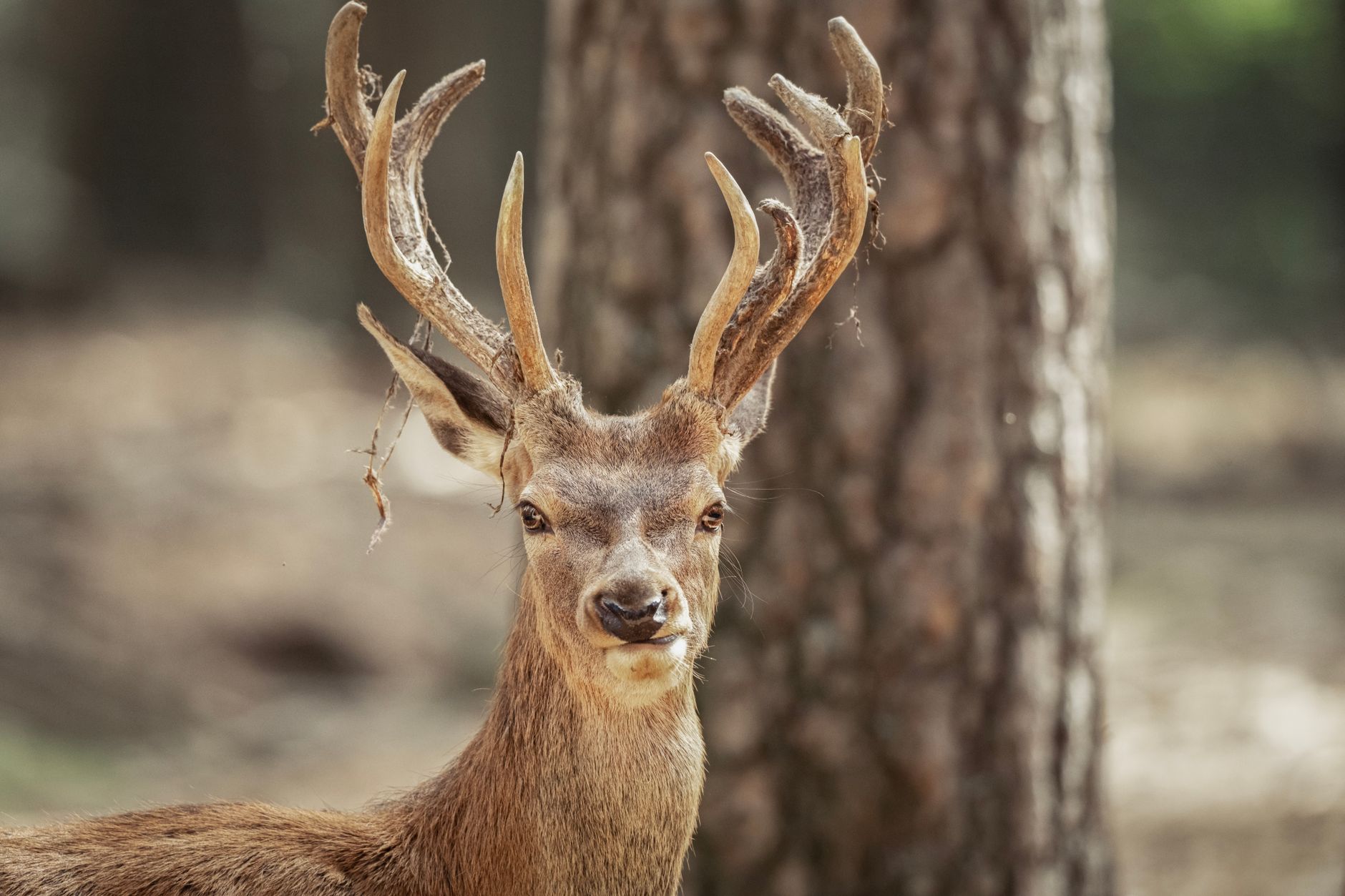
One of the primary reasons people question Is deer meat better than cow meat? lies in the nutritional composition of each. Venison generally boasts a lower fat content and a higher protein concentration than beef, making it a popular choice for those seeking a leaner meat option.
- Venison: Lower in fat, particularly saturated fat, higher in protein, rich in iron and B vitamins. Often sourced from wild or free-range environments.
- Beef: Varies greatly in fat content depending on the cut and grade. Contains significant amounts of protein, iron, and B vitamins. Commonly raised in feedlots.
| Nutrient | Venison (3 oz, cooked) | Beef (3 oz, cooked, lean) |
|---|---|---|
| Calories | 134 | 179 |
| Protein | 26g | 25g |
| Fat | 3g | 8g |
| Saturated Fat | 1g | 3g |
| Iron | 2mg | 2.2mg |
This table illustrates that venison offers comparable protein with a significantly lower fat content. It is worth noting that beef can also have comparable nutrient density, depending on the cut and how it is prepared.
The Flavor Factor: Taste and Culinary Versatility
Beyond nutrition, the flavor is crucial. Venison possesses a distinct, slightly gamey flavor that some find exceptionally appealing. The taste can vary depending on the deer’s diet and age. Beef, on the other hand, offers a more familiar and consistent taste, widely accepted across different cultures and cuisines.
- Venison: Earthy, slightly sweet, sometimes described as gamey. Can be prepared in various ways, including grilling, roasting, and stewing.
- Beef: Rich, savory flavor. Highly versatile and can be used in countless dishes, from burgers to steaks to roasts.
Preparation plays a key role in the final flavor of both venison and beef. Venison, in particular, benefits from careful marinating and cooking techniques to tenderize the meat and enhance its flavor.
Sourcing and Sustainability: Ethical Considerations
The question of Is deer meat better than cow meat? cannot be fully answered without considering ethical and environmental factors. The sourcing of both meats significantly impacts their sustainability. Wild venison is often considered a more sustainable choice as it involves harvesting from naturally occurring populations. Beef production, especially in large-scale operations, can have a significant environmental footprint.
- Venison: Often harvested through hunting, which can help manage deer populations and reduce overgrazing. Can be more sustainable than beef, especially when sourced locally.
- Beef: Raising cattle for beef can contribute to deforestation, greenhouse gas emissions, and water pollution. However, sustainable beef farming practices are becoming more prevalent.
Consumers are increasingly concerned about the environmental impact of their food choices, and sourcing practices should be a key consideration when comparing venison and beef.
Preparation and Cooking Techniques
The proper preparation and cooking techniques are crucial for both venison and beef. Venison, being leaner, can easily become dry if overcooked. Marinating and using moist-heat cooking methods (like braising or stewing) are often recommended.
- Venison: Marinate before cooking, use moist-heat methods, cook to medium-rare to medium for optimal tenderness.
- Beef: Wide range of cooking methods, from grilling to roasting to braising. Internal temperature depends on the desired level of doneness.
Common Mistakes When Cooking Venison
One common mistake is overcooking venison. Because it lacks the fat content of beef, it dries out quickly when cooked beyond medium. Other errors include improper preparation and insufficient marinating.
- Overcooking: Leads to dry, tough meat.
- Insufficient Marinating: Results in a gamey flavor that might be unpalatable to some.
- Improper Handling: Can compromise the quality and safety of the meat.
Frequently Asked Questions (FAQs)
Is venison healthier than beef for cholesterol?
Venison generally has lower cholesterol levels than beef, making it a potentially healthier option for individuals concerned about their cholesterol intake. However, preparation methods can influence the final cholesterol content of both meats.
What does venison taste like, and how does it compare to beef?
Venison has a distinct, earthy, and slightly gamey flavor that differs from the more familiar savory taste of beef. The intensity of the gamey flavor can vary based on the deer’s diet and age.
Is deer meat difficult to cook compared to beef?
Venison can be more challenging to cook than beef due to its lower fat content. It requires careful attention to avoid overcooking and drying out. Marinating and using moist-heat cooking methods are often recommended.
Where can I purchase venison?
Venison can be purchased from specialty meat markets, some grocery stores, and directly from hunters in certain regions. Availability varies depending on location and season.
Is venison safe to eat?
Yes, venison is safe to eat when properly handled, cooked, and sourced. Ensure that the meat is obtained from reputable sources and cooked to the appropriate internal temperature to eliminate any potential bacteria.
How does the cost of venison compare to beef?
The cost of venison can vary significantly depending on its source and availability. Wild venison harvested through hunting can be more economical, while commercially sourced venison may be more expensive than beef.
What are the best cuts of venison to cook with?
Popular cuts of venison include the tenderloin, loin, and sirloin for grilling or roasting, and the shoulder and shank for braising or stewing. The best cut depends on the desired cooking method and dish.
Can venison be used in recipes that typically call for beef?
Yes, venison can often be substituted for beef in many recipes, but adjustments to cooking times and techniques may be necessary to account for its lower fat content.
Is there a risk of Chronic Wasting Disease (CWD) from eating venison?
CWD is a concern in certain regions, and it is essential to source venison from areas where CWD is not prevalent or from animals that have been tested and found to be CWD-free. Always consult local wildlife agencies for information and advisories.
What are the environmental impacts of deer hunting?
Deer hunting can help manage deer populations and prevent overgrazing, which can have positive environmental impacts. However, it’s essential to follow ethical hunting practices and regulations to ensure the sustainability of deer populations.
What are some good venison recipes for beginners?
Some beginner-friendly venison recipes include venison stew, venison chili, and grilled venison steaks. These recipes are relatively simple to prepare and showcase the flavor of venison.
How does the fat content of venison affect its flavor?
The lower fat content of venison contributes to its distinct flavor profile and leaner texture. The absence of significant marbling, typical in beef, results in a more intense, gamey flavor that some find highly desirable.