

Is Deer Disease Contagious? Unveiling the Risks and Realities
Deer diseases can be highly contagious, potentially impacting deer populations and, in some cases, even posing risks to humans and other animals. This article explores the complexities of deer disease transmission, offering insights into various diseases and preventative measures.

Understanding Deer Diseases: A Broad Overview
Deer, like all animals, are susceptible to a variety of diseases. Some of these diseases are highly contagious and can spread rapidly through deer populations, while others are less easily transmitted. Understanding the nature of these diseases and how they spread is crucial for effective management and prevention. The question, Is deer disease contagious? isn’t always a simple yes or no; it depends greatly on the specific disease in question.

What colours are fish most attracted to?
Can you put your finger in a trout's mouth?
Is methylene blue anti bacterial?
Does aquarium salt raise pH in aquarium?
Common Contagious Deer Diseases
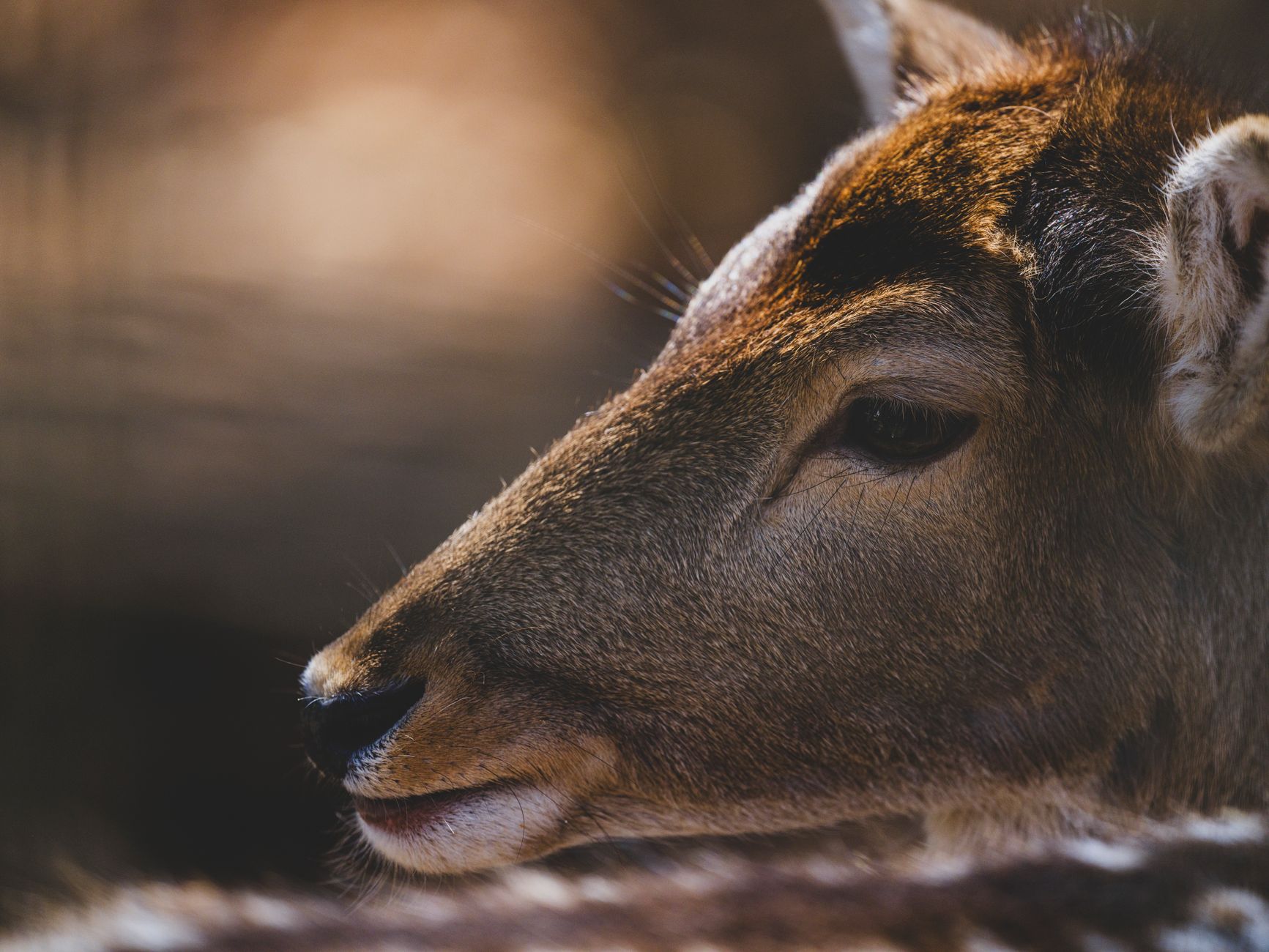
Several deer diseases are known for their contagious nature. These diseases can have devastating impacts on deer populations, leading to population declines and ecological imbalances. Understanding these diseases is paramount.
- Chronic Wasting Disease (CWD): This is a fatal prion disease affecting deer, elk, moose, and caribou. It’s highly contagious and spreads through direct contact, contaminated environments, and potentially through plants.
- Epizootic Hemorrhagic Disease (EHD) and Bluetongue: These viral diseases are transmitted by biting midges. While not directly contagious from deer to deer, outbreaks can spread quickly due to the widespread presence of the insect vectors.
- Bovine Tuberculosis (TB): While less common in deer than other diseases, TB can spread through respiratory secretions. Deer can contract TB from infected livestock or other deer.
- Lyme Disease: Deer are a reservoir for ticks that carry Lyme disease. While deer don’t directly transmit the disease to humans, their role in the tick life cycle makes them a key factor in Lyme disease prevalence.
Modes of Transmission
Understanding how deer diseases are transmitted is vital for preventing their spread. The modes of transmission vary depending on the disease.
- Direct Contact: Many diseases, like CWD and TB, spread through direct contact between infected and uninfected deer. This can occur during social interactions, such as grooming or fighting.
- Indirect Contact: Contaminated environments, such as shared feeding areas or water sources, can also spread diseases. CWD prions, for example, can persist in the environment for years.
- Vector-borne Transmission: Diseases like EHD and Bluetongue are spread by insects, specifically biting midges. The insects transmit the viruses when they feed on deer blood.
- Vertical Transmission: In some cases, diseases can be transmitted from mother to offspring during pregnancy or lactation, although this is less common in deer.
Risk Factors for Disease Spread
Several factors can increase the risk of deer disease outbreaks. Understanding these risk factors can help in developing effective prevention strategies.
- High Deer Density: Overpopulated deer herds are more susceptible to disease outbreaks due to increased contact rates.
- Poor Nutrition: Malnourished deer are more vulnerable to disease because their immune systems are weakened.
- Habitat Fragmentation: Habitat fragmentation can concentrate deer populations, increasing the risk of disease transmission.
- Climate Change: Changes in temperature and precipitation patterns can alter the distribution and abundance of disease vectors, such as biting midges.
Management and Prevention Strategies
Effective management and prevention strategies are crucial for controlling deer diseases and mitigating their impacts.
- Population Management: Regulating deer populations through hunting and other methods can reduce density and minimize disease transmission.
- Habitat Management: Improving deer habitat can provide better nutrition and reduce stress, making deer more resistant to disease.
- Surveillance and Monitoring: Monitoring deer populations for disease can help detect outbreaks early and implement control measures.
- Public Education: Educating the public about deer diseases and how to prevent their spread is essential for effective management.
- Responsible Hunting Practices: Hunters should follow safe handling procedures when processing deer carcasses to minimize the risk of exposure to disease agents.
- Carcass Disposal: Proper disposal of deer carcasses is crucial to prevent the spread of diseases like CWD. Many states have specific regulations regarding carcass disposal.
The Importance of Early Detection
Early detection is paramount when dealing with contagious diseases in deer. Quick identification allows for swift action, potentially mitigating widespread outbreaks. Monitoring programs and prompt reporting of any suspicious signs are essential.
Frequently Asked Questions About Deer Diseases
What are the most common signs of disease in deer?
Common signs of disease in deer can vary depending on the specific disease, but often include lethargy, emaciation, stumbling, excessive salivation, ulcers in the mouth, and abnormal behavior. Deer with CWD may also exhibit a blank stare and drooped ears.
Can humans get sick from deer diseases?
While most deer diseases are not directly transmissible to humans, some can pose a risk. Lyme disease, transmitted by ticks that feed on deer, is a well-known example. Bovine tuberculosis can, in rare cases, be transmitted to humans. Chronic Wasting Disease is a prion disease that, while not yet proven to infect humans, is a concern, and it is recommended to avoid consuming meat from infected deer.
How can I prevent deer from getting sick in my yard?
You can reduce the risk of deer diseases in your yard by avoiding artificial feeding, which can concentrate deer and increase disease transmission. Maintaining a healthy ecosystem can also support deer health and resilience. Report any sick or dead deer to your local wildlife agency.
Is CWD always fatal to deer?
Yes, Chronic Wasting Disease is always fatal to deer. There is no known cure or treatment for the disease, and infected deer will eventually succumb to its effects.
Can deer recover from EHD or Bluetongue?
Some deer can recover from Epizootic Hemorrhagic Disease (EHD) and Bluetongue, especially if they receive supportive care. However, many infected deer die from these diseases.
What should I do if I find a dead deer?
If you find a dead deer, avoid touching it and contact your local wildlife agency. They may want to collect samples for disease testing and will provide guidance on proper disposal.
Are deer diseases a threat to livestock?
Some deer diseases, such as bovine tuberculosis, can pose a threat to livestock. It is important to maintain good biosecurity practices to prevent disease transmission between deer and livestock.
How can I help prevent the spread of CWD?
You can help prevent the spread of CWD by avoiding moving deer carcasses across state lines and following responsible hunting practices. Support efforts to monitor and manage deer populations to control the disease.
What is the role of ticks in deer diseases?
Ticks are vectors for several deer diseases, most notably Lyme disease. Deer are a key host for ticks, and controlling tick populations can help reduce the risk of disease transmission.
Are fawns more susceptible to deer diseases?
Fawns can be more susceptible to deer diseases because their immune systems are still developing. They are also more vulnerable to the effects of malnutrition and stress.
How does climate change impact deer diseases?
Climate change can affect deer diseases by altering the distribution and abundance of disease vectors, such as biting midges and ticks. Changes in temperature and precipitation patterns can also impact deer habitat and nutrition, making them more vulnerable to disease.
Does hunting help control deer diseases?
Hunting can help control deer diseases by reducing deer density, which can lower the rate of disease transmission. Careful population management is an essential component of mitigating risks. The question, Is deer disease contagious?, becomes more relevant in areas with dense deer populations.