
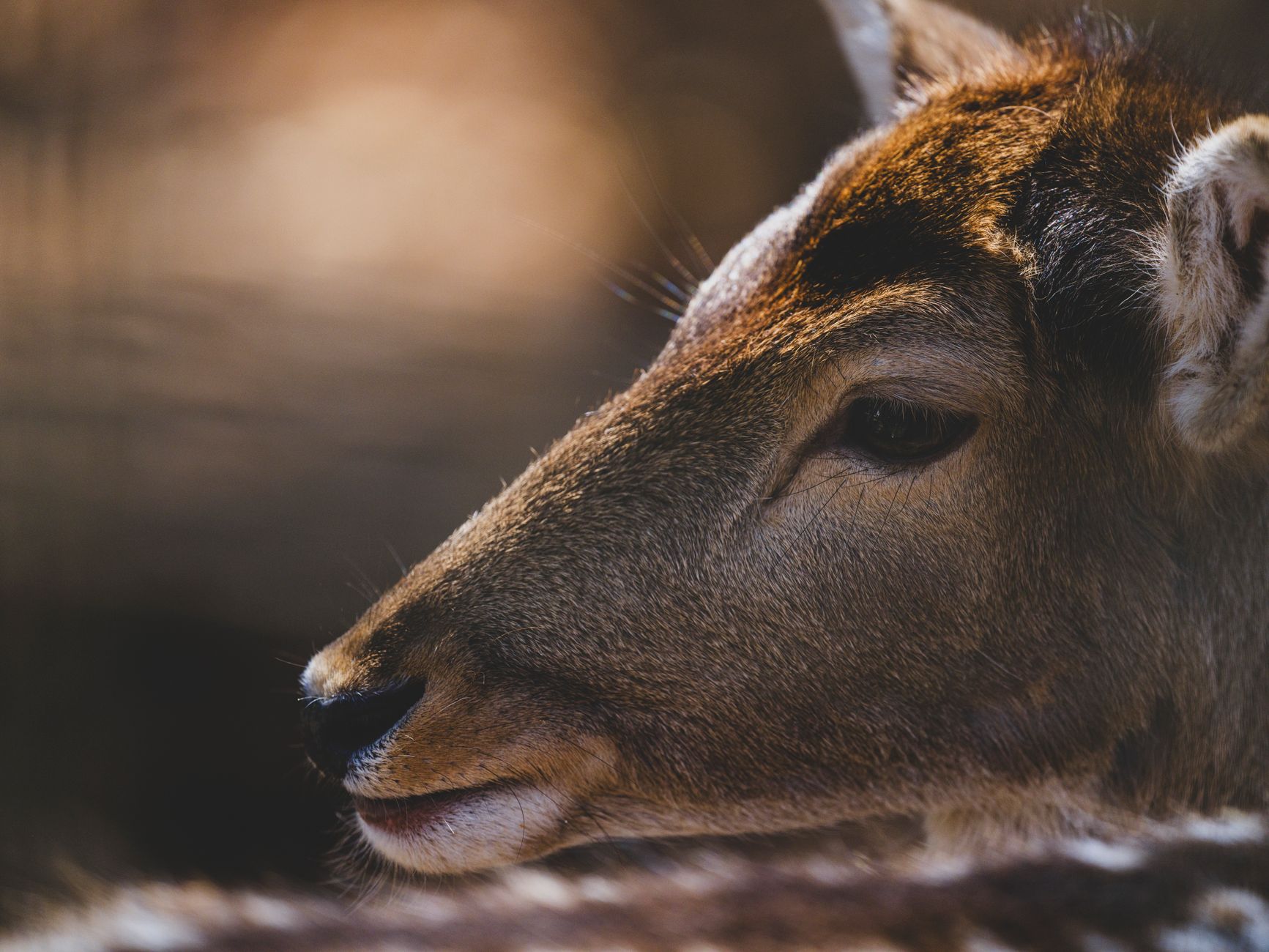
Is Deer Considered Lucky? Exploring Cultural Symbolism
Deer symbolism varies significantly across cultures, but in many traditions, deer are considered lucky, representing grace, peace, gentleness, intuition, and prosperity. Whether is deer considered lucky hinges on the specific cultural context and individual beliefs.

A Cross-Cultural Tapestry of Deer Symbolism
The symbolic significance of deer weaves a complex tapestry across diverse cultures, each thread representing unique interpretations and beliefs. Understanding these varying perspectives is crucial to answering the question: Is deer considered lucky?

What colours are fish most attracted to?
Can you put your finger in a trout's mouth?
Is methylene blue anti bacterial?
Does aquarium salt raise pH in aquarium?
East Asian Traditions: Luck and Longevity
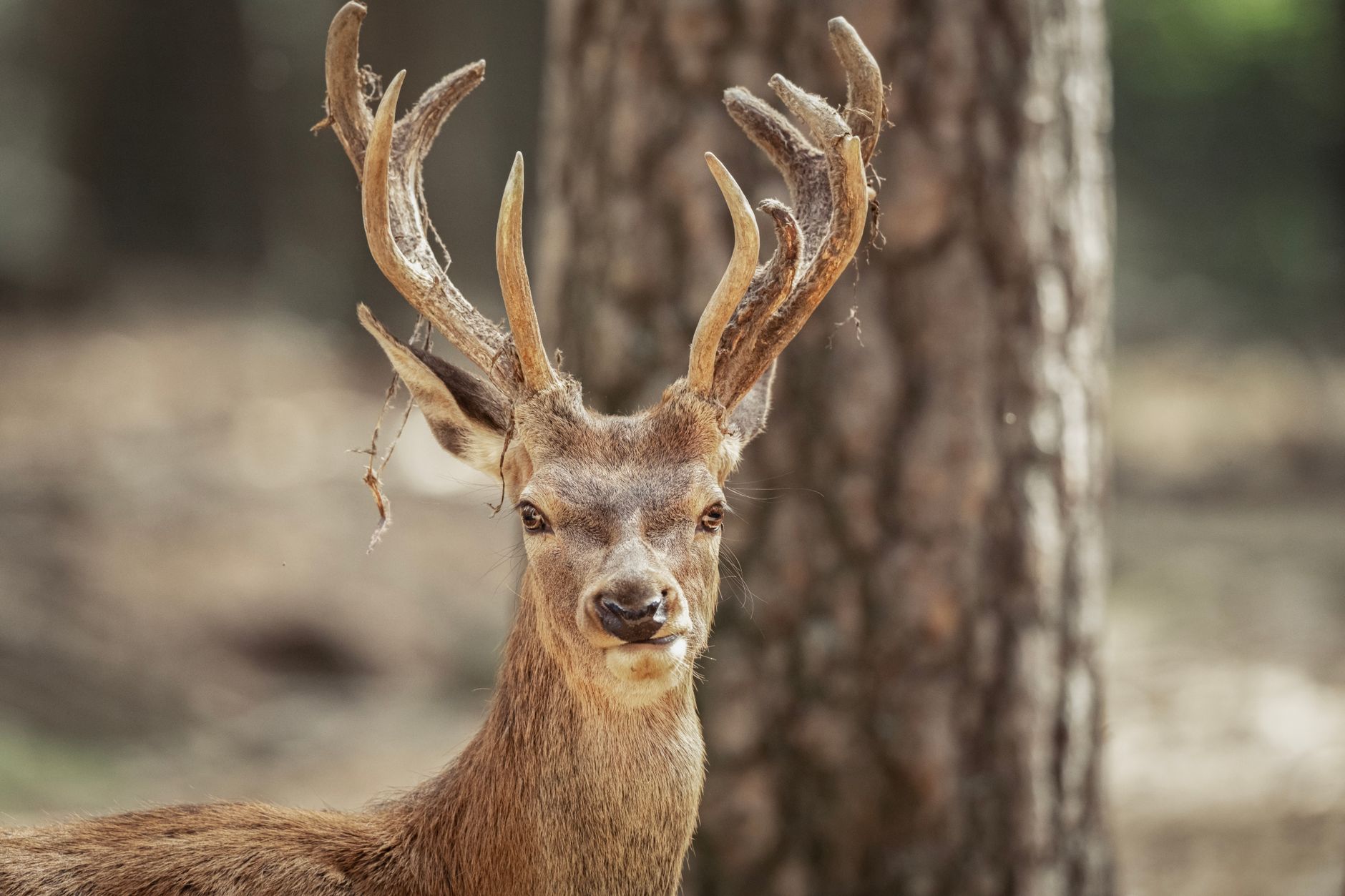
In many East Asian cultures, the deer holds a prominent position as a symbol of luck, longevity, and prosperity.
-
China: The deer (lù) shares a homophone with the word for official salary (lù). This association makes deer a potent symbol of professional success and wealth. Images of deer with the God of Longevity, Shouxing, are frequently seen, reinforcing the connection to long life.
-
Japan: Deer are revered as messengers of the gods, particularly in Nara Park, where they roam freely and are considered national treasures. Their presence is often seen as a sign of good fortune and blessings.
-
Korea: Similar to China, deer represent longevity and are often depicted in traditional paintings and crafts.
Native American Perspectives: Spirit Guides and Gentleness
For numerous Native American tribes, deer embody grace, gentleness, and intuition. They are often seen as spirit guides, leading individuals through spiritual journeys and offering protection.
-
Cherokee: The deer clan is one of the seven original clans, associated with peace and compassion.
-
Lakota: The white deer is considered especially sacred, representing spiritual purity and good fortune.
-
Other Tribes: Many tribes utilize deer antlers and hides in ceremonies, believing they possess spiritual power.
European Folklore: Transformations and Mystery
In European folklore, deer symbolism is more complex, sometimes associated with magic, transformation, and the hunt.
-
Celtic Mythology: Cernunnos, the horned god, is often depicted with deer antlers, representing fertility, abundance, and the cycle of life and death. Deer were also associated with the fairy realm and were seen as creatures of mystery.
-
Greek Mythology: Artemis, the goddess of the hunt and wilderness, was often depicted with deer. However, her relationship with deer was not always benevolent, as she was also known to hunt them.
-
Christian Symbolism: In some Christian interpretations, the deer represents the soul seeking God, drawing inspiration from Psalm 42:1, “As the deer pants for streams of water, so my soul pants for you, my God.”
Modern Interpretations: Grace and Renewal
In modern times, the deer often symbolizes grace, gentleness, and renewal. Seeing a deer can be interpreted as a reminder to be gentle with oneself and others, to trust one’s intuition, and to embrace new beginnings. Whether is deer considered lucky in this context depends on individual beliefs and interpretations.
When Deer Encounters Might Be Considered Lucky
Certain encounters with deer might be perceived as particularly lucky:
-
Seeing a White Deer: As mentioned earlier, the white deer holds special significance in many cultures, often symbolizing spiritual purity and good fortune.
-
Dreaming of Deer: Deer appearing in dreams can be interpreted as a sign of positive changes or spiritual guidance.
-
Finding a Shed Antler: Shed antlers can be seen as a symbol of strength and renewal, representing the cyclical nature of life.
Considerations and Cautions
While deer are often associated with positive symbolism, it’s important to remember that their presence can also present challenges. Overpopulation in some areas can lead to crop damage and increased risk of vehicle collisions. Responsible land management and respect for wildlife are essential for maintaining a healthy ecosystem. While many believe is deer considered lucky, their interaction with humans requires careful consideration.
Frequently Asked Questions (FAQs)
What does it mean if I see a deer in my yard?
Seeing a deer in your yard often symbolizes peace, tranquility, and a connection to nature. It can be a reminder to slow down, appreciate the simple things in life, and be mindful of your surroundings. The exact meaning depends on your personal beliefs and experiences.
Are deer good luck in Feng Shui?
Yes, deer are considered good luck in Feng Shui, particularly when placed in the wealth or career areas of your home or office. They symbolize prosperity, longevity, and career advancement.
What is the spiritual meaning of a deer sighting?
A deer sighting can have several spiritual meanings, including gentleness, intuition, grace, and spiritual guidance. It may be a sign to trust your instincts, be compassionate towards yourself and others, and embrace new opportunities.
Is it bad luck to hit a deer with your car?
While hitting a deer with your car is certainly an unfortunate event, it’s not necessarily considered “bad luck” in a superstitious sense. It’s more likely to be interpreted as an accident that requires responsible action, such as reporting the incident to the authorities and checking for injuries to the deer and yourself.
What does a deer symbolize in dreams?
Deer in dreams often symbolize your innocence, intuition, and connection to nature. A running deer might represent freedom and adventure, while a wounded deer could indicate vulnerability or emotional pain.
What is the symbolism of a stag (male deer) vs. a doe (female deer)?
Stags often symbolize masculine strength, leadership, and virility, while does represent feminine grace, nurturing, and gentleness. Together, they represent balance and harmony.
Are white-tailed deer considered lucky?
While all deer are generally considered lucky in many cultures, white-tailed deer, especially those with unusual coloring (e.g., albino or piebald), are often seen as particularly lucky. Their rarity and beauty add to their mystique.
What does it mean if a deer is unafraid of humans?
If a deer is unafraid of humans, it could signify a loss of natural fear due to habituation. While seemingly charming, it’s important to maintain a safe distance and avoid feeding them, as this can lead to dependency and increase the risk of accidents or disease transmission.
How does the symbolism of deer differ in rural vs. urban settings?
In rural settings, deer may be viewed with more practical considerations, such as their impact on agriculture and hunting. In urban settings, deer sightings might be considered more magical or symbolic, representing a connection to nature amidst the concrete jungle.
What is the connection between deer and the holiday season?
Deer, particularly reindeer, are closely associated with the holiday season through the story of Santa Claus and his reindeer-pulled sleigh. This association has further cemented the positive and festive symbolism of deer in modern culture.
Are deer antlers considered lucky?
Finding shed deer antlers can be considered lucky, symbolizing strength, renewal, and the cyclical nature of life. They are often used in crafts and decorations, bringing a touch of nature and good fortune into the home.
What is the cultural significance of deer hunting?
Deer hunting holds cultural significance for many communities, providing food, resources, and a connection to ancestral traditions. However, it’s essential to practice responsible hunting practices that prioritize conservation and respect for wildlife. Understanding the cultural context is important when considering whether is deer considered lucky in the context of hunting.