

Is Cleaning Enough to Get Rid of Roaches? Unveiling the Truth
No, while cleaning is essential to discourage roaches and reduce their food sources, it’s generally not enough to completely eliminate an established infestation. Effective roach control often requires a multi-pronged approach beyond simple cleaning.

Roaches are the bane of many households. Their presence is not only unsettling but also poses health risks. While many assume a pristine home is impervious to these pests, the reality is far more nuanced. This article delves into the effectiveness of cleaning as a roach control method, exploring its benefits, limitations, and the comprehensive strategies needed for true roach eradication.
Why Roaches Love Your Home (Even if it’s Clean-ish)
Roaches are resourceful survivors, adept at finding food, water, and shelter in even the most seemingly inhospitable environments. Several factors contribute to their ability to thrive indoors.
- Easy Access: Cracks in foundations, gaps around pipes, and openings in windows provide easy entry points for roaches.
- Hidden Food Sources: Crumbs under appliances, spills in cabinets, and even pet food left out overnight can sustain roach populations.
- Moisture: Leaky faucets, condensation, and damp basements provide essential water sources for roaches.
- Warmth and Shelter: Roaches prefer warm, dark places, making areas behind refrigerators, inside walls, and under sinks ideal hiding spots.
Is distilled water good for goldfish?
What colours are fish most attracted to?
Can you put your finger in a trout's mouth?
Is methylene blue anti bacterial?
The Undeniable Benefits of Cleaning in Roach Control
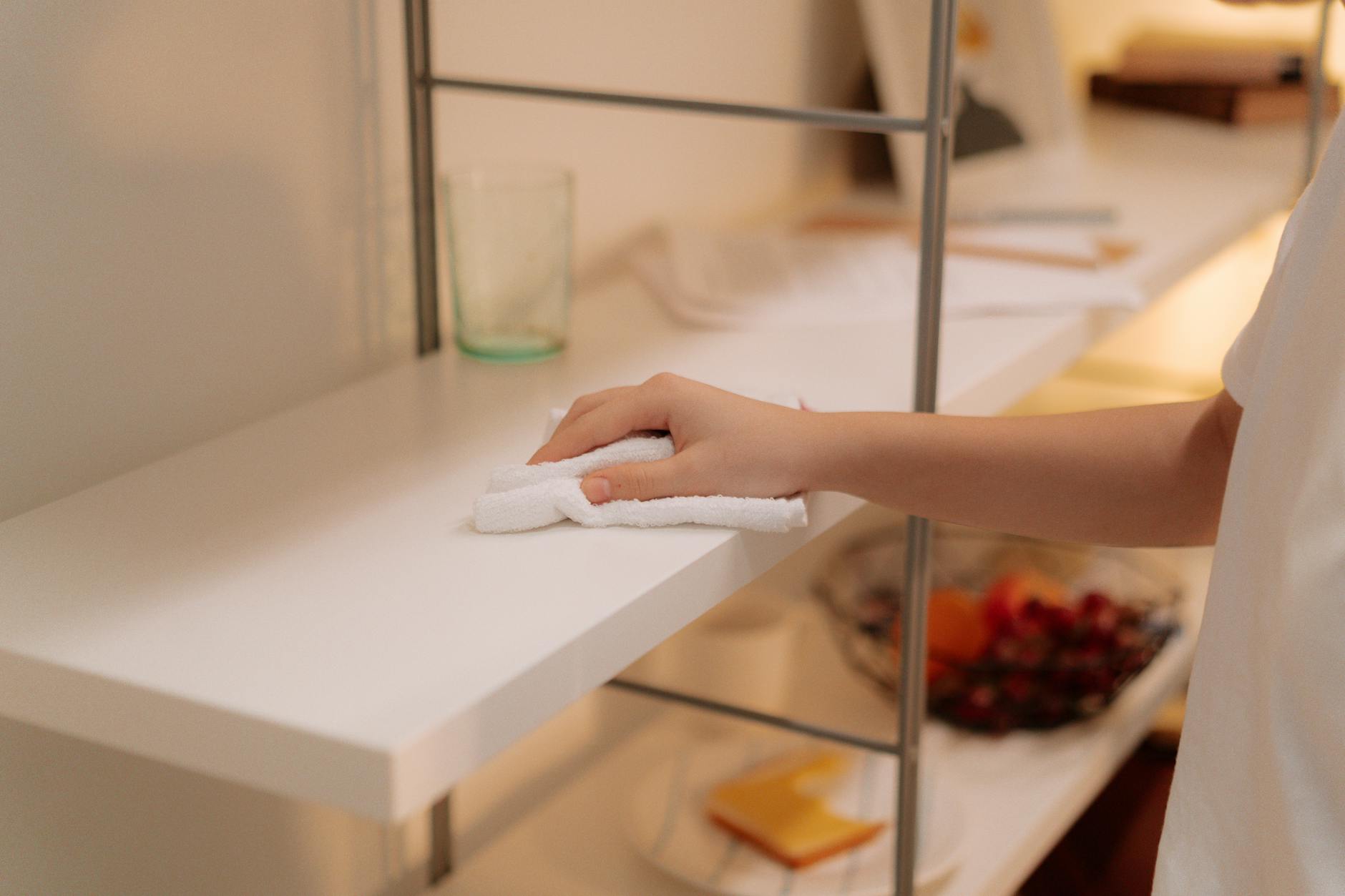
While cleaning alone may not eradicate a roach infestation, it plays a crucial role in preventing and controlling these pests. Here’s why:
- Reduces Food Sources: Regular cleaning eliminates crumbs, spills, and other food debris that roaches rely on.
- Eliminates Water Sources: Fixing leaks and drying up damp areas deprives roaches of essential hydration.
- Disrupts Roach Habitat: Thorough cleaning can disrupt roach nesting sites and force them to seek alternative shelter.
- Improves Inspection Effectiveness: A clean environment makes it easier to identify roach activity, such as droppings or egg casings.
Cleaning as a Roach Control Strategy: A Detailed Approach
To maximize the effectiveness of cleaning in roach control, follow these steps:
- Deep Cleaning: Focus on areas where roaches are likely to congregate, such as the kitchen and bathrooms. Clean under appliances, inside cabinets, and behind furniture.
- Food Storage: Store food in airtight containers to prevent roaches from accessing it.
- Garbage Management: Dispose of garbage regularly and keep garbage cans tightly sealed.
- Seal Entry Points: Caulk cracks and crevices to prevent roaches from entering your home.
- Regular Maintenance: Implement a regular cleaning schedule to maintain a roach-unfriendly environment.
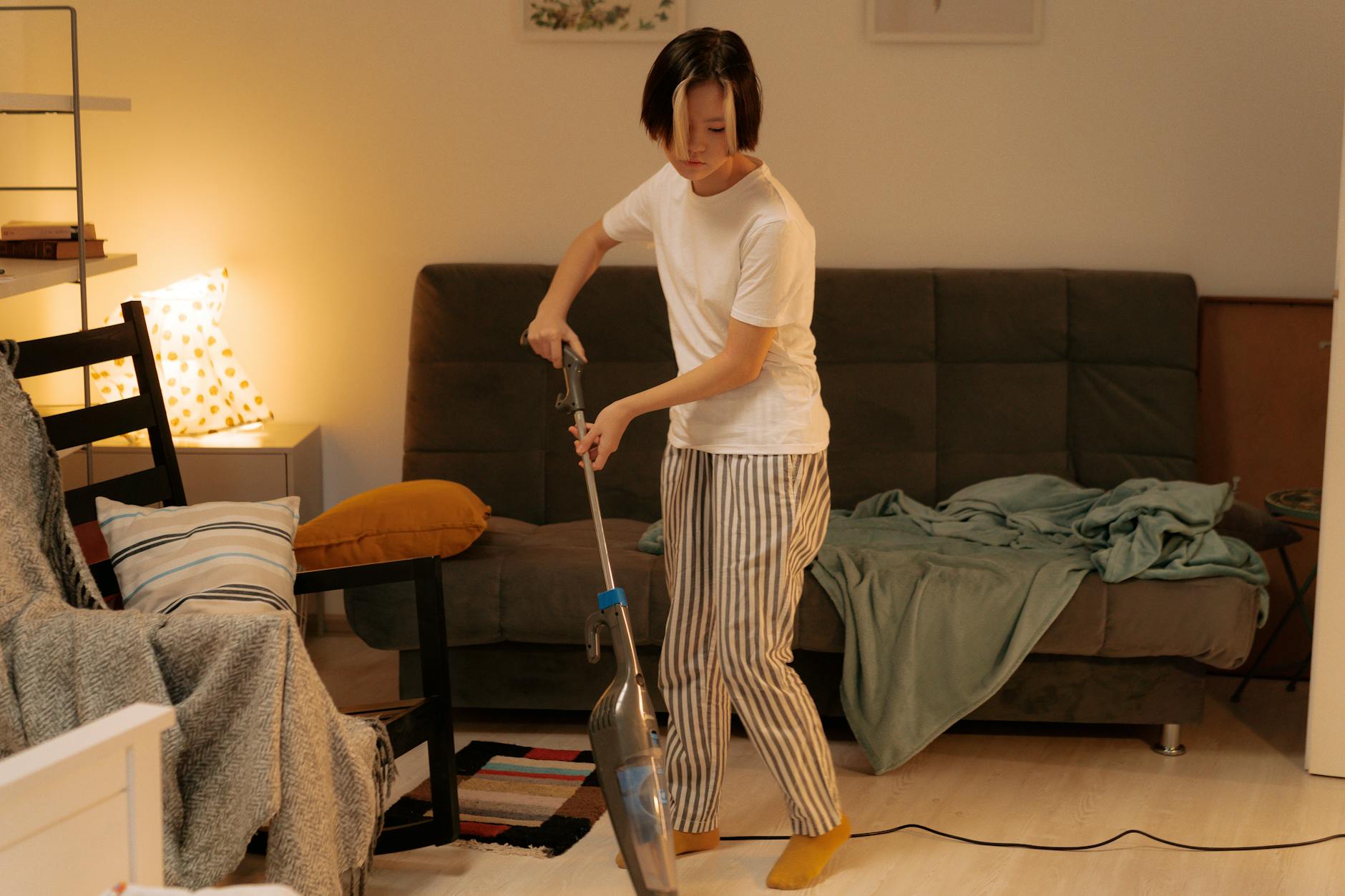
- Vacuum Regularly: Vacuum floors, carpets, and rugs to remove crumbs and debris.
- Declutter: Reduce clutter to eliminate potential hiding places for roaches.
Why Cleaning Often Falls Short: Understanding the Limitations
Despite its benefits, cleaning has limitations in eliminating roach infestations, and is often not enough.
- Hidden Populations: Roaches often hide in hard-to-reach areas, such as inside walls or behind appliances, where cleaning cannot reach.
- Reproductive Rate: Roaches reproduce quickly, and even a small number of surviving roaches can quickly repopulate an area.
- Resilience: Roaches are resilient creatures that can survive for extended periods without food or water.
- Egg Casings: Roach egg casings (oothecae) are resistant to many cleaning agents, allowing new roaches to hatch even after cleaning.
A Multi-Pronged Approach: Combining Cleaning with Other Control Methods
To effectively eliminate roaches, a comprehensive approach is often necessary. This may involve:
- Baits: Roach baits contain insecticides that roaches ingest, killing them and potentially other roaches in the colony.
- Insecticides: Sprays, dusts, and aerosols can be used to target roaches in their hiding places. Professional application is often recommended.
- Insect Growth Regulators (IGRs): These chemicals disrupt roach development, preventing them from reproducing.
- Professional Pest Control: A pest control professional can assess the infestation, identify the roach species, and recommend the most effective treatment plan.
Comparing Cleaning Methods: Chemical vs. Natural
| Method | Description | Advantages | Disadvantages |
|---|---|---|---|
| Chemical Cleaners | Using commercially available cleaning products with disinfectants. | Strong cleaning power, often effective against bacteria and germs. | Can be harsh, potentially toxic, and may not target roaches directly. |
| Natural Cleaners | Using vinegar, baking soda, lemon juice, and other natural agents. | Eco-friendly, generally safer for humans and pets. | May not be as effective as chemical cleaners for heavy infestations. |
Common Mistakes When Relying Solely on Cleaning for Roach Control
Many people make the mistake of thinking that cleaning is enough to solve their roach problem. Here are some common errors:
- Ignoring Hidden Areas: Focusing only on visible surfaces while neglecting under appliances and inside cabinets.
- Using Ineffective Cleaning Agents: Relying on general-purpose cleaners that don’t target roaches specifically.
- Failing to Seal Entry Points: Leaving cracks and crevices unsealed, allowing roaches to re-enter.
- Not Addressing Moisture Issues: Ignoring leaky faucets or damp areas that provide water sources for roaches.
- Being Inconsistent: Sporadic cleaning rather than a consistent schedule.
Frequently Asked Questions (FAQs)
Will a dirty house always attract roaches?
While a dirty house is more likely to attract roaches due to readily available food and water sources, even a clean home can become infested. Roaches can enter through cracks, pipes, or even on items brought into the house, regardless of the cleanliness. Therefore, cleanliness is only one factor in preventing roach infestations.
What cleaning products repel roaches?
Some essential oils, such as peppermint and eucalyptus, are known to repel roaches. However, their effectiveness is limited, and they are best used as a supplementary measure alongside other control methods. Regularly cleaning with a mixture of water and white vinegar can also help deter roaches.
How often should I clean to prevent roaches?
A thorough cleaning at least once a week is recommended to prevent roaches. Focus on the kitchen and bathrooms, where roaches are most likely to find food and water. Regular cleaning is key, as even small amounts of food debris can attract roaches.
Can roaches survive in a clean environment?
Yes, roaches can survive in a clean environment if they can find even small amounts of food and water. They are highly adaptable and can survive on crumbs, spills, and even moisture. Therefore, even diligent cleaning may not completely eliminate them.
Is it better to use bait or spray for roaches after cleaning?
Both bait and spray can be effective after cleaning. Baits are generally preferred as they target the entire colony, while sprays are better for spot treatments. Using both methods in combination can be the most effective strategy.
How do I clean after roach infestation treatment?
After roach treatment, it is important to clean surfaces to remove dead roaches and insecticide residue. However, avoid using harsh chemicals that could neutralize the treatment. A mild detergent and water are usually sufficient.
What are the first signs of a roach infestation?
The first signs of a roach infestation often include seeing live roaches, especially at night, finding roach droppings (small, dark pellets), or noticing a musty odor. Early detection is crucial for effective control.
Do roaches carry diseases?
Yes, roaches can carry various pathogens that can cause diseases, such as salmonellosis, dysentery, and gastroenteritis. They can also trigger allergies and asthma in some people. This is why controlling roaches is important for public health.
What attracts roaches besides food?
Besides food, roaches are attracted to water, shelter, and warmth. Leaky pipes, damp basements, and cluttered areas provide ideal conditions for roaches to thrive. Addressing these factors is essential for prevention.
Can I get rid of roaches naturally?
Natural methods, such as using diatomaceous earth, borax, or essential oils, can help control roaches. However, they may not be as effective as chemical treatments for severe infestations. Natural methods are best suited for prevention or mild infestations.
How long can roaches live without food?
Roaches can survive for several weeks without food, but they need water to survive. The exact duration depends on the species and environmental conditions. This highlights the importance of eliminating water sources to control roaches.
When should I call a professional for roach control?
If you have a severe roach infestation, or if you have tried various DIY methods without success, it is best to call a professional pest control service. Professionals have the knowledge, experience, and tools to effectively eliminate roaches and prevent future infestations.