
Is Baking Soda or Coffee Grounds Best for Absorbing Odors?
The battle against unwanted smells is ongoing in homes everywhere, but which is the true champion? Baking soda is generally considered the more effective odor absorber due to its chemical properties, while coffee grounds primarily mask odors and may even contribute to new ones if not handled properly.

The quest to eliminate unpleasant odors from our homes is a never-ending one. From lingering cooking smells to musty basements, unwanted aromas can quickly become a nuisance. Two common household items often touted as odor absorbers are baking soda and coffee grounds. But which one actually works better, and why? This article delves into the science behind odor absorption, compares the effectiveness of baking soda and coffee grounds, and provides practical tips for using each.
The Science of Odor Absorption
Understanding how baking soda and coffee grounds work requires a basic understanding of odor molecules. Many unwanted smells are caused by acidic or basic molecules in the air. Odor absorption involves either neutralizing these molecules or trapping them.
- Neutralization: Chemical reactions neutralize the offensive odor molecules, effectively changing their composition and rendering them odorless.
- Adsorption: This process involves the odor molecules sticking to the surface of the absorbing material. Think of it as trapping the smell.
- Masking: Masking involves covering up a bad smell with a stronger, more pleasant one. This doesn’t eliminate the original odor, but rather distracts from it.
What colours are fish most attracted to?
Can you put your finger in a trout's mouth?
Is methylene blue anti bacterial?
Does aquarium salt raise pH in aquarium?
Baking Soda: The Chemical Odor Neutralizer

Baking soda, also known as sodium bicarbonate (NaHCO3), is a weak base. Its effectiveness as an odor absorber stems from its ability to neutralize both acidic and basic odor molecules through a chemical reaction.
- How it works: Baking soda interacts with acidic odors, such as those from spoiled milk or vinegar, and basic odors, like those from fish or ammonia, to neutralize them. This chemical reaction transforms the odor molecules into odorless salts.
- Versatility: Baking soda’s ability to neutralize a wide range of odors makes it a versatile choice for various applications, from refrigerators to carpets.
- Ease of Use: Simply place an open box of baking soda in the affected area. Replace it every month or two for optimal odor absorption.
- Safety: Baking soda is generally safe for use around children and pets.
Coffee Grounds: Masking vs. Absorbing
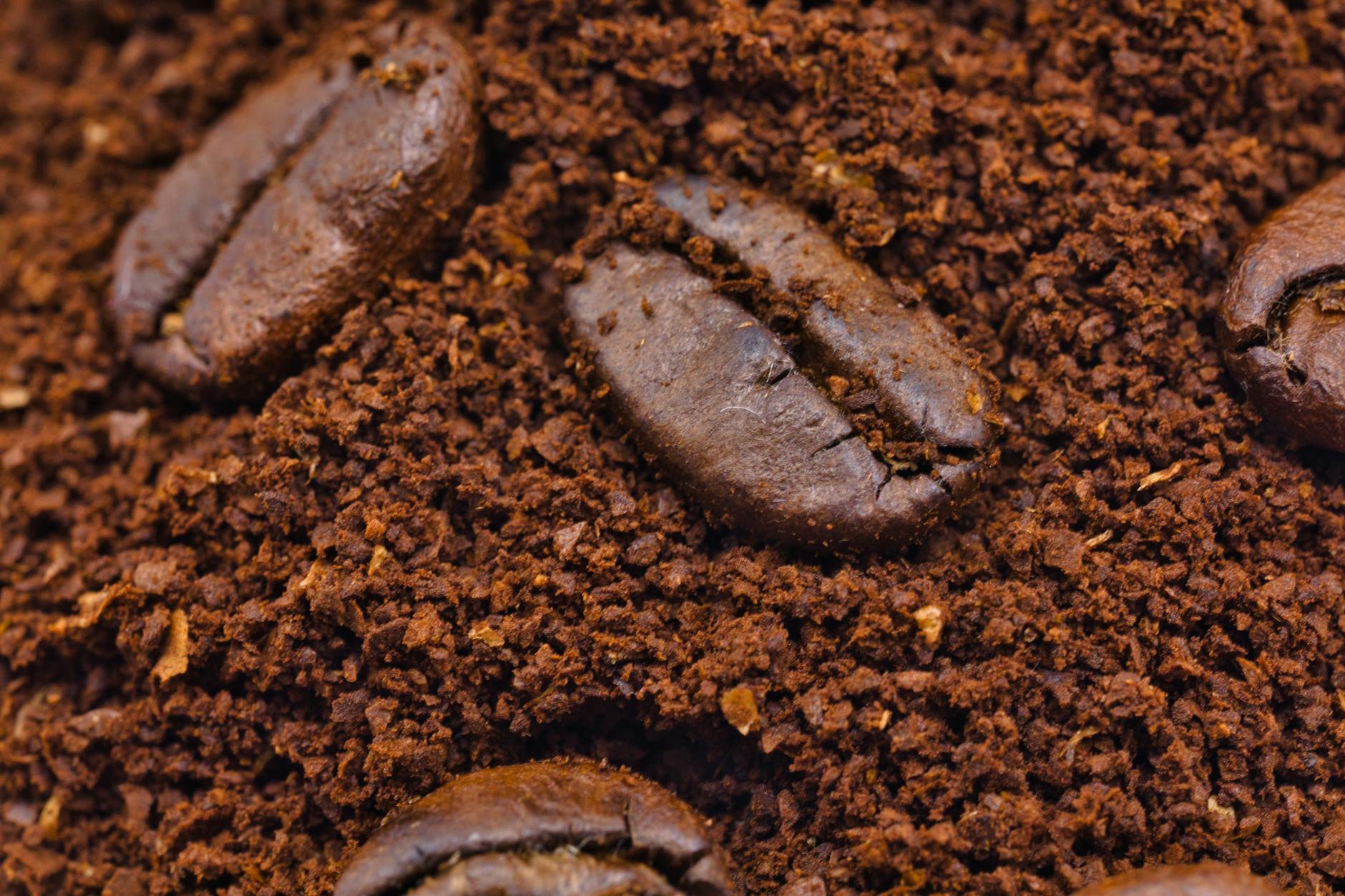
Coffee grounds, particularly used coffee grounds, are often suggested as a natural way to combat odors. However, their primary function is to mask smells rather than actively absorb them.
- Aromatic oils: Coffee grounds contain aromatic oils that release a strong coffee scent, which can temporarily cover up other odors.
- Limited Absorption: While coffee grounds may have some limited adsorptive properties due to their porous structure, they don’t possess the chemical neutralizing ability of baking soda.
- Moisture Issues: Damp coffee grounds can become a breeding ground for mold and mildew, creating new and potentially worse odors.
- Best uses: Best used for masking odors such as cigarette smoke or pet smells. Must be replaced often to prevent mold growth.
Comparing Baking Soda and Coffee Grounds
The key differences between baking soda and coffee grounds for odor absorption can be summarized in the table below:
| Feature | Baking Soda (Sodium Bicarbonate) | Coffee Grounds (Used) |
|---|---|---|
| Primary Action | Neutralization | Masking, some Adsorption |
| Odor Range | Wide range (acidic and basic) | Limited range, coffee scent-based |
| Effectiveness | High | Moderate |
| Potential Issues | None significant | Mold/Mildew if kept damp |
| Safety | High | High |
| Longevity | 1-2 months before replacement | Requires frequent replacement |
| Risk of Contributing to new odors | Very Low | High if damp grounds are not replaced quickly. |
Practical Applications: Getting the Most Out of Each
- Baking Soda:
- Refrigerator: Place an open box in the fridge and freezer.
- Carpets: Sprinkle baking soda on carpets, let it sit for 15-30 minutes, then vacuum.
- Garbage Cans: Sprinkle baking soda at the bottom of the can before inserting a liner.
- Shoes: Place baking soda in socks and insert them into shoes overnight.
- Coffee Grounds:
- Refrigerator: Place a bowl of dry, used coffee grounds in the fridge. Ensure the grounds are completely dry to avoid mold growth.
- Ashtrays: Place coffee grounds at the bottom of ashtrays to help absorb cigarette odors.
- Garbage Disposal: Grind coffee grounds in the disposal to freshen the drain.
- Hands: Rub coffee grounds on your hands after handling strong-smelling foods like garlic or onions.
Preventing Odors: A Proactive Approach
While both baking soda and coffee grounds can help manage odors, preventing them in the first place is often the best strategy.
- Regular Cleaning: Regularly clean areas prone to odors, such as kitchens, bathrooms, and pet areas.
- Proper Ventilation: Ensure adequate ventilation, especially when cooking or cleaning with strong-smelling products.
- Prompt Cleanup: Clean up spills and messes immediately to prevent odors from setting in.
- Proper Food Storage: Store food properly in airtight containers to prevent spoilage and odors.
- Garbage Management: Empty garbage cans frequently and use liners to contain odors.
Conclusion
While coffee grounds can mask odors effectively, baking soda emerges as the superior choice for true odor absorption due to its chemical neutralization properties. Is baking soda or coffee grounds best for absorbing odors? The answer lies in understanding the science behind odor control and choosing the appropriate tool for the job. For general odor elimination, baking soda reigns supreme. For masking specific smells, coffee grounds can provide a temporary solution, but always prioritize dryness to avoid creating new problems.
Frequently Asked Questions (FAQs)
Can I mix baking soda and coffee grounds for better odor absorption?
While theoretically possible, mixing baking soda and coffee grounds isn’t generally recommended. Baking soda’s neutralizing action is distinct from coffee grounds’ masking effect, and combining them doesn’t necessarily amplify the benefits of either. Plus, the moisture from coffee grounds can clump the baking soda, reducing its effectiveness and promoting mold growth.
How often should I replace baking soda in my refrigerator?
For optimal odor absorption, replace the box of baking soda in your refrigerator every one to two months. Over time, the baking soda becomes saturated with odor molecules and loses its effectiveness.
Can I reuse the baking soda I remove from my refrigerator?
While the baking soda may have absorbed odors, it can still be used for other cleaning purposes. Consider using it to scrub sinks, toilets, or other surfaces. However, avoid using it in food preparation after it’s been used for odor absorption.
Are there any odors that baking soda doesn’t absorb?
Baking soda is effective against a wide range of odors, but it may not be as effective against strong chemical odors or mold and mildew smells. For these stubborn odors, consider using specialized odor-absorbing products or professional cleaning services.
Can I use coffee grounds to absorb pet odors in my home?
Coffee grounds can mask pet odors, but they may not completely eliminate them. Sprinkle dry, used coffee grounds on carpets or upholstery, let them sit for a few minutes, then vacuum them up. Be cautious, as coffee grounds can stain lighter-colored fabrics.
Are there any potential health concerns associated with using baking soda or coffee grounds for odor absorption?
Both baking soda and coffee grounds are generally safe for use in homes. However, individuals with allergies to coffee should avoid using coffee grounds. Inhaling large quantities of baking soda dust can cause respiratory irritation in some people, so use it in a well-ventilated area.
How do I dry used coffee grounds properly to prevent mold growth?
To prevent mold growth, spread the used coffee grounds on a baking sheet and bake them in a low oven (around 200°F or 93°C) until they are completely dry. You can also air-dry them in a sunny location, stirring them occasionally to ensure even drying.
Is it safe to use baking soda or coffee grounds around pets and children?
Baking soda is generally considered safe around pets and children, but it’s best to keep it out of reach to prevent accidental ingestion of large quantities. Coffee grounds are also relatively safe, but caffeine can be harmful to pets if ingested.
Can I use baking soda to remove odors from my car?
Yes, baking soda can be used to remove odors from your car. Sprinkle baking soda on the carpets and upholstery, let it sit for several hours or overnight, then vacuum it up. You can also place an open box of baking soda in the car.
What are some alternatives to baking soda and coffee grounds for odor absorption?
Other natural odor absorbers include activated charcoal, vinegar, and essential oils. Activated charcoal is highly porous and effective at trapping odor molecules, while vinegar can neutralize odors. Essential oils can mask odors and provide a pleasant scent.
Can baking soda or coffee grounds remove smoke odors from clothing?
Baking soda can help remove smoke odors from clothing. Add 1/2 cup of baking soda to your laundry detergent when washing clothes. For heavily smoke-damaged items, soak them in a solution of baking soda and water before washing. Coffee grounds are not recommended for use in removing smoke odors from clothing.
What is activated charcoal and how does it compare to baking soda for odor absorption?
Activated charcoal is a form of carbon that has been processed to make it extremely porous and have a very large surface area available for adsorption or chemical reactions. While baking soda works through neutralization, activated charcoal primarily works through adsorption, trapping odor molecules within its porous structure. Both are effective, but activated charcoal is often preferred for very strong odors.