

Is an Owl a Bad Luck Omen? Unraveling the Myths and Realities
Is an owl a bad luck? No, owls are not inherently bad luck. The association stems from cultural interpretations and ancient folklore, not from any inherent property of the birds themselves.
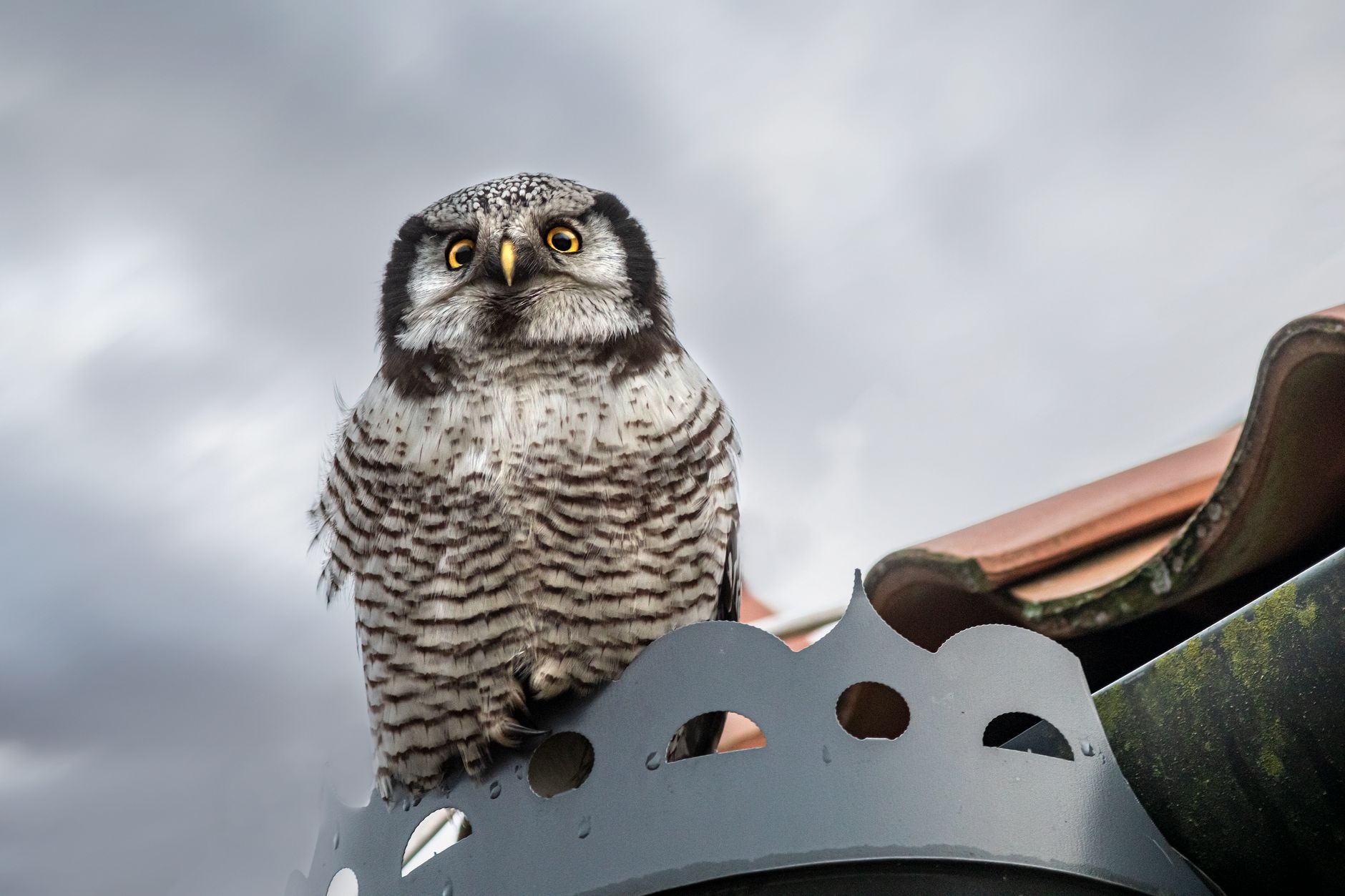
Understanding the Historical Roots of Owl Superstitions
The perception of owls as harbingers of misfortune is deeply embedded in various cultures worldwide, stemming from their nocturnal habits, haunting calls, and association with death and the spirit world. To truly understand why some cultures consider encountering an owl to be unlucky, we need to delve into history and examine the specific beliefs of different societies.
-
Ancient Civilizations: In some ancient cultures, like parts of ancient Egypt, owls were associated with the underworld, connecting them to death and the afterlife. Their presence was therefore viewed with apprehension and, in some instances, fear.
-
European Folklore: Across Europe, especially during the Middle Ages, the owl’s nocturnal behavior and piercing eyes contributed to its depiction as a creature of darkness and evil. Its call was often interpreted as an omen of impending death or disaster.
-
Native American Cultures: The relationship between owls and human fortune varies drastically among Native American tribes. While some tribes revered owls as symbols of wisdom and protection, others viewed them with caution, linking them to spirits of the deceased or witchcraft.

What colours are fish most attracted to?
Can you put your finger in a trout's mouth?
Is methylene blue anti bacterial?
Does aquarium salt raise pH in aquarium?
Deconstructing the Myth: Why Owls Deserve Respect, Not Fear

Despite the prevalence of superstitions, it’s essential to recognize the vital role owls play in our ecosystems and appreciate their unique characteristics. Owls are not agents of bad luck; they are simply fascinating creatures adapting to their environment.
-
Ecological Importance: As apex predators, owls play a crucial role in controlling rodent populations. They are vital for maintaining the balance of nature, preventing crop damage and the spread of diseases carried by rodents.
-
Intelligence and Adaptability: Owls exhibit remarkable intelligence and adaptability. Their ability to hunt silently, navigate in darkness, and adapt to diverse habitats makes them fascinating subjects of scientific study.
-
Beauty and Wonder: Their striking appearance, mesmerizing calls, and graceful flight inspire awe and wonder. Observing an owl in its natural habitat is a privilege, not a reason for fear.
Cultural Variations: A Global Perspective on Owl Symbolism
While many cultures associate owls with negative omens, others view them as symbols of wisdom, knowledge, and protection. A nuanced understanding of cultural perspectives is vital to dispel the myth that is an owl a bad luck.
-
Ancient Greece: In ancient Greece, the owl was associated with Athena, the goddess of wisdom, learning, and strategic warfare. As such, it was a symbol of intelligence, knowledge, and good fortune.
-
Japan: In Japan, owls, known as fukurō, are often seen as symbols of good luck and protection. The word “fukurō” can also mean “no suffering” or “to keep safe.”
-
Some African cultures: Certain African tribes revere owls as messengers of the gods or guardians of the night. They are often associated with ancestral spirits and are believed to possess protective powers.
Debunking Common Owl Superstitions
Many common superstitions surround owls, often causing unnecessary fear and anxiety. By debunking these myths, we can promote a more informed and respectful understanding of these magnificent birds.
-
Myth 1: An owl hooting near your house means someone will die.
This is a common superstition rooted in the association of owls with death. However, owls hoot for various reasons, including territorial defense, attracting mates, and communicating with each other. -
Myth 2: Seeing an owl during the day is a bad omen.
While owls are primarily nocturnal, they may be active during the day, especially during breeding season or if they are disturbed. Seeing an owl during the day is not necessarily a sign of bad luck. -
Myth 3: Owls are witches in disguise.
This superstition stems from folklore and ancient beliefs associating owls with magic and witchcraft. In reality, owls are simply birds with unique adaptations for nocturnal hunting.
Owls in Modern Culture: Beyond Superstition
Despite the enduring power of superstitions, owls have also found a place in modern culture as symbols of wisdom, intelligence, and mystery. They appear in literature, film, art, and advertising, often representing knowledge and insight. Understanding is an owl a bad luck and its historical connections can help us understand the role owls have had in modern culture.
-
Literature and Film: Owls feature prominently in various works of fiction, such as the Harry Potter series, where they serve as messengers and companions.
-
Art and Design: Owls are a popular motif in art and design, often representing wisdom, knowledge, and mystery.
-
Conservation Efforts: Efforts to protect owl populations and their habitats are crucial to ensuring their survival for future generations.
Frequently Asked Questions (FAQs)
Why are owls associated with death?
The association of owls with death stems from their nocturnal habits, eerie calls, and often silent flight, which have historically linked them to the unknown and the spirit world in various cultures. Their association with darkness has led to their placement in stories and legends as harbingers of impending demise.
Do all cultures view owls as bad luck?
No, not all cultures consider owls bad luck. In some cultures, such as ancient Greece and Japan, owls are revered as symbols of wisdom, knowledge, and good fortune. Their image and symbolism vary greatly depending on the cultural context.
What is the ecological role of owls?
Owls are crucial apex predators that play a vital role in controlling rodent populations and maintaining ecological balance. Without owls, rodent populations could surge, leading to crop damage and the spread of diseases.
How can I tell if an owl is nesting near my home?
Signs that an owl is nesting near your home include frequent owl calls, the presence of owl pellets (regurgitated undigested prey), and sightings of owls entering or leaving a particular area. You may also notice an increase in rodent activity, as owls bring prey back to their nest.
Is it dangerous to approach an owl?
While owls are generally not aggressive towards humans, it is best to observe them from a distance and avoid approaching their nests or young. If you encounter an injured owl, contact a local wildlife rehabilitation center for assistance.
What should I do if I find an injured owl?
If you find an injured owl, do not attempt to handle it yourself. Contact a local wildlife rehabilitation center or animal rescue organization for guidance. They have the expertise and resources to safely capture and care for the injured bird.
Are owls protected by law?
Yes, owls are protected by law in many countries, including the United States. It is illegal to kill, capture, or possess owls without a permit. Be sure to check your local regulations to be certain.
What is the best way to attract owls to my property?
The best way to attract owls to your property is to provide suitable habitat, such as mature trees for nesting and perching, and to avoid using pesticides that can harm their prey. Putting up an owl box can also encourage them to nest in your area.
What is an owl pellet, and what can it tell me about an owl’s diet?
An owl pellet is a regurgitated mass of undigested prey, such as bones, fur, and feathers. By dissecting an owl pellet, you can learn about the owl’s diet and the types of animals it has been consuming.
Why do owls hoot?
Owls hoot for various reasons, including territorial defense, attracting mates, and communicating with other owls. Different species of owls have distinct calls.
Can owls turn their heads all the way around?
No, owls cannot turn their heads a full 360 degrees, but they can rotate them up to 270 degrees. This impressive range of motion is due to their unique neck anatomy, which includes extra vertebrae and specialized blood vessels.
What are some common species of owls?
Some common species of owls include the Great Horned Owl, Barn Owl, Screech Owl, and Barred Owl. Each species has unique characteristics, such as size, appearance, and habitat preferences. Considering is an owl a bad luck and how varied owl species are, helps highlight how much cultures may vary.