
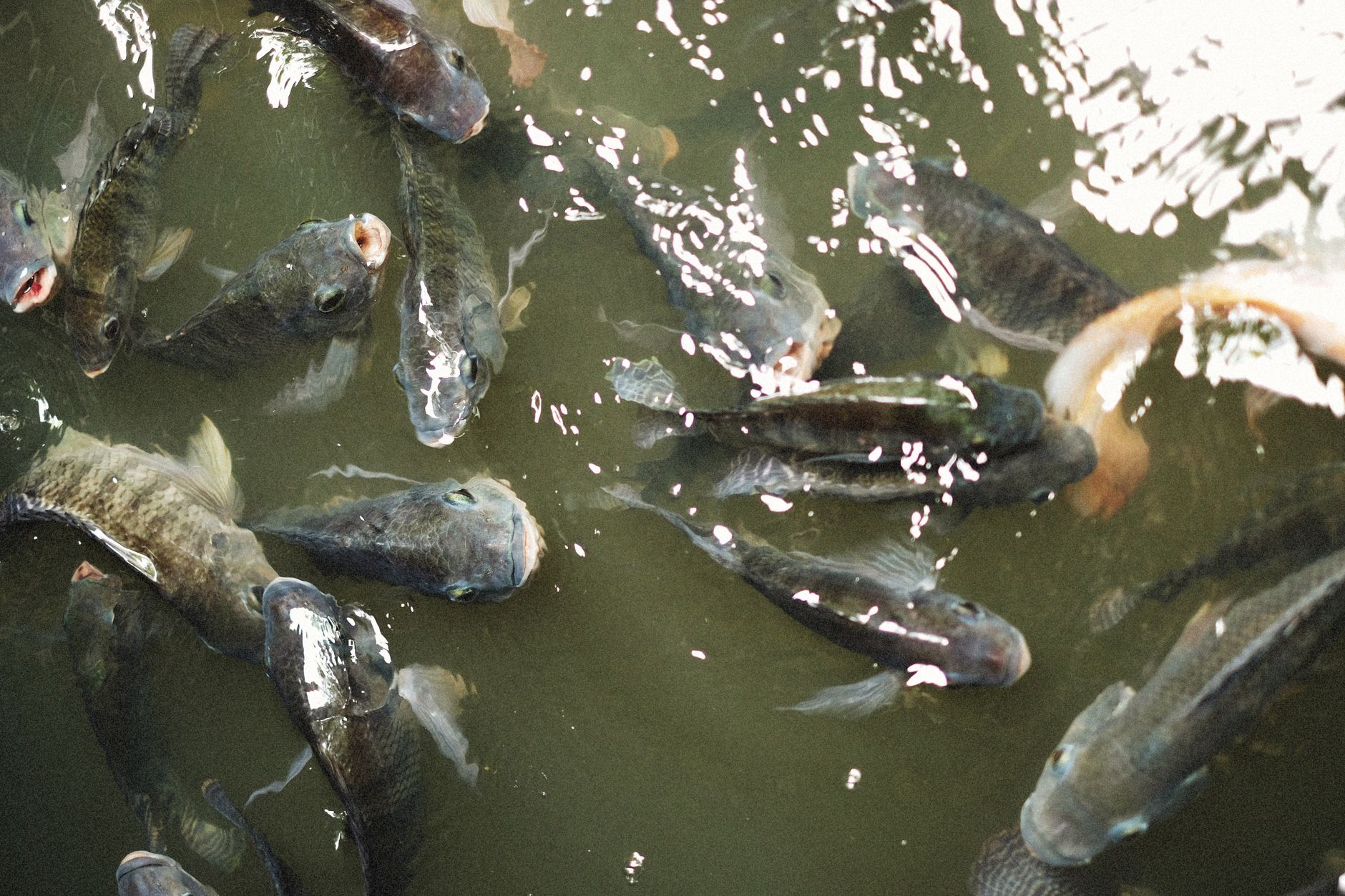
Is Algaecide Harmful to Fish? Understanding the Risks and Safe Practices
While some specialized algaecides, when used correctly, pose minimal risk, the general answer to “Is algaecide harmful to fish?” is a qualified yes. Misuse, improper dosage, or selection of the wrong product can lead to significant harm or even death to aquatic life.

Algae Blooms and Their Impact on Fish
Algae, while a natural part of aquatic ecosystems, can sometimes proliferate into harmful blooms. These blooms can have several negative consequences for fish populations:
- Oxygen Depletion: As algae die and decompose, bacteria consume large amounts of oxygen, leading to hypoxia (low oxygen) or anoxia (no oxygen). Fish require oxygen to survive, and these conditions can cause stress, suffocation, and death.
- Toxicity: Some algae species, particularly cyanobacteria (blue-green algae), produce toxins that can be harmful to fish, causing liver damage, neurological problems, and even death. These toxins can also accumulate in the food chain, posing risks to animals and humans that consume contaminated fish.
- Physical Obstruction: Dense algae blooms can physically interfere with fish movement and feeding. They can clog gills, making it difficult for fish to breathe, and reduce visibility, making it harder for them to find food.
- Sunlight Reduction: Excessive algae growth can block sunlight from reaching submerged plants, hindering their growth and disrupting the food web.

Are fish heads good for the garden?
Can fish hear water?
What is cotton rot in fish?
What colours are fish most attracted to?
Algaecides: A Tool for Algae Control

Algaecides are chemicals designed to kill or inhibit the growth of algae. They are often used in ponds, lakes, and aquariums to control algae blooms and maintain water quality. Common types of algaecides include:
- Copper-Based Algaecides: These are widely used and effective against many types of algae. However, copper can be toxic to fish, especially in soft water.
- Quaternary Ammonium Compounds (Quats): These are effective against certain types of algae and are generally considered less toxic to fish than copper-based algaecides. However, they can still be harmful if used improperly.
- Hydrogen Peroxide-Based Algaecides: These are relatively new and are considered to be more environmentally friendly. They break down into water and oxygen, but can still cause oxygen depletion if used in large quantities.
The Risks of Algaecide Use to Fish
The question of “Is algaecide harmful to fish?” necessitates a look at the specific risks associated with its use. While algaecides can be effective at controlling algae, they also pose potential risks to fish and other aquatic organisms. These risks include:
- Direct Toxicity: Some algaecides, particularly copper-based products, can be directly toxic to fish, especially in soft water (low in minerals).
- Oxygen Depletion: As algae die and decompose after algaecide treatment, bacteria consume oxygen, which can lead to hypoxia and fish kills. This is especially a risk in densely populated ponds or aquariums.
- pH Fluctuations: Algaecides can alter the pH of the water, which can stress or harm fish.
- Impact on Beneficial Bacteria: Some algaecides can kill beneficial bacteria that are essential for maintaining water quality. This can disrupt the nitrogen cycle and lead to ammonia buildup, which is toxic to fish.
Safe Algaecide Use Practices
Minimizing the risks associated with algaecide use requires careful planning and implementation. Here are some key practices to follow:
- Identify the Algae: Before using any algaecide, identify the type of algae you are dealing with. Different algaecides are effective against different types of algae.
- Test Water Quality: Test the pH, alkalinity, and hardness of the water before applying algaecide. This will help you determine the appropriate dosage and choose the safest product.
- Calculate Dosage Accurately: Carefully calculate the volume of water to be treated and use the correct dosage of algaecide. Overdosing can be harmful to fish.
- Treat in Stages: If you have a large algae bloom, treat only a portion of the pond or aquarium at a time to minimize the risk of oxygen depletion.
- Aerate the Water: Increase aeration during and after algaecide treatment to help maintain oxygen levels. Use an air pump or fountain to circulate the water.
- Monitor Fish: Observe fish closely for signs of stress, such as gasping at the surface or erratic swimming. If you notice any problems, take immediate action, such as changing the water or adding an oxygen supplement.
- Consider Alternatives: Explore alternative methods of algae control, such as adding aquatic plants, using barley straw, or improving filtration.
Choosing the Right Algaecide
Selecting the appropriate algaecide is crucial. The answer to “Is algaecide harmful to fish?” is often tied to the product chosen.
- Copper-Based Algaecides: These are effective but use with caution. They are more toxic to fish in soft water. Test water hardness before use.
- Quaternary Ammonium Compounds: Generally less toxic to fish than copper-based ones, but follow instructions carefully.
- Hydrogen Peroxide-Based Algaecides: More environmentally friendly, but can still cause oxygen depletion if overused.
Table: Comparing Common Algaecides
| Algaecide Type | Pros | Cons | Fish Toxicity Risk |
|---|---|---|---|
| Copper-Based | Effective against a wide range of algae. | Toxic to fish, especially in soft water. Can accumulate in sediment. | High |
| Quaternary Ammonium Compounds | Effective against certain algae. | Can be toxic if overdosed. May affect beneficial bacteria. | Medium |
| Hydrogen Peroxide-Based | Environmentally friendly, breaks down into water and oxygen. | Can cause oxygen depletion if used in large quantities. | Low to Medium |
Natural Algae Control Methods
Before resorting to algaecides, consider these alternatives:
- Aquatic Plants: Certain plants compete with algae for nutrients.
- Barley Straw: Decomposing barley straw releases compounds that inhibit algae growth.
- Improved Filtration: Effective filtration removes excess nutrients that fuel algae blooms.
- UV Sterilizers: These devices kill algae as water passes through them.
H4 What is the main risk of using algaecide in a fish pond?
The primary risk is oxygen depletion. As the algaecide kills algae, the subsequent decomposition process consumes large amounts of oxygen, potentially suffocating the fish. Careful monitoring and aeration are vital.
H4 Are some fish species more sensitive to algaecides than others?
Yes, some fish species are more susceptible to algaecide toxicity than others. Trout and other cold-water species are generally more sensitive to copper-based algaecides than warm-water species like goldfish or koi. Always research the specific tolerance levels of the fish in your pond or aquarium.
H4 How can I test my pond water for algaecide residue?
Specific test kits are available for detecting certain algaecide residues, particularly copper. You can purchase these kits online or at aquarium supply stores. Regularly testing your water will help you understand the levels of algaecides present and take corrective actions where necessary.
H4 What are the symptoms of algaecide poisoning in fish?
Signs of algaecide poisoning can vary depending on the type of algaecide and the severity of exposure. Common symptoms include gasping at the surface, erratic swimming, lethargy, loss of appetite, and skin discoloration.
H4 Can I use algaecide in a pond with plants?
The answer to “Is algaecide harmful to fish?” is even more complicated if you consider plant life. Some algaecides can harm aquatic plants, particularly submerged plants. Choose an algaecide that is selective for algae and less harmful to desirable plants, and always follow the instructions carefully.
H4 Is it better to use a liquid or granular algaecide?
The choice between liquid and granular algaecides depends on the specific application and the type of algae you are targeting. Liquid algaecides are generally faster-acting and more effective for treating widespread algae blooms, while granular algaecides are better for spot treatments or treating algae that are growing on the bottom of the pond.
H4 How often should I use algaecide to control algae in my pond?
The frequency of algaecide application depends on several factors, including the severity of the algae bloom, the type of algaecide used, and the environmental conditions. Avoid overusing algaecides, as this can lead to resistance and harm the ecosystem. Instead, focus on addressing the underlying causes of algae growth, such as excess nutrients.
H4 Can I use algaecide if my pond is used for irrigation?
It is generally not recommended to use algaecides in ponds that are used for irrigation, as the chemicals can harm plants. If you must use algaecide, check the label for specific instructions on its use for irrigation and follow them carefully.
H4 What should I do if I accidentally overdose my pond with algaecide?
If you accidentally overdose your pond with algaecide, take immediate action to mitigate the damage. Perform a large water change (25-50%) to dilute the concentration of the chemical. Add an air pump or increase aeration to help maintain oxygen levels.
H4 Are there any “fish-safe” algaecides?
While no algaecide is completely risk-free, some are considered safer for fish when used properly. Hydrogen peroxide-based algaecides are often preferred due to their rapid decomposition into water and oxygen. However, it’s always critical to carefully follow label instructions and monitor water parameters closely.
H4 How do I prevent algae blooms in my pond in the first place?
Prevention is always better than cure. To minimize algae growth, reduce nutrient inputs into the pond by limiting fertilizer use in the surrounding area, removing decaying organic matter, and ensuring proper drainage. You can also install a filtration system and add aquatic plants that compete with algae for nutrients.
H4 Where can I find more information about the proper use of algaecides?
Your local agricultural extension office or a certified aquatic pest control specialist can provide valuable information about the proper use of algaecides. Always read and follow the label instructions carefully before using any algaecide product. Your state’s environmental protection agency is also a good resource.