
Is a T. Rex Bigger Than a Whale?: Unveiling the Prehistoric Size Showdown
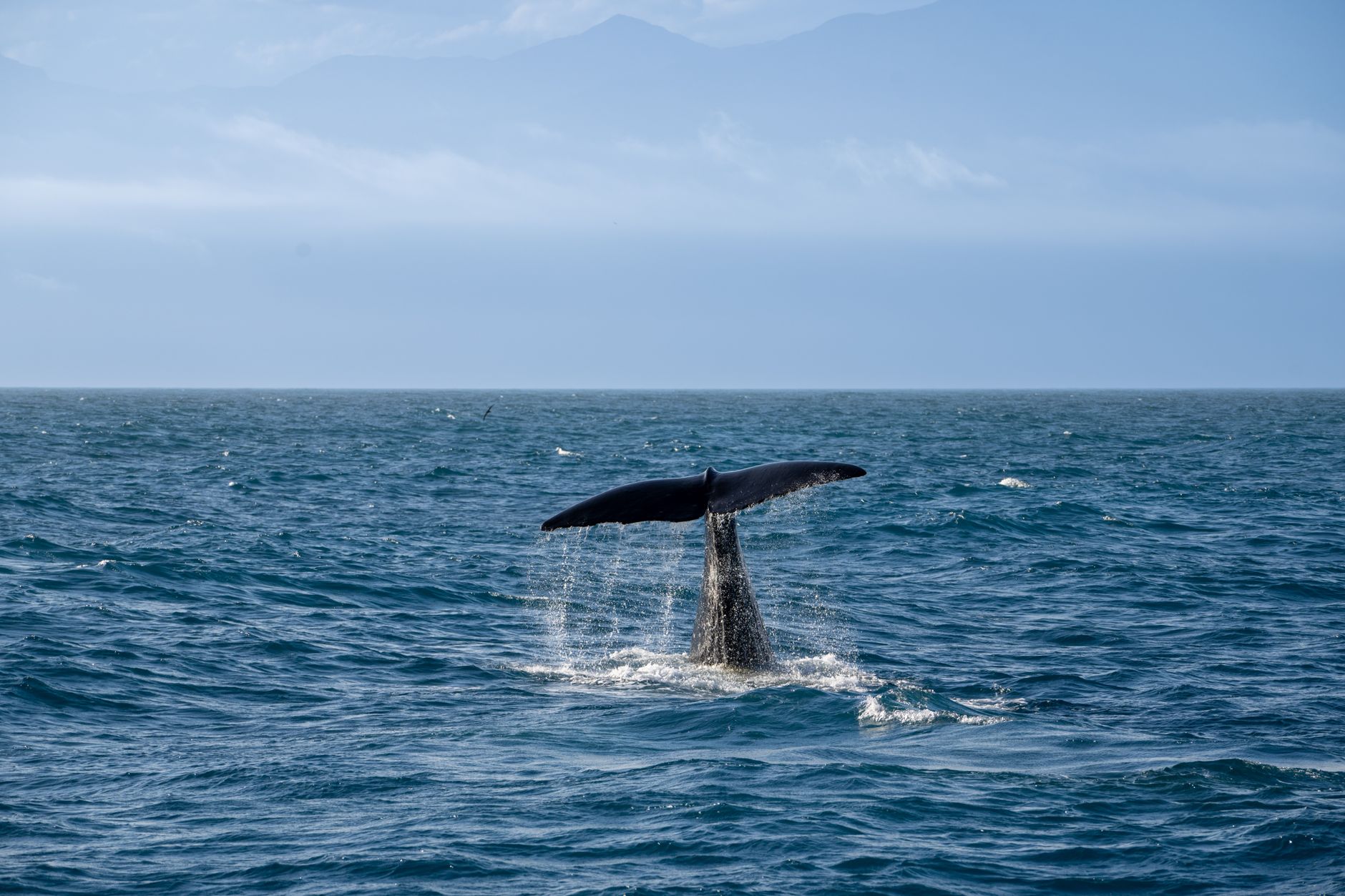
The question, Is a Trex bigger than a whale? sparks the imagination. The answer, definitively, is no: while Tyrannosaurus rex was a colossal predator, the blue whale dwarfs it in both length and weight, making it the undisputed king of size.
Introduction: Titans of Their Times
Dinosaurs and whales: two groups of animals that have captivated humans for generations. The sheer size and power of these creatures inspire awe and curiosity. While dinosaurs ruled the land for millions of years, whales dominate the oceans today. It’s natural to wonder how these titans stack up against each other. The question of Is a Trex bigger than a whale? serves as a gateway to exploring the incredible scale of life, past and present.

What colours are fish most attracted to?
Can you put your finger in a trout's mouth?
Is methylene blue anti bacterial?
Does aquarium salt raise pH in aquarium?
Tyrannosaurus Rex: The Tyrant Lizard King
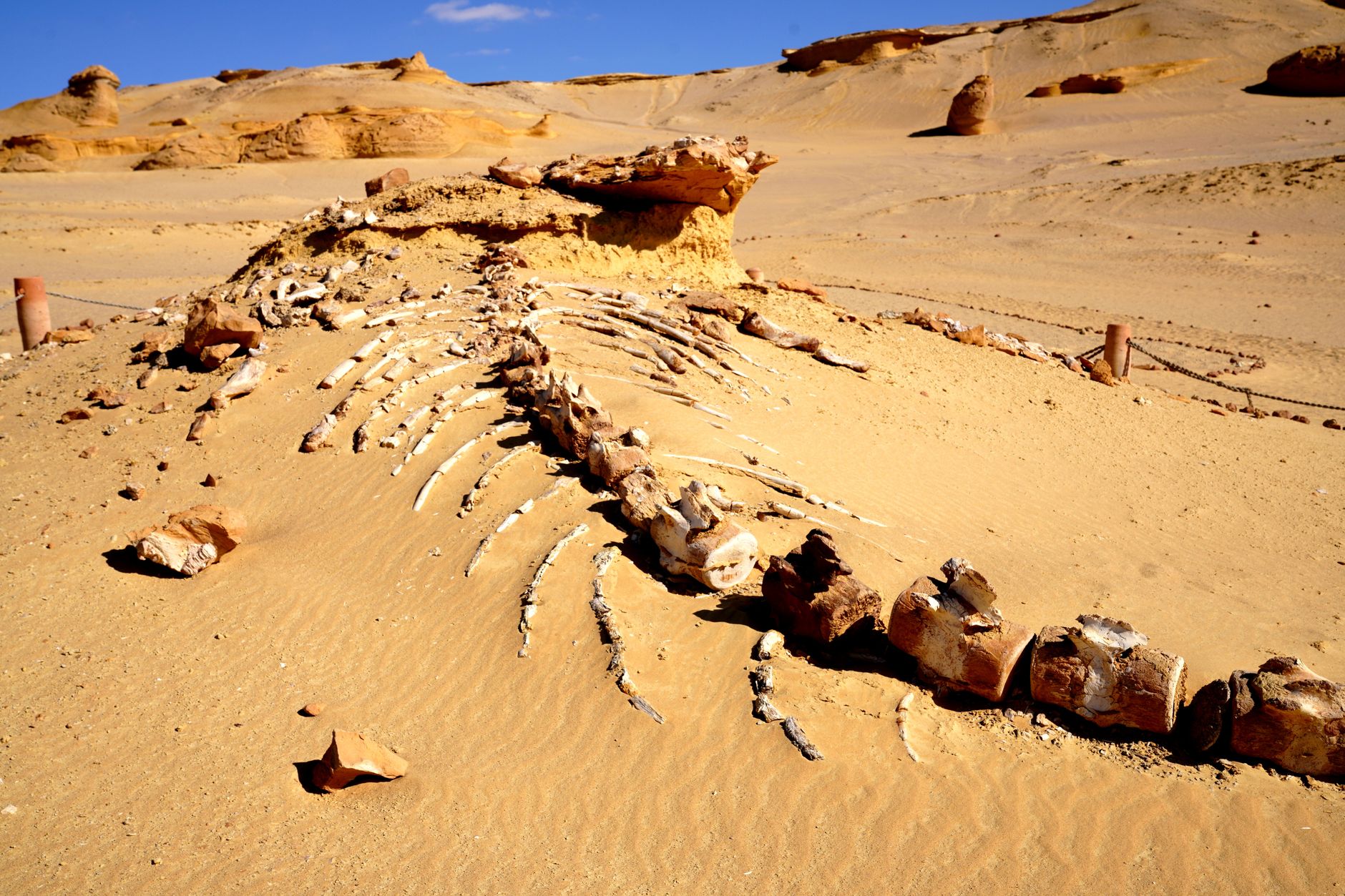
Tyrannosaurus rex (T. rex) was one of the largest terrestrial predators to ever walk the Earth. This apex predator lived during the Late Cretaceous period, roughly 66 to 68 million years ago.
- Size and Weight: T. rex averaged around 40 feet (12 meters) in length and could weigh between 5 to 8 tons (4,500 to 7,200 kilograms).
- Key Features: Its massive skull, powerful jaws, and serrated teeth were perfectly designed for crushing bone and tearing flesh. T. rex also had surprisingly small arms, the function of which remains a topic of debate among paleontologists.
- Habitat: T. rex roamed what is now western North America, preying on large herbivores such as Triceratops and Edmontosaurus.
Blue Whale: The Gentle Giant
The blue whale (Balaenoptera musculus) is the largest animal on Earth, and possibly the largest that has ever existed. These magnificent creatures are baleen whales, meaning they filter feed on tiny crustaceans called krill.
- Size and Weight: Blue whales can reach lengths of up to 100 feet (30 meters) and weigh as much as 200 tons (180,000 kilograms).
- Key Features: Their enormous size isn’t their only remarkable feature. They possess complex songs used for communication, and their hearts are the size of a small car.
- Habitat: Blue whales are found in all the world’s oceans, migrating vast distances between feeding and breeding grounds.
Size Comparison: David vs. Goliath
To understand the scale of the difference, let’s compare the dimensions of a T. rex and a blue whale:
| Feature | Tyrannosaurus Rex | Blue Whale |
|---|---|---|
| ————- | :————-: | :————-: |
| Length | ~40 feet (12 m) | ~100 feet (30 m) |
| Weight | ~5-8 tons (4,500-7,200 kg) | ~200 tons (180,000 kg) |
As the table clearly shows, the blue whale significantly outmeasures the T. rex in both length and weight. Imagine three T. rex lined end-to-end; they still wouldn’t match the length of a single blue whale! The question of Is a Trex bigger than a whale? is settled by the sheer mass of the whale.
Why the Disparity in Size?
Several factors contribute to the size difference between T. rex and blue whales:
- Aquatic Lifestyle: The buoyancy of water allows whales to support much greater weights than land animals. On land, gravity places a significant constraint on size.
- Diet: Blue whales filter feed on krill, an incredibly abundant food source. This allows them to consume vast quantities of energy with relatively little effort. T. rex, on the other hand, had to actively hunt for prey, which is more energetically demanding.
- Evolutionary History: Whales evolved from land-dwelling mammals that gradually transitioned to an aquatic lifestyle over millions of years. This evolutionary trajectory favored increasing size for various reasons, including thermoregulation and predator avoidance.
The Importance of Scale
Understanding the relative sizes of extinct and extant animals helps us appreciate the diversity of life on Earth and the remarkable adaptations that have evolved over millions of years. The comparison of Is a Trex bigger than a whale? is not just a fun fact; it underscores the power of natural selection to shape organisms to their environments.
FAQs: Deep Dive into Size and Scales
What is the largest dinosaur ever discovered?
While Tyrannosaurus rex is famous, the largest dinosaur ever discovered is generally considered to be the Argentinosaurus, a sauropod that reached lengths of up to 115 feet (35 meters). Even this massive herbivore, however, would still be lighter than a blue whale.
Could a T. rex have hunted in water?
There is no evidence to suggest that T. rex was aquatic or even semi-aquatic. Its anatomy was adapted for terrestrial locomotion and hunting.
How do scientists estimate the weight of dinosaurs?
Scientists use a variety of methods to estimate the weight of dinosaurs, including scaling models based on skeletal measurements, comparing them to extant animals with similar body shapes, and using computer simulations. These estimations are constantly refined as new fossil discoveries and analytical techniques emerge.
Are there any other animals that rival the size of blue whales?
While blue whales are the undisputed champions of size, other baleen whales, such as fin whales and sei whales, can also reach impressive lengths and weights. Some species of squid can also reach considerable sizes, though their overall mass is much less than that of a whale.
What is the lifespan of a blue whale?
Blue whales are believed to live for 80-90 years or even longer. It’s difficult to determine their exact lifespan, as they are challenging to study in the wild.
What role did T. rex play in its ecosystem?
Tyrannosaurus rex was an apex predator, meaning it was at the top of the food chain. It likely preyed on a variety of large herbivores, helping to regulate their populations.
How does bone density affect the weight of an animal?
Bone density directly affects an animal’s weight. Denser bones are heavier, contributing to a higher overall mass. Dinosaurs had varying bone densities, which is taken into account when estimating their weight.
What’s the difference between baleen whales and toothed whales?
Baleen whales, like blue whales, have baleen plates in their mouths instead of teeth. They use these plates to filter feed on small organisms. Toothed whales, such as dolphins and orcas, have teeth and actively hunt larger prey.
Is a Trex bigger than a sperm whale?
No, while sperm whales are the largest toothed predators on Earth, reaching lengths of up to 67 feet, they are still significantly smaller than the blue whale and probably would be slightly bigger than the T.rex
What factors limit the size of land animals?
Gravity, skeletal strength, and the availability of food and water are all factors that limit the size of land animals. The larger an animal is, the more its skeleton must support its weight, and the more energy it requires to sustain itself.
What are the biggest threats to blue whales today?
The biggest threats to blue whales today include ship strikes, entanglement in fishing gear, and climate change, which can affect the distribution and abundance of their prey.
How can I help protect blue whales?
You can help protect blue whales by supporting organizations that work to conserve marine environments, reducing your consumption of single-use plastics, and advocating for policies that protect whales and their habitats.
In conclusion, while Tyrannosaurus rex was undoubtedly a formidable predator, the blue whale reigns supreme in terms of size. The comparison highlights the diversity and adaptability of life on Earth and the fascinating differences between terrestrial and aquatic giants. The answer to Is a Trex bigger than a whale? remains a resounding no, reinforcing the blue whale’s status as the largest animal on the planet.