

Is a Snail an Animal? A Deep Dive into Gastropod Biology
Is a snail an animal yes or no? The answer is an unequivocal yes. Snails are invertebrates belonging to the phylum Mollusca and the class Gastropoda, firmly placing them within the animal kingdom.

Understanding the Animal Kingdom: A Biological Foundation
Before delving into the specific classification of snails, it’s crucial to understand the broader context of the animal kingdom. This kingdom encompasses a vast array of organisms, all sharing certain fundamental characteristics that distinguish them from plants, fungi, protists, and bacteria.
- Multicellularity: Animals are composed of multiple cells working together.
- Heterotrophy: Animals obtain nutrients by consuming other organisms.
- Motility: Most animals can move, at least during some stage of their life cycle.
- Sexual Reproduction: Animals primarily reproduce sexually.
- Eukaryotic Cells: Animal cells have a nucleus and other membrane-bound organelles.
What colours are fish most attracted to?
Can you put your finger in a trout's mouth?
Is methylene blue anti bacterial?
Does aquarium salt raise pH in aquarium?
Snails: Defining Characteristics and Classification

Snails exhibit all the key characteristics of animals, solidifying their place within the animal kingdom. Understanding their specific classification further clarifies their identity. Snails belong to the phylum Mollusca, which also includes other familiar creatures like clams, oysters, squid, and octopuses. The class Gastropoda is the largest class within Mollusca, encompassing a diverse group of snails and slugs.
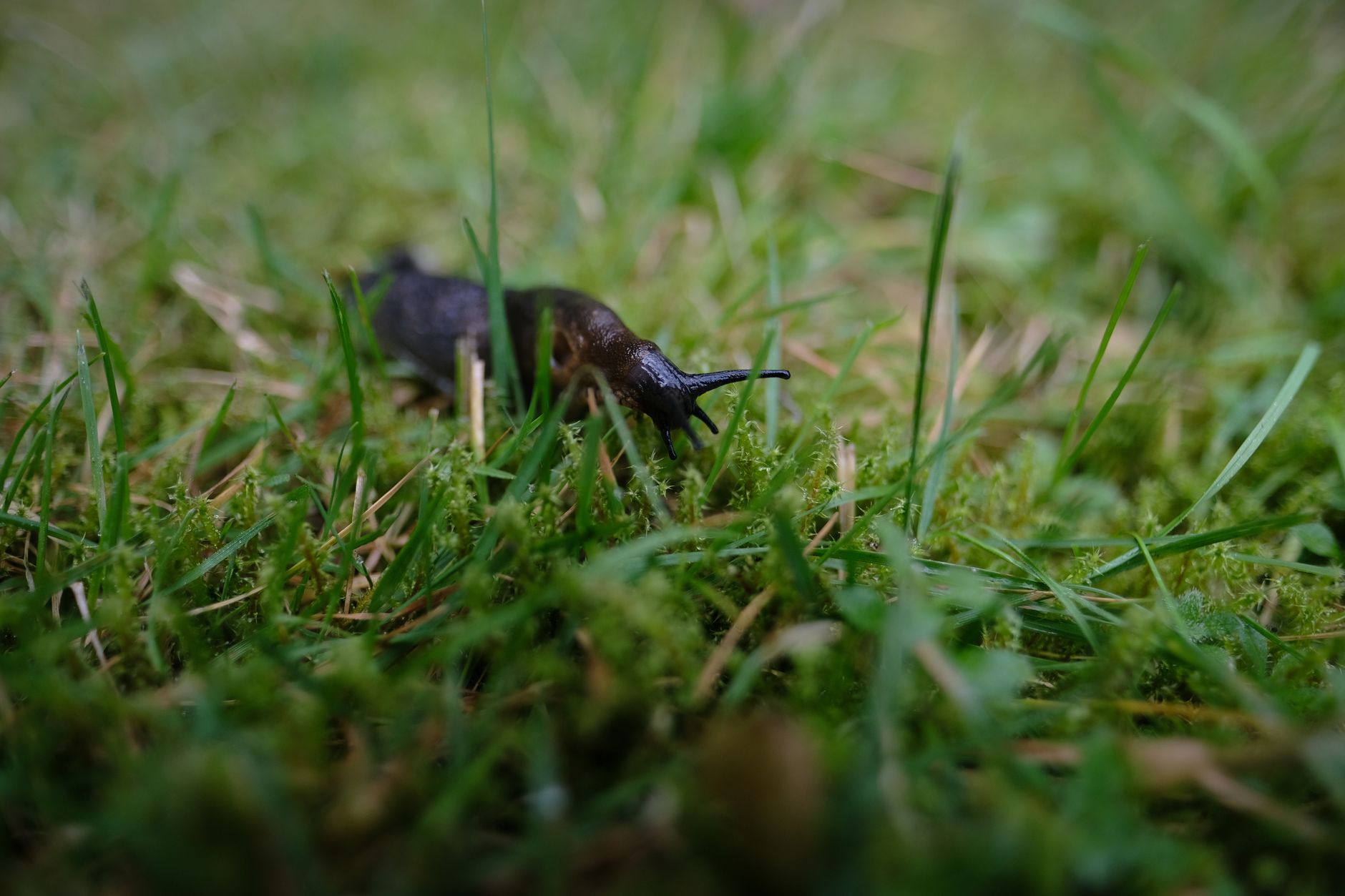
- Shell (Typically): Most snails possess a spirally coiled shell, although some, like slugs, have reduced or absent shells.
- Muscular Foot: Snails move using a broad, muscular foot that secretes mucus to aid in locomotion.
- Mantle: The mantle is a specialized tissue that secretes the shell and encloses the visceral mass.
- Radula: Snails have a radula, a ribbon-like structure with rows of teeth used for scraping food.
- Gills or Lungs: Snails breathe using gills (aquatic species) or lungs (terrestrial species).
Why The Question Even Arises: Addressing Common Misconceptions
Sometimes, the question “Is a snail an animal yes or no?” arises due to the seemingly slow-moving and often unassuming nature of snails. Their simple appearance, reliance on a shell, and herbivorous diet can lead to misconceptions. However, a closer examination of their anatomy, physiology, and behavior reveals that they are undoubtedly animals with complex biological systems.
The Ecological Role of Snails
Snails play important roles in various ecosystems. They can be herbivores, detritivores, or even predators. They serve as a food source for many animals, including birds, reptiles, amphibians, and other invertebrates. Snails also contribute to nutrient cycling by breaking down organic matter and dispersing seeds.
- Decomposers: Breaking down leaf litter and organic debris.
- Prey: Providing food for a variety of predators.
- Algae Control: Some snails consume algae, helping to maintain aquatic ecosystems.
- Pollination: Some snail species contribute to pollination.
Threats to Snail Populations
Many snail populations are facing threats due to habitat loss, pollution, climate change, and the introduction of invasive species. Conservation efforts are crucial to protect these fascinating and ecologically important animals.
- Habitat Destruction: Loss of natural habitats due to deforestation and urbanization.
- Pollution: Exposure to pesticides and other pollutants.
- Climate Change: Changes in temperature and rainfall patterns.
- Invasive Species: Competition and predation from introduced species.
Frequently Asked Questions (FAQs)
What phylum do snails belong to?
Snails belong to the phylum Mollusca. This phylum is characterized by soft-bodied invertebrates, many of which have a hard shell.
Are slugs also animals?
Yes, slugs are also animals. They are gastropods closely related to snails, the primary difference being the reduction or absence of an external shell.
How do snails breathe?
Aquatic snails breathe using gills, while terrestrial snails breathe using a modified mantle cavity that functions as a lung.
Do snails have brains?
Snails have a relatively simple nervous system with a ganglion, which acts as a rudimentary brain. It controls basic functions, but is not nearly as complex as a vertebrate brain.
What do snails eat?
Snails exhibit a variety of diets. Most are herbivores, feeding on plants, algae, and fungi. Some are detritivores, consuming decaying organic matter. Others are predators, feeding on other invertebrates.
How do snails move?
Snails move using a muscular foot located on their ventral side. They secrete mucus to reduce friction and glide along surfaces.
Are snails considered pests?
Some snail species can be considered pests in gardens and agricultural settings, as they can damage crops and ornamental plants. However, many snail species are beneficial to the ecosystem.
Do snails have teeth?
Snails do not have teeth in the traditional sense. They have a radula, a ribbon-like structure covered with rows of tiny teeth, used for scraping food.
Can snails hear?
Snails do not have external ears, but they can detect vibrations through their foot and other body parts. This helps them sense their environment.
Are there different types of snails?
Yes, there is an incredible diversity of snail species. They are found in a wide range of habitats, from oceans and freshwater to forests and deserts. They vary greatly in size, shape, color, and behavior.
Are snails hermaphroditic?
Many, but not all, snail species are hermaphroditic, meaning they possess both male and female reproductive organs. They can reproduce sexually with another snail or, in some cases, self-fertilize.
What is the lifespan of a snail?
The lifespan of a snail varies depending on the species. Some small snails may only live for a year or two, while larger species can live for several years or even decades in captivity.