

Is a Respiratory Infection in Cats an Emergency?
Sometimes, a respiratory infection in cats is a medical emergency. It’s crucial to understand the symptoms and severity to determine when immediate veterinary care is needed, because delaying treatment can lead to serious complications.

Understanding Feline Respiratory Infections
Feline respiratory infections (FRIs), commonly referred to as “cat colds” or “cat flu,” are infections affecting the upper respiratory tract of cats, including the nose, throat, and sinuses. They are highly contagious, especially in environments with multiple cats, such as shelters or multi-cat households. Determining if a respiratory infection in cats is an emergency requires careful evaluation of the cat’s symptoms.
What colours are fish most attracted to?
Can you put your finger in a trout's mouth?
Is methylene blue anti bacterial?
Does aquarium salt raise pH in aquarium?
Common Causes of Feline Respiratory Infections

The most common causes of FRIs include:
- Feline Herpesvirus-1 (FHV-1)
- Feline Calicivirus (FCV)
- Chlamydophila felis
- Bordetella bronchiseptica (less common)
- Mycoplasma
These pathogens are typically spread through direct contact with infected cats or through contaminated surfaces. Kittens and immunocompromised cats are particularly susceptible.
Recognizing the Symptoms: What to Watch For
Symptoms of FRIs can range from mild to severe. Common signs include:
- Sneezing
- Nasal discharge (clear, yellow, or green)
- Coughing
- Eye discharge (conjunctivitis)
- Lethargy
- Loss of appetite
- Fever
- Mouth ulcers (especially with FCV)
- Difficulty breathing (dyspnea)
The severity of symptoms and the presence of complications are key factors in determining whether a respiratory infection in cats is an emergency.
When is a Respiratory Infection in Cats an Emergency?
While mild symptoms may be manageable with supportive care at home, certain signs warrant immediate veterinary attention. Consider these situations:
- Difficulty breathing: Any sign of labored breathing, such as rapid breathing, open-mouth breathing, or excessive panting, is a medical emergency. This indicates severe respiratory distress.
- Severe lethargy or unresponsiveness: A cat that is extremely weak, unresponsive, or collapses requires immediate veterinary care.
- Loss of appetite for more than 24 hours: While a slight decrease in appetite is common with FRIs, a complete refusal to eat for more than a day, especially in kittens, can lead to serious complications like hepatic lipidosis (fatty liver disease).
- Severe dehydration: Signs of dehydration include dry gums, sunken eyes, and skin that tents when pinched.
- High fever (over 104°F) or low temperature (under 99°F): Extreme temperature variations require immediate veterinary intervention. (Normal cat temperature is around 100.5°F-102.5°F)
- Neurological signs: Seizures, incoordination, or other neurological abnormalities are cause for immediate concern.
- Kittens: Kittens are more vulnerable to the effects of respiratory infections. Any signs of respiratory distress in a kitten should be considered an emergency.
Diagnosis and Treatment
Veterinarians diagnose FRIs based on clinical signs and, in some cases, diagnostic testing. These tests might include:
- Physical examination: Assessing the cat’s overall health and listening to their lungs.
- Blood tests: To evaluate organ function and detect underlying infections.
- Swabs: Taking samples from the nose, throat, or eyes to identify the specific viral or bacterial pathogen.
- Radiographs (X-rays): To assess the lungs and rule out other conditions, such as pneumonia.
Treatment for FRIs typically involves:
- Supportive care: Ensuring the cat is comfortable, warm, and hydrated.
- Antibiotics: To treat secondary bacterial infections. Antibiotics are ineffective against viruses.
- Antivirals: In severe cases, particularly with FHV-1.
- Decongestants: To help clear nasal passages. Consult your veterinarian before using human decongestants.
- Nutritional support: Encouraging the cat to eat or providing assisted feeding if necessary.
- Nebulization or steam therapy: To help loosen mucus and ease breathing.
Prevention: Vaccinations and Hygiene
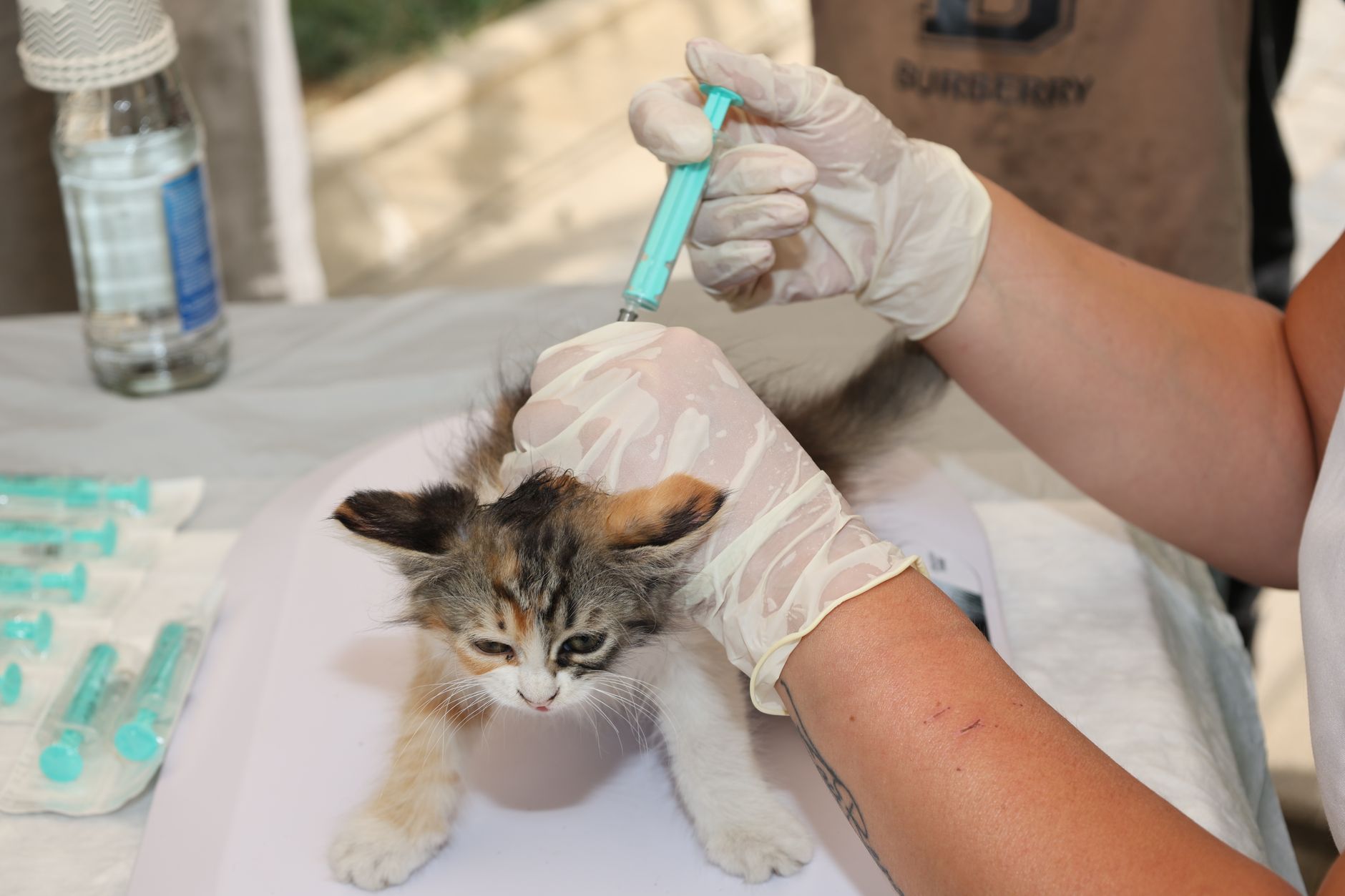
Vaccination is the most effective way to prevent FRIs. Core vaccines protect against FHV-1 and FCV. Regular vaccination boosters are essential. Maintaining good hygiene, such as cleaning litter boxes regularly and disinfecting surfaces, can also help reduce the spread of infection, especially in multi-cat households.
Home Care and Monitoring
For mild cases, home care can provide comfort and support.
- Keep the cat warm and comfortable: Provide a clean, soft bed in a quiet area.
- Encourage eating and drinking: Offer palatable food and fresh water. Warming the food may make it more appealing.
- Clean nasal discharge: Gently wipe away discharge from the nose and eyes with a warm, damp cloth.
- Use a humidifier: Increase humidity to help loosen nasal congestion.
- Monitor for worsening symptoms: Closely observe the cat for any signs of respiratory distress or other complications.
Differentiating Between Allergies and Respiratory Infections
Sometimes, it can be difficult to distinguish between allergies and respiratory infections based solely on symptoms. Allergies often cause similar signs, such as sneezing and nasal discharge, but usually lack fever and other systemic signs. A veterinarian can help differentiate between the two through a thorough examination and diagnostic testing if needed.
Frequently Asked Questions (FAQs)
Is a Mild Respiratory Infection in Cats Always Benign?
While a mild respiratory infection might seem harmless, it’s important to remember that complications can arise, especially in kittens, senior cats, or those with underlying health conditions. Keep a close watch for any signs of worsening symptoms and consult with a veterinarian if you have any concerns. Even “mild” symptoms can mask a more serious underlying issue.
How Long Does a Respiratory Infection Typically Last in Cats?
The duration of a respiratory infection in cats can vary depending on the causative agent and the cat’s overall health. Typically, uncomplicated infections last from 7 to 10 days. However, some cats may experience chronic or recurring symptoms, particularly if they are carriers of FHV-1.
Can Humans Catch a Respiratory Infection from Cats?
The viruses and bacteria that cause feline respiratory infections are generally not contagious to humans. However, Bordetella bronchiseptica, a less common cause of FRIs, can, in rare cases, be transmitted to humans, especially those with weakened immune systems. It’s always a good idea to practice good hygiene when handling sick animals.
Are Certain Breeds of Cats More Prone to Respiratory Infections?
While any cat can contract a respiratory infection, certain breeds with brachycephalic (flat-faced) features, such as Persians and Himalayans, may be more susceptible due to their shortened nasal passages. This can make it more difficult for them to clear secretions and breathe comfortably.
What is Feline Herpesvirus (FHV-1) and its Long-Term Implications?
Feline Herpesvirus-1 (FHV-1) is a common cause of upper respiratory infections in cats. Once a cat is infected with FHV-1, it becomes a lifelong carrier. The virus can remain latent (dormant) in the body and reactivate during times of stress or illness, leading to recurrent symptoms.
Can Stress Trigger a Respiratory Infection in Cats?
Yes, stress can weaken a cat’s immune system and increase its susceptibility to respiratory infections or trigger a reactivation of latent FHV-1. Minimizing stress through environmental enrichment, consistent routines, and pheromone therapy (e.g., Feliway) can help support immune function.
What Are the Potential Complications of Untreated Respiratory Infections in Cats?
Untreated respiratory infections can lead to several complications, including pneumonia, chronic sinusitis, corneal ulcers, and even death, especially in kittens. Prompt and appropriate veterinary care is crucial to prevent these complications.
Is There a Vaccine for All Types of Feline Respiratory Infections?
The core vaccines for cats protect against FHV-1 and FCV, the most common causes of FRIs. While there is a vaccine for Chlamydophila felis, it is not considered a core vaccine and is typically recommended only for cats at high risk of exposure. No vaccine offers 100% protection, but they significantly reduce the severity and duration of symptoms.
What is the Role of Lysine in Managing Feline Respiratory Infections?
L-lysine is an amino acid that has been shown to interfere with the replication of FHV-1 in vitro. While the effectiveness of L-lysine in treating FHV-1 infections in cats is still debated, some veterinarians recommend it as a supplemental therapy to help reduce the severity and frequency of outbreaks.
How Can I Help My Cat Breathe Easier During a Respiratory Infection?
You can help your cat breathe easier by using a humidifier to moisten the air, cleaning nasal discharge regularly, and providing a quiet, stress-free environment. If your cat is having significant difficulty breathing, seek immediate veterinary care.
Can Over-the-Counter Medications Be Used to Treat Respiratory Infections in Cats?
Never give your cat over-the-counter medications without consulting with a veterinarian. Many human medications are toxic to cats, and even seemingly harmless medications can have serious side effects.
How Do I Prevent Respiratory Infections from Spreading in a Multi-Cat Household?
To prevent the spread of respiratory infections in a multi-cat household:
- Isolate the sick cat from other cats.
- Wash your hands thoroughly after handling the sick cat.
- Disinfect food and water bowls, litter boxes, and bedding regularly.
- Ensure all cats are up-to-date on their vaccinations.
- Provide good ventilation.