

Is a Puma Older than a Cougar? Unraveling the Identity of a Majestic Feline
The question “Is a Puma older than a cougar?” is a bit of a trick! The puma and the cougar are actually the same animal, known scientifically as Puma concolor.

Introduction: Beyond the Common Names
The world of wildlife is often layered with common names that vary by region, sometimes leading to confusion. Among these captivating creatures, the puma, cougar, mountain lion, panther, and catamount stand out. While these names might evoke different images for some, they all refer to the same majestic feline species. Understanding the nuances of these names and their scientific classification is key to appreciating the true nature of this apex predator. The question “Is a Puma older than a cougar?” stems directly from this confusion.

What colours are fish most attracted to?
Can you put your finger in a trout's mouth?
Is methylene blue anti bacterial?
Does aquarium salt raise pH in aquarium?
The Many Names of Puma concolor
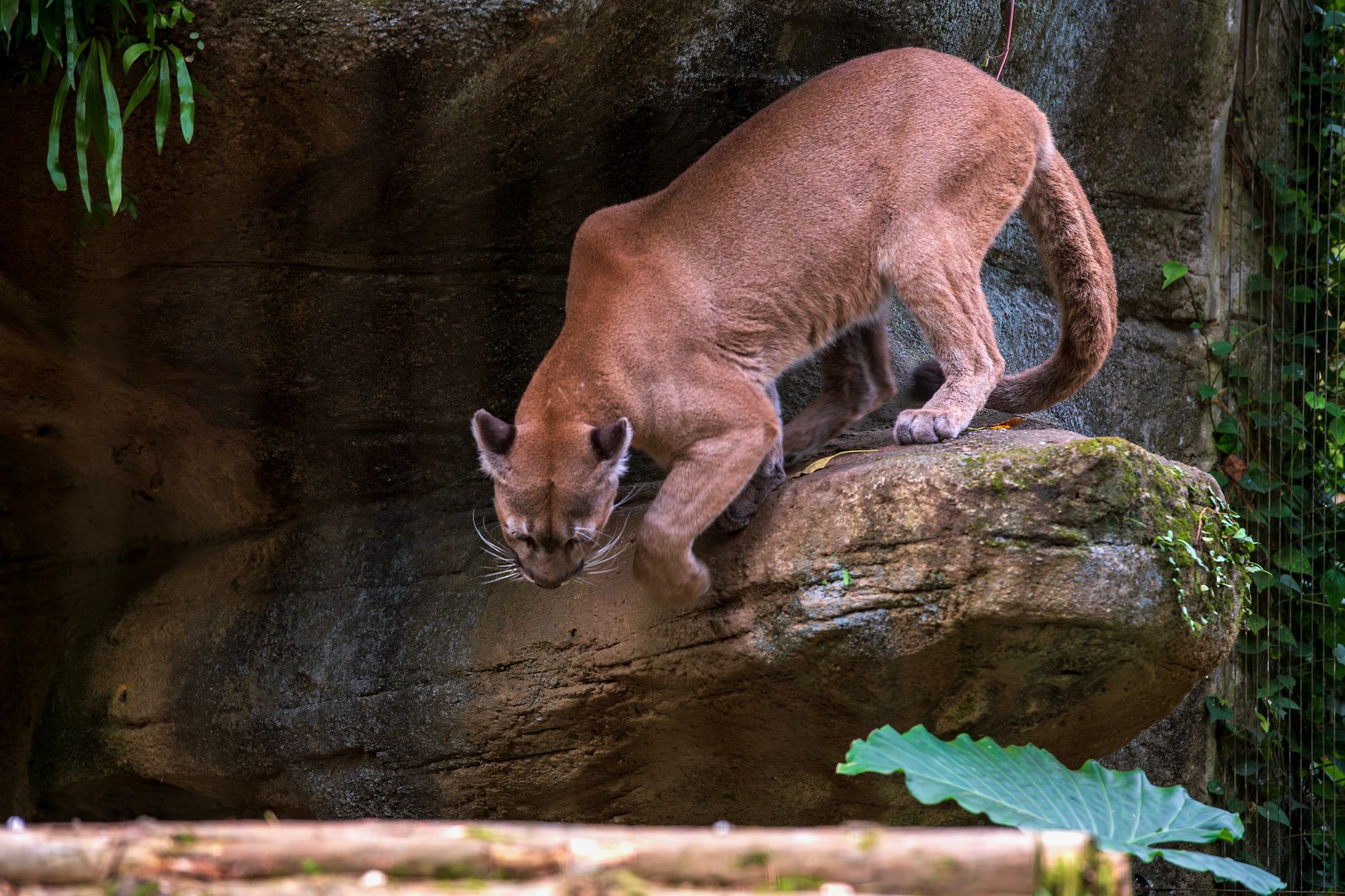
The proliferation of names for this single species highlights its widespread geographic distribution and the diverse cultures that have interacted with it. Each common name often reflects a specific characteristic or region where the animal is found.
- Cougar: Most commonly used in the western United States and Canada.
- Puma: More prevalent in Latin America.
- Mountain Lion: Highlights the animal’s preference for mountainous habitats.
- Panther: Often used in the eastern United States, though more frequently associated with black-coated leopards or jaguars. This is perhaps the most misleading of the terms.
- Catamount: An older term, less frequently used today, primarily in the northeastern United States.
The Scientific Classification: Puma concolor
Science provides a clear and unambiguous classification system, cutting through the confusion of common names. The scientific name for the cougar/puma is Puma concolor. This binomial nomenclature (genus and species) leaves no room for doubt: regardless of what you call it, it’s the same species. Understanding this scientific classification helps avoid ambiguity when discussing these animals in scientific contexts.
Geographic Distribution and Adaptation
The adaptability of Puma concolor is truly remarkable. They inhabit a wide range of environments, from the Canadian Yukon to the Argentine Andes. This incredible adaptability has contributed to the proliferation of common names and reflects the animal’s ability to thrive in diverse ecosystems, including:
- Mountainous regions
- Deserts
- Forests
- Swamps
- Grasslands
Conservation Status and Challenges
Despite their adaptability, pumas/cougars face significant challenges, including habitat loss, fragmentation, and human-wildlife conflict. Maintaining healthy populations requires a comprehensive conservation strategy that addresses these threats and promotes coexistence. Understanding their conservation status is critical to ensuring their survival for future generations.
Size and Physical Characteristics
Puma concolor is a large, slender cat with a long tail. Adults typically weigh between 80 and 220 pounds. Their coat is generally tawny or reddish-brown, though color variations can occur.
| Feature | Description |
|---|---|
| Weight | 80-220 pounds (36-100 kg) |
| Length | 6-8 feet (1.8-2.4 meters) including tail |
| Coat Color | Tawny, reddish-brown, or grayish-brown |
| Lifespan | 8-13 years in the wild, up to 20 years in captivity |
| Social Behavior | Solitary, except during mating season or while raising young |
Diet and Hunting Behavior
Pumas/Cougars are carnivores and opportunistic hunters. Their diet primarily consists of deer, elk, and other ungulates, but they will also prey on smaller animals such as rodents, birds, and reptiles. They are ambush predators, relying on stealth and agility to capture their prey.
Frequently Asked Questions (FAQs)
Is a Puma really the same as a cougar?
Yes! To reiterate, a puma and a cougar are different names for the same species of cat, Puma concolor. Regional dialects and historical naming conventions are responsible for the variation in common names.
Why are there so many different names for the same animal?
The abundance of names is mainly due to the cougar/puma’s wide geographic range and the diverse cultures it has encountered. Different regions developed their own common names for the animal based on local languages and perceptions.
What is the scientific name for a cougar/puma?
The scientific name is Puma concolor. This universally accepted name is crucial for clear communication in scientific research and conservation efforts.
Are there any actual differences between pumas and cougars?
No, there are no real differences. The terms are interchangeable and refer to the exact same animal species. Any perceived differences are simply anecdotal or based on regional variations in size or color within the species as a whole.
What is a “panther,” and is it related to pumas/cougars?
The term “panther” is often used loosely and can be confusing. It commonly refers to black-coated individuals of other large cat species, such as leopards or jaguars. While Puma concolor can occasionally have melanistic (dark-colored) individuals, they are very rare, and the term “panther” is generally not used accurately to describe them. The Florida panther is a subspecies of the Puma concolor.
Where do pumas/cougars live?
Pumas/Cougars inhabit a vast range across the Americas, from the Canadian Yukon to the Argentine Andes. They thrive in various habitats, including mountains, deserts, forests, and grasslands.
Are pumas/cougars dangerous to humans?
While pumas/cougars are powerful predators, attacks on humans are rare. However, it is crucial to be aware of their presence in areas where they live and to take precautions such as hiking in groups, making noise, and avoiding approaching or feeding them.
What do pumas/cougars eat?
Their diet primarily consists of deer, elk, and other ungulates. They are opportunistic hunters and will also prey on smaller animals when available.
Are pumas/cougars endangered?
The conservation status of Puma concolor varies depending on the region. Some populations are relatively stable, while others face significant threats. The Florida panther is an endangered subspecies.
How can I help protect pumas/cougars?
Supporting conservation organizations, advocating for habitat protection, and promoting responsible wildlife management practices are all ways to contribute to the conservation of pumas/cougars. Educating yourself and others about these animals is also crucial.
What is the lifespan of a puma/cougar?
In the wild, pumas/cougars typically live for 8-13 years. In captivity, they can live up to 20 years.
Are pumas/cougars social animals?
Pumas/Cougars are generally solitary animals, except during the mating season or when females are raising their young. They typically avoid each other except for breeding purposes.