

Is a Mink Carnivorous? Unveiling the Predatory Nature of the American Mink
Yes, the American mink (Neovison vison) is definitively a carnivorous animal. Its diet consists almost entirely of animal matter, reflecting its physiological adaptations and ecological role as a predator.
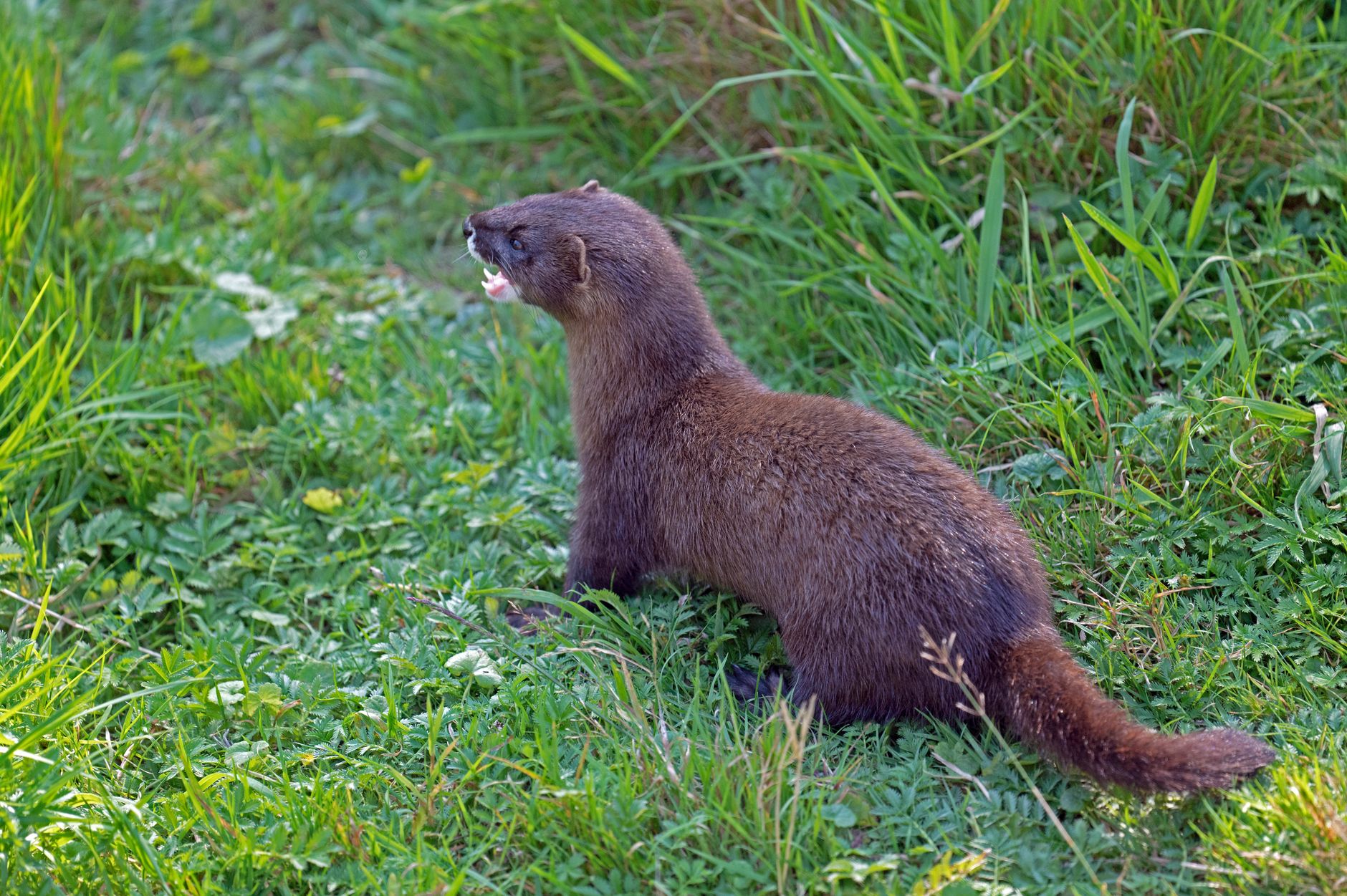
Understanding the Carnivorous Nature of Minks
The question, Is a mink carnivorous?, can be definitively answered with a resounding yes. To fully appreciate this, we must delve into the mink’s biology, dietary habits, and ecological niche. Minks are fascinating creatures whose survival depends on their prowess as predators.

What colours are fish most attracted to?
Can you put your finger in a trout's mouth?
Is methylene blue anti bacterial?
Does aquarium salt raise pH in aquarium?
Minks: A Brief Overview

The American mink is a semi-aquatic mammal belonging to the Mustelidae family, which also includes weasels, ferrets, badgers, and otters. They are native to North America but have been introduced to other parts of the world, including Europe and South America. Minks are known for their sleek, dark fur, agile bodies, and remarkable swimming abilities. They thrive in a variety of habitats, including rivers, lakes, marshes, and coastal areas.
Dietary Habits and Preferences
The core of determining if is a mink carnivorous? lies in its dietary habits. Minks are opportunistic predators, meaning they will prey on a wide range of animals depending on availability and abundance. Their primary food sources include:
- Fish: A staple in their diet, especially in aquatic environments.
- Amphibians: Frogs and salamanders are readily consumed.
- Crustaceans: Crayfish and other crustaceans offer valuable nutrients.
- Small Mammals: Voles, mice, rats, and muskrats form a significant portion of their diet.
- Birds: Waterfowl and their eggs are often targeted.
- Insects: Although not a primary food source, insects can supplement their diet.
The specific composition of a mink’s diet can vary depending on the geographical location, season, and prey availability. However, the consistent reliance on animal matter confirms their classification as carnivores.
Physiological Adaptations for Carnivory
Minks possess several physiological adaptations that support their carnivorous lifestyle:
- Sharp Teeth: Minks have specialized teeth designed for tearing flesh and crushing bones. Their canines are particularly well-developed for seizing and holding prey.
- Strong Jaws: Their powerful jaw muscles enable them to effectively subdue and consume their prey.
- Agile Body: Their slender and flexible bodies allow them to navigate tight spaces and pursue prey both on land and in water.
- Exceptional Swimming Skills: Minks are adept swimmers, enabling them to hunt aquatic prey with ease.
- High Metabolic Rate: As carnivores, minks have a high metabolic rate to support their active lifestyle and the energy demands of hunting.
Ecological Role as Predators
Minks play a crucial role in regulating prey populations within their ecosystems. As predators, they help maintain the balance of nature by controlling the numbers of rodents, fish, and other animals. Their presence can have cascading effects on the entire food web, influencing plant communities and other aspects of the environment.
Is Mink Farming Ethical? A Consideration
While this article focuses on the biological aspect of “Is a mink carnivorous?,” it’s important to acknowledge the ethical concerns surrounding mink farming. Minks are commonly raised for their fur, and the conditions on fur farms have been subject to criticism due to concerns about animal welfare. While not directly related to their carnivorous nature, the ethical implications of raising these predatory animals in confined spaces are worth considering.
FAQs About Minks and Their Carnivorous Diet
Are minks obligate carnivores?
While minks primarily consume animal matter, they are technically considered facultative carnivores. This means that while their diet is overwhelmingly carnivorous, they can occasionally consume small amounts of plant matter or other non-animal foods, especially during times of scarcity. However, their digestive system is optimized for processing meat, and they require a diet rich in animal protein to thrive.
What do minks eat in the winter?
During the winter months, minks may face challenges in finding food due to frozen waterways and reduced prey availability. They often rely on ice fishing techniques, creating holes in the ice to access fish and other aquatic animals. They may also consume a greater proportion of small mammals during this time.
Do minks eat rodents?
Yes, rodents constitute a significant portion of the mink’s diet. Voles, mice, rats, and muskrats are all common prey items. This makes minks important natural predators of rodent populations.
Are minks dangerous to humans?
Minks are generally not dangerous to humans unless provoked or threatened. They are wild animals and should be treated with respect. While they possess sharp teeth and claws, attacks on humans are rare.
How much do minks eat each day?
A mink’s daily food intake varies depending on its size, activity level, and the availability of prey. On average, an adult mink may consume 15-20% of its body weight in food each day.
Do minks hunt in packs?
Minks are generally solitary hunters and do not typically hunt in packs. They are territorial animals and prefer to hunt alone.
What is the lifespan of a mink?
In the wild, minks typically live for 3-4 years. In captivity, they can live longer, often reaching 8-10 years.
Are minks good swimmers?
Yes, minks are exceptional swimmers. They have partially webbed feet and a streamlined body that allows them to move effortlessly through the water. Their swimming abilities are crucial for hunting aquatic prey.
Do minks eat snakes?
Occasionally, minks may prey on snakes, especially smaller species. However, snakes are not a primary food source for minks.
What is a mink’s favorite food?
There is no single “favorite” food for minks, as their dietary preferences depend on local prey availability. However, fish and small mammals are generally considered to be important components of their diet.
How do minks catch fish?
Minks use their agility and swimming skills to pursue fish underwater. They may also lie in wait along riverbanks or lake shores, ambushing fish as they swim by.
Do minks eat birds’ eggs?
Yes, minks are known to raid bird nests and consume eggs, particularly those of waterfowl. They are opportunistic predators and will take advantage of any available food source.