
How Toxic Is Benadryl for Dogs? Understanding the Risks
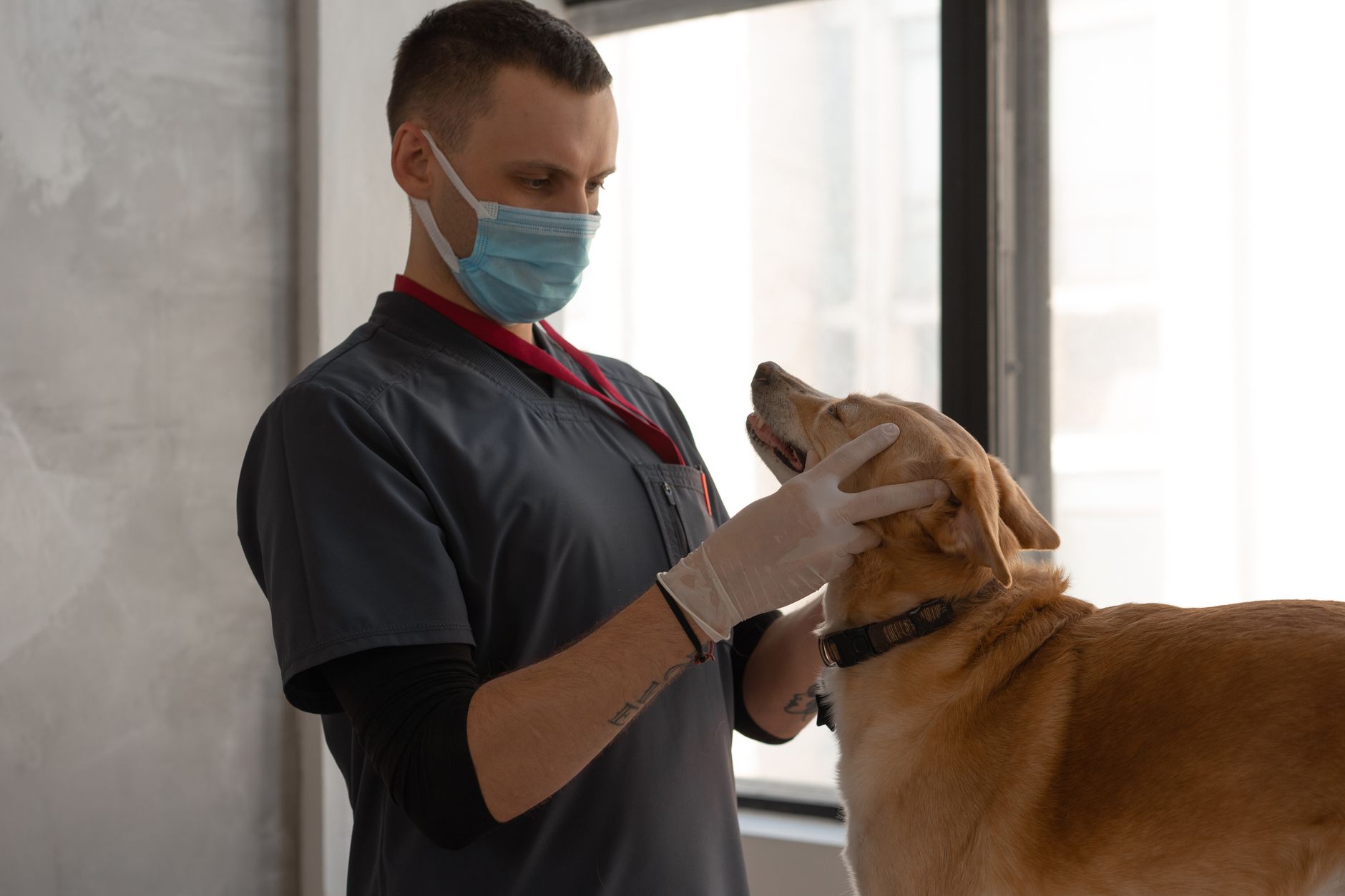
Benadryl can be relatively safe for dogs when administered correctly under veterinary guidance; however, toxicity is possible with improper dosage or in dogs with pre-existing health conditions, so careful consideration is crucial.
Introduction to Benadryl and Canine Use
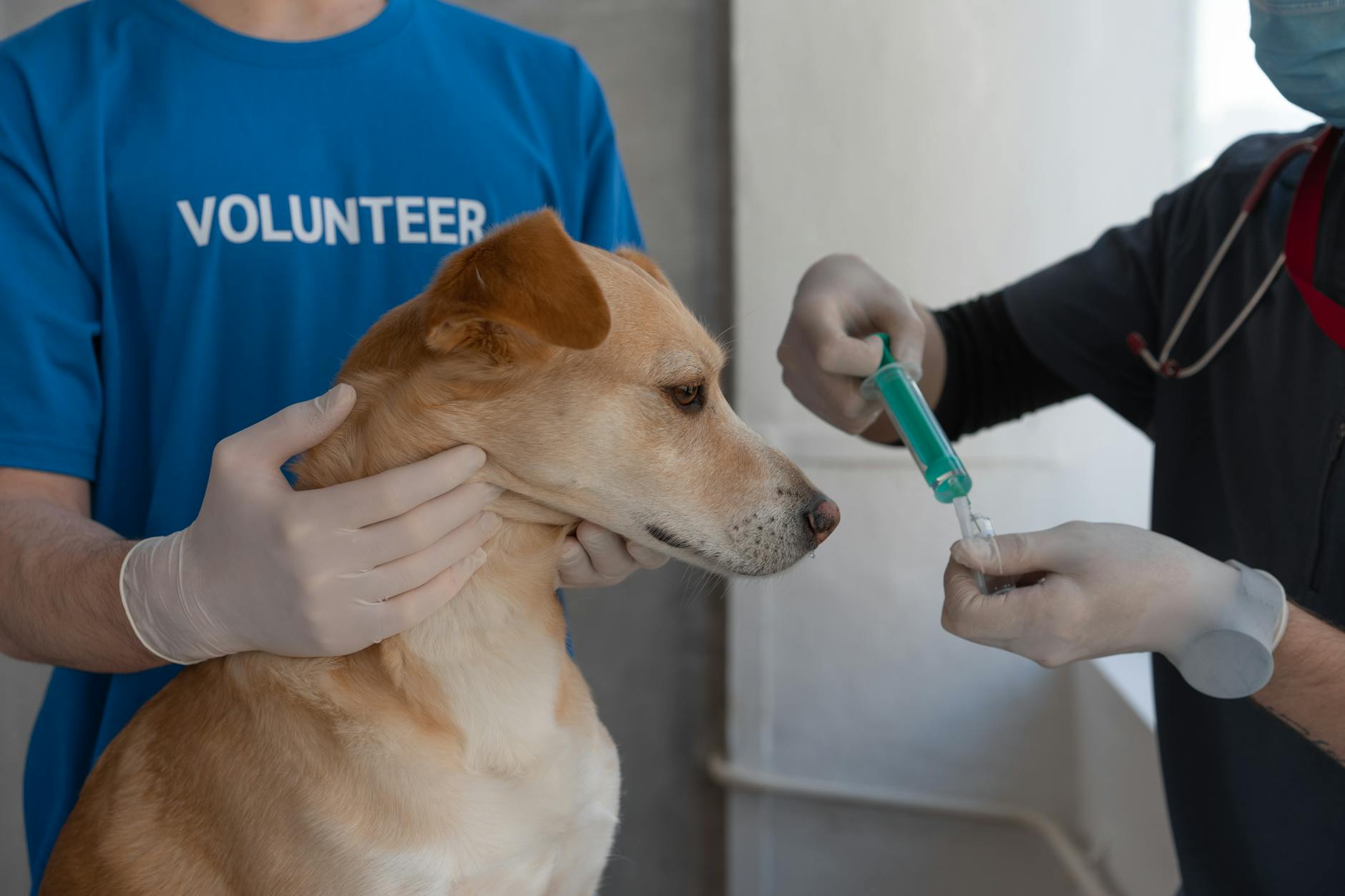
Benadryl, or diphenhydramine, is a common antihistamine used to treat allergies and other conditions in both humans and dogs. Veterinarians often prescribe or recommend it for dogs experiencing mild allergic reactions, motion sickness, or anxiety. Understanding the correct dosage and potential risks is paramount to ensure your dog’s safety. This article aims to provide comprehensive information on how toxic is Benadryl for dogs, covering proper usage, potential side effects, and crucial warning signs to watch out for.
What colours are fish most attracted to?
Can you put your finger in a trout's mouth?
Is methylene blue anti bacterial?
Does aquarium salt raise pH in aquarium?
Benefits of Benadryl for Dogs
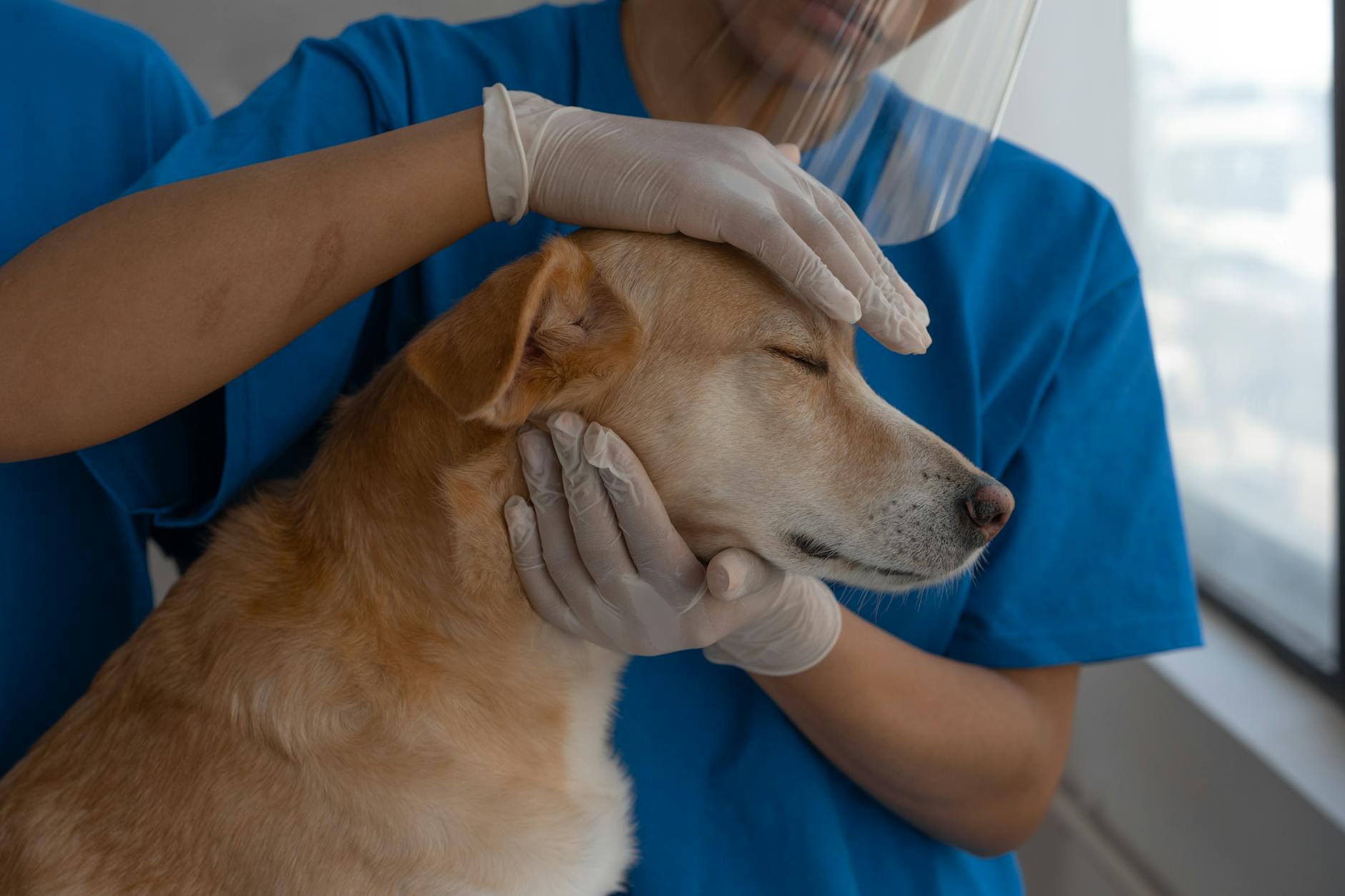
Benadryl offers several potential benefits for dogs, making it a popular choice for addressing specific conditions. Some key uses include:
- Allergy Relief: Benadryl effectively manages symptoms associated with mild allergic reactions, such as itching, hives, sneezing, and watery eyes.
- Motion Sickness: It can help reduce nausea and vomiting during car rides or other travel.
- Anxiety Reduction: Benadryl’s sedative properties can help calm anxious dogs during thunderstorms, fireworks, or veterinary visits.
- Relief from Insect Bites and Stings: It can help alleviate itching and swelling associated with insect bites.
Proper Dosage and Administration
Determining the correct dosage of Benadryl for your dog is absolutely essential to avoid toxicity. Never administer Benadryl without consulting your veterinarian first. They can provide specific dosage recommendations based on your dog’s weight, age, breed, and medical history.
General guidelines often suggest a dosage of 1 mg of diphenhydramine per pound of body weight, administered every 8-12 hours. However, this is a general guideline only and should not replace professional veterinary advice.
- Start with the lowest effective dose: Observe your dog’s response to the medication.
- Use children’s liquid or tablets: These forms make it easier to administer accurate dosages, especially for smaller dogs.
- Monitor for side effects: Watch for any signs of adverse reactions, such as excessive sedation, vomiting, or diarrhea.
Signs of Benadryl Toxicity in Dogs
Even with proper dosage, some dogs may exhibit sensitivity to Benadryl. Overdosing can lead to serious toxicity, requiring immediate veterinary intervention. Common signs of Benadryl toxicity in dogs include:
- Excessive Sedation or Lethargy: Although Benadryl can cause drowsiness, extreme lethargy or unresponsiveness is a red flag.
- Agitation or Hyperactivity: Paradoxical reactions can occur, especially in some dogs where Benadryl causes excitation instead of sedation.
- Dilated Pupils: This is a common sign of anticholinergic effects.
- Dry Mouth: Reduced saliva production is another indicator of anticholinergic activity.
- Increased Heart Rate: Tachycardia can occur with Benadryl toxicity.
- Difficulty Breathing: This is a serious symptom requiring immediate veterinary care.
- Seizures: In severe cases, Benadryl toxicity can lead to seizures.
- Vomiting and Diarrhea: Gastrointestinal upset is possible with overdose.
If you observe any of these signs in your dog after administering Benadryl, contact your veterinarian or an emergency veterinary clinic immediately.
Dogs at Higher Risk of Benadryl Toxicity
Certain dogs are more susceptible to Benadryl toxicity than others. Exercise extra caution in the following situations:
- Puppies and Senior Dogs: Their bodies may not process the medication as efficiently.
- Dogs with Pre-existing Conditions: Dogs with glaucoma, heart disease, high blood pressure, or enlarged prostate may experience adverse effects.
- Dogs Taking Other Medications: Benadryl can interact with other drugs, potentially increasing the risk of toxicity. Always inform your vet of all medications your dog is taking.
- Certain Breeds: Some breeds may be more sensitive to the effects of Benadryl.
Common Mistakes When Giving Benadryl to Dogs
Avoiding these common mistakes can help prevent Benadryl toxicity in your dog:
- Ignoring Veterinary Advice: Always consult your veterinarian before giving your dog any medication.
- Using the Wrong Dosage: Accurately measure the dosage based on your dog’s weight.
- Using Combination Products: Avoid Benadryl products containing other ingredients, such as decongestants (e.g., pseudoephedrine), which can be toxic to dogs.
- Assuming Benadryl is Always Safe: Be aware of the potential risks and monitor your dog closely.
- Over-Administering: Do not give your dog more Benadryl than recommended, even if you don’t see immediate results.
Alternative Treatments for Canine Allergies and Anxiety
While Benadryl can be helpful, it’s not always the best option for every dog. Consider exploring alternative treatments for allergies and anxiety, such as:
- Prescription Antihistamines: Newer antihistamines like cetirizine (Zyrtec) or loratadine (Claritin) may have fewer side effects than Benadryl. Always consult your vet.
- Omega-3 Fatty Acid Supplements: These can help reduce inflammation and improve skin health.
- Hypoallergenic Diets: Dietary changes can often alleviate food allergies.
- Anxiety Medications: Prescription medications like fluoxetine or trazodone can be effective for managing anxiety.
- Behavioral Therapy: Training and desensitization techniques can help address anxiety.
- CBD Products: Some studies suggest CBD may help with anxiety and inflammation, but more research is needed.
Benadryl for Dogs: A Summary of Toxicity
The question of how toxic is Benadryl for dogs is complex and dependent on several factors. When used responsibly and under veterinary guidance, Benadryl can be a safe and effective medication for dogs. However, improper dosage, pre-existing conditions, and interactions with other medications can increase the risk of toxicity. Recognizing the signs of toxicity and seeking immediate veterinary care are crucial to ensuring your dog’s well-being.
Frequently Asked Questions About Benadryl and Dogs
Can I give my dog Benadryl every day?
Long-term use of Benadryl should only be considered under the strict guidance of your veterinarian. While Benadryl is generally considered safe for short-term use, prolonged use can lead to tolerance, meaning it becomes less effective over time. Additionally, potential side effects or underlying health conditions may make daily use unsuitable.
What is the difference between Benadryl and Benadryl for children?
The active ingredient, diphenhydramine, is the same in both adult and children’s Benadryl. However, children’s Benadryl often comes in liquid form and may have a lower concentration of diphenhydramine per dose. It’s crucial to accurately calculate the dosage based on the diphenhydramine content, regardless of whether you’re using adult or children’s Benadryl.
How long does it take for Benadryl to work in dogs?
Benadryl typically starts working within 30 to 60 minutes after administration. The effects usually last for 4 to 8 hours. Individual responses can vary, so it’s important to monitor your dog’s condition after giving Benadryl.
Can Benadryl cause constipation in dogs?
Yes, Benadryl can sometimes cause constipation as a side effect, although it’s not as common as drowsiness or dry mouth. This is due to its anticholinergic properties, which can slow down gastrointestinal motility.
Is it safe to give my dog Benadryl and Melatonin together?
Combining Benadryl and Melatonin can potentially increase the sedative effects, making your dog more drowsy than usual. While this combination is sometimes used under veterinary supervision, it’s crucial to consult your veterinarian first to determine if it’s safe for your dog and to get the correct dosages.
Can Benadryl cause seizures in dogs?
While rare, Benadryl toxicity can lead to seizures in dogs. This is more likely to occur with high doses or in dogs with pre-existing seizure disorders. If your dog has a history of seizures, discuss the risks with your veterinarian before administering Benadryl.
What should I do if my dog accidentally ingested too much Benadryl?
If you suspect your dog has ingested too much Benadryl, contact your veterinarian or an emergency veterinary clinic immediately. Do not attempt to induce vomiting without veterinary guidance, as this could potentially cause further harm. Provide as much information as possible about the amount of Benadryl your dog ingested and any symptoms they are exhibiting.
Is it possible for a dog to be allergic to Benadryl itself?
While uncommon, it’s possible for a dog to have an allergic reaction to Benadryl itself. Signs of an allergic reaction can include hives, swelling of the face or throat, difficulty breathing, or vomiting. If you observe any of these signs after giving your dog Benadryl, seek immediate veterinary care.
How does Benadryl help with anxiety in dogs?
Benadryl’s sedative properties can help calm anxious dogs. It works by blocking histamine, a neurotransmitter involved in the inflammatory response and also in regulating wakefulness. This can help reduce feelings of anxiety and promote relaxation. However, it’s important to note that Benadryl is not a long-term solution for anxiety and may not be effective for all dogs.
What are some natural alternatives to Benadryl for dog anxiety?
There are several natural alternatives to Benadryl for managing anxiety in dogs, including:
- Chamomile: Known for its calming properties.
- Valerian Root: Can help reduce anxiety and promote relaxation.
- L-Theanine: An amino acid that can help calm the mind.
- CBD Oil: May help reduce anxiety and inflammation.
Always consult with your veterinarian before using any natural remedies to ensure they are safe for your dog and won’t interact with any other medications.
Can I use Benadryl for my dog’s travel anxiety?
Benadryl can be used to help with travel anxiety in dogs, thanks to its sedative effects. The effectiveness of Benadryl can vary significantly among dogs. Some dogs respond well, becoming calmer and more relaxed during travel, while others may experience minimal or no benefit. Always do a test dose at home before traveling to assess your dog’s response.
Are there specific types of Benadryl I should avoid giving my dog?
Always avoid giving your dog combination Benadryl products that contain other medications, such as decongestants (e.g., pseudoephedrine) or pain relievers. These ingredients can be toxic to dogs. Only use Benadryl products that contain diphenhydramine as the sole active ingredient.