
How to Loosen Lawn Soil? The Definitive Guide to a Healthier Turf
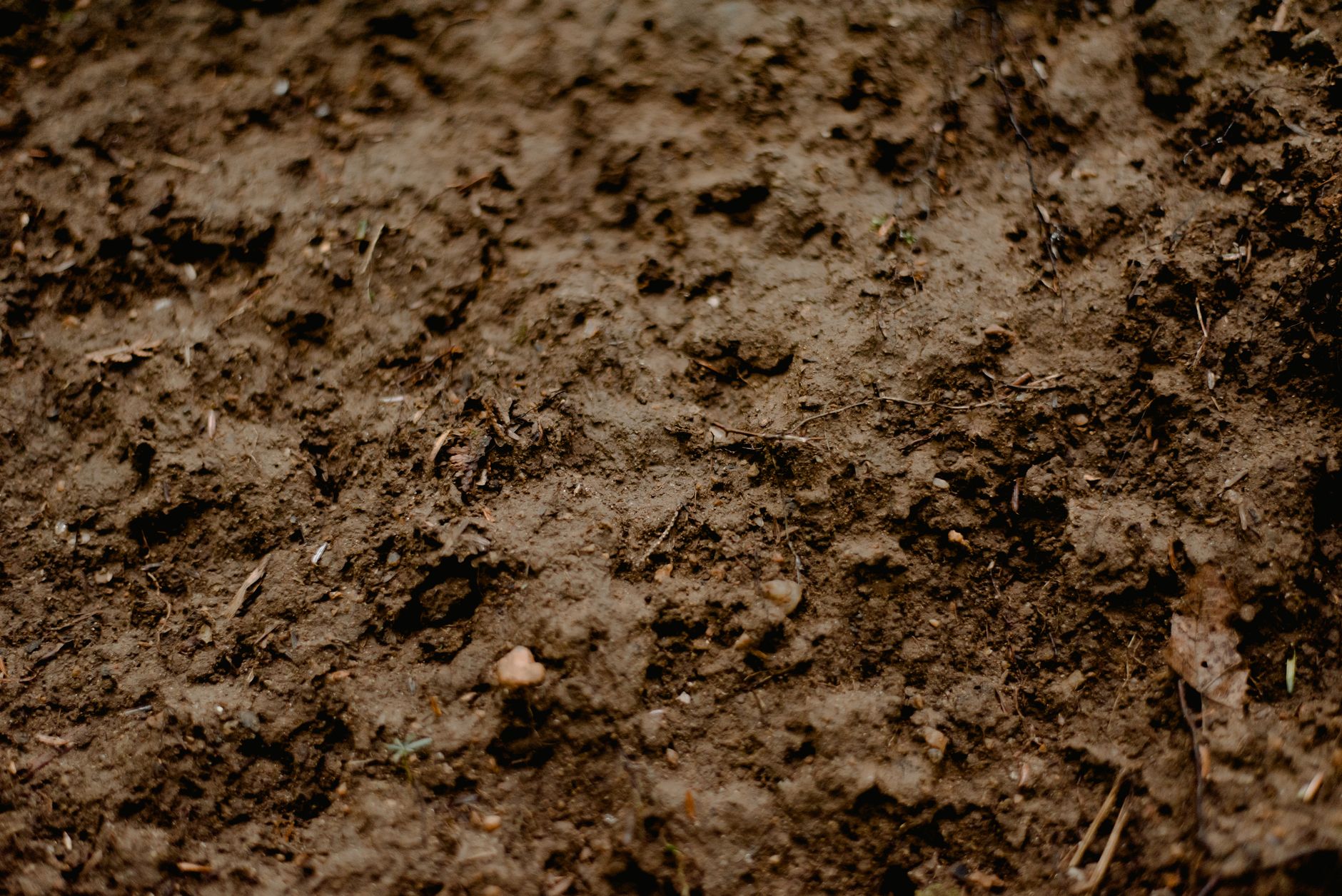
Loosening lawn soil is achieved by improving soil structure, promoting better aeration, drainage, and root penetration, ultimately leading to a healthier, more vibrant lawn. This is typically done through physical methods like aeration and tilling, and by amending the soil with organic matter to improve its long-term health and structure.
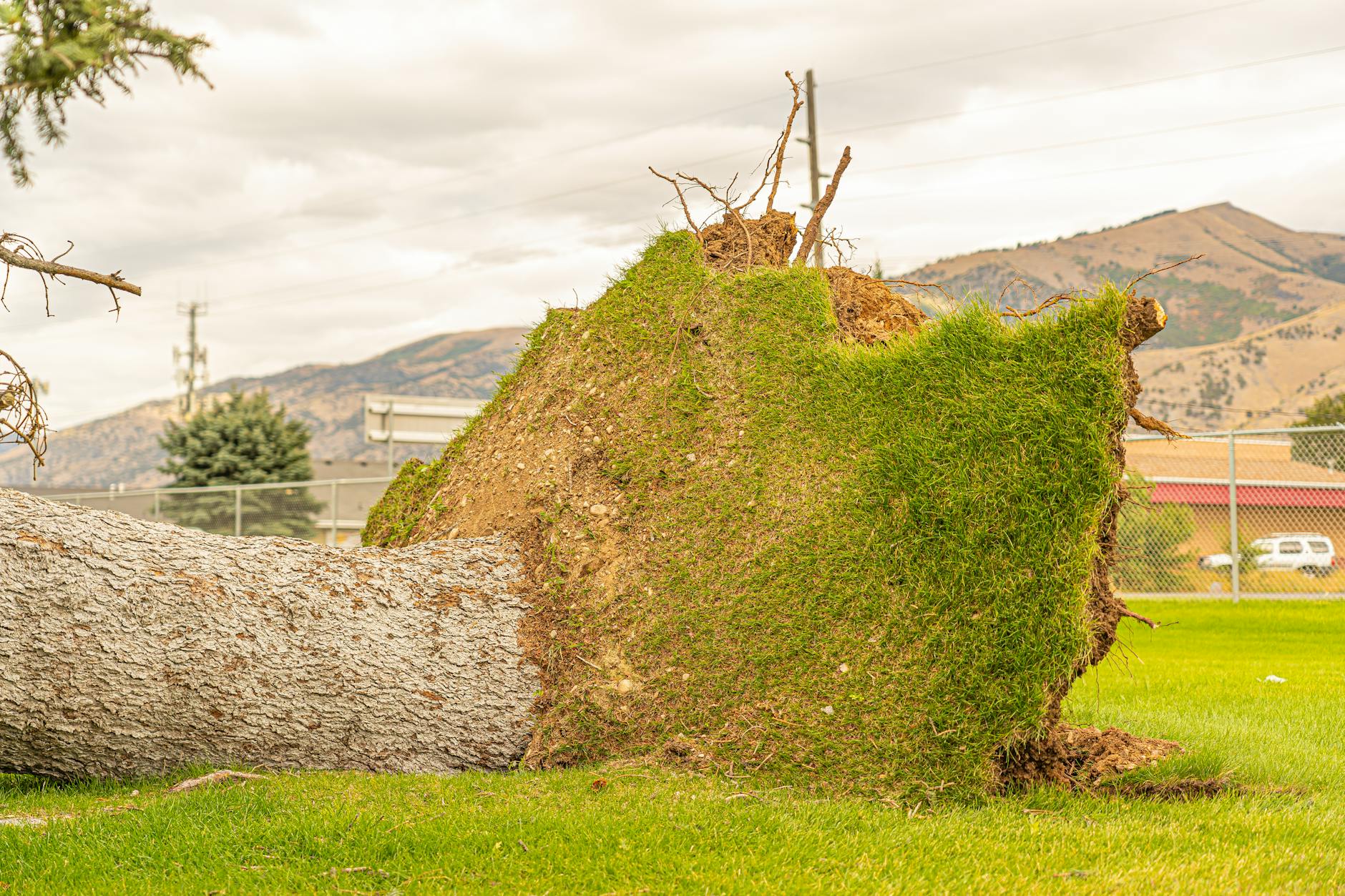
Understanding Compacted Lawn Soil: The Root of the Problem
Compacted lawn soil, a common ailment affecting lawns worldwide, is characterized by tightly packed soil particles. This compression restricts essential elements like air, water, and nutrients from reaching the grass roots. The consequences are far-reaching, including stunted growth, increased susceptibility to disease, and poor drainage leading to soggy conditions. Identifying compaction is crucial before implementing any corrective measures.
Diagnosing Soil Compaction
Look for these telltale signs of compacted lawn soil:
- Thin or patchy grass: Reduced root growth due to compaction hinders nutrient uptake, resulting in sparse or uneven grass coverage.
- Standing water: Poor drainage indicates the soil’s inability to absorb water, often caused by compacted layers.
- Hard soil surface: Difficulty inserting a screwdriver or similar tool into the ground is a strong indicator of compaction.
- Increased thatch buildup: Compacted soil inhibits the decomposition of organic matter, leading to an accumulation of thatch.
- Visible soil cracks: In severe cases, the compacted soil may develop surface cracks.
Methods for Loosening Lawn Soil
There are various techniques available to loosen compacted lawn soil, each with its own advantages and disadvantages. The best approach will depend on the severity of the compaction, the type of soil, and your budget.

What colours are fish most attracted to?
Can you put your finger in a trout's mouth?
Is methylene blue anti bacterial?
Does aquarium salt raise pH in aquarium?
Core Aeration: The Gold Standard
Core aeration involves removing small plugs or cores of soil from the lawn, creating channels that allow air, water, and nutrients to penetrate the soil more effectively. This is widely considered the most effective method for relieving soil compaction in established lawns.
- Benefits: Improves drainage, reduces thatch, promotes root growth, enhances fertilizer uptake.
- Best Practices: Aerate during the active growing season (spring or fall). Rent a core aerator from a local rental center. Make multiple passes over the lawn in different directions for optimal results. Follow up with fertilization and overseeding if necessary.
Liquid Aeration: A Convenient Alternative
Liquid aeration utilizes soil surfactants, which are substances that reduce the surface tension of water, allowing it to penetrate the soil more easily. While not as effective as core aeration for severe compaction, it offers a convenient and less labor-intensive option.
- Benefits: Easier application, can be used to treat specific areas of the lawn, helps improve water penetration.
- Best Practices: Follow the manufacturer’s instructions carefully. Apply the liquid aerator using a hose-end sprayer. Water the lawn thoroughly after application. This method is most effective for light compaction or as a preventative measure.
Soil Amendments: The Long-Term Solution
Adding organic matter to the soil is crucial for improving its long-term structure and drainage. Organic amendments like compost, aged manure, and peat moss help to break up compacted soil, improve aeration, and increase water retention.
- Benefits: Improves soil structure, provides nutrients, increases water retention, promotes beneficial microbial activity.
- Best Practices: Spread a layer of compost (1-2 inches) over the lawn surface. Work the compost into the top layer of soil using a rake or tiller. Alternatively, use a topdressing mix of compost, sand, and topsoil.
Tilling: A Last Resort
Tilling involves turning over the soil to break up compacted layers. While effective for loosening soil, it can also disrupt the soil structure and kill beneficial microorganisms. It’s generally recommended only for severely compacted soil or when preparing a new lawn.
- Benefits: Effectively breaks up compacted soil, prepares the soil for planting.
- Best Practices: Avoid tilling wet soil, as this can further compact the soil. Incorporate organic matter into the soil during tilling. Grade the soil surface to ensure proper drainage. This method is generally followed by reseeding or sodding.
Maintaining Loosened Soil: Preventing Recompaction
Once you’ve loosened your lawn soil, it’s essential to take steps to prevent it from becoming compacted again.
Reduce Foot Traffic
Minimize foot traffic on the lawn, especially when the soil is wet. Consider creating walkways or paths to direct traffic away from sensitive areas.
Vary Mowing Patterns
Avoid mowing the lawn in the same direction every time, as this can contribute to soil compaction.
Avoid Overwatering
Overwatering can lead to soil compaction by displacing air pockets in the soil. Water deeply and less frequently, allowing the soil to dry out slightly between watering sessions.
Use a Soil Test
Regular soil testing can help you monitor the health of your soil and identify potential problems early on. This can allow you to take corrective measures before the soil becomes severely compacted.
Frequently Asked Questions (FAQs)
Here are some common questions about loosening lawn soil, answered by our experts.
FAQ 1: How often should I aerate my lawn?
The frequency of aeration depends on the soil type and the level of compaction. Lawns with heavy clay soils may need to be aerated annually, while lawns with sandy soils may only need to be aerated every two to three years. Look for signs of compaction, such as thin or patchy grass, standing water, and hard soil surface.
FAQ 2: What is the best time of year to aerate my lawn?
The best time to aerate your lawn is during the active growing season, which is typically spring or fall. This allows the grass to recover quickly and fill in the holes created by aeration.
FAQ 3: Can I aerate my lawn myself, or do I need to hire a professional?
You can aerate your lawn yourself by renting a core aerator from a local rental center. However, if you have a large lawn or are not comfortable operating heavy equipment, you may want to hire a professional.
FAQ 4: What is the difference between core aeration and spike aeration?
Core aeration removes small plugs of soil from the lawn, while spike aeration simply pokes holes in the ground. Core aeration is generally considered more effective for relieving soil compaction. Spike aeration can actually worsen compaction over time.
FAQ 5: Is liquid aeration as effective as core aeration?
Liquid aeration is not as effective as core aeration for severe compaction, but it can be a convenient option for light compaction or as a preventative measure.
FAQ 6: What types of organic matter are best for loosening lawn soil?
Compost, aged manure, peat moss, and shredded leaves are all excellent sources of organic matter that can help loosen lawn soil.
FAQ 7: How much compost should I add to my lawn?
Spread a layer of compost (1-2 inches) over the lawn surface. Work the compost into the top layer of soil using a rake or tiller.
FAQ 8: Can I use fertilizer to loosen lawn soil?
Fertilizer does not directly loosen lawn soil. However, it can help promote healthy grass growth, which can improve soil structure over time.
FAQ 9: Will dethatching help loosen lawn soil?
Dethatching removes the layer of dead organic matter that accumulates on the surface of the soil. While dethatching doesn’t directly loosen the soil itself, it can improve air and water penetration, which indirectly helps. Excessive thatch can hinder the effectiveness of other loosening methods.
FAQ 10: How long does it take to see results after loosening lawn soil?
You should start to see improvements in your lawn’s health within a few weeks after loosening the soil. The grass will become greener, thicker, and more resistant to disease.
FAQ 11: Can compacted soil affect the effectiveness of fertilizers?
Yes, compacted soil restricts the ability of fertilizer to reach the root system of the grass. This can result in wasted fertilizer and a less than optimal response from your lawn. Loosening the soil improves fertilizer uptake efficiency.
FAQ 12: Are there specific grass types that are more tolerant of compacted soil?
Certain grass types, such as tall fescue, tend to be more tolerant of compacted soil conditions compared to others, like Kentucky bluegrass. However, even these more tolerant varieties will benefit from soil loosening practices.
By understanding the causes of soil compaction and implementing the appropriate corrective measures, you can create a healthier, more beautiful lawn that will thrive for years to come. Regular maintenance and preventative measures will help ensure that your lawn soil remains loose and well-drained.