
How to Loosen Compacted Soil? A Gardener’s Guide to Healthy Growth

Compacted soil, a common ailment in both gardens and agricultural settings, inhibits plant growth by restricting root penetration, water infiltration, and nutrient uptake. Loosening compacted soil requires a multifaceted approach, employing techniques ranging from manual tilling and amending with organic matter to employing specialized equipment and biological solutions. The specific methods will depend on the severity of the compaction, the soil type, and the long-term goals for the soil’s health.

Understanding Soil Compaction: The Root of the Problem
Soil compaction is the process by which soil particles are pressed tightly together, reducing the pore space within the soil. This diminishment of pore space has profound consequences for the soil’s overall health and, by extension, the health of the plants it supports. Factors contributing to compaction include heavy foot traffic, construction activities, the use of heavy machinery, and even repeated irrigation with poor water quality.
The Consequences of Compaction
- Restricted Root Growth: Compacted soil presents a physical barrier to root growth. Plant roots require space to expand and explore the soil profile for water and nutrients. Compaction severely limits this exploration, leading to stunted growth and reduced yields.
- Poor Water Infiltration and Drainage: Water struggles to penetrate compacted soil, leading to surface runoff and reduced water availability for plants. Conversely, compacted soil also hinders drainage, resulting in waterlogged conditions that can suffocate roots and promote root rot.
- Reduced Air Exchange: Plant roots require oxygen for respiration. Compacted soil limits air exchange, depriving roots of the oxygen they need to thrive.
- Limited Nutrient Availability: Compaction reduces the activity of beneficial soil microorganisms, which play a crucial role in breaking down organic matter and making nutrients available to plants.
Proven Methods for Loosening Compacted Soil
Fortunately, there are numerous effective strategies for tackling soil compaction and restoring healthy soil structure.

What colours are fish most attracted to?
Can you put your finger in a trout's mouth?
Is methylene blue anti bacterial?
Does aquarium salt raise pH in aquarium?
1. Manual Tilling and Digging
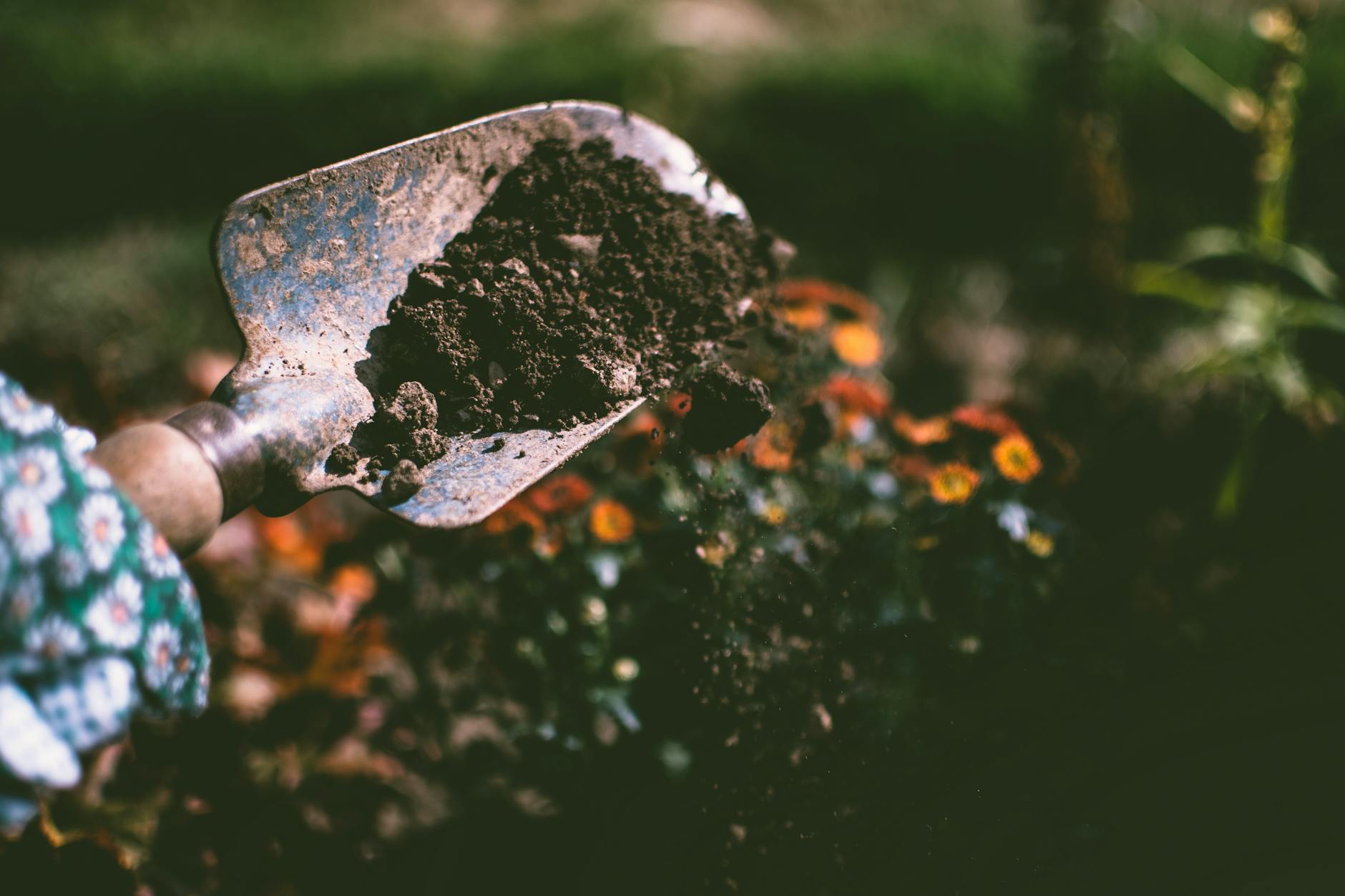
For smaller areas like home gardens, manual tilling and digging can be an effective solution. This involves physically breaking up the compacted soil with tools like shovels, spades, and garden forks.
- Double Digging: This labor-intensive technique involves removing the top layer of soil, breaking up the subsoil, and then returning the topsoil. Double digging improves drainage and aeration significantly but is best suited for well-defined garden beds.
- Spading: Turning over the soil with a spade is less disruptive than double digging but can still improve aeration and drainage, particularly when combined with amendments.
- Forking: Using a garden fork to aerate the soil without turning it over is a gentler approach that minimizes disturbance to the soil ecosystem.
2. Amending with Organic Matter: Nature’s Soil Conditioner
Adding organic matter is one of the most beneficial things you can do for compacted soil. Organic matter improves soil structure, increases water retention, enhances drainage, and provides nutrients for plants and beneficial soil organisms.
- Compost: Well-rotted compost is a powerhouse of nutrients and beneficial microbes. Incorporate compost into the soil regularly to improve its structure and fertility.
- Manure: Aged manure (from animals like cows, horses, or chickens) is another excellent soil amendment. Be sure to use aged manure to avoid burning plant roots with excess nitrogen.
- Cover Crops: Planting cover crops like rye, oats, or legumes can help break up compacted soil with their deep roots and add organic matter when tilled back into the soil.
- Leaf Mold: Decomposed leaves create leaf mold, a fantastic amendment that improves soil structure and water retention.
- Wood Chips and Bark: While not as nutrient-rich as other amendments, wood chips and bark can improve drainage and aeration, particularly in clay soils.
3. Utilizing Mechanical Aeration
For larger areas or heavily compacted soil, mechanical aeration may be necessary. Aerators create holes in the soil, allowing air, water, and nutrients to penetrate more easily.
- Core Aeration: This type of aeration removes small plugs of soil from the ground, creating channels for air and water. Core aerators are available for rent or purchase at most garden centers.
- Spike Aeration: Spike aerators simply poke holes in the ground. While less effective than core aeration, spike aeration can still provide some improvement in aeration and drainage.
4. Addressing Drainage Issues
Poor drainage can exacerbate soil compaction. Improving drainage is crucial for long-term soil health.
- French Drains: These subsurface drains consist of a trench filled with gravel and a perforated pipe that carries water away from the area.
- Surface Grading: Grading the land to slope away from buildings and toward drainage areas can help prevent water from pooling.
- Raised Beds: Creating raised beds elevates the planting area above the surrounding soil, improving drainage and aeration.
5. Biological Solutions: Harnessing the Power of Nature
Nature offers several ways to improve soil structure and alleviate compaction.
- Earthworms: Earthworms are natural soil aerators and conditioners. They tunnel through the soil, creating channels for air and water, and their castings are rich in nutrients.
- Mycorrhizal Fungi: These beneficial fungi form a symbiotic relationship with plant roots, helping them absorb water and nutrients more efficiently.
- Bio-Tillers: Certain plants, like daikon radishes, have long, thick taproots that can penetrate compacted soil, creating channels for air and water. These plants are often referred to as “bio-tillers.”
Frequently Asked Questions (FAQs) About Soil Compaction
1. How can I tell if my soil is compacted?
Several visual cues can indicate soil compaction. Water puddling on the surface after rain, difficulty inserting a shovel or spade into the ground, and stunted plant growth are all telltale signs. A simple test is to dig a small hole and examine the soil structure. Compacted soil will appear dense and blocky, with few visible pores.
2. What is the best time of year to loosen compacted soil?
The best time to address soil compaction depends on the chosen method and your local climate. Generally, fall or early spring are ideal times for tilling and amending with organic matter. This allows the soil to rest and incorporate the amendments before planting.
3. How much organic matter should I add to compacted soil?
A general guideline is to incorporate organic matter to a depth of at least 6-12 inches. The exact amount will depend on the severity of the compaction and the type of organic matter being used. A good starting point is to apply a 2-4 inch layer of compost or aged manure over the soil surface and then till it in.
4. Can I use heavy machinery to loosen compacted soil?
While heavy machinery like tillers and tractors can be effective for loosening compacted soil, they can also contribute to further compaction if used improperly, especially when the soil is wet. Use these machines with caution and only when necessary.
5. Will watering compacted soil help?
Watering compacted soil may temporarily soften the surface, but it won’t solve the underlying problem. In fact, overwatering can exacerbate compaction by further reducing pore space.
6. How often should I aerate my lawn?
The frequency of lawn aeration depends on the soil type, the amount of foot traffic, and the overall health of the lawn. Lawns with heavy clay soil or those that experience heavy use may benefit from annual aeration. Other lawns may only need to be aerated every few years.
7. Can I use gypsum to loosen compacted soil?
Gypsum can be helpful for improving soil structure in certain situations, particularly in soils that are high in sodium. Sodium can cause soil particles to disperse, leading to compaction. Gypsum helps to replace sodium with calcium, which promotes soil aggregation. However, gypsum is not a universal solution for soil compaction and may not be effective in all soil types.
8. What are the benefits of using cover crops to loosen compacted soil?
Cover crops offer several benefits for compacted soil. Their deep roots help break up the soil, improve drainage, and add organic matter when tilled back into the soil. They also help suppress weeds and prevent soil erosion.
9. Is there a permanent solution to soil compaction?
While there’s no single “permanent” solution, consistent implementation of good soil management practices can significantly reduce the risk of compaction and maintain healthy soil structure over the long term. This includes minimizing foot traffic, avoiding the use of heavy machinery on wet soil, and regularly amending with organic matter.
10. Can I use chemical soil conditioners to loosen compacted soil?
While some chemical soil conditioners are marketed for improving soil structure, they are generally less effective than organic amendments and can have negative impacts on the soil ecosystem. Opting for organic solutions is a more sustainable and environmentally friendly approach.
11. What is the role of calcium in loosening compacted soil?
Calcium is crucial for soil aggregation. It helps bind soil particles together, creating larger aggregates that improve soil structure, aeration, and drainage. Adding lime (calcium carbonate) to acidic soils can increase calcium levels and improve soil structure. Gypsum (calcium sulfate) is effective in soils high in sodium.
12. How long does it take to see results after loosening compacted soil?
The time it takes to see results varies depending on the severity of the compaction, the methods used, and the specific plants being grown. Improvement in soil structure may be noticeable within a few months of amending with organic matter and aerating. However, it may take a year or more to see significant improvements in plant growth and yields. Consistent effort and patience are key.