
How to Catch Trout in a Lake from Shore?
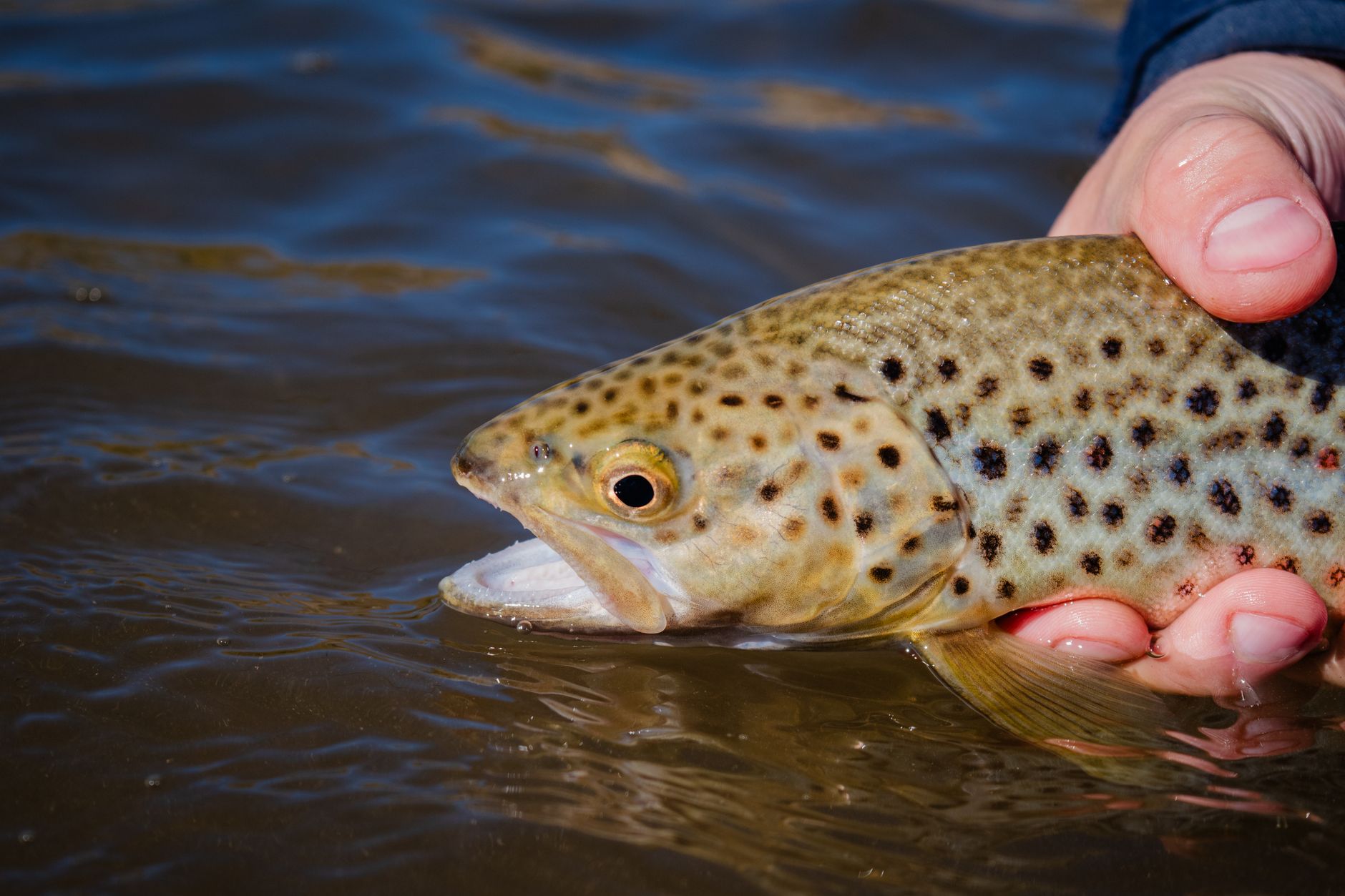
Catching trout from the shore of a lake requires understanding their behavior, seasonal patterns, and preferred habitat, along with employing the right techniques and tackle. Successful shore fishing for trout hinges on adapting your approach based on prevailing conditions and utilizing a blend of patience, observation, and strategic lure or bait presentation.
Understanding Trout Behavior & Lake Ecology
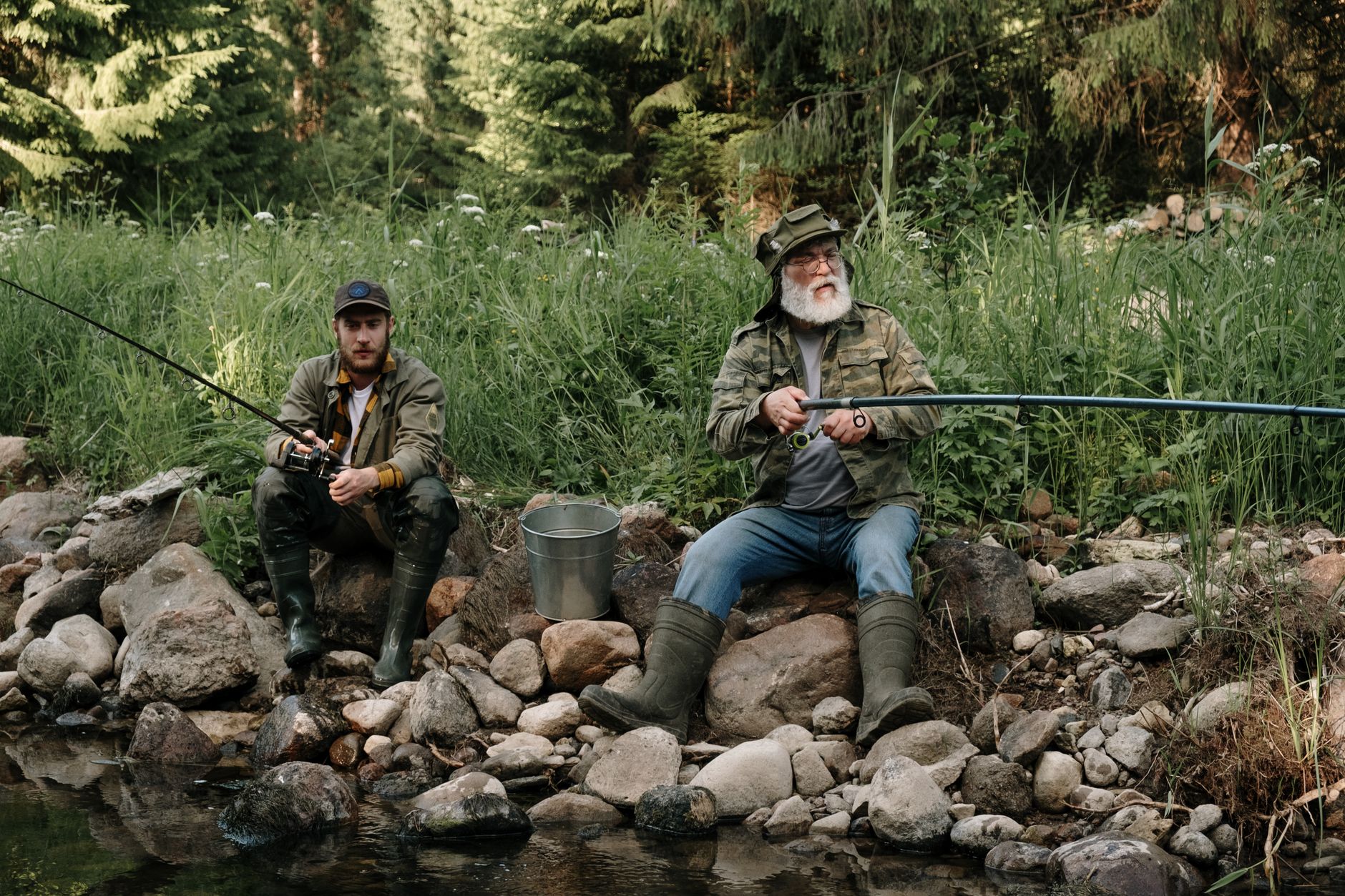
Successfully targeting trout from the shore starts with grasping the fundamentals of trout behavior within a lake environment. Trout are cold-water fish, meaning they thrive in cooler temperatures. This significantly influences their location throughout the year. During spring and fall, when water temperatures are more consistent, trout tend to cruise closer to the shore in search of food. As summer heats up, they retreat to deeper, cooler waters, making shore fishing more challenging. Conversely, in winter, even under ice, trout may return to shallower areas in search of oxygenated water.
Seasonal Patterns and Trout Location
- Spring: As ice melts and water warms, trout become active, feeding near shorelines on newly emerging insects and minnows. Look for inlets where streams enter the lake, as these often provide a concentration of food and oxygen.
- Summer: Trout seek deeper, cooler waters to escape the heat. Focus on areas with submerged structure, such as drop-offs, weed beds, or rocky points that provide shade and cover. Fishing early in the morning or late in the evening when temperatures are cooler increases your chances of success.
- Fall: As water temperatures cool again, trout return to shallower areas to feed in preparation for winter. Similar to spring, inlets and areas with abundant insect life become prime fishing spots.
- Winter: Trout can still be caught from shore, even with ice cover (where permitted and safe). They tend to congregate near areas with good oxygenation, such as springs or open water. Using smaller lures or bait presented slowly is key.

Is distilled water good for goldfish?
What colours are fish most attracted to?
Is methylene blue anti bacterial?
Does aquarium salt raise pH in aquarium?
Identifying Key Lake Habitats

Understanding lake structure is crucial for pinpointing trout hotspots. Look for:
- Inlets: Streams and rivers flowing into the lake bring fresh water, oxygen, and food, attracting trout.
- Drop-offs: Sudden changes in depth provide cover and access to both shallow and deep water, making them ideal ambush points.
- Weed Beds: These areas provide shelter and attract insects and small fish, creating a food-rich environment for trout.
- Rocky Points and Bluffs: Rocks retain warmth from the sun, creating warmer microclimates that attract trout, especially during colder months.
- Submerged Logs and Timber: Offering cover and structure, submerged wood provides excellent habitat for trout.
Essential Tackle and Techniques
Having the right equipment and mastering effective techniques are essential for shore-based trout fishing.
Rods, Reels, and Line
- Rod: A light to medium-light action spinning rod between 6 and 7 feet long is ideal. This provides enough sensitivity to detect subtle strikes and enough backbone to handle larger trout.
- Reel: A spinning reel in the 1000 to 2500 size range is a good choice. Ensure it has a smooth drag system to prevent line breakage when fighting fish.
- Line: Monofilament or fluorocarbon line in 4-6 pound test is generally sufficient for trout fishing. Fluorocarbon is nearly invisible underwater, making it a good choice for clear water. Braid, with a fluorocarbon leader, can also be used for increased sensitivity.
Effective Lures and Baits
- Spinners: Inline spinners like Mepps or Rooster Tails are effective for covering water and attracting active trout.
- Spoons: Spoons like Kastmasters or Little Cleos mimic the flash of baitfish and are effective for casting long distances.
- Crankbaits: Small crankbaits that imitate baitfish can be productive, especially in warmer months.
- Soft Plastics: Jigs, tubes, and worms rigged on jig heads or drop-shot rigs can be very effective, particularly when trout are finicky.
- Natural Baits: Worms, PowerBait, corn, and salmon eggs are all proven trout baits. Rig them on a small hook with a split shot weight a foot or two above the hook.
Casting and Presentation
- Vary your retrieve: Experiment with different retrieve speeds and actions to see what the trout are responding to.
- Fan casting: Cast in a wide arc, covering as much water as possible.
- Target structure: Cast near drop-offs, weed beds, and other structure where trout are likely to be hiding.
- Use a leader: A fluorocarbon leader can help to reduce line visibility and increase your chances of getting a bite.
Optimizing Your Shore Fishing Strategy
Beyond tackle and technique, certain strategic considerations can significantly improve your success rate.
Time of Day and Weather Conditions
- Early Morning and Late Evening: Trout are typically more active during these cooler periods.
- Overcast Days: Cloud cover reduces light penetration, allowing trout to move into shallower water.
- After Rain: Rain can wash insects and other food items into the lake, triggering a feeding frenzy.
- Windy Conditions: Wind can create surface chop, which helps to conceal your line and lure from wary trout.
Reading the Water
Observing the water is critical. Look for:
- Surface activity: Ripples, splashes, or jumping fish indicate feeding activity.
- Baitfish: If you see schools of baitfish, trout are likely to be nearby.
- Insect hatches: Pay attention to insects emerging from the water, as this can indicate what trout are feeding on.
Stealth and Patience
- Move slowly and quietly: Avoid making sudden movements or loud noises that could spook the fish.
- Wear neutral colors: Blend in with your surroundings to avoid being easily spotted.
- Be patient: Trout fishing often requires patience. Don’t get discouraged if you don’t catch anything right away. Experiment with different techniques and presentations until you find what works.
Frequently Asked Questions (FAQs)
Q1: What’s the best time of year to fish for trout from shore in a lake?
The best times are spring and fall, when water temperatures are moderate and trout are actively feeding near the shoreline. Spring sees increased insect activity and runoff bringing nutrients, while fall finds trout bulking up for winter.
Q2: What’s the ideal water temperature for trout fishing from shore?
Trout thrive in cooler waters. The ideal temperature range is between 50°F and 65°F (10°C to 18°C). When water temperatures exceed 70°F (21°C), trout typically move to deeper, cooler waters.
Q3: What type of knot is best for tying a hook to a fluorocarbon leader?
The Improved Clinch Knot is a reliable and strong knot for attaching hooks and lures to fluorocarbon leaders. Ensure you wet the knot before tightening to prevent friction damage.
Q4: How far should I cast when shore fishing for trout?
It depends on the lake and the fishing conditions. Start by casting to areas close to shore and gradually increase your distance until you find where the trout are holding. Long casts are generally more necessary in clear water where trout are more easily spooked.
Q5: Should I use a swivel when fishing for trout with spinners?
Yes, a swivel is highly recommended when using spinners. Spinners can cause line twist, which can weaken your line and make it difficult to cast. A swivel will prevent line twist and allow your lure to spin freely.
Q6: What’s the best way to store live bait, like worms, when fishing from shore?
Keep worms in a container with bedding material, such as potting soil or worm bedding, in a cool, shaded place. Avoid exposing them to direct sunlight or extreme heat.
Q7: How do I choose the right lure color for trout fishing in a lake?
Consider the water clarity and light conditions. In clear water, natural colors like silver, brown, and green are effective. In murky water, brighter colors like orange, chartreuse, and pink may be more visible.
Q8: What’s the best way to rig PowerBait for trout fishing?
PowerBait can be rigged on a small treble hook or a single egg hook. Form the PowerBait into a ball shape and mold it around the hook. Use a slip sinker or a split shot weight a foot or two above the hook.
Q9: How can I avoid spooking trout when fishing from shore?
Move slowly and quietly, wear neutral colors, and avoid making sudden movements. Also, try to cast from a distance and avoid walking directly up to the water’s edge.
Q10: What are some ethical considerations when trout fishing from shore?
Practice catch and release whenever possible. Use barbless hooks to minimize harm to the fish. Dispose of all trash properly. Respect other anglers and the environment. Check local regulations regarding catch limits and size restrictions.
Q11: What tools should I bring with me besides fishing gear?
Consider bringing a net, pliers (for removing hooks), line clippers, sunscreen, insect repellent, a hat, and a water bottle. A small tackle box is also useful for storing lures, hooks, and other accessories.
Q12: How do I determine if a lake is stocked with trout and when?
Contact your local Department of Fish and Wildlife or similar agency. Their website usually publishes stocking schedules and information about specific lakes. Local fishing reports can also be a valuable source of information.