

How Smart Are Great Danes? Unveiling Their Cognitive Abilities
How smart are Great Danes? Great Danes are intelligent dogs, demonstrating above-average problem-solving skills and trainability, though their independent nature and sometimes stubborn streak might make them appear less consistently obedient than some other breeds.
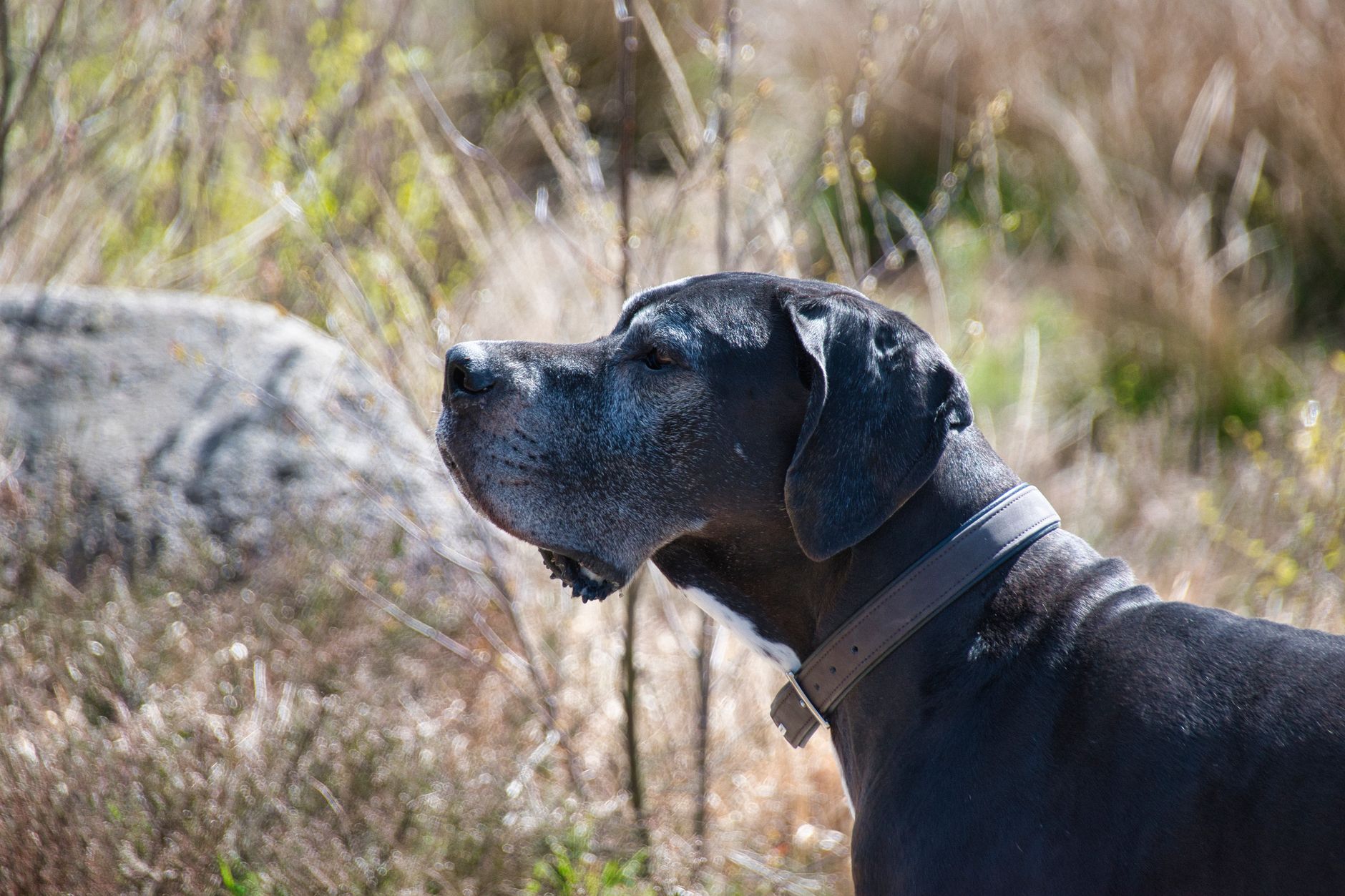
A Gentle Giant’s Intelligence: Beyond the Size
Great Danes, often referred to as the “Apollo of Dogs” due to their imposing size and graceful appearance, are more than just magnificent physical specimens. They possess a sharp intellect that is often underestimated. Understanding their intelligence requires looking beyond simple obedience tests and considering their problem-solving capabilities, trainability, and breed-specific behaviors. How smart are Great Danes? is a question that warrants a nuanced answer.

What colours are fish most attracted to?
Can you put your finger in a trout's mouth?
Is methylene blue anti bacterial?
Does aquarium salt raise pH in aquarium?
Trainability and Problem-Solving Prowess

While Great Danes might not top the lists of the most easily trained breeds, they are certainly capable of learning and responding to commands. Their intelligence shines through in their ability to:
- Understand complex commands: They can grasp multi-step instructions with consistent training.
- Solve problems: They demonstrate an aptitude for figuring out how to open doors, access treats, and navigate obstacles.
- Adapt to new situations: They are relatively quick learners when introduced to new environments and routines.
However, their independent nature and occasional stubbornness can sometimes mask their intelligence. Consistency and positive reinforcement are crucial for effective training.
Breed-Specific Behaviors and Intelligence
Certain behaviors inherent to the Great Dane breed can offer insights into their intelligence:
- Guardian instincts: They are naturally protective of their families and territory, displaying a keen awareness of their surroundings and potential threats. This requires cognitive assessment and decision-making.
- Social awareness: Great Danes are typically gentle and affectionate with their families, demonstrating an understanding of social cues and emotional states.
- Problem-solving to gain attention: A bored Great Dane might devise creative (and sometimes destructive) methods to get their owner’s attention, showcasing their problem-solving skills in action.
Comparing Great Dane Intelligence to Other Breeds
Ranking dog intelligence is a complex endeavor. While some breeds, like Border Collies, are renowned for their exceptional obedience and quick learning, Great Danes possess a different kind of intelligence. They may not be as eager to please as some other breeds, but they are certainly capable of:
| Breed | Trainability | Problem-Solving | Independence |
|---|---|---|---|
| Border Collie | Very High | High | Moderate |
| Great Dane | Moderate to High | Moderate to High | High |
| Golden Retriever | High | Moderate | Low |
This table highlights that while Great Danes may have a higher degree of independence, their problem-solving abilities are comparable to, or even surpass, some highly regarded breeds. How smart are Great Danes? The answer lies in understanding their specific cognitive strengths.
Factors Influencing a Great Dane’s Intelligence
A Great Dane’s intelligence, like that of any dog, is influenced by a variety of factors:
- Genetics: Some Great Danes are naturally more intelligent than others.
- Training and socialization: Early and consistent training and socialization are crucial for developing a Great Dane’s cognitive abilities.
- Environment: A stimulating environment with plenty of opportunities for mental and physical exercise can enhance a Great Dane’s intelligence.
- Nutrition: A healthy diet supports brain function and overall cognitive performance.
Are Great Danes difficult to train?
Great Danes can be challenging to train due to their independent nature and potential stubbornness. Consistency, positive reinforcement, and early socialization are key to successful training. Starting training early, even with simple commands, is crucial for establishing good habits.
Do Great Danes understand human emotions?
Yes, Great Danes are known to be sensitive and empathetic dogs. They can often pick up on human emotions and respond accordingly, offering comfort and companionship when needed. Their ability to understand human emotions contributes significantly to their role as devoted family members.
What kind of training methods work best for Great Danes?
Positive reinforcement techniques, such as rewarding good behavior with treats, praise, or toys, are highly effective for training Great Danes. Avoid harsh punishment, as this can damage their confidence and hinder their learning. Consistency is also paramount.
At what age should I start training my Great Dane puppy?
Early socialization and basic training should begin as soon as you bring your Great Dane puppy home, typically around 8 weeks of age. This early introduction to commands and social situations will lay a strong foundation for future training.
Are Great Danes good with children?
Yes, Great Danes are generally good with children, especially when they have been raised together. However, due to their large size, supervision is always recommended to prevent accidental injuries. Teach children how to interact respectfully with the dog.
Do Great Danes need a lot of mental stimulation?
Yes, Great Danes benefit from regular mental stimulation to prevent boredom and destructive behaviors. Puzzle toys, training sessions, and interactive games can help keep their minds engaged. How smart are Great Danes? Smart enough to get bored without sufficient mental activity.
How can I keep my Great Dane mentally stimulated?
Provide puzzle toys, engage in regular training sessions, introduce new environments and experiences, and play interactive games like fetch or hide-and-seek. Rotate toys regularly to keep things interesting.
Do Great Danes get bored easily?
Yes, Great Danes can get bored easily if they are not provided with enough mental and physical stimulation. Boredom can lead to destructive behaviors such as chewing or excessive barking.
Are Great Danes prone to any specific behavioral issues?
Common behavioral issues in Great Danes include separation anxiety, excessive barking, and chewing. These issues can often be addressed with proper training, socialization, and mental stimulation.
How much exercise do Great Danes need?
Great Danes need moderate exercise, typically around 30-60 minutes per day. This can include walks, runs, or playtime in a fenced yard. Avoid strenuous exercise, especially when they are puppies, to protect their joints.
Can Great Danes be trained to perform tricks?
Yes, Great Danes can be trained to perform a variety of tricks, from simple commands like sit and stay to more complex tricks like playing dead or rolling over. Consistency and positive reinforcement are key to successful trick training.
Are Great Danes good guard dogs?
Yes, Great Danes make excellent guard dogs due to their imposing size and protective nature. They are naturally wary of strangers and will often bark to alert their owners to potential threats. However, proper training and socialization are essential to ensure that they are not overly aggressive. How smart are Great Danes? Smart enough to distinguish between a real threat and an ordinary visitor, especially with training.