
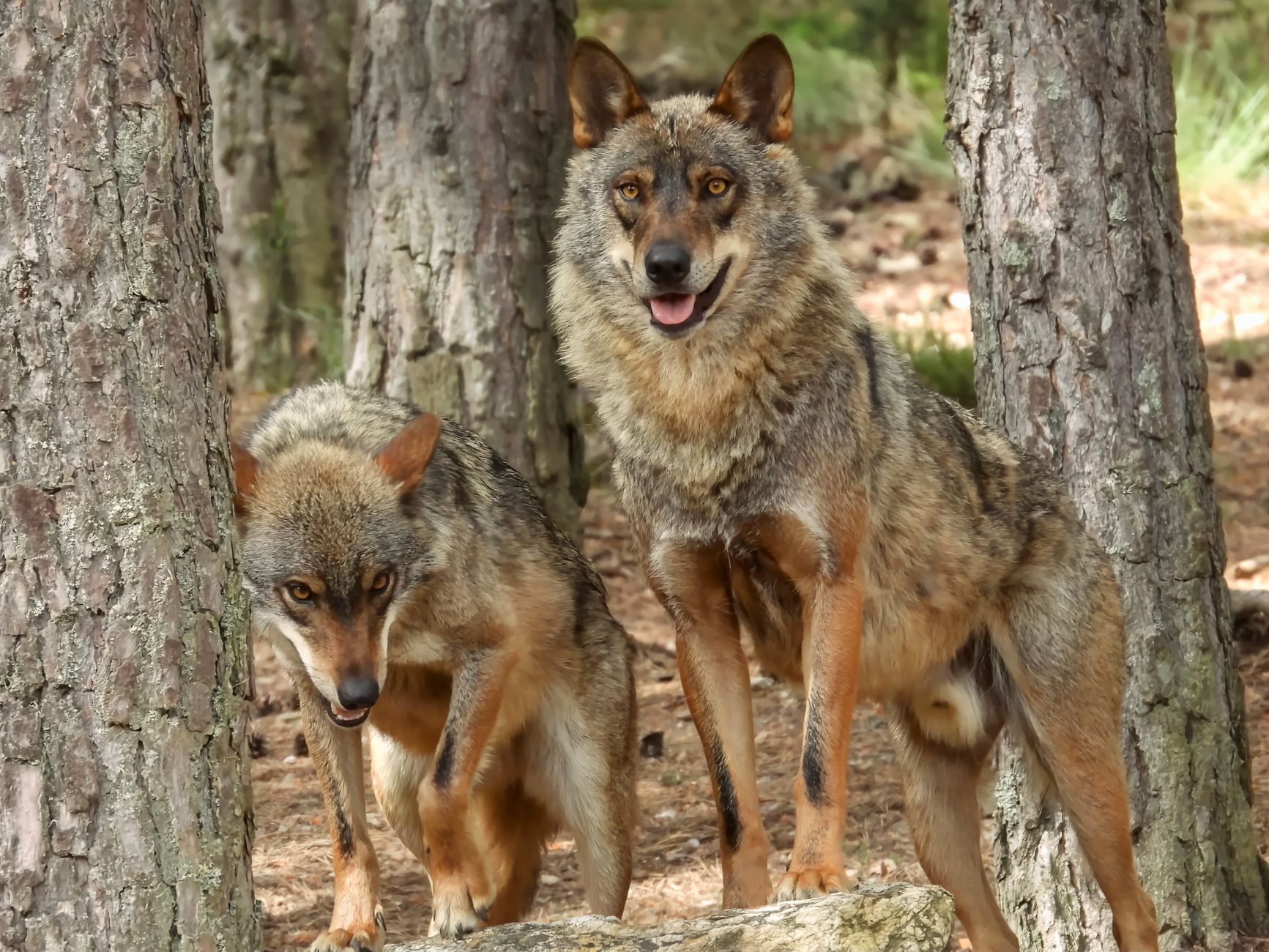
How Old Can Red Wolves Get? A Deep Dive into Red Wolf Lifespans
The typical lifespan of a red wolf in the wild is 6 to 8 years, though under the protected conditions of captivity, they can live considerably longer, sometimes reaching 15 years or more.

Understanding the Red Wolf: An Introduction
The red wolf (Canis rufus) is one of the world’s most endangered canids, a magnificent predator with a tragic history. Understanding its biology, including its potential lifespan, is crucial for effective conservation efforts. This article explores the factors influencing red wolf longevity, both in the wild and in captivity, providing a comprehensive overview of how old can red wolves get? and the challenges they face. Their population has dwindled so drastically that their lifespan information is important for monitoring them!

Is distilled water good for goldfish?
What colours are fish most attracted to?
Can you put your finger in a trout's mouth?
Is methylene blue anti bacterial?
Factors Affecting Lifespan in the Wild

Wild red wolves face a myriad of challenges that significantly impact their lifespan. These factors include:
- Predation: While adult red wolves are apex predators, pups are vulnerable to larger predators such as coyotes, bobcats, and even large birds of prey.
- Disease: Exposure to diseases such as canine distemper, parvovirus, and rabies can decimate red wolf populations, particularly those already weakened by other stressors.
- Human-Related Threats: Habitat loss, fragmentation, and vehicle collisions are major contributors to red wolf mortality. Sadly, illegal shootings also pose a significant threat.
- Food Availability: Access to sufficient prey, such as white-tailed deer, rabbits, and rodents, is essential for survival. Scarcity of food, especially during harsh winters, can weaken wolves and make them more susceptible to disease and other threats.
- Genetic Health: Small populations can suffer from inbreeding, leading to genetic issues that can reduce lifespan.
The Impact of Captivity on Red Wolf Lifespan
In contrast to the harsh realities of the wild, captive red wolves benefit from a controlled environment that greatly extends their lifespan. Key advantages include:
- Regular Veterinary Care: Captive red wolves receive routine vaccinations, deworming, and prompt treatment for any illnesses or injuries.
- Controlled Diet: Their nutritional needs are carefully met with a balanced diet, ensuring optimal health and preventing deficiencies.
- Protection from Predators and Human Threats: Captive wolves are shielded from the dangers of predation, vehicle collisions, and illegal hunting.
- Managed Social Dynamics: Zoos and breeding facilities carefully manage social groupings to minimize stress and aggression, promoting overall well-being.
| Factor | Wild Red Wolves | Captive Red Wolves |
|---|---|---|
| Predation | High | None |
| Disease | High | Low |
| Human Threats | High | None |
| Food Availability | Variable | Consistent |
| Veterinary Care | Minimal | Regular |
| Typical Lifespan | 6-8 years | 15+ years |
The Role of Genetics in Red Wolf Longevity
Genetics plays a crucial role in determining an individual red wolf’s susceptibility to disease, its physical resilience, and its overall lifespan. As the red wolf population has been significantly reduced in past decades, a lot of inbreeding has taken place. This threatens their lifespan.
Conservation Efforts and Lifespan Extension
Robust conservation initiatives are vital for extending the lifespan of red wolves in the wild. These efforts include:
- Habitat Restoration and Protection: Conserving and restoring suitable red wolf habitat provides them with the resources they need to thrive.
- Predator Control: Managing predator populations can reduce pup mortality rates.
- Disease Monitoring and Management: Implementing vaccination programs and providing prompt treatment for sick or injured wolves can improve survival rates.
- Public Education and Outreach: Educating the public about the importance of red wolf conservation can help reduce human-related threats.
- Reintroduction Programs: Carefully managed reintroduction programs can help establish new red wolf populations in suitable areas. These programs can help the species to thrive again and have longer lifespans.
Frequently Asked Questions (FAQs)
What is the average lifespan of a red wolf in the wild?
The average lifespan of a red wolf in the wild is typically 6 to 8 years. However, this can vary depending on factors such as habitat quality, food availability, disease prevalence, and human-related threats.
Can red wolves live longer in captivity?
Yes, red wolves can live considerably longer in captivity, often reaching 15 years or more. This is due to factors such as regular veterinary care, a controlled diet, protection from predators and human threats, and managed social dynamics.
What are the main threats to red wolf lifespan in the wild?
The main threats to red wolf lifespan in the wild include predation, disease, human-related threats (such as habitat loss, vehicle collisions, and illegal shootings), and food scarcity.
How does diet affect red wolf lifespan?
A consistent and nutritious diet is essential for red wolf survival and longevity. Malnutrition can weaken wolves and make them more susceptible to disease and other threats.
What diseases commonly affect red wolves and shorten their lifespan?
Common diseases that can shorten red wolf lifespan include canine distemper, parvovirus, rabies, and heartworm. These diseases can be particularly devastating to young pups and weakened individuals.
Do red wolf pups have a higher mortality rate than adults?
Yes, red wolf pups have a significantly higher mortality rate than adults. They are vulnerable to predation, disease, and starvation, particularly during their first year of life.
How do humans contribute to red wolf mortality?
Humans contribute to red wolf mortality through habitat loss and fragmentation, vehicle collisions, illegal shootings, and the spread of diseases from domestic animals.
Are there any specific conservation efforts aimed at extending red wolf lifespan?
Yes, conservation efforts aimed at extending red wolf lifespan include habitat restoration and protection, predator control, disease monitoring and management, public education and outreach, and reintroduction programs.
What role does genetics play in red wolf longevity?
Genetics plays a crucial role in determining a red wolf’s susceptibility to disease, its physical resilience, and its overall lifespan. Inbreeding can lead to genetic issues that can reduce lifespan.
How does climate change impact red wolf lifespan?
Climate change can indirectly impact red wolf lifespan by altering habitat conditions, affecting prey availability, and increasing the prevalence of certain diseases. Extreme weather events can also pose a threat.
Are there any documented cases of exceptionally long-lived red wolves?
While rare, there have been documented cases of red wolves living well beyond 15 years in captivity. These individuals often benefit from exceptional care and a lack of exposure to the stressors of the wild.
How can I contribute to red wolf conservation and help them live longer?
You can contribute to red wolf conservation by supporting organizations dedicated to red wolf research and conservation, advocating for habitat protection, and educating others about the importance of red wolf conservation. Reducing your carbon footprint can help mitigate the effects of climate change, which can also affect red wolf survival. Understanding how old can red wolves get? can help spread awareness to the public.