

How Often Should You Change Your Saddle Pad?
Changing your saddle pad is crucial for your horse’s comfort and back health. The ideal frequency depends on factors like usage, material, and climate, but generally, you should change or clean your saddle pad after every ride to prevent sweat and dirt buildup.

Introduction: More Than Just a Cloth
A saddle pad is far more than a decorative accessory; it’s a vital piece of equipment that protects your horse’s back from pressure points, friction, and heat generated by the saddle during riding. Understanding the crucial role of a clean and well-maintained saddle pad is paramount for your horse’s well-being and performance. Neglecting your saddle pad can lead to serious issues like saddle sores, back pain, and even long-term muscular problems. How often should you change your saddle pad? is a question that every horse owner should carefully consider.

What colours are fish most attracted to?
Can you put your finger in a trout's mouth?
Is methylene blue anti bacterial?
Does aquarium salt raise pH in aquarium?
Understanding the Saddle Pad’s Function
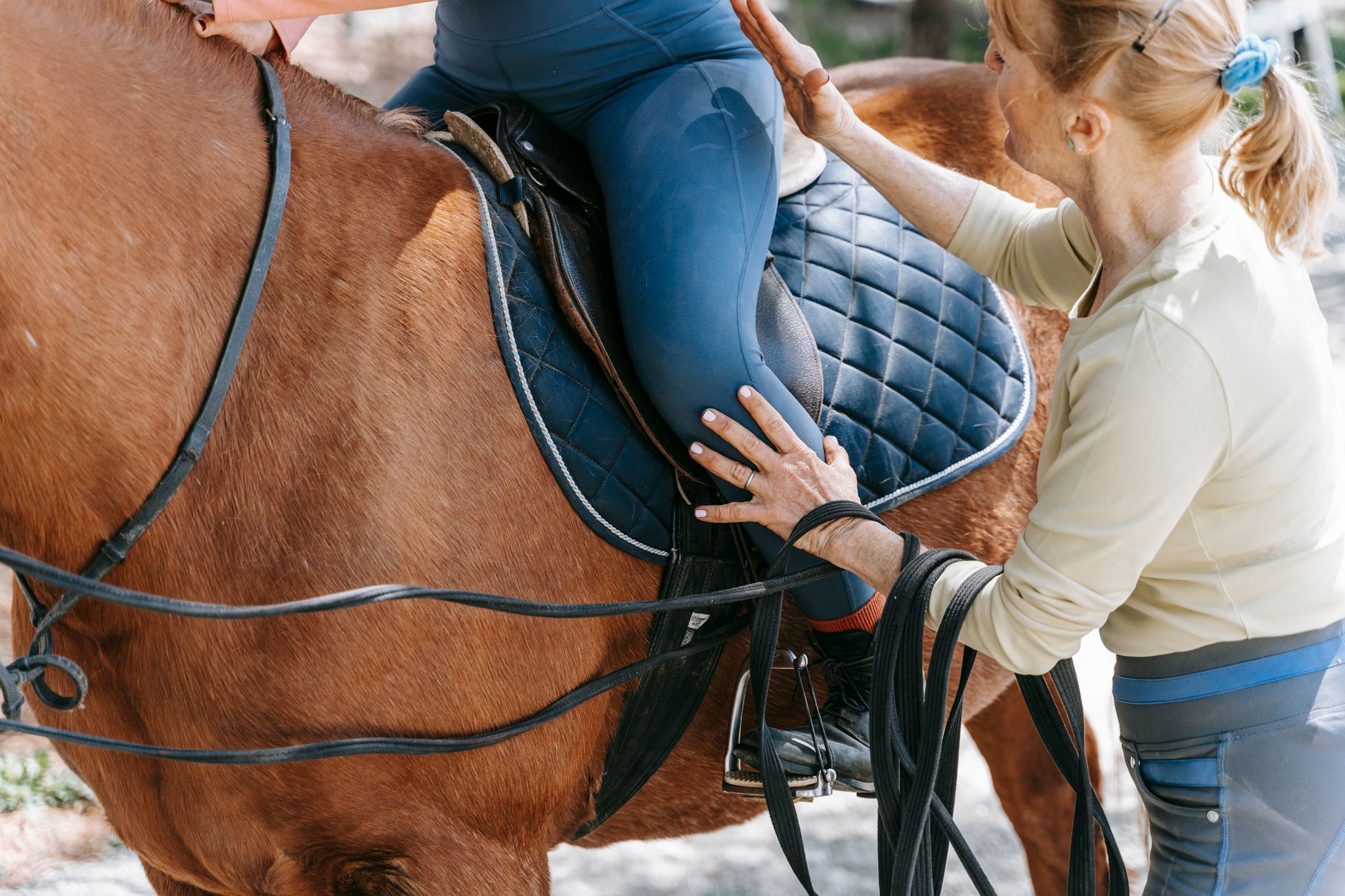
The primary purpose of a saddle pad is to create a barrier between the saddle and the horse’s back. This barrier performs several critical functions:
- Absorbs Shock: Reduces the impact and pressure on the horse’s spine.
- Wicks Away Moisture: Helps dissipate sweat, keeping the horse’s back cooler and drier.
- Provides Cushioning: Prevents rubbing and pressure points that can lead to soreness.
- Protects the Saddle: Absorbs sweat and dirt that can damage the saddle leather.
Factors Influencing Change Frequency
Several factors dictate how often should you change your saddle pad. There’s no one-size-fits-all answer, but considering these points will help you determine the right frequency for your situation.
- Riding Frequency: More frequent riding necessitates more frequent changes.
- Riding Intensity: Harder work leads to more sweat, requiring more changes.
- Climate: Hot and humid conditions increase sweat production, demanding more changes.
- Pad Material: Some materials absorb moisture better than others.
- Horse’s Sweat Level: Some horses sweat more than others.
- Type of Pad: Different styles of pads might have different care requirements.
Recognizing the Signs of a Dirty Saddle Pad
Knowing when to change your saddle pad isn’t always about a set schedule. Being able to recognize the signs of a dirty or soiled pad is just as important. Look out for these indicators:
- Visible Sweat Stains: Obvious sweat marks, especially caked-on areas.
- Dirt and Hair Accumulation: Excess buildup of dirt, hair, and debris.
- Stiff or Hardened Areas: Hard spots indicate accumulated sweat and salt.
- Unpleasant Odor: A lingering smell even after drying.
- Horse’s Reaction: Signs of discomfort or sensitivity when saddling.
Saddle Pad Maintenance: Cleaning and Storage
Proper maintenance will extend the life of your saddle pads and ensure they perform optimally.
- Daily Brush: Brush off loose hair and dirt after each ride.
- Wash Regularly: Hand-wash or machine-wash (following manufacturer instructions) as needed.
- Use Appropriate Detergents: Opt for mild detergents specifically designed for equestrian gear.
- Air Dry: Allow pads to air dry thoroughly before using or storing.
- Proper Storage: Store pads in a clean, dry area away from direct sunlight and pests.
Types of Saddle Pads and Their Care
The type of saddle pad also impacts the cleaning routine.
| Pad Type | Material | Cleaning Instructions |
|---|---|---|
| Felt | Wool, Synthetic | Brush regularly; spot clean as needed; hand wash or machine wash on gentle cycle; air dry. |
| Fleece | Synthetic, Sheepskin | Brush regularly; spot clean as needed; hand wash or machine wash on gentle cycle with wool-safe detergent; air dry. |
| Quilted Cotton | Cotton | Brush regularly; machine wash; tumble dry on low heat. |
| Gel/Foam | Synthetic | Wipe clean with damp cloth; avoid harsh chemicals. |
Potential Problems of Neglecting Saddle Pad Hygiene
Ignoring the question of how often should you change your saddle pad? can lead to a host of problems for your horse.
- Saddle Sores: Rubbing and friction from a dirty pad can cause painful sores.
- Skin Infections: Bacteria and fungi thrive in moist, dirty environments.
- Back Pain: Uneven pressure from a soiled pad can lead to muscle strain and pain.
- Decreased Performance: Discomfort can affect your horse’s willingness and ability to perform.
- Saddle Damage: Sweat and dirt can damage the leather of your saddle.
Choosing the Right Saddle Pad
Selecting the right saddle pad in the first place is also crucial for maintaining your horse’s comfort. Consider:
- Saddle Fit: The pad should complement the saddle fit, not compensate for a poor fit.
- Horse’s Conformation: Choose a pad that suits your horse’s back shape.
- Riding Discipline: Different disciplines may require specific pad features.
- Material Breathability: Opt for breathable materials to minimize sweat buildup.
Preventing Sweat Buildup
Besides asking how often should you change your saddle pad?, it’s also important to ask how to minimize the need to change it in the first place! Here are some strategies:
- Thorough Cool-Down: Allow your horse to cool down properly after riding to minimize sweating under the saddle.
- Proper Ventilation: Ensure adequate ventilation in the stable to prevent excessive sweating.
- Avoid Over-Blanketing: Don’t over-blanket your horse, as this can increase sweating.
Frequently Asked Questions
How often should I wash my saddle pad?
You should wash your saddle pad at least once a month, but potentially more if you ride frequently or in hot weather. Visible dirt, stiffness, or odors are also good indicators it’s time for a wash. Use a mild detergent and follow the manufacturer’s instructions for washing.
Can I use human detergent to wash my saddle pad?
While it’s tempting to use what you have on hand, it’s best to avoid human detergents. These can be harsh and leave residues that irritate your horse’s skin. Opt for detergents specifically designed for equestrian gear or a very mild, hypoallergenic detergent.
Is it better to hand wash or machine wash my saddle pad?
It depends on the pad’s material and construction. Always check the manufacturer’s instructions. Generally, more delicate materials like sheepskin are best hand-washed. Sturdier pads can usually be machine-washed on a gentle cycle.
How do I get rid of stubborn sweat stains on my saddle pad?
For stubborn sweat stains, try soaking the pad in a solution of mild detergent and white vinegar before washing. You can also use a specialized stain remover designed for equestrian gear.
Can I dry my saddle pad in the dryer?
Air drying is generally recommended to prevent shrinking, warping, or damaging the pad. If the manufacturer’s instructions allow for machine drying, use a low-heat setting.
What’s the best way to store my saddle pad?
Store your saddle pad in a clean, dry, and well-ventilated area. Avoid storing it in direct sunlight, which can fade the color and damage the material.
How do I clean a sheepskin saddle pad?
Sheepskin requires special care. Use a sheepskin-specific detergent and wash it by hand or on a gentle cycle in the washing machine. Avoid using bleach or fabric softener. Air dry away from direct heat.
Should I use a saddle pad even if my saddle fits perfectly?
Yes, even with a perfectly fitted saddle, a saddle pad is still essential for absorbing sweat, providing cushioning, and protecting the saddle from dirt and wear.
How do I know if my saddle pad is too thick or too thin?
A pad that is too thick can interfere with saddle fit, while a pad that is too thin may not provide adequate protection. Observe your horse for signs of discomfort or pressure points. Consult with a saddle fitter for advice.
Can I use the same saddle pad for multiple horses?
It’s generally not recommended to use the same saddle pad for multiple horses, especially if they have different back shapes or sweat levels. This can increase the risk of spreading skin conditions or infections.
What are the benefits of using a wool saddle pad?
Wool saddle pads are naturally breathable, moisture-wicking, and shock-absorbing. They also conform to the horse’s back, providing a comfortable and supportive fit.
How do I know if my horse is developing a saddle sore?
Look for signs of redness, swelling, or sensitivity in the saddle area. If you notice any of these signs, discontinue riding and consult with your veterinarian. Prevention through proper saddle fit and saddle pad hygiene is key.