
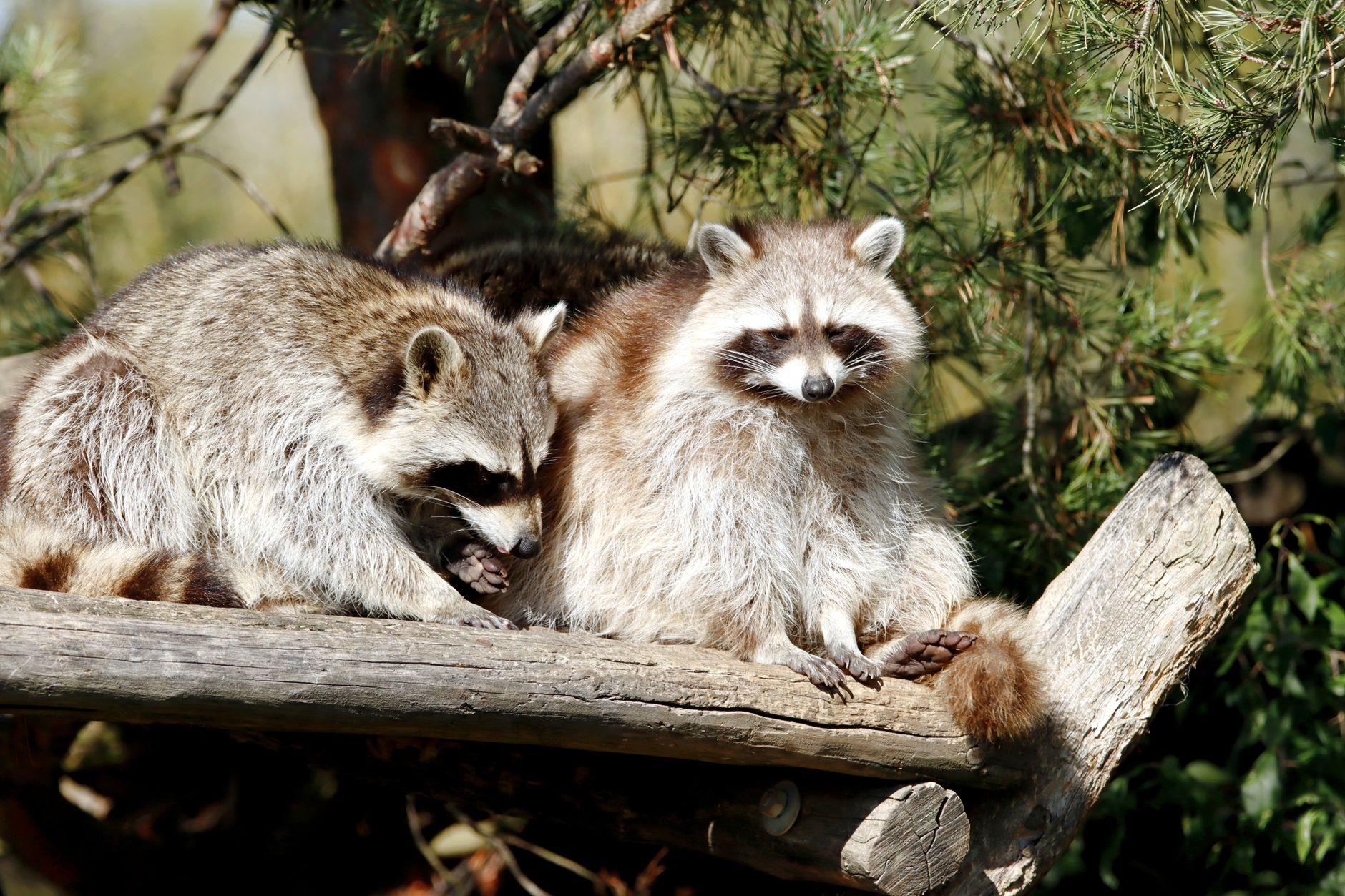
How Often Do Raccoons Poop? Understanding Raccoon Defecation Habits
Raccoons typically defecate once or twice a day, often in communal areas known as latrines. Understanding this frequency, and the habit of using latrines, is crucial for managing raccoon populations and mitigating associated health risks.

Introduction: Raccoons and Their Business
Raccoons, those masked bandits of the animal kingdom, are a common sight in both urban and rural landscapes. While their scavenging habits are well-known, their defecation habits are often overlooked. Understanding how often do raccoons poop? is essential for a few key reasons: it helps in identifying raccoon activity, assessing potential health hazards associated with their waste, and implementing effective control measures. This article delves into the details of raccoon bowel movements, exploring the frequency, reasons behind their latrine behavior, and what you can do to manage raccoon waste on your property.

What colours are fish most attracted to?
Can you put your finger in a trout's mouth?
Is methylene blue anti bacterial?
Does aquarium salt raise pH in aquarium?
Raccoon Biology and Digestion
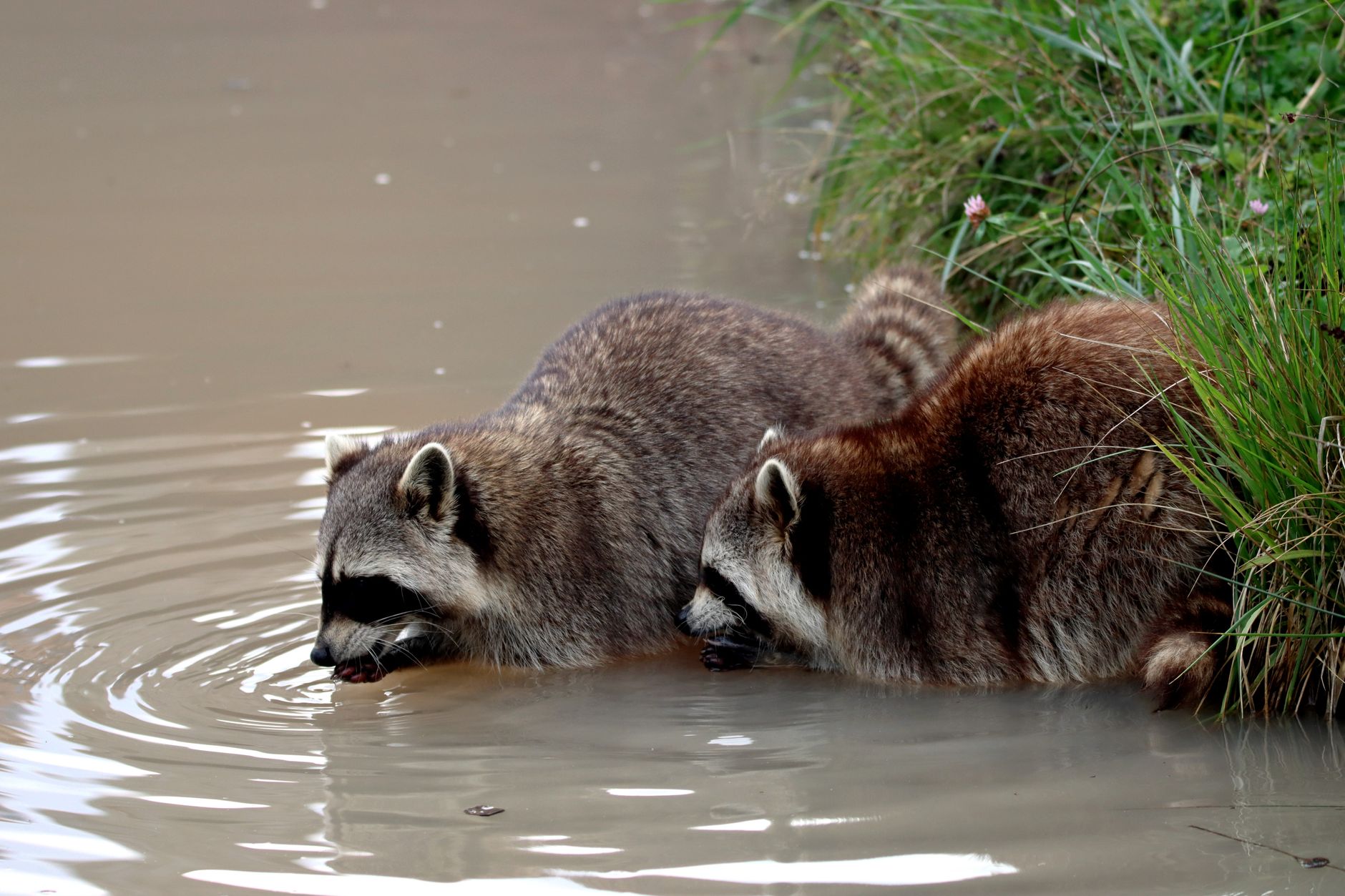
Raccoons are omnivores with a diet that consists of everything from fruits and nuts to insects and small animals. Their digestive system is relatively efficient, allowing them to process a wide variety of foods. Digestion time, however, plays a role in how often do raccoons poop?. Food consumed is typically processed and eliminated within 24-48 hours, influencing the frequency of their bowel movements.
Factors Influencing Defecation Frequency
Several factors affect how often do raccoons poop?:
- Diet: A diet high in fiber and water will generally lead to more frequent bowel movements. Conversely, a diet consisting of mostly dry food might result in less frequent defecation.
- Age: Young raccoons typically have higher metabolism and may defecate more frequently than adults.
- Health: Illnesses or parasitic infections can affect a raccoon’s digestive system, leading to changes in bowel movement frequency.
- Environment: Stress can influence digestive regularity, causing variations in defecation patterns.
The Raccoon Latrine: A Communal Toilet
One of the most distinctive aspects of raccoon defecation is their use of communal latrines. These are designated areas where multiple raccoons consistently deposit their feces. Latrines are often found in specific locations:
- At the base of trees
- On fallen logs
- In wood piles
- In attics or garages
- Around decks or patios
The purpose of these latrines is thought to be multi-fold: communication, territorial marking, and social interaction. However, these communal sites pose significant health risks.
Health Risks Associated with Raccoon Feces
Raccoon feces can carry several diseases and parasites harmful to humans and pets. The most concerning is Baylisascaris procyonis, a roundworm that can cause serious neurological damage if ingested. Other potential risks include:
- Leptospirosis
- Salmonellosis
- Giardiasis
Proper hygiene and sanitation are crucial when dealing with areas potentially contaminated by raccoon feces. Always wear gloves and a mask when cleaning, and disinfect thoroughly.
Managing Raccoon Waste on Your Property
Preventing raccoon access to your property and properly cleaning up after them is vital for minimizing health risks. Here are some steps you can take:
- Secure garbage cans: Use tight-fitting lids to prevent raccoons from accessing food sources.
- Remove food sources: Pick up fallen fruit, clean up pet food, and eliminate other potential food attractants.
- Seal entry points: Inspect your home for cracks and holes, and seal them to prevent raccoons from entering.
- Clean up latrines carefully: Wear protective gear and use a bleach solution to disinfect the area. Consider hiring a professional wildlife removal service for extensive cleanups.
Legal Considerations
In some areas, it may be illegal to trap or relocate raccoons without a permit. Check with your local wildlife authorities for specific regulations regarding raccoon control and removal.
Frequently Asked Questions (FAQs)
How long does it take for a raccoon to digest its food?
The digestion time in raccoons typically ranges from 24 to 48 hours. Factors such as diet composition can significantly influence this timeframe. A diet rich in easily digestible food items will likely result in a shorter digestion period.
Can raccoons be toilet trained?
While raccoons are intelligent animals, attempting to toilet train a wild raccoon is strongly discouraged. Their wild nature and potential health risks make them unsuitable as household pets. Furthermore, it’s often illegal to keep wild animals as pets.
What does raccoon poop look like?
Raccoon poop is typically dark brown or black, tubular in shape, and several inches long. It often contains undigested food particles, such as seeds, berries, or insect exoskeletons. Identifying the contents can provide clues to the raccoon’s diet.
Is it safe to compost raccoon poop?
No, it is not safe to compost raccoon poop. The presence of potentially harmful parasites like Baylisascaris procyonis makes composting raccoon feces a significant health risk. Proper disposal methods, such as incineration or burial, are recommended.
How can I tell if raccoons are using my attic as a latrine?
Signs of raccoon latrines in your attic include the presence of feces, strong ammonia odor, and staining on insulation. You may also hear noises such as scratching or vocalizations. Professional wildlife removal services should be contacted to safely remove the raccoons and clean the contaminated area.
What should I do if my pet eats raccoon poop?
If your pet has ingested raccoon poop, contact your veterinarian immediately. They can assess the risk and recommend appropriate treatment to prevent parasitic infections or other health problems. Proactive treatment is always better than a delayed response.
How often do raccoons poop in the winter?
Raccoons tend to be less active in the winter and may enter periods of torpor during which their metabolic rate slows down. This can lead to decreased food intake and reduced defecation frequency. However, they still need to eliminate waste periodically.
Are raccoon latrines always located outdoors?
No, raccoon latrines can be found both indoors and outdoors. Common indoor locations include attics, garages, and crawl spaces. Outdoor locations typically include the base of trees, fallen logs, and wood piles. Anywhere offering shelter and concealment is a potential latrine location.
What is the best way to disinfect an area contaminated by raccoon feces?
The most effective method involves wearing protective gear (gloves and a mask) and using a bleach solution (1 part bleach to 10 parts water). Saturate the contaminated area with the solution, let it sit for at least 10 minutes, and then carefully remove the waste and disinfect the surrounding area.
Can I use mothballs to deter raccoons from creating latrines?
While mothballs have been suggested as a deterrent, their effectiveness is limited and they pose a risk to other animals and the environment. Safer and more humane methods include removing food sources, sealing entry points, and using motion-activated lights or sprinklers.
How often do raccoons poop, and why is it important to understand this?
How often do raccoons poop? Typically, once or twice a day, but it depends on their diet and individual habits. Understanding this, combined with the knowledge of latrine behavior, helps assess potential health hazards, track raccoon activity, and implement effective management strategies on properties where raccoons may be present.
Should I hire a professional to clean up raccoon feces?
If the contamination is extensive, or if you are uncomfortable handling raccoon feces yourself, it is best to hire a professional wildlife removal service. They have the experience and equipment to safely remove the waste, disinfect the area, and prevent future raccoon infestations.