
How Often Can You Get the Bordetella Vaccine: Protecting Your Dog
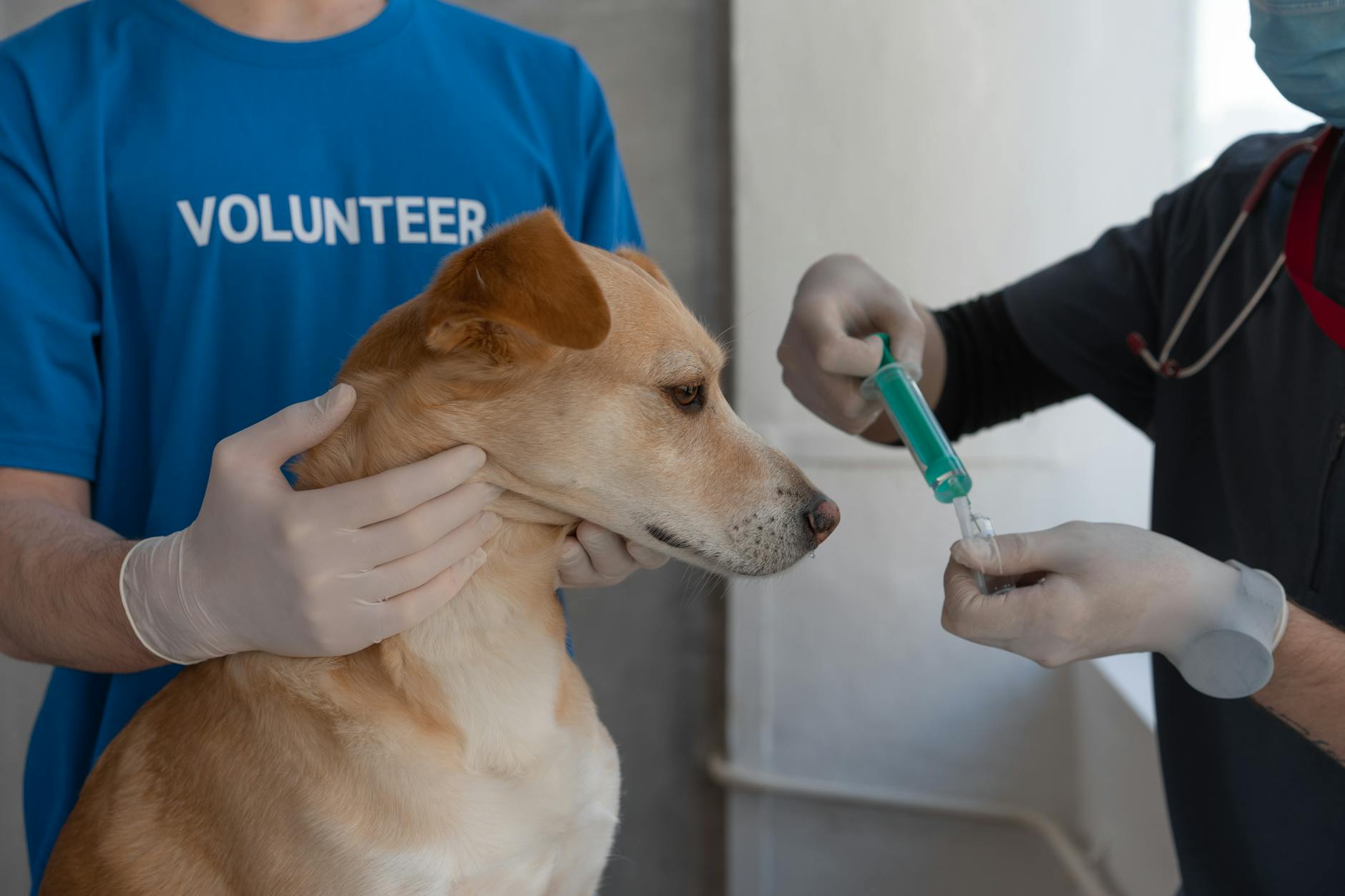
The frequency of Bordetella vaccination varies; generally, dogs at risk of kennel cough should receive the vaccine every 6-12 months, ensuring ongoing protection. This vaccination strategy provides the best defense against Bordetella bronchiseptica, a key culprit in canine infectious respiratory disease.
Understanding Bordetella and Kennel Cough
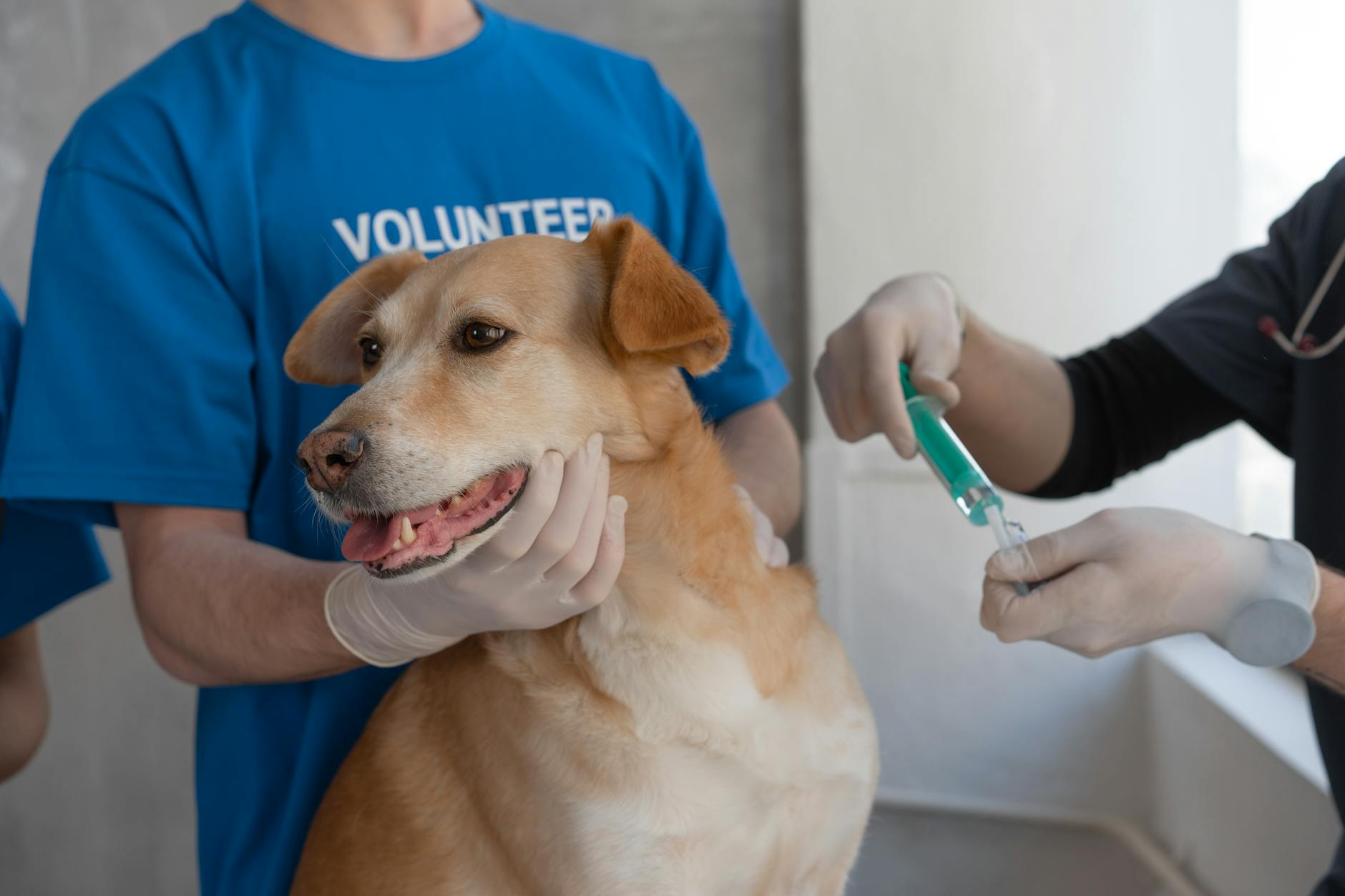
Bordetella bronchiseptica is a bacterium often implicated in canine infectious respiratory disease, commonly known as kennel cough. This highly contagious condition can cause significant discomfort and, in rare cases, more serious complications in dogs. Understanding the nature of Bordetella and kennel cough is crucial for making informed decisions about vaccination.
- What is Kennel Cough? Kennel cough isn’t caused by a single pathogen; rather, it’s often a combination of viruses and bacteria working together to infect a dog’s respiratory system. Bordetella bronchiseptica is a primary bacterial contributor, but other agents, such as canine parainfluenza virus and canine adenovirus, may also play a role.
- Transmission: The disease spreads rapidly in environments where dogs congregate, such as kennels, dog parks, and grooming facilities. Airborne droplets, direct contact with infected dogs, or contaminated surfaces can all serve as transmission routes.
- Symptoms: Common symptoms include a persistent, hacking cough (often described as a “goose honk”), sneezing, runny nose, and sometimes, mild fever. While generally not life-threatening, kennel cough can be distressing for dogs and can weaken their immune system, making them more susceptible to secondary infections.
Is distilled water good for goldfish?
What colours are fish most attracted to?
Can you put your finger in a trout's mouth?
Is methylene blue anti bacterial?
Benefits of the Bordetella Vaccine
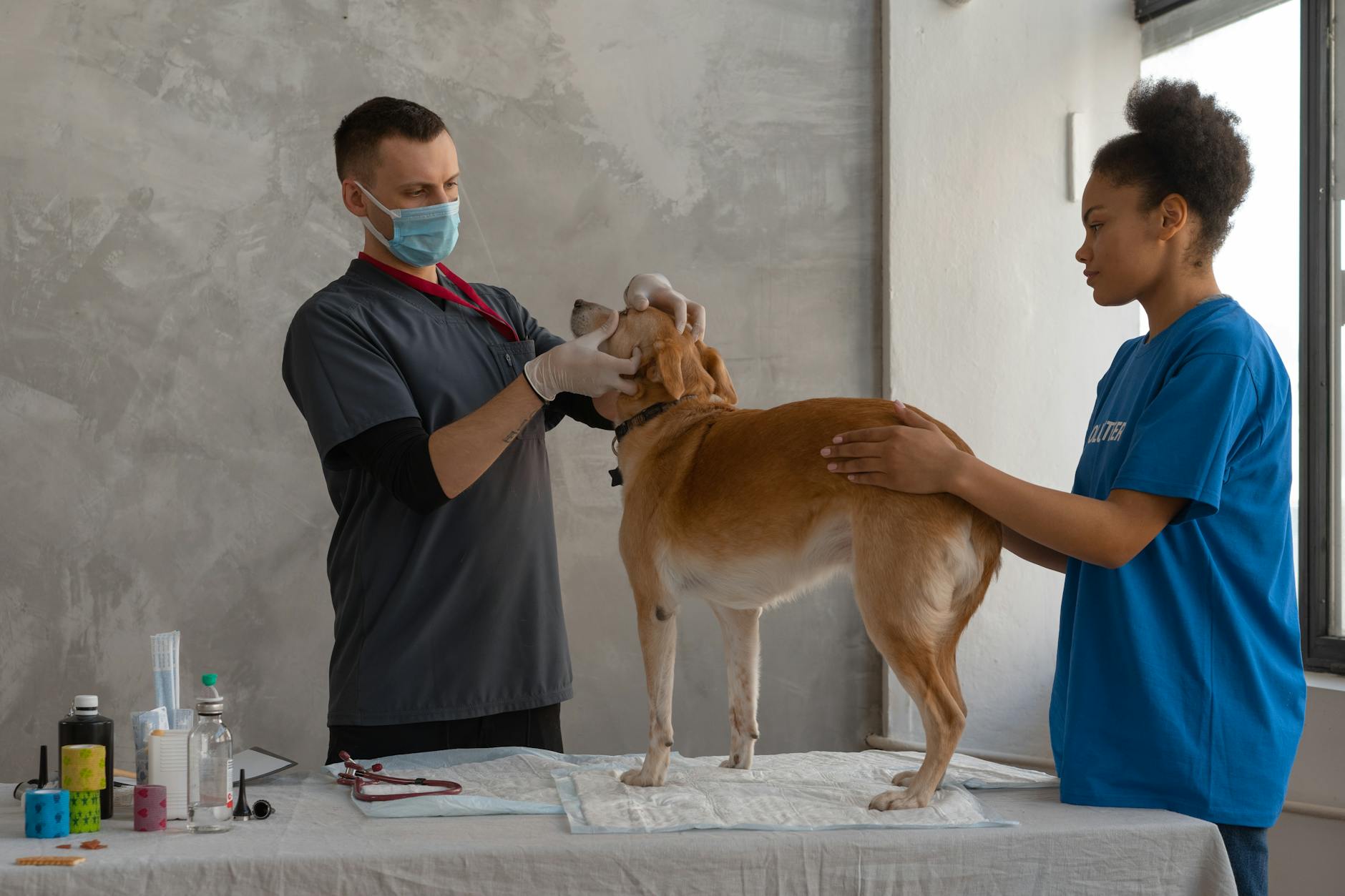
Vaccination against Bordetella is a proactive measure with several key benefits, primarily focused on preventing or mitigating kennel cough:
- Prevention: The primary benefit is prevention of Bordetella infection, or at least reduction in severity. The vaccine stimulates the dog’s immune system to produce antibodies, which can fight off the bacteria if exposed.
- Reduced Severity: Even if a vaccinated dog contracts kennel cough, the symptoms are usually milder and shorter in duration compared to unvaccinated dogs.
- Community Protection: Vaccination contributes to herd immunity, which protects vulnerable dogs who cannot be vaccinated (e.g., very young puppies or dogs with compromised immune systems).
- Reduced Spread: By reducing the incidence and severity of kennel cough, vaccination helps to minimize the spread of the disease in dog populations.
Types of Bordetella Vaccines and Administration
Several types of Bordetella vaccines are available, each with its own method of administration:
- Intranasal Vaccine: Administered directly into the dog’s nostrils. It provides rapid immunity, often within 48-72 hours. This type stimulates local immunity in the respiratory tract.
- Injectable Vaccine: Given as a subcutaneous injection. It may take longer to induce immunity compared to the intranasal vaccine, usually around two weeks.
- Oral Vaccine: A newer formulation, administered into the dog’s cheek pouch. It offers an alternative administration method that may be less stressful for some dogs.
The choice of vaccine type depends on factors such as the dog’s age, health status, and the veterinarian’s preference. All types are designed to stimulate the dog’s immune system to produce antibodies against Bordetella.
How Often Can You Get Bordetella Vaccine? Vaccination Schedules
The answer to how often can you get Bordetella vaccine? depends on several factors, primarily the dog’s lifestyle and risk of exposure.
- High-Risk Dogs: Dogs that frequently visit boarding kennels, dog daycare facilities, dog parks, or participate in dog shows are considered high-risk. These dogs typically require vaccination every 6 months to maintain adequate protection.
- Moderate-Risk Dogs: Dogs that occasionally visit these facilities or have limited exposure to other dogs may benefit from vaccination every 12 months.
- Low-Risk Dogs: Dogs that are primarily confined to their homes and have minimal contact with other dogs may not require frequent vaccination. The necessity for vaccination should be discussed with a veterinarian based on individual circumstances.
It’s crucial to remember that these are general guidelines. Your veterinarian can provide personalized recommendations based on your dog’s specific needs and risk factors. Revaccination schedules also depend on which vaccine type (intranasal, injectable, or oral) is used. Some vaccines have shorter durations of immunity than others.
Factors Affecting Vaccination Frequency
Several factors influence how often can you get Bordetella vaccine?, making it essential to consult with a veterinarian to determine the most appropriate vaccination schedule for your dog:
- Lifestyle: As mentioned earlier, a dog’s lifestyle and exposure to other dogs are primary determinants of vaccination frequency.
- Age: Puppies typically require a series of Bordetella vaccinations, followed by boosters. Senior dogs may require less frequent vaccination depending on their overall health and risk of exposure.
- Health Status: Dogs with compromised immune systems may require more frequent vaccination or may not be suitable candidates for certain types of vaccines.
- Vaccine Type: Different Bordetella vaccines offer varying durations of immunity, impacting the recommended revaccination interval.
- Local Disease Prevalence: Outbreaks of kennel cough in a specific geographic area may warrant more frequent vaccination for dogs at risk.
Common Mistakes and Misconceptions
Several common mistakes and misconceptions surround Bordetella vaccination:
- Thinking it Prevents All Coughs: The Bordetella vaccine only protects against Bordetella bronchiseptica, a single component of kennel cough. Other viruses and bacteria can still cause respiratory infections.
- Assuming Immunity Lasts Forever: Immunity from the Bordetella vaccine wanes over time, necessitating regular boosters to maintain protection.
- Skipping Vaccination Because Your Dog “Never Gets Sick”: Even healthy dogs can contract kennel cough if exposed. Vaccination is a proactive measure to prevent infection.
- Believing Intranasal is Always Better: Intranasal vaccines have their advantages, such as rapid immunity, but may not be suitable for all dogs. A veterinarian can recommend the most appropriate vaccine type.
- Over-Vaccination: While regular boosters are important, unnecessary frequent vaccination can potentially increase the risk of adverse reactions. Stick to the schedule recommended by your veterinarian.
| Mistake | Explanation |
|---|---|
| Thinking it prevents all coughs | Kennel cough is a complex of viruses and bacteria, and Bordetella is just one component. |
| Assuming immunity lasts forever | Bordetella vaccine immunity wanes; boosters are essential. |
| Skipping vaccination due to “good health” | Even healthy dogs can contract kennel cough. Vaccination is preventative. |
| Believing intranasal is always superior | Intranasal vaccines offer rapid immunity but may not suit all dogs. A vet’s recommendation is crucial. |
| Over-vaccination | Unnecessary frequent vaccination carries potential risks. Adhere to your vet’s recommended schedule. |
Consulting with Your Veterinarian
The most critical step in determining how often can you get Bordetella vaccine? is consulting with your veterinarian. They can assess your dog’s individual risk factors, health status, and lifestyle to create a personalized vaccination schedule that provides optimal protection against kennel cough.
Frequently Asked Questions (FAQs)
1. Is the Bordetella vaccine 100% effective?
No, the Bordetella vaccine is not 100% effective. It significantly reduces the risk of infection from Bordetella bronchiseptica, a major contributor to kennel cough. However, other viruses and bacteria can also cause similar respiratory symptoms. Vaccination usually leads to milder symptoms and quicker recovery, even if a dog does contract kennel cough.
2. What are the potential side effects of the Bordetella vaccine?
Common side effects are generally mild and temporary. They might include sneezing, coughing (especially after the intranasal vaccine), lethargy, and local swelling at the injection site (for injectable vaccines). Serious reactions are rare but possible; contact your veterinarian immediately if you observe severe symptoms like difficulty breathing or facial swelling.
3. Can puppies receive the Bordetella vaccine? If so, at what age?
Yes, puppies can and often should receive the Bordetella vaccine. The typical age for initial vaccination is around 6-8 weeks, followed by booster vaccinations as recommended by your veterinarian. A series of vaccinations is usually necessary to build adequate immunity in young puppies.
4. Is the Bordetella vaccine required for boarding or daycare facilities?
Many boarding kennels, daycare facilities, and grooming establishments require dogs to be vaccinated against Bordetella before admission. This is to prevent the spread of kennel cough within the facility. Verify the specific requirements of the facility beforehand to ensure your dog is compliant.
5. Does my indoor dog need the Bordetella vaccine?
Even indoor dogs can be exposed to Bordetella, especially if they interact with other dogs during walks, vet visits, or grooming appointments. While the risk is lower compared to dogs frequently in group settings, vaccination may still be beneficial. Discuss your dog’s lifestyle with your veterinarian to determine if the vaccine is necessary.
6. How long does the Bordetella vaccine last?
The duration of immunity varies depending on the type of vaccine used. Generally, immunity lasts for 6-12 months. Therefore, annual or biannual revaccination is often recommended, especially for dogs at high risk of exposure.
7. Is there a blood test to check my dog’s immunity to Bordetella?
While blood tests (antibody titers) can measure immunity to some diseases, they are not commonly used to assess immunity to Bordetella. The correlation between antibody levels and protection against kennel cough is not always clear-cut. Therefore, regular revaccination is usually preferred over titer testing.
8. Can I give my dog the Bordetella vaccine myself?
While some intranasal Bordetella vaccines are available for over-the-counter purchase, it is generally recommended to have your veterinarian administer the vaccine. This ensures proper technique, reduces the risk of adverse reactions, and allows for a physical examination to assess your dog’s overall health.
9. My dog has a sensitive stomach. Can the Bordetella vaccine cause digestive issues?
Gastrointestinal upset is not a typical side effect of the Bordetella vaccine. However, any vaccine can potentially cause a mild systemic reaction, which might indirectly affect appetite or digestion in some dogs. If your dog experiences significant digestive issues after vaccination, consult your veterinarian.
10. What should I do if my dog contracts kennel cough despite being vaccinated?
If your vaccinated dog develops kennel cough, the symptoms are usually milder and shorter in duration. Continue to provide supportive care, such as rest, good nutrition, and avoiding strenuous activity. Consult your veterinarian, as they may prescribe cough suppressants or antibiotics to prevent secondary bacterial infections.
11. Is the Bordetella vaccine the same as the canine influenza vaccine?
No, the Bordetella vaccine and the canine influenza vaccine are different vaccines that protect against different respiratory pathogens. The Bordetella vaccine targets Bordetella bronchiseptica, while the canine influenza vaccine protects against canine influenza viruses (H3N8 and H3N2).
12. Can I skip the Bordetella vaccine this year if my dog has been vaccinated regularly in the past?
Skipping vaccinations is not recommended without consulting your veterinarian. Immunity wanes over time, and continued protection relies on regular boosters. Your veterinarian can assess your dog’s current risk factors and determine whether a booster is necessary to maintain adequate immunity.