
How Much is Flood Insurance in Florida?

The cost of flood insurance in Florida varies significantly based on factors like location, property characteristics, coverage amount, and flood risk. While the average cost sits around $700 to $800 annually, premiums can range from a few hundred dollars to several thousand, depending on individual circumstances and the specific insurance provider.
Understanding Flood Insurance Premiums in the Sunshine State
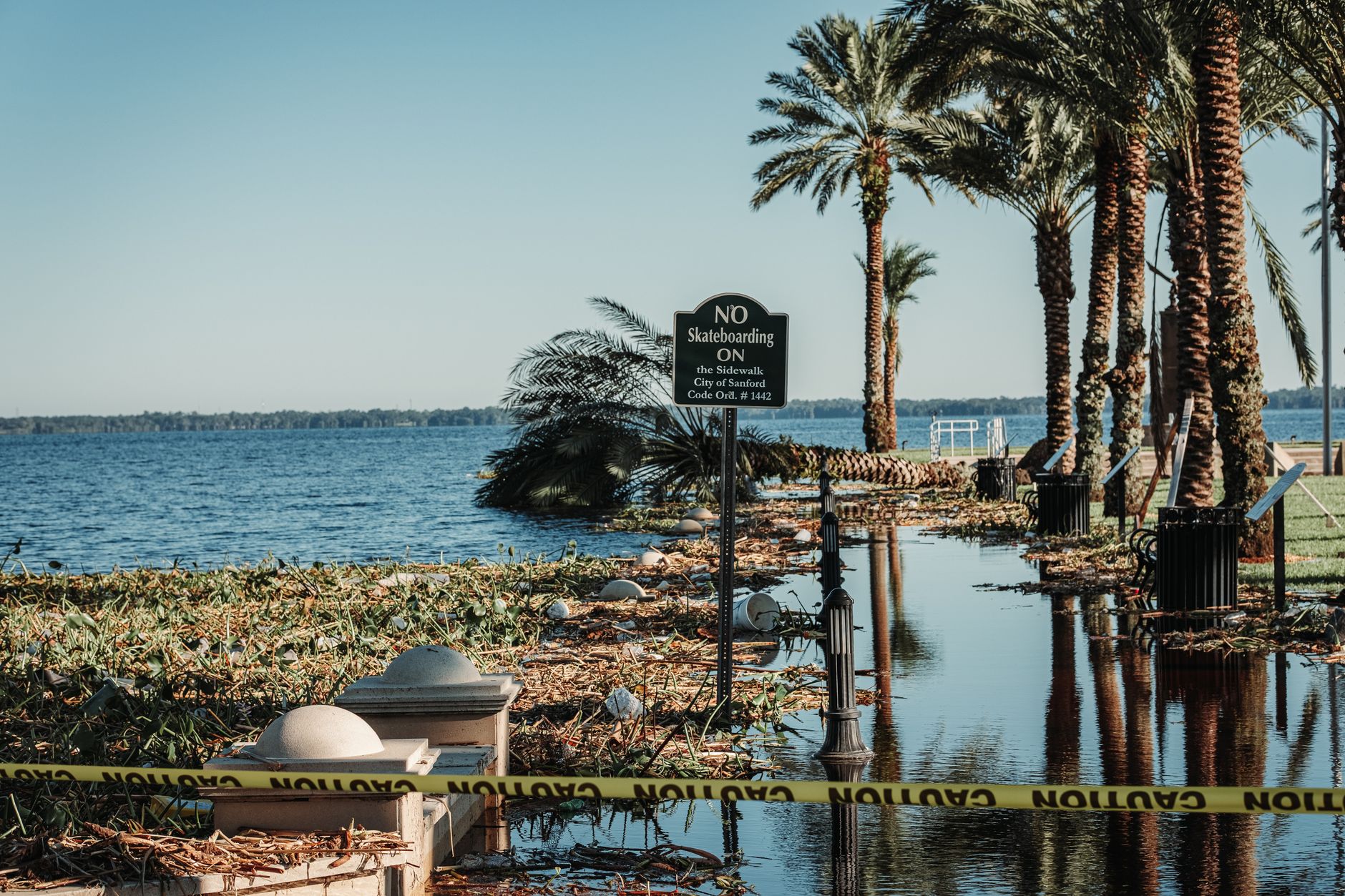
Florida, with its extensive coastline and low-lying geography, faces a high risk of flooding from hurricanes, tropical storms, and heavy rainfall. This inherent risk makes flood insurance a critical consideration for homeowners and businesses across the state. Understanding the factors that influence premiums is crucial for making informed decisions about protecting your property.
Key Factors Affecting Flood Insurance Costs
Several elements contribute to the price of your flood insurance policy in Florida:
- Location: Proximity to the coast, rivers, lakes, and flood zones dramatically impacts rates. Properties in high-risk Special Flood Hazard Areas (SFHAs), designated by FEMA, typically face the highest premiums.
- Flood Zone: FEMA’s flood zone designations, ranging from Zones A and V (high-risk) to Zones X and B (moderate to low-risk), are a primary driver of insurance costs.
- Elevation: The elevation of your building relative to the Base Flood Elevation (BFE) – the anticipated height floodwaters will reach in a 100-year flood – directly affects premiums. Higher elevations translate to lower risk and potentially lower rates.
- Coverage Amount: The amount of coverage you choose for your building and its contents significantly impacts the policy’s price. Higher coverage limits naturally lead to higher premiums.
- Deductible: Choosing a higher deductible, the amount you pay out-of-pocket before insurance covers the remaining losses, can lower your premium.
- Building Characteristics: Factors like the type of foundation (e.g., slab-on-grade, crawlspace, elevated), the building’s age, construction materials, and whether it has been flood-proofed or elevated, influence the risk assessment and premium calculation.
- NFIP vs. Private Flood Insurance: The National Flood Insurance Program (NFIP), managed by FEMA, is the primary provider of flood insurance in the US. However, private flood insurance companies offer alternative options with potentially different coverage and pricing structures.
- Community Rating System (CRS): If your community participates in FEMA’s CRS program, which implements flood mitigation activities, you may be eligible for discounts on your flood insurance premiums.
- Prior Claims History: Previous flood claims on the property can increase premiums.

What colours are fish most attracted to?
Can you put your finger in a trout's mouth?
Is methylene blue anti bacterial?
Does aquarium salt raise pH in aquarium?
NFIP’s Risk Rating 2.0: A New Era for Flood Insurance
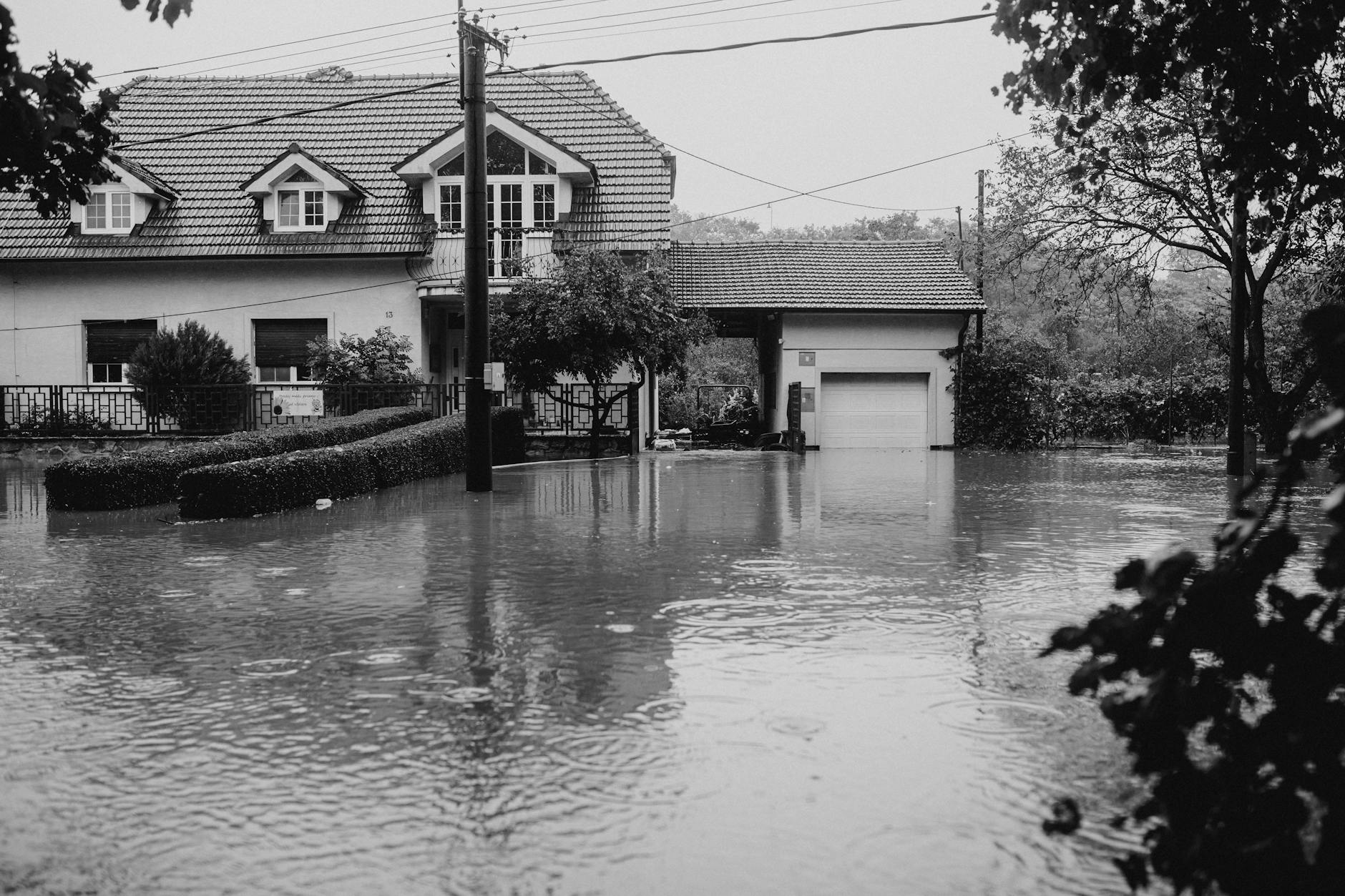
In recent years, FEMA implemented Risk Rating 2.0, a new methodology for calculating flood insurance premiums. This approach utilizes advanced technology and data analytics to assess individual property risk more accurately than the previous system. Risk Rating 2.0 aims to create a more equitable and transparent pricing structure, but its implementation has led to significant premium changes for many Florida homeowners, with some experiencing increases and others seeing decreases.
Navigating the Flood Insurance Market
Given the complexities of flood insurance in Florida, it’s essential to shop around and compare quotes from different providers. Working with an experienced insurance agent who specializes in flood insurance can help you navigate the options, understand your specific risk profile, and find the most appropriate and affordable coverage. Consider both NFIP and private flood insurance options to determine which best suits your needs.
Frequently Asked Questions (FAQs) About Flood Insurance in Florida
Here are some common questions about flood insurance in Florida, designed to provide further clarity and guidance.
1. Is Flood Insurance Required in Florida?
Flood insurance is typically required in Florida for properties located in high-risk Special Flood Hazard Areas (SFHAs) if the owner has a federally backed mortgage. Even if not required, it’s highly recommended for properties in moderate- to low-risk zones, as floods can still occur and cause significant damage.
2. What Does Flood Insurance Cover in Florida?
Flood insurance generally covers direct physical damage to your property caused by flooding. This includes damage to the structure of your home, such as walls, floors, electrical systems, and plumbing. It may also cover contents, such as furniture, appliances, and personal belongings (subject to coverage limits).
3. What is Not Covered by Flood Insurance in Florida?
Flood insurance typically does not cover damage caused by sewer backups (unless directly caused by flooding), mold or mildew (unless resulting from covered flood damage and properly remediated), landscaping, swimming pools, and detached structures used for business purposes. Additional exclusions may apply, so it’s essential to review your policy carefully.
4. How Much Flood Insurance Do I Need in Florida?
The amount of flood insurance you need depends on the value of your property and its contents. The NFIP offers maximum coverage limits of $250,000 for building coverage and $100,000 for contents coverage. If your property is worth more than these limits, consider supplemental coverage from a private flood insurance provider.
5. Can I Purchase Flood Insurance Outside of FEMA’s NFIP in Florida?
Yes, you can purchase flood insurance from private flood insurance companies in Florida. These companies may offer higher coverage limits, different coverage options, and potentially more competitive pricing than the NFIP. Comparing both options is highly recommended.
6. How Long Does it Take for a Flood Insurance Policy to Go Into Effect in Florida?
There is typically a 30-day waiting period before a flood insurance policy becomes effective in Florida. Exceptions may apply, such as when purchasing coverage as a result of a mortgage requirement.
7. What is the Difference Between Building Coverage and Contents Coverage in a Flood Insurance Policy?
Building coverage protects the physical structure of your property, including walls, floors, and fixtures. Contents coverage protects your personal belongings inside the property, such as furniture, appliances, and clothing.
8. What is the Community Rating System (CRS) and How Does It Impact Flood Insurance Premiums in Florida?
The Community Rating System (CRS) is a FEMA program that rewards communities for implementing flood mitigation activities. Residents in CRS-participating communities may be eligible for discounts on their flood insurance premiums.
9. How Do I Find Out if My Property is in a Flood Zone in Florida?
You can determine your property’s flood zone by using FEMA’s Flood Map Service Center or by contacting your local county or city government’s planning or building department. You can also consult with a flood insurance specialist or insurance agent.
10. What Should I Do If My Flood Insurance Premium Increases Significantly Under Risk Rating 2.0?
If your flood insurance premium has increased significantly under Risk Rating 2.0, explore options such as elevating your property, purchasing flood vents, and shopping around for alternative coverage from private flood insurance providers. Also, verify that the data used to calculate your premium accurately reflects your property’s characteristics.
11. Are There Grants or Assistance Programs Available to Help with Flood Mitigation in Florida?
Yes, several grants and assistance programs are available to help with flood mitigation in Florida. These programs may include funding for elevating properties, installing flood barriers, and improving drainage systems. Contact your local emergency management agency or state government to learn about available resources.
12. What Steps Can I Take to Protect My Property from Flooding in Florida?
Several steps can be taken to protect your property from flooding, including elevating the building, installing flood vents, improving drainage systems, sealing walls, and moving valuable items to higher floors. Creating a flood emergency plan and having a supply kit ready can also help minimize damage.