
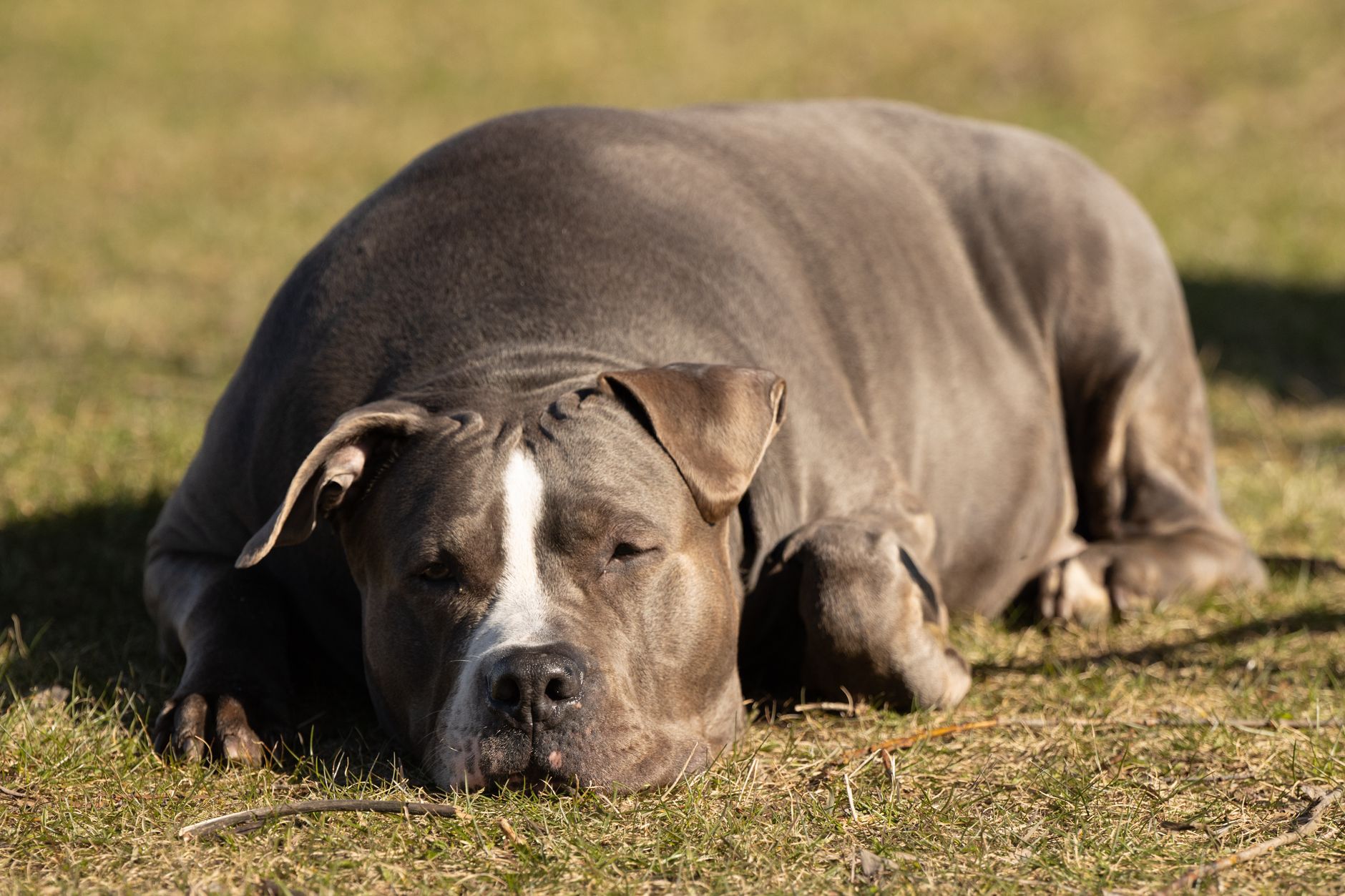
How Much Do Pocket Pits Cost? A Comprehensive Guide
The cost of a Pocket Pit can vary significantly, ranging from $500 to $5,000 or more, depending on factors like breeder reputation, pedigree, health testing, and location.

Pocket Pits, also known as miniature American Pit Bull Terriers or Pynoos, are a relatively new and somewhat controversial breed. Understanding the factors influencing their price is crucial for potential owners. This article dives deep into the costs associated with acquiring a Pocket Pit, the responsible breeding practices to look for, and the potential ongoing expenses of owning this unique breed.
Understanding the Pocket Pit Breed
Pocket Pits are essentially smaller versions of American Pit Bull Terriers. Their size is achieved through selective breeding, often incorporating dwarfism. While some admire their compact size, it’s important to be aware of potential health issues associated with this breeding practice.
- Origin: Developed through breeding smaller American Pit Bull Terriers.
- Appearance: Resemble standard Pit Bulls but are much smaller in stature.
- Temperament: Ideally, they should inherit the affectionate and loyal temperament of their larger counterparts.
- Controversy: The ethical implications of breeding for size and the potential for health problems are hotly debated.

What colours are fish most attracted to?
Can you put your finger in a trout's mouth?
Is methylene blue anti bacterial?
Does aquarium salt raise pH in aquarium?
Factors Influencing Pocket Pit Pricing

Several key factors contribute to the price variability of Pocket Pits:
- Breeder Reputation: Reputable breeders who prioritize health and temperament often charge more. They invest in health testing and proper care for their dogs.
- Pedigree: Dogs with champion bloodlines or a documented lineage of healthy ancestors command higher prices.
- Health Testing: Genetic screening for common Pit Bull health problems (hip dysplasia, heart conditions, etc.) adds to the cost. This is a crucial investment for the long-term health of the dog.
- Location: Prices can vary based on geographic location due to differences in demand and breeder availability.
- Appearance: Certain colors or markings, particularly those deemed “rare,” may inflate the price, even though they might not impact health or temperament.
- Registration: AKC registration (while not always available or relevant for Pocket Pits) can influence price.
Responsible Breeding Practices & Red Flags
When considering how much do pocket pits cost?, it’s equally important to consider the breeder’s ethical standards.
- Health Testing: Look for breeders who conduct thorough health testing on their breeding dogs.
- Transparency: A responsible breeder will be open and honest about the dog’s lineage and any potential health concerns.
- Living Conditions: Visit the breeder’s facility and observe the living conditions. Clean, spacious environments are essential.
- Socialization: Puppies should be well-socialized from a young age.
- Red Flags: Be wary of breeders who:
- Offer unusually low prices.
- Refuse to show you the parents of the puppies.
- Don’t provide health guarantees.
- Seem secretive or evasive.
Beyond the Initial Purchase: Ongoing Costs
The initial purchase price is just the beginning. Owning a Pocket Pit involves significant ongoing expenses.
- Food: High-quality dog food is essential for maintaining health.
- Veterinary Care: Regular checkups, vaccinations, and potential treatment for breed-specific health issues.
- Grooming: Minimal grooming is typically required, but nail trims and occasional baths are necessary.
- Training: Professional training is highly recommended to address potential behavioral issues.
- Toys & Enrichment: Mental and physical stimulation are vital for this energetic breed.
- Insurance: Pet insurance can help cover unexpected veterinary costs.
Potential Health Concerns in Pocket Pits
Due to their size and the breeding practices used to achieve it, Pocket Pits are prone to certain health issues:
- Dwarfism-related problems: Skeletal abnormalities, arthritis, and spinal issues.
- Hip Dysplasia: A malformation of the hip joint.
- Heart Conditions: Such as mitral valve disease.
- Skin Allergies: Common in Pit Bull breeds.
- Eye Problems: Such as progressive retinal atrophy.
Is a Pocket Pit Right for You?
Before deciding to purchase a Pocket Pit, consider the following:
- Lifestyle: Do you have the time and resources to properly care for a high-energy dog?
- Living Situation: Are you allowed to have Pit Bull breeds in your apartment or neighborhood?
- Financial Stability: Can you afford the initial and ongoing costs of owning a dog?
- Commitment: Are you prepared to provide lifelong care for your Pocket Pit?
| Consideration | Description |
|---|---|
| Exercise Needs | Requires daily exercise, including walks, runs, and playtime. |
| Training | Needs consistent and positive reinforcement training. |
| Socialization | Early socialization is crucial to prevent aggression. |
| Potential Health Issues | Be prepared for potential veterinary expenses related to breed-specific health problems. |
Conclusion
Ultimately, understanding how much do pocket pits cost? extends beyond the purchase price. It involves acknowledging the breeder’s ethics, anticipating potential health issues, and committing to the long-term financial and emotional investment of owning a dog. Before acquiring a Pocket Pit, carefully research breeders, consider adoption options, and ensure you can provide a loving and supportive home.
Frequently Asked Questions (FAQs)
Are Pocket Pits good family dogs?
With proper socialization and training, Pocket Pits can be good family dogs. However, their strength and potential for guarding behavior require responsible ownership and careful supervision around children. Early socialization is paramount.
Are Pocket Pits prone to aggression?
Pocket Pits are not inherently aggressive, but they can exhibit guarding behaviors if not properly trained and socialized. Responsible ownership, including early socialization and consistent training, is crucial to prevent aggression. Genetics also play a role, so choosing a puppy from parents with good temperaments is important.
What is the average lifespan of a Pocket Pit?
The average lifespan of a Pocket Pit is typically 10-14 years, but this can vary depending on their overall health and care. Health testing and responsible breeding practices are vital for maximizing their lifespan.
Are Pocket Pits recognized by major kennel clubs?
Most major kennel clubs, like the American Kennel Club (AKC), do not recognize Pocket Pits as a distinct breed. They are often considered a smaller variation of the American Pit Bull Terrier. This lack of official recognition can make finding reputable breeders challenging.
How much exercise does a Pocket Pit need?
Pocket Pits are energetic dogs and require at least 30-60 minutes of exercise daily. This can include walks, runs, playtime, and mental stimulation activities. Insufficient exercise can lead to behavioral problems.
What kind of training does a Pocket Pit need?
Pocket Pits benefit from consistent and positive reinforcement training. Early obedience training and socialization are essential to prevent aggression and ensure they are well-behaved companions. Professional training may be necessary to address specific behavioral issues.
What are some common health problems in Pocket Pits?
Common health problems in Pocket Pits include hip dysplasia, heart conditions, skin allergies, and dwarfism-related issues. Responsible breeders conduct health testing to minimize the risk of these problems.
Are Pocket Pits easy to train?
Pocket Pits are intelligent dogs, but they can also be stubborn. Consistent and positive reinforcement training is key. Early socialization and obedience training are crucial for their development.
What is the difference between a Pocket Pit and an American Bully?
While both breeds are related to the American Pit Bull Terrier, Pocket Pits are typically bred to be smaller versions of Pit Bulls, while American Bullies have a more distinct, muscular build. American Bullies often have shorter muzzles and a wider stance.
Do Pocket Pits shed a lot?
Pocket Pits are moderate shedders. Regular brushing can help minimize shedding. Bathing should only be done when necessary, as frequent bathing can dry out their skin.
Are Pocket Pits good with other dogs?
With proper socialization, Pocket Pits can be good with other dogs. However, early socialization is crucial to prevent aggression. Introducing them to other dogs in a controlled and positive environment is important.
What should I look for in a Pocket Pit breeder?
Look for a breeder who conducts health testing on their breeding dogs, is transparent about the dog’s lineage, provides a clean and spacious environment, socializes the puppies from a young age, and offers a health guarantee. Avoid breeders who offer unusually low prices, refuse to show you the parents of the puppies, or seem secretive. Asking how much do pocket pits cost? should not be your only consideration; responsible breeding matters.